Key Takeaways
- Identify lipedema arms by symmetrical fatty swelling, tenderness, easy bruising, and a soft, doughy texture. Distinguish it from obesity or lymphedema by its pattern and progression.
- All essential treatments include manual lymphatic drainage, compression sleeves, targeted liposuction when necessary, anti-inflammatory diets, and vibration therapy to control symptoms and maintain results.
- Reserve surgery for advanced or treatment-resistant cases after weighing the risks, nerve protection strategies, and skin retraction potential, and with clear preoperative and postoperative plans.
- Seek practical lifestyle supports such as consistent low-impact exercise, stress management, and peer or professional support networks to help sustain arm function and quality of life.
- Track outcomes with measurements, photos, symptom journals, and dietary logs to evaluate progress and inform treatment adjustments.
- Keep up with emerging research, new technologies, and clinical trials to tap into evolving, personalized treatment options and advocacy resources.
Lipedema arms treatment options are strategies to alleviate discomfort, decrease edema, and remove fatty deposits in the arms. They can include conservative care such as compression garments, manual lymphatic drainage, and individualized exercise to medical options including liposuction techniques and skin removal for more advanced cases. Selection depends on stage, symptoms, and goals, with multidisciplinary teams often directing treatment. Below we detail each alternative, result expectations, and logistical factors.
Clinical Signs
Symptoms Clinical signs of lipedema in the arms are distinct from usual weight gain or fluid retention. Early recognition directs diagnostic steps and treatment decisions. These paragraphs cover what the typical symptoms are, how to differentiate lipedema from other diagnoses, skin changes to anticipate, and the stages of arm lipedema.
Identify common symptoms of lipedema in the arms, such as symmetrical swelling and tenderness
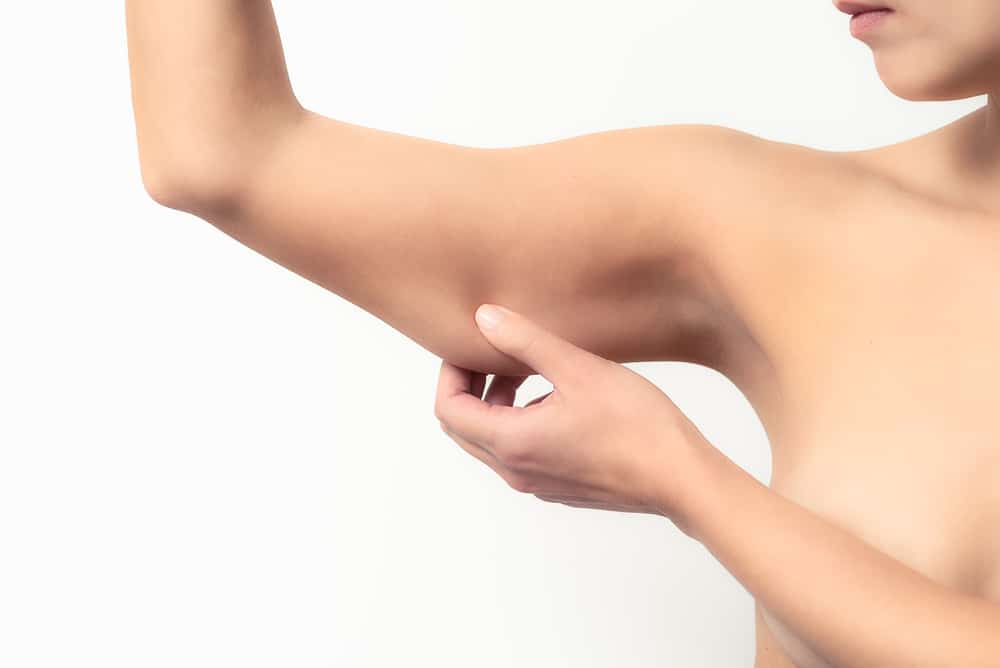
Symmetrical hypertrophy of the biceps remains a hallmark early clinical clue. This excess tissue generally involves the upper and mid arm with sparing of the hands. Clinically, the patient will describe ‘tight sleeves’ with normal-sized hands. The tissue is firmer than surrounding areas and cannot be diminished by dieting alone. There may be tenderness and pain. The pain is typically an ache or a sense of pressure or sensitivity to light touch. Others experience worsening pain during hormonal fluctuations, like pregnancy or menopause. Most note a sensation of heaviness or decreased mobility of the arms as the disease advances. Symptoms can first emerge during adolescence or adulthood and typically deteriorate gradually over months to years.
Distinguish lipedema from general obesity or lymphedema by noting the unique fat distribution patterns
Lipedema fat is often nodular and subcutaneous and forms a cuff-like distribution on the arms where the hands are usually spared. Generalized obesity leads to more even fat accumulation over the body, including the hands in many individuals. Lymphedema causes pitting edema and frequently begins in the hands or fingers. The skin is taut and swollen, and swelling can subside with elevation. Lipedema usually does not pit in the early stage when pressed, and elevation does not significantly decrease volume. A clinical sign is to compare circumference measurements at consistent points on the arm and observe symmetry. Lipedema is typically bilaterally symmetrical. Imaging such as ultrasound or magnetic resonance imaging can assist in confirming disproportional subcutaneous fat and excluding lymphatic obstruction.
Recognize skin changes like easy bruising and a soft, doughy texture in affected areas
Skin over lipedema arms bruises quite easily after small bumps. Probable causes include capillary fragility and diminished connective tissue support. The feel is soft, spongy, or doughy instead of firm. Nodules or small lumpy areas can be palpated beneath the skin. Fibrosis can occur over time, making tissue feel firmer and less mobile. Temperature is generally normal, which helps differentiate lipedema from inflammatory etiologies. Sensory changes like numbness or tingling can occur if tissue compresses small nerves.
- Stage 1: Skin is smooth, with soft subcutaneous nodules and mild symmetrical swelling.
- Stage 2: More pronounced nodularity, uneven texture, increased bruising, and tenderness.
- Stage 3: Large deforming fat masses, reduced mobility, and skin folds may form.
- Stage 4 (lipo-lymphedema): Secondary lymphatic compromise with pitting, marked swelling, and recurrent infections.
Core Therapies
Nonsurgical approaches are the bedrock of arm-centered lipedema treatment. These therapies seek to minimize pain, limit advancement, and enhance function and aesthetics. Personalized combinations provide better control than any single treatment. Maintenance is necessary to maintain gains and prevent relapse.
1. Manual Drainage
MLD uses gentle, rhythmic strokes to guide fluid away from congested areas. The therapist traces the lymph pathways, bringing the swelling down and loosening the tight arm. Sessions last 30 to 60 minutes and require repetition, with most patients starting with two to three treatments weekly and then stepping down as the swelling abates. Home self-massage supports clinic work. Short daily routines of gentle strokes toward the axilla can maintain flow between sessions.
MLD techniques encompass stationary circles, pump-like motions and directional sweeps. Training counts, find a therapist who is certified in lymphedema or lipedema care. MLD decreases pain, increases range of motion and can make compression more comfortable by decreasing baseline edema.
2. Compression Sleeves
Medical-grade compression sleeves exert graded pressure to promote lymphatic return and restrict interstitial fluid accumulation. Proper fit is crucial: measure mid-upper arm and wrist, and choose a sleeve with the right compression class, often 15 to 30 mmHg to 30 to 40 mmHg depending on need. Wear schedules are different. Some prefer to wear during the day and take off at night, but for acute flare-ups, longer use may be necessary.
Varied materials from breathable knit to tighter elastic fabrics, plus seamless sleeves to reduce irritation. Think sleeves with silicone bands or adjustable straps for fit. Care tips: wash daily on a gentle cycle, air dry, replace every 3 to 6 months if stretched or worn, and inspect seams to avoid skin breakdown.
3. Targeted Liposuction
Liposuction for lipedema aims to excise aberrant subcutaneous fat to minimize pain and disproportion. We utilize tumescent and water-assisted liposuction techniques to preserve the tissue and reduce the risk of bleeding. It’s about long lasting symptom relief and better arm shape, not easy weight loss.
Recovery involves brief rest, compression for a few weeks, and slow return to activity over 2 to 6 weeks. Core Therapies with most noting lasting softening and more supple movement, though upkeep with compression and care is key.
4. Anti-Inflammatory Diets
Diet can help symptoms by reducing systemic inflammation and fluid retention. Think leafy greens, berries, omega-3 rich fatty fish, nuts, and whole grains. Cut down on processed foods, added sugars, and high-sodium products that encourage inflammation. Maintain a food diary to identify individual triggers and assist modifications.
5. Vibration Plates
Whole-body vibration offers light mechanical stimulation to increase lymph flow and muscle activation. Begin with brief sessions of 5 to 10 minutes, 2 to 3 times per week, augmenting as tolerated. Vibration can be a convenient complement to walking or resistance training for individuals with limited mobility. Monitor arm circumference and symptom scores pre and post program to measure benefit.
| Therapy | Goal | Effectiveness |
|---|---|---|
| Manual Drainage | Reduce swelling, ease pain | Short-term relief; needs regular sessions |
| Compression Sleeves | Maintain lymph flow, limit swelling | High with correct fit and use |
| Targeted Liposuction | Remove abnormal fat, relief long-term | Moderate to high with maintenance |
| Anti-Inflammatory Diets | Lower inflammation, reduce fluid | Supportive; varies by adherence |
| Vibration Plates | Stimulate lymphatics, improve strength | Adjunctive; modest benefits shown |
Surgical Considerations
Surgical options are reserved for when conservative measures, compression, lymphatic support, exercise, and weight management, do not alleviate pain, dysfunction, or progressive enlargement. Factors must be considered on symptom severity, fat distribution, skin quality, comorbid conditions, and patient expectations. For arms, visible contour and range of motion concerns typically nudge toward surgery when noninvasive care falls short.
Nerve Protection
Surgeons employ methods to reduce the risk of nerve damage during liposuction. Tumescent liposuction with small cannulas and blunt tips helps separate fat from nerves rather than cut it. Power-assisted and water-assisted techniques allow for more control. Ultrasound or visual mapping can direct the cannula away from known nerve tracks.
Accurate anatomy is essential. The medial and posterior cutaneous nerves of the forearm and small branches about the elbow are susceptible. Upper-limb surgeons familiar with the underlying anatomy can plan their incisions and cannula paths to skirt these structures, keeping dissection superficial in risky zones.
Be on the lookout for numbness, tingling, lingering pain, or weakness post surgery. Immediate sharp pain or muscle flailing indicates a major nerve problem. Delayed sensory changes can indicate neurapraxia. Any new asymmetric weakness or worsening sensory loss requires immediate workup.
Reduce nerve issues by staging instead of removing large amounts at once, use gentle suction, avoid aggressive lipo near the elbow crease, and use neuromonitoring when anatomy is distorted. Good patient counseling about transient numbness versus permanent injury assists in establishing reasonable expectations.
Skin Retraction
Skin elasticity plays a major role in cosmetic outcomes following arm fat reduction. Younger patients or those with good skin tone frequently enjoy adequate retraction. In older patients or those with long-standing large-volume fat or with sun damage, the skin may remain lax after debulking.
Ways to encourage tightening are noninvasive adjuncts, including radiofrequency, laser-based dermal heating, and ultrasound energy, delivered post-operatively to induce collagen. Compression garments give mechanical support and can facilitate early retraction. As a middle ground, combination approaches, such as liposuction followed months later by skin-tightening energy treatments, can enhance contour.
Extra surgeries may be necessary when there is excess skin. They vary from limited transposition incisions to full brachioplasty with a longitudinal scar, balancing scar burden and contour improvement. Discuss the likelihood of staged interventions during planning.
Documenting with standardized before-after photos, using the same angles and the same lighting, helps track skin change. Photos enable evidence-based evaluation for both the clinician and the patient and help inform whether to pursue additional surgery or conservative skin-focused treatments.
Preoperative checklist: Confirm diagnosis and prior therapies, assess skin tone and nerve function, review imaging if needed, discuss staged approach, estimate expected volume removal, list risks and benefits, outline recovery timeline, and confirm follow-up plan.
Lifestyle Support
Lifestyle support can assist in symptom management in the arms, maintain function, and complement medical treatment. Lifestyle support concentrates on actionable habits that shield skin, limit fluid retention, and preserve range of motion. Here are definite, actionable strategies you can implement day to day.
Encourage regular, low-impact exercise to maintain arm mobility and strength.
Little impact exercise keeps the shoulder, elbow, and wrist in motion without additional strain. Some gentle resistance work with light dumbbells (0.5–2 kg) twice or thrice a week keeps muscle tone and supports lymphatic flow. Examples include seated biceps curls, wall push-ups, and shoulder raises with a slow tempo. Target 8–12 reps per set and 1–3 sets based on tolerance. Add range-of-motion drills each day, such as arm circles, elbow bends, and wrist flexion, to keep from becoming stiff. Aquatic exercise is frequently well-tolerated. Water buoyancy decreases load yet allows a full range of motion. Walking with a gentle arm swing can help circulation. Discontinue or adjust any movement that causes acute pain or sudden swelling and consult with a clinician before beginning a new regimen.
Suggest stress management techniques to help cope with chronic symptoms.
Stress can exacerbate pain and get in the way of self-care. Short, practical tools work best: breathing breaks using box breathing for 1 to 3 minutes, progressive muscle relaxation for 10 minutes, and brief mindfulness exercises using guided audio. Consistent bedtimes and mini, consistent wind-down rituals enhance recovery and can reduce inflammation. Creative outlets such as journaling, drawing, or gentle gardening provide distraction and a feeling of control. Lifestyle support includes cognitive strategies like setting small daily goals to reduce feeling overwhelmed when symptoms wax and wane. If stress, anxiety, or low mood linger, consult a psychotherapist familiar with chronic illness care.
display lifestyle support strategies in a markdown table to categorize different tips effectively.
| Area | Practical tips | Frequency / Example |
|---|---|---|
| Movement | Light resistance work, range-of-motion, water exercises | 10–20 minutes, 3–5 days/week |
| Skin care | Moisturize, inspect for cuts, protect from sun | Daily inspection; mild, fragrance-free creams |
| Compression & garments | Use fitted sleeves or garments if recommended | Wear during day; follow clinician fit guide |
| Sleep & rest | Elevate arms on pillow; regular sleep schedule | Nightly elevation as needed; 7–9 hours sleep |
| Nutrition & weight | Focus on whole foods, limit excess salt | Balanced meals; aim for steady weight control |
| Stress relief | Breathing, short walks, hobbies | 5–15 minutes daily practices |
| Activity pacing | Break tasks, use ergonomic tools | Short breaks every 20–30 minutes |
Offer ideas for building a support network with others managing lipedema.
Engage with a community of your peers to exchange actionable advice and combat isolation. Subscribe to condition-specific newsgroups and moderated social groups for region-neutral advice and resource sharing. Go to local support meetups or therapy groups where available. Community centers or hospitals will occasionally run chronic-condition workshops. Team up with a physiotherapist or lymphedema specialist for directed group classes. When reaching out, bring clear goals: equipment swaps, exercise plans, or recommendations for clinicians. Relatives receive brief training so they can assist with activities and provide psychological aid.
Unique Perspectives
These perspectives provide context to the different experiences, cultural factors, and medical opinions that influence treatment decisions for arm lipedema. It seeks to demonstrate what patients experience, why decisions vary, how experts reason, and where you can access support.
Patient stories and varied experiences
One patient explains the slow development of swelling in both upper arms, erroneously diagnosed for years as weight gain. Compression sleeves and targeted lymphatic massage reduced pain but not arm size. Another gets diagnosed in her twenties after family members identify the same patterns. She opted for liposuction using the tumescent technique and experienced less heaviness and a greater range of motion within months, though bruising persisted for weeks. A third patient managed to avoid surgery as his local specialists were limited and he instead received customized exercise and dietary support, which improved his pain but left cosmetic concerns. These examples show outcomes vary. Some people gain symptom relief with conservative care, while others achieve volume change only after surgical intervention, and access often alters the path chosen.
Cultural and social factors shaping choices
Cultural norms of body shape, stigma around apparent swelling, and local health care systems play a role in decisions. In certain cultures, evident limb enlargement results in isolation and intense pressure to seek surgery. In others, humility or tight budgets direct folks to non-surgical methods. Insurance systems matter. Where lipedema treatment is not covered, patients delay or avoid liposuction despite potential benefit. Community networks, too, peers with positive surgical outcomes boost uptake, and communities steeped in the power of natural cures favor conservative treatment. Awareness levels vary by country, so diagnosis and treatment options differ greatly.
Healthcare provider viewpoints
Specialists emphasize staged care: accurate diagnosis, symptom control, and shared decision-making. Lymphology clinicians typically begin with decongestive therapy, compression, and instruction on skin care and exercise. Vascular surgeons and plastic surgeons consider surgical liposuction for patients with chronic pain or functional restrictions, emphasizing technique selection based on tissue phenotype and surgeon expertise. Pain specialists and physiotherapists advocate comprehensive plans for persistent symptoms. All providers stress realistic goals: reduction in pain and improvement in function rather than guaranteed cosmetic symmetry. They mention the requirement for follow-up and occasionally multiple treatments.

Advocacy and community resources
- National lipedema patient associations (international chapters)
- Peer-led online support groups and forums
- Specialist clinic directories and certified surgeon lists
- Educational webinars and recorded patient panels
- Local lymphedema therapy clinics and physiotherapy networks
- Insurance appeals templates and advocacy toolkits
Future Horizons
Research is now shifting to revolutionize how we diagnose and treat arm lipedema, emphasizing improved diagnostics, minimally invasive procedures, and personalized care. Novel research combines imaging, biology, and device innovation to detect disease sooner and aim at the tissue that triggers pain and inflammation. Here they are: the technology enabling them, the shift to personalized care, and where to locate clinical trials.
Preview upcoming research and innovations in lipedema arm treatments
Labs are testing drugs that target fat-cell behavior and the tiny vessels around them. Phase 1 studies examine anti-inflammatories, lymphatic support medications, and fat-metabolism altering molecules. On the technical front, advances in lipectomy seek to address atypical fat with lymphatic preservation. Microcannulas and tumescent techniques minimize bruising and downtime. Regenerative methods are under study. Fat grafting with stem-cell–rich fractions might help contour while improving skin quality. For example, trials contrast conventional suction-assisted lipectomy with gentle power or water-assisted methods to quantify recovery, pain variation, and limb contour.
Identify emerging technologies aimed at improving diagnosis and therapy
Imaging advances in diagnosis and treatment planning. High-res ultrasound and MRI protocols now detail map fat layers and lymphatic flow. Near-infrared fluorescence lymphography provides live lymph channel images during surgery, allowing surgeons to avoid damage. Wearable sensors and home-based lymphatic monitors are piloting monitoring limb volume and symptoms over time, providing doctors objective data between visits. On the therapy side, focused-energy and low frequency ultrasound devices are in early trials to soften fibrotic adipose and enhance lymphatic flow non-surgically.
Predict trends in personalized medicine for better patient outcomes
Personalized care will unite genetics, symptom profile, and imaging to direct decisions. Biomarker panels can subtype lipedema and predict who benefits from medical versus surgical therapy. Shared decision tools will use patient values, comorbidities, and imaging to create bespoke plans that include conservative care, staged procedures, or combined approaches. Rehabilitation will be personalized as well, with custom compression garments, focused physiotherapy, and diets guided by metabolic testing. For example, a patient with mild arm-only disease and drainage issues might start with targeted manual therapy and a trial drug, while one with bulky tissue and poor response would move sooner to lymph-sparing liposuction.
Encourage tracking clinical trial opportunities for new interventions
Patients and clinicians should track trial registries for diagnostic, drug, and device studies. Check out phase II and III trials testing safety and outcomes, and read inclusion criteria closely to find matches. Academic centers and specialized clinics will often list trials, and patient groups and registries will notify members of openings. Joining provides entry to new care and creates the evidence for improved future norms.
Conclusion
Lipedema arm treatment options are very obvious and actionable. Early spot checks, consistent compression wear and customized lymphatic work relieve pain and tighten tissue. Liposuction offers the most significant reduction in volume for most patients. There are surgery risks. Find a lipedema surgeon with patients and good results data. Daily moves, protein-rich meals, and restorative sleep all support growth control and mood. Monitor results with easy photos and arm tape measures. Hope for slow victories and map out consistent strides. Chat with peers for advice and candid discussion. Choose a team that hears and communicates transparent next steps. Lipedema arms treatment options.
Click here to schedule a consultation! Schedule a consultation, collect your observations, and plan one minor adjustment to begin this week.
Frequently Asked Questions
What are the most common clinical signs of lipedema in the arms?
Lipedema in the arms exhibits symmetrical fat accumulation, soft nodular tissue, spontaneous bruising, and pain or tenderness. Swelling typically spares the hands and waxes and wanes with standing or hormonal influences.
What non-surgical core therapies help manage arm lipedema?
Essential treatment consists of specialized compression garments, manual lymphatic drainage (MLD), and skin-friendly decongestive massage. These mitigate pain, restrict swelling, and enhance function on a daily basis when used frequently.
When should someone consider surgical options for arm lipedema?
Ponder surgery if conservative care (compression, MLD, exercise) does not control pain, movement, or advancing fat deposition. Lipedema-centered liposuction performed by a skilled surgeon can help reduce volume and improve symptoms.
How can lifestyle changes support arm lipedema treatment?
Consistent low impact exercise, anti-inflammatory nutrition, weight control, and skin care all help decrease symptoms and enhance treatment outcomes. These actions assist circulation and health but do not cure lipedema.
Are there unique considerations for treating arm lipedema compared to legs?
Yes. Arm treatments necessitate customized compression sizing and a surgical approach to protect nerve and lymphatic function. Rehab and garment fit are usually more difficult and must be personalized.
What promising treatments are on the horizon for arm lipedema?
Research is investigating advanced surgical techniques, targeted medication, and enhanced lymphatic imaging. These seek to improve symptom management, minimize recurrence, and customize treatment plans.
How do I choose a qualified clinician for arm lipedema care?
Seek out clinicians with specialist training in lipedema, experience with lymphatic therapy or liposuction, and patient outcomes or peer-reviewed work. Pursue multidisciplinary teams of care.