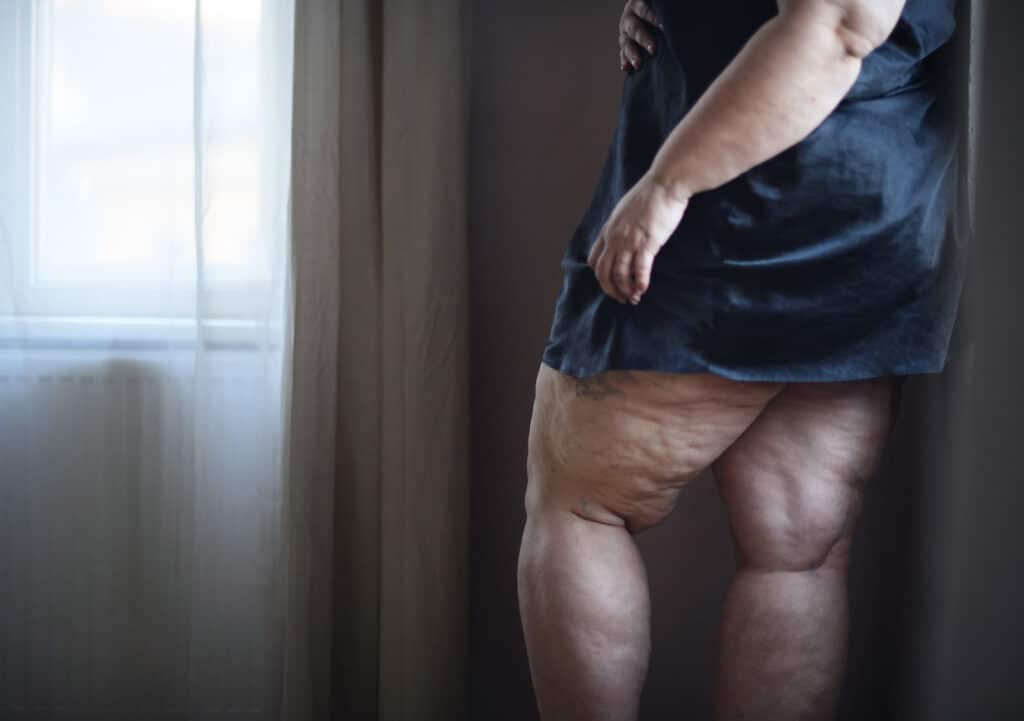
Cosmetic surgery for lipedema has gained attention in recent years. This condition affects many lipedema patients, leading to painful swelling and discomfort, particularly in advanced lipedema stages, often requiring plastic surgery or lipedema surgery. Historically, lipedema was often misunderstood and misdiagnosed. Many women suffered in silence, unaware of their options.
Now, advancements in cosmetic surgery offer hope and relief. Procedures like liposuction can significantly improve quality of life for those who use lipedema. Patients experience reduced pain and improved mobility. These surgeries not only address physical symptoms but also boost self-esteem. Understanding the benefits of cosmetic surgery for lipedema is essential for those affected. It’s time to break the stigma and explore effective solutions.
Key Takeaways
- Lipedema is a painful condition that primarily affects women, causing abnormal fat distribution. Understanding its basics is crucial for effective management and treatment.
- Recognizing the symptoms early, such as disproportionate fat accumulation and tenderness, can help in timely diagnosis and intervention.
- Distinguishing lipedema from obesity is important; lipedema involves specific fat deposits that do not respond to diet and exercise like regular fat does.
- Surgical options, especially liposuction, can significantly improve the quality of life for those with lipedema by removing excess fat and reducing pain.
- Different liposuction techniques have unique benefits; choosing the right method depends on individual needs, so consult with a qualified surgeon for personalized advice.
- Recovery from liposuction involves following specific care tips to ensure optimal healing and results, making it essential to adhere to post-operative guidelines.
Understanding Lipedema Basics
Definition
Lipedema is a chronic disorder. It causes stage lipedema abnormal fat accumulation in the lower body, mainly affecting the legs and buttocks. This condition is often mistaken for regular obesity. Many people do not realize that lipedema is different from general fat distribution issues.
Gender Impact
This disorder predominantly affects women. Studies show that about 11% of women may have lipedema to some degree. Hormonal changes related to puberty, pregnancy, or menopause can trigger its onset of stage lipedema. As a result, many women experience physical and emotional challenges due to this condition.
Misdiagnosis Issues
Lipedema is often misdiagnosed as lymphedema or simple obesity. This confusion leads to inappropriate treatments. Patients may receive advice focused on diet and exercise without understanding the underlying issue. Correct diagnosis requires awareness of specific symptoms, such as disproportionate fat distribution and tenderness in the affected areas.
Importance of Early Diagnosis
Early diagnosis is crucial for effective management of lipedema. Recognizing the signs early can lead to better treatment options. Patients can benefit from a combination of therapies, including manual lipedema extraction and compression therapy. These methods help manage symptoms and improve quality of life.
Stages of Lipedema
Lipedema progresses through stages. Stage one features soft tissue swelling with minimal pain. In stage two, nodules form within the fat, causing discomfort. Stage three involves significant swelling and changes in skin texture. Understanding these stages aids in monitoring the condition’s progression.
Lipedema Recovery
Recovery from lipedema varies by individual. Some may find relief through lifestyle changes, while others might need surgical intervention. Surgical options include liposuction specifically designed for lipedema patients. This procedure helps remove excess fat while preserving surrounding tissues.
Manual Lipedema Extraction
Manual lipedema extraction is a specialized technique used by trained professionals. It involves gentle manipulation of the affected areas to reduce fat deposits. This method can alleviate pain and improve mobility for those suffering from advanced stages of lipedema.
Recognizing Symptoms and Causes
Common Symptoms
Symptoms of lipedema often include pain and swelling in the legs and arms. Affected individuals may notice that their legs feel heavy or uncomfortable. Many report experiencing discomfort when touched, even lightly. The skin can bruise easily, leading to visible marks after minor injuries.
Swelling typically occurs symmetrically in both legs or arms. This is a key sign that helps differentiate lipedema from other conditions. Some people also experience pain that can be chronic. This pain may vary in intensity and can affect daily activities.
Potential Causes
Research suggests that hormonal changes play a significant role in the development of lipedema. Many women report symptoms starting during puberty, pregnancy, or menopause. These life stages involve major hormonal shifts that might trigger the condition.
Genetic predisposition also appears to be a factor. Studies show that lipedema often runs in families. If a relative has it, the chances of developing it increase significantly. Understanding these potential causes helps in recognizing the condition early.
Lifestyle Factors
Lifestyle factors do not cause lipedema. This distinguishes it from obesity or weight gain. People with lipedema may struggle with their body image due to the disproportionate fat distribution. However, diet and exercise alone will not resolve this condition.
Weight loss efforts may not change the symptoms or appearance of lipedema. It is crucial to understand that managing weight does not necessarily alleviate the discomfort associated with this condition.
Types of Lipedema
Lipedema has different types based on where fat accumulates in the body. Type I affects mainly the thighs and lower legs. Type II includes the thighs and buttocks as well. Type III involves the entire lower body, while Type IV affects the arms as well as the legs.
Recognizing these types can aid in proper diagnosis and treatment options. Each type presents unique challenges for those affected.
Importance of Early Diagnosis
Early diagnosis is critical for effective management of lipedema. Misdiagnosis can lead to inappropriate treatments, worsening symptoms over time. Individuals should consult healthcare professionals if they suspect they have lipedema.
Awareness about symptoms and causes empowers patients to seek help sooner rather than later. This proactive approach can improve quality of life.
Distinguishing Lipedema from Obesity
Fat Distribution
Lipedema involves disproportionate fat distribution in the body. This condition primarily affects women. It causes an abnormal buildup of fat, especially in the legs and arms. The fat associated with lipedema is not the same as regular fat found in obesity.
Obese lipedema patients often have both conditions. However, lipedema fat is unique. It tends to be more resistant to diet and exercise compared to general body fat. Many lipedema patients find it frustrating when traditional weight loss methods do not work for them.
Treatment Challenges
Diet and exercise usually help with weight management in obesity. They often lead to noticeable changes in body shape and size. In contrast, these methods have limited effects on reducing lipedema fat. Patients might lose weight but still retain the characteristic lipedematous features.
This resistance can lead to feelings of hopelessness for those affected. They may feel trapped in their bodies, unable to achieve the results they desire. Understanding this difference is crucial for proper treatment and support.
Psychological Impact
The psychological impact of misdiagnosis is significant. Many lipedema patients face misunderstanding from healthcare providers and peers. Some may be mistakenly labeled as simply obese, which can lead to inadequate care.
Misunderstanding can foster feelings of shame or guilt. Patients may believe they are at fault for their condition. This emotional burden compounds the physical challenges they face.
Lipedema comorbidities can also add to the complexity of treatment. Conditions like depression and anxiety are common among those dealing with lipedema. The struggle with body image issues is real and often ignored.
Lipedema Stages
Lipedema progresses through different stages, each with distinct signs. Early stages show a “cuffing” effect at the ankles, while later stages reveal bulky lipedema tissue in the legs. These physical changes can affect mobility and overall quality of life.
Recognizing these stages is vital for effective diagnosis and management. Healthcare providers must understand that lipedema requires specialized care.
Differentiating Lipedema and Lymphedema
Distinct Conditions
Lipedema and lymphedema are often confused. Both conditions affect the legs and can cause swelling. However, they are distinct conditions with different underlying causes and treatments.
Lipedema primarily affects women. It leads to an abnormal accumulation of fat in the legs, hips, and sometimes arms. This condition does not involve fluid retention. On the other hand, lymphedema occurs when lymph fluid builds up due to a compromised lymphatic system. This can happen after surgery or radiation therapy for cancer.
Fluid Retention
Fluid retention is a key difference between these two conditions. In lymphedema, excess fluid accumulates in tissues. This can lead to significant swelling and discomfort. Patients may notice heaviness in their limbs. They might also experience skin changes over time.
In contrast, lipedema does not involve this type of fluid retention. The swelling associated with lipedema is due to fatty tissue buildup rather than fluid accumulation. Patients with lipedema may have tender areas on their legs, but the skin remains intact and healthy compared to those with lymphedema.
Importance of Diagnosis
Accurate diagnosis is crucial for effective treatment plans. Misdiagnosis can lead to inappropriate management strategies. For instance, someone diagnosed with lymphedema might undergo conservative lipedema management methods that do not address the underlying issue of fat accumulation.
Diagnosis typically involves a physical examination by a healthcare provider familiar with both conditions. They will look for specific signs of lipedema, such as symmetrical swelling in the legs and the presence of painful nodules in the fatty tissue.
For advanced lipedema, specialized treatment options exist. These may include liposuction targeted at removing excess fat deposits while preserving surrounding tissues. Other treatments focus on managing symptoms through lifestyle changes and pain relief strategies.
Treatment Options
Treatment for each condition varies significantly. Lymphedema treatment often includes compression garments, manual lymph drainage, and exercises to promote lymph flow. These methods aim to reduce swelling caused by fluid accumulation.
In contrast, lipedema treatment focuses on addressing the fat deposits directly. Patients may benefit from diet modifications and exercise programs tailored to their needs. Some may also explore surgical options when conservative measures fail.
Understanding these differences helps patients seek appropriate care sooner. It empowers them to advocate for themselves within the healthcare system.
Exploring Surgical Treatment Options
Liposuction
Liposuction is a common surgical option for patients with lipedema. This procedure helps to remove excess fat from affected areas. Surgeons use specialized techniques to target fat deposits. Many patients see significant improvements in their appearance and comfort after surgery.
This treatment can relieve pain and improve mobility. Patients often report feeling more active after the procedure. However, it is essential to consult with a qualified plastic surgeon before proceeding. The surgeon will assess each case individually to determine if liposuction is appropriate.
Tissue Removal
For advanced cases of lipedema, tissue removal may be necessary. This procedure involves excision of the affected skin and tissues. Surgeons perform this surgery under anesthesia, ensuring patient comfort throughout the process.
Tissue removal can provide lasting results for many patients. It helps reduce swelling and discomfort associated with lipedema. Recovery time varies based on individual health factors and the extent of the surgery.
Multiple Sessions
Many patients require multiple sessions to achieve optimal outcomes. Each session targets specific areas of concern. Surgeons plan these sessions carefully to maximize effectiveness.
Patients should be prepared for a series of procedures over several months. This approach allows for gradual improvement and minimizes risks associated with extensive surgery at once.
Role of Surgery
Surgery plays a crucial role in managing lipedema symptoms. Reducing fat deposits can lead to improved mobility for patients. Many find that they can engage in physical activities they previously avoided due to discomfort.
Pain relief is another significant benefit of surgical intervention. Patients often experience less pain following surgery, leading to a better quality of life.
Anesthesia and Safety
Anesthesiologists play a vital role during these procedures. They ensure that patients remain comfortable and safe throughout the surgeries. Proper administration of anesthesia contributes to successful outcomes.
Surgeons also prioritize patient safety during all treatments. They conduct thorough evaluations before proceeding with any surgery.
Ultrasound Guidance
e surgeons utilize ultrasound technology during procedures. This technique enhances precision when targeting fat deposits or tissues for removal.
Ultrasound guidance helps minimize damage to surrounding structures, improving recovery times and outcomes.
Liposuction Techniques and Benefits
Water-Assisted
Water-assisted liposuction is a technique that uses a gentle stream of water to dislodge fat. This method allows for a more precise removal of fat from the body. It minimizes trauma to surrounding tissues. Patients often experience less pain and swelling compared to traditional methods.
This technique is especially beneficial for lipedema patients. It helps in reducing the excess fat associated with this condition. The gentle nature of water-assisted liposuction makes recovery easier for many individuals.
VASER-Assisted
VASER-assisted liposuction employs ultrasound technology. This method breaks down fat cells before they are removed. The ultrasound waves target only the fat, leaving other tissues unharmed. This results in less bruising and quicker recovery times.
Patients undergoing VASER-assisted liposuction often report satisfactory results. They appreciate the smoother contours achieved through this specialized technique. For those dealing with lipedema, it can be an effective option for lipedema reduction surgery.
Power-Assisted Liposuction
Power-assisted liposuction (PAL) enhances the efficiency of fat removal. This technique uses a vibrating cannula to help remove fat more effectively. PAL minimizes damage to surrounding tissues during the procedure. This leads to safer outcomes for cosmetic liposuction patients.
Many surgeons prefer PAL due to its safety features. It reduces the risk of complications during surgery. Patients generally experience less discomfort post-operation as well. The efficiency of PAL means shorter surgery times, which is beneficial for both patients and surgeons.
Cosmetic Suction Lipectomy
Cosmetic suction lipectomy is another term for cosmetic liposuction procedures. This technique focuses on aesthetic improvements by removing unwanted fat deposits. Surgeons can tailor the procedure to fit individual needs.
Liposuction treatments can vary widely based on patient requirements. Many people seek cosmetic suction lipectomy to enhance their body shape. This procedure has become popular among those looking for body contouring options.
Smartlipo
Smartlipo is a type of laser-assisted liposuction. It uses lasers to liquefy fat before removal. This method allows for more precise targeting of problem areas. As a result, it can lead to better skin tightening after the procedure.
Patients often choose Smartlipo for its minimal downtime and quick recovery. Many find it appealing because of its dual benefits: fat removal and skin tightening.
Choosing the Best Liposuction Method
PAL Recommendation
Dr. Gutowski recommends Power-Assisted Liposuction (PAL) for patients with lipedema. His extensive experience shows that PAL is effective in removing excess fat while minimizing trauma to surrounding tissues. This method uses a specialized device that vibrates, making fat removal easier and more precise. Many patients report less pain and faster recovery times with PAL compared to other techniques.
The recommendation comes after years of observing patient outcomes. Dr. Gutowski finds that patients often achieve better contouring results with PAL. This method can also reduce the risk of complications like seromas and uneven skin texture.
Lack of Support for Other Methods
Studies comparing liposuction methods often lack conclusive evidence. While techniques like tumescent liposuction and manual liposuction are popular, they do not consistently outperform PAL. Research does not show significant advantages of these methods over PAL for treating lipedema.
Many liposuction surgeries use tumescent fluid to help numb the area and control bleeding. However, the effectiveness varies between patients. The lack of solid data means that patients should be cautious when considering these options.
Consulting Experienced Surgeons
Consulting with experienced surgeons is crucial for choosing the right liposuction method for lipedema. Each patient’s condition is unique, requiring personalized treatment plans. An expert can assess individual needs and recommend the best approach.
Surgeons should have specific training in treating lipedema. They can explain the pros and cons of various techniques, including leg liposuction and manual methods. Understanding each option helps patients make informed decisions.
Choosing the right type of liposuction affects overall success rates and satisfaction levels. Patients should feel comfortable discussing their concerns and expectations with their surgeon.
Recovery Process and Tips
Recovery Timeline
Patients can expect a structured recovery timeline after cosmetic surgery for lipedema. The first week is crucial. Most individuals experience swelling and discomfort during this period. Pain levels vary, but doctors usually prescribe pain relief medication. Many patients return to light activities within a week.
After two weeks, swelling starts to decrease. Patients may notice changes in their body shape. By the end of four weeks, most people can resume normal daily activities. However, full recovery can take several months. It often takes up to six months for the final results to become clear.
Compression Garments
Wearing compression garments is essential during recovery. These garments help reduce swelling and support the healing process. Patients should wear them as directed by their surgeon. Typically, they need to be worn for several weeks post-surgery.
Compression garments apply pressure on the trunk and legs. This pressure helps maintain blood flow and reduces fluid buildup. Many patients find wearing these garments uncomfortable initially. However, they play a significant role in achieving optimal results.
Healthy Lifestyle
Maintaining a healthy lifestyle is vital for long-term success after surgery. Patients should focus on proper nutrition and hydration. Drinking plenty of water aids in recovery and helps manage swelling.
Regular exercise also plays a key role in maintaining results. Light activities like walking can start soon after surgery. As recovery progresses, patients can gradually increase activity levels. Engaging in low-impact exercises supports overall health and helps manage weight.
Avoiding processed foods and high-sugar items will benefit recovery too. A balanced diet rich in fruits, vegetables, and lean proteins promotes healing. Patients should consult with their healthcare team about dietary choices.
Phone Communication
Staying connected with your surgeon through phone communication is important during recovery. Patients should feel comfortable reaching out with questions or concerns. Regular check-ins allow for adjustments if needed.
Surgeons often provide specific instructions via phone calls or messages. They may suggest modifications based on individual progress. Keeping an open line of communication ensures a smoother recovery process.
Anticipated Results and Outcomes
Expected Results
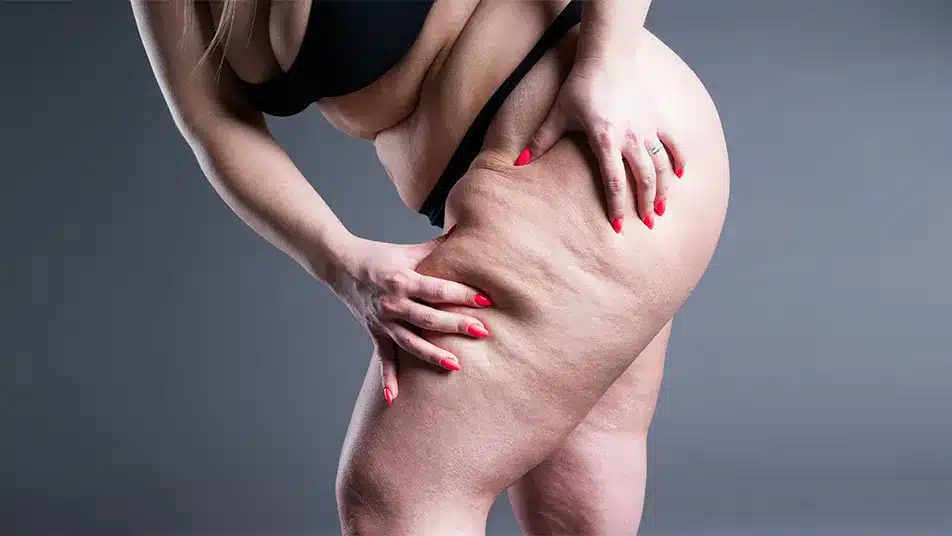
Patients can expect a significant reduction in symptoms after cosmetic surgery for lipedema. Many report less pain and discomfort in the affected areas. Improvement in mobility is also common. Patients often notice a change in the shape of their legs or arms. This change leads to better fitting clothes and increased confidence.
Research studies show that patients experience enhanced quality of life post-surgery. In one study, 80% of participants reported satisfaction with their results within six months. These outcomes suggest effective symptom relief and improved function.
Follow-Up Procedures
e patients may require follow-up procedures to maintain their results. Lipedema is a chronic condition. It might not fully disappear after surgery. Regular assessments can help track any changes over time. These follow-ups can include additional liposuction or other treatments as needed.
Doctors often recommend a personalized care plan post-surgery. This plan may involve physical therapy, lifestyle changes, or support groups. Keeping up with these recommendations helps sustain improvements.
Ongoing Care Importance
Ongoing care is crucial for long-term success. Patients should monitor their condition regularly. Routine check-ups with healthcare providers ensure that any issues are addressed quickly. This approach helps prevent recurrence of symptoms.
Insurance coverage varies for ongoing care and follow-up procedures. Many plans cover initial surgery but may not extend to additional treatments. Patients should check with their insurance providers about coverage details.
Cost Considerations
The cost of cosmetic surgery for lipedema can be significant. Expenses vary based on the area treated and the surgeon’s experience. Patients should prepare for this financial aspect when planning their procedure.
Many clinics offer financing options to help manage costs. Understanding the total costs involved is essential before proceeding with surgery.
Real-Life Experiences
Real-life experiences provide insight into anticipated outcomes. Patients often share pictures showing their transformation after surgery. These images reflect not just physical changes but emotional ones as well.
For example, one patient described feeling liberated after her surgery. She could wear dresses she had avoided for years due to self-consciousness about her legs.
Summary
Understanding lipedema is crucial for those affected. You’ve explored symptoms, treatment options, and the benefits of various liposuction techniques. This knowledge empowers you to make informed decisions about your health and well-being.
Surgical options can significantly improve your quality of life. Recovery may be challenging, but the anticipated results are worth it. If you’re considering cosmetic surgery for lipedema, consult a qualified professional who understands your needs. Take charge of your journey towards relief and confidence today. Your path to transformation starts now!
Frequently Asked Questions
What is lipedema?
Lipedema is a chronic condition characterized by an abnormal accumulation of fat, primarily in the legs and arms. It often leads to pain, swelling, and mobility issues, distinct from general obesity.
How can I recognize the symptoms of lipedema?
Symptoms of lipedema include disproportionate fat distribution, tenderness in affected areas, easy bruising, and swelling that doesn’t respond to diet or exercise. If you notice these signs, consult a healthcare professional.
How does lipedema differ from obesity?
While obesity involves an overall increase in body fat due to excess caloric intake, lipedema specifically affects the lower body with a unique fat distribution pattern, often resistant to weight loss efforts.
Can lipedema be confused with lymphedema?
Yes, though they are different conditions. Lipedema involves fatty tissue buildup without fluid retention, while lymphedema is characterized by swelling caused by lymphatic system blockages. Proper diagnosis is crucial for effective treatment.
What surgical options are available for treating lipedema?
Surgical treatments primarily include liposuction techniques designed to remove excess fat deposits. This can alleviate symptoms and improve mobility. Consult a specialist for tailored recommendations based on your condition.
What are the benefits of liposuction for lipedema?
Liposuction can significantly reduce pain and swelling associated with lipedema. It also enhances mobility and improves overall quality of life by addressing the underlying fat distribution issues.
How long is the recovery process after liposuction for lipedema?
Recovery varies by individual but typically lasts 2 to 4 weeks. Most patients can return to light activities within a week. Follow your surgeon’s post-operative care instructions for optimal healing.