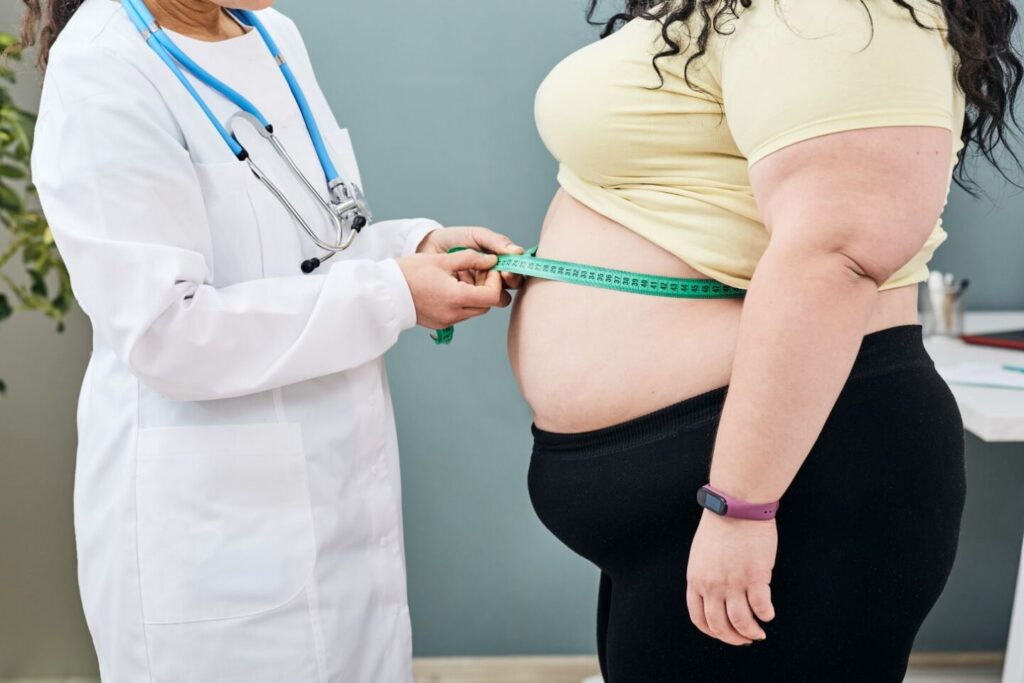
Key Takeaways
- Your ‘hysterectomy pooch’ is usually a combination of fat, loose skin, muscle separation, and hormones and can be resistant to diet and exercise. Consider which of the following things still apply before you resort to liposuction.
- Liposuction is best for patients with stable weight, good health, and good skin elasticity, as the procedure removes fat but cannot repair loose skin or stretched abdominal muscles.
- Wait until you are completely recovered from your hysterectomy and until swelling and inflammation have subsided before pursuing liposuction. Use a readiness checklist to guide the timing for consultations and surgery.
- Talk about scar patterns, old surgical sites, and possible contour irregularities with your surgeon so they can arrange technique and incision placement to reduce visible scarring.
- Think about alternatives and adjuncts like non-surgical fat reduction, skin tightening or abdominoplasty when extra skin or muscle repair is required and weigh the pros, cons and recovery of each.
- Maximize your results by adhering to pre- and post-op instructions, wearing compression garments, maintaining a healthy lifestyle, attending follow-up appointments, and preparing emotionally with clear goals and support.
Liposuction after hysterectomy pooch refers to surgical removal of excess fat from the lower abdomen following a hysterectomy. It’s a postop pooch that all too often comes from muscle laxity, scar tissue and fat redistribution after surgery and menopause.
Candidates must have good skin elasticity and be in good health with realistic goals. Recovery times, risks and combined procedures such as muscle repair impact results.
The article describes options, timing and what to expect at consultation and recovery.
Understanding The Pooch
The hysterectomy pooch is that lower ab bulge some women see post-hysterectomy. It manifests as a localized bulky or soft roll above the pubic bone. This describes what causes that bulge, why it typically defies diet and exercise, and how various tissue types, fat, muscle, and skin, factor in differently.
Here’s how the hysterectomy itself can affect the lower belly. Surgical technique and tissue disruption matter. Incisions, internal scar tissue and pelvic floor changes can shift how the abdominal wall lays. Swelling after surgery is normal and can last weeks to months, so early post-op bulging can just be fluid and inflammation versus permanent alteration.
Common causes are leftover fat, muscle separation and skin laxity. Fat tends to collect in the lower abdomen due to the pull of gravity as well as previous hormonal changes. Most women already sport a “mom pooch” from pregnancy or childbirth when fat cells in the lower belly do not respond to calorie cuts or exercise alone.
Diastasis recti, the split of the rectus abdominis muscles that can occur during pregnancy, weakens the midline support and allows the belly to push forward, contributing to the pooch appearance. It helps to separate contributors: fat accumulation versus skin laxity. Fat is redundant adipose that can be removed through liposuction.
Skin laxity is loss of elastic recoil after stretching, as often occurs after pregnancy, leaving extra folds or loose skin that won’t bounce back after fat is taken away. Muscle factors sit between those two. Weakened or separated muscles change the abdominal contour and often require repair, such as plication during abdominoplasty, to restore a flatter profile.
Why is this area diet and exercise resistant after hysterectomy? Hormonal changes during menopause or following the removal of the ovaries can change how fat is deposited and the metabolism. Scar tissue and a lax abdominal wall diminish the tangible impact of exercise on form.
Swelling hides early progress, and it can take up to a year for swelling to subside and for final surgical results to emerge. Practical alternatives are contingent upon the tissue provoking the bulge. Liposuction addresses fat, but it can’t tighten loose skin or fix diastasis.
It’s important to realize that abdominoplasty focuses on the skin and muscle and can leave pockets of fat behind. We can often recommend combined liposuction with abdominoplasty for both excess fat and loose skin. Postoperative care often involves compression garments for one to three months to restrict swelling and assist the tissues in settling.
Liposuction Candidacy
Liposuction after hysterectomy needs to be timed correctly and carefully chosen. The goal is to eliminate spot fat, not to repair loose skin or weak abdominal muscles. A meta review finds low rates of complications with modern techniques and good patient selection. You should be in good health, at a healthy stable weight, and have clear realistic objectives with your surgeon.
1. The Wait
Ideally, you’d be a good candidate for liposuction once fully recovered from the hysterectomy. Recovery time varies. Minimally invasive hysterectomies often heal faster than open surgeries. Individual healing depends on age, comorbidities, and activity level.
It’s too soon for body contouring. Swelling and inflammation have to settle first so the pooch can be accurately assessed. You can do your final liposuction planning once swelling is minimal, typically several months after hysterectomy.
Create a timeline checklist: surgical dates, progressive healing milestones, clearance from the surgeon, and a pre-op assessment for anesthesia risk. Note that plans can change if complications or delayed healing occur.
2. The Scarring
Hysterectomy incisions may be low transverse, vertical or laparoscopic port sites and can be visible or not depending on their placement and the patients skin type. Liposuction utilizes small, punctate incisions that are typically well hidden in natural skin creases or under clothing. Incision placement does influence ultimate aesthetics.
Healing patterns differ. Hysterectomy scars may be broader, while liposuction sites are narrow and tend to fade. Follow scar track with monthly photos. This assists in follow-ups and planning combination procedures such as abdominoplasty when indicated.
3. The Skin
Skin elasticity significantly influences results. If your skin is loose or stretched, it might not retract well after fat removal, leaving sag behind. Check for stretch marks or previous skin damage. These decrease the skin’s snap back.
Non-surgical adjuncts include radiofrequency, ultrasound, or laser skin tightening, which can help only to a degree. Talk about combo surgery—liposuction and abdominoplasty—since they treat both fat and excess skin at the same time.
4. The Expectations
Liposuction only gets rid of fat. It won’t fix any separated ab muscles or large amounts of loose skin. Don’t assume instant gratification. Most patients get their final result three to six months after the procedure as swelling dissipates. Temporary pain, tenderness, or burning is common for a few days.
You could have asymmetry or contour irregularities and record your aims and objectives on paper and go over them with your surgeon. For patients extracting large amounts of fat, an overnight hospital stay may be required. Compression garments worn for a few weeks reduce swelling and pain.
5. The Alternatives
Non-surgical fat reduction methods like cryolipolysis and radiofrequency provide less downtime and smaller, more gradual changes. Abdominoplasty tightens loose skin and muscle defects and can be combined with liposuction in a single, carefully orchestrated procedure. Lifestyle changes, such as targeted exercise and nutrition, are still the bedrock.
Compare pros, cons, and recovery: non-surgical leads to mild results and minimal downtime. Liposuction allows for more controlled fat extraction and has moderate downtime. A tummy tuck is best for skin and muscle and requires a longer recovery.
Surgical Nuances
No normal liposuction
About: Post-hysterectomy abdominal contouring scar patterns, disrupted tissue planes and altered abdominal wall support post-hysterectomy affect fat excision and skin handling. Surgeons will generally start with some mapping, often using 3D imaging, to log volume, thickness and scar location.
This mapping directs both incision placement and cannula choice and establishes reasonable expectations for shape and firmness while minimizing surprises in the operating room.
Outline differences in liposuction technique for post-hysterectomy patients
Techniques move toward gentler, more precise fat removal and combined maneuvers to tackle the “pooch.” Fewer, strategically located entry points are preferred to minimize additional scarring, with typically 1 to 2 small incisions inserted either within the umbilicus or low in the pubic region.
With specially designed instruments, surgeons can employ more than 30 varieties of custom-made cannulas to address the abdomen, flanks, and back via those very same mini-incisions, giving wide access with no additional external incisions. High-definition or 5D planning can direct anatomy-based designs so the outcome respects body proportions and pre-existing scars.
Lifting liposuction techniques can be incorporated for enhanced skin tone and contour.
Highlight considerations for avoiding previous surgical sites or scar tissue
Careful to avoid any previous hysterectomy scars and associated underlying adhesions. Surgeons go over operative reports, looking at imaging to pinpoint scar depth and location.
Incisions are located to avoid thick scar tissue that may bind fat planes or enhance seroma formation. Working near these scarred zones, surgeons employ smaller-caliber cannulas and slower strokes to minimize tissue trauma.
To decrease external scarring, SmartLipo procedures involve incisions in the navel or pubic crease, with meticulous layer closure. For stretch marks and sagging over scarred areas, adjunct treatments and specialized tools can be incorporated into the protocol.
Discuss anesthesia choices and their implications for safety
Anesthesia is selected according to the volume of liposuction and the patient’s medical condition. Local tumescent anesthesia with sedation fits more limited, focused work and reduces systemic risk.
General anesthesia is typical for larger-volume or combined procedures, where airway control and patient ease are priorities. Anesthesia choices impact hydration, PONV, and ambulation.
Discuss surgical nuances such as previous surgeries and medications as the anesthetic team will customize monitoring and minimize risk.
List specialized tools or technologies that may improve results
Surgical nuances: advanced tools enhance precision and skin response. Quantificare’s 3D imaging has a direct impact on pre-op planning and intra-op guidance.
5D HD liposuction facilitates anatomy-based sculpting. Energy lifters, such as the Velody2 laser, can enhance skin tightness. A variety of cannulas allows surgeons to sculpt via tiny incisions.
Post-op, surgical nuances, including compression garments, lymphatic drainage, and staged follow-ups, assist in managing swelling, correcting irregularities, and aiding skin recovery.
Recovery Realities
Recovery from the combo of hysterectomy and subsequent liposuction around the lower abs has pragmatic realities. Expect layered healing: the body needs time for surgical wounds, internal swelling, and the soft-tissue contour changes liposuction creates. Prepare for paced sleeping, paced movement, and in-person follow up with your surgical team.
Expected downtime and activity restrictions after liposuction
Early rest is generally 48 to 72 hours of minimal activity interspersed with light walks to decrease clot danger. Most people return to desk work in 7 to 10 days if pain is controlled. No heavy lifting, intense core exercise, or waist bending for 4 to 6 weeks.
Do not drive until you can react fast and are off opioid pain meds. If you had a recent hysterectomy, there is still internal healing and likely pelvic swelling, which can lengthen restrictions. Surgeons tend to customize timelines based on whether internal tissues are totally settled, usually after the 6 to 8 week hysterectomy visit.
Common side effects: bruising, swelling, and temporary numbness
Bruising near treated areas is normal and can persist for 2 to 3 weeks. Swelling can be more stubborn. Surface swelling typically gets better within weeks, but deeper internal lower abdominal and pelvic swelling can take months to fade.
Numbness or altered sensation may be experienced temporarily in areas where fat was removed, but nerves typically regenerate over weeks to months. Pain is typically mild to moderate. Anticipate more soreness than stabbing pain. Post-hysterectomy, patients can experience lower abdominal discomfort, some bleeding, and irregular bleeding patterns. Observe for any sudden increase in pain or heavy bleeding and report.
Compression garments and shaping results
Compression items will minimize swelling, provide tissue support and assist the skin in molding to the new shape. Wear as directed—frequently 24/7 for the initial 2 weeks, then during daytime up to 6 weeks.
Proper fit matters: too tight can cause skin marks or circulation issues. Too loose limits benefit. While garments don’t alter permanent fat extraction, they can accelerate the settling of your results and minimize the risk of fluid accumulation.
Daily recovery checklist
- Pain: Track pain score morning and evening. Notice any spike.
- Wound: inspect for redness, increasing drainage, or bad odor.
- Swelling/bruising: photograph daily to monitor changes.
- Urination/bowel: note any difficulty or constipation. Cope with fluids and fiber.
- Energy and sleep: Rest as needed. Anticipate napping and extra sleep in the initial days.
- Diet: Follow a Mediterranean-style plan with protein-rich meals to aid tissue healing.
- Follow-up: Schedule surgeon checks at 1 to 2 weeks and the 6 to 8 week mark post-hysterectomy or post-liposuction, as advised.
- Red flags: fever, severe pain, heavy bleeding, shortness of breath — seek urgent care.
My Perspective
Opting for liposuction after hysterectomy requires sober consideration of timing, health, and expectations. Recovery from the hysterectomy itself commonly involves internal lower abdominal and pelvic swelling that can persist for months. Moving too soon risks resultant poor contour and disappointment.
I trained myself to wait for the swelling to subside, verify stable weight, and consult with a surgeon familiar with the way the tissue transforms following surgery.
Beyond The Scalpel
Holistic wellness supports sustainable body confidence. Diet matters: the Mediterranean diet, rich in plant foods, seafood, and healthy fats, supports healing and may help with weight loss. It includes chicken, eggs, cheese, and yogurt in moderation and limits red meat to about twice weekly.
Combine that eating pattern with pelvic floor-safe, low-impact exercise and you get better results than surgery alone. Walking immediately post hysterectomy, then a time plan for increasing duration and intensity, builds a good foundation. Advance to controlled resistance moves with a target of approximately ten repetitions per set, executed carefully to safeguard healing tissues.
Mix surgical and non-surgical for optimal results. Liposuction can attack those stubborn fat pockets. Tissue laxity, muscle separation, or skin quality can require physiotherapy, targeted strength work, or non-invasive skin-tightening.
Recovery support networks matter. Both practical help with chores and emotional check-ins lower stress, which facilitates healing. Continued self-care, including sleep, hydration, light movement, and nutrient-dense food, maintains gains and decreases the temptation to view surgery as an easy repair.
Emotional Healing
Body changes post-hysterectomy and subsequent procedures like this can bring on complicated psychological responses. For some women, it’s a relief; for some women, it’s a grieving of their previous body or fertility. Positive self-talk and realistic self-appraisal support stabilizing expectations.
Journaling about these small wins, like a pain-free walk or improved posture, provides concrete evidence of progress that soothes the anxious mind. Anything therapeutic or peer support based provides a place to vocalize your fears and make a plan for how to cope.
Celebrate milestones: first pain-free day, first week of consistent Mediterranean meals, or the day you complete a new exercise set. Those markers support identity beyond surface and measure recovery in tangible ways.
The Right “Why”
Be exact for inspiration. Internal motivators, such as health, mobility, and self-care, often yield more rewarding outcomes than external forces like societal standards or the expectations of others.
Make a short list of personal reasons for surgery: improved comfort in clothing, reclaiming physical function, or reducing persistent fat that impedes exercise. Leverage that list to gauge decisions against data and dates.
Separate social pressure from personal necessity and establish specific, significant objectives that inform pre-op preparation and post-op care.
Optimizing Your Outcome
Optimizing your post-liposuction outcome for that hysterectomy pooch involves planning and consistent care from pre-surgery well into the months-long healing process. Step by step and reasonable expectations will determine if the outcome appears natural and endures.
Pre- and post-op instructions aren’t a nice to have. Surgeons provide explicit instructions on medications, smoking, alcohol, and supplements that influence bleeding and healing. Give up smoking at least four weeks prior to surgery when feasible.
Continue with any prescribed antibiotics and pain medicines. Wearing compression garments around the clock, at least for the first week, is a must. It decreases swelling and aids in skin draping over the new contours.

Wear it as directed after that initial week. Most surgeons request many hours per day for several weeks. Going without or untying it too soon can cause swelling, uneven results and delayed healing.
Stay healthy to save results. Liposuction removes local fat and it doesn’t prevent weight gain elsewhere. Eat a plant, seafood, and healthy fat-rich diet for tissue repair and inflammation.
Shoot for lean protein at every meal, lots of veggies, oily fish twice weekly, and sources of monounsaturated fat such as olive oil and avocado. Hydration is key; consume water throughout the day to facilitate lymphatic drainage.
No crash diet post surgery; consistent weight allows the skin to settle and the contours remain steady. Make sleep, particularly during week one, a priority. Sleep lowers stress hormones and maintains immune function.
Sleep on your back or as your surgeon instructs to avoid putting pressure on treated locations. Schedule downtime and enlist assistance for childcare or heavy household work. Expect slow improvement.
Internal lower abdominal and pelvic swelling can persist for months and mask early contour changes. Keep regular follow-up appointments to track progress and handle concerns. Surgeons measure swelling, check incision sites, and guide when to increase activity.
Many patients resume light cardio after two to four weeks and vigorous workouts, including weightlifting, after roughly six weeks with surgeon approval. Document before-and-after photos at set points: pre-op, two weeks, six weeks, three months, six months, and one year.
Photos taken in the same light and pose make changes clear and guide any touch-up decisions. Understand the timeline: liposuction is body contouring, not weight loss. Results evolve gradually.
Most patients reach optimal results at approximately six months, with settling and skin retraction continuing for up to a year. Patience and consistent nourishment produce the most dependable, enduring result.
Conclusion
Hysterectomy pooch: liposuction after hysterectomy pooch Liposuction can remove fat and contour the region. It’s most effective for individuals with firm skin and stable weight. For loose skin or split muscles, include a tummy tuck or muscle repair. Expect pain, swelling, and weeks of slow progress. Choose a board-certified plastic surgeon who shares their before-and-after shots and discusses risks and prices. Schedule time off work and set reasonable expectations. Walking, eating protein, and aftercare will help healing. If in doubt, consult and get a second opinion. Want to find out more or schedule a consult? Contact an expert and begin with a defined roadmap.
Frequently Asked Questions
Will liposuction remove the “pooch” that remains after a hysterectomy?
Liposuction can flatten out a soft, fatty, lower abdominal bulge. It won’t remedy loose skin or separated muscles. Only a consultation with a board-certified plastic surgeon can determine if liposuction by itself will achieve your goals.
How soon after a hysterectomy can I consider liposuction?
Most surgeons will encourage a 6 to 12 month wait after major abdominal surgery to give your body healing time and to ensure your weight is stable. Your surgeon will evaluate scarring, tissue quality and overall recovery prior to booking.
Can liposuction address diastasis recti (separated abdominal muscles)?
Liposuction won’t fix muscle separation. You have to have abdominal muscle repair (abdominoplasty) for diastasis recti. Combined procedures could be an option, but they add to recovery time and risk.
What are the main risks for liposuction after hysterectomy?
Risks are infection, seroma (fluid), uneven contours and delayed healing adjacent to scar tissue. Previous abdominal surgery can complicate matters. Select a qualified and experienced surgeon to reduce risk.
How long is recovery after liposuction on a post-hysterectomy “pooch”?
Anticipate swelling and bruising for 2 to 6 weeks. Nearly all are back to light activity within 1 to 2 weeks and full activity within 4 to 6 weeks. Hysterectomy scars can inhibit local healing.
Will insurance cover liposuction after a hysterectomy?
Liposuction is generally cosmetic and isn’t covered by insurance. If it’s combined with a medically necessary procedure, partial coverage could kick in. Check with your insurer and surgeon up front.
How can I optimize results before and after liposuction?
Keep your weight stable, quit smoking, manage medical issues. Adhere to preop and postop guidelines, use compression wear and follow-up appointments for optimal results.