
Liposuction and tattoos: considerations for inked skin can be a tricky mix. Many people with tattoos wonder how liposuction, a type of cosmetic surgery, might affect their artwork, especially regarding extra skin removal and what a cosmetic surgeon might advise as a plastic surgery member. Will the ink fade? Could the procedure alter the design? These questions are crucial for anyone considering body contouring.
Understanding the relationship between liposuction and your ink is essential. Factors like tattoo placement and healing time play a significant role in the outcome. Knowing what to expect from a cosmetic surgeon regarding liposuction surgery can help you make informed decisions about the arm liposuction procedure. This guide dives into everything you need to know about maintaining your tattoos while enhancing your body through liposuction. Get ready to learn how to keep your ink looking fresh while achieving your desired shape.
Key Takeaways
- Understand how liposuction works and its effects on tattooed skin to make informed choices about your body.
- Be aware of the potential risks associated with liposuction on tattooed areas, including distortion or fading of your ink.
- Consult with a qualified surgeon to determine if you are eligible for liposuction, especially if you have tattoos.
- Consider how the surgical process may impact the appearance of your tattoos, and discuss this with your doctor beforehand.
- Follow post-surgery care instructions to protect your tattoos, including avoiding sun exposure and keeping the area hydrated and moisturized.
- Make hydration a priority before and after surgery to help maintain the quality of your tattooed skin.
Understanding Liposuction and Tattoos
Liposuction Defined
Liposuction is a cosmetic procedure that aims to remove excess fat from specific areas of the body. Surgeons perform this surgery on various sites, including the abdomen, thighs, and arms. The main goal is to improve body contour through liposuction surgery and enhance overall appearance with arm liposuction.
During the liposuction procedure, a surgeon uses a thin tube called a cannula. They insert this tube through small incisions in the skin. The surgeon then suctions out fat deposits. This technique can help achieve desired body shapes.
Tattoo Basics
Tattoos are permanent designs created by injecting ink into the skin’s dermis layer. This layer lies beneath the outer skin surface. Once applied, tattoos can last a lifetime unless removed with special procedures.
Tattooing involves using needles to create patterns or images on the skin. Many people choose tattoos for personal expression or cultural significance. They often become an integral part of a person’s identity.
Interaction Between Liposuction and Tattoos
Interest in how liposuction affects tattoos has grown recently. Many individuals with tattoos consider liposuction treatment when they want to alter their body shape. Understanding the interaction between these two factors is essential for anyone planning cosmetic surgeries.
Liposuction may change the appearance of existing tattoos. Fat removal can shift skin and tissue, potentially distorting tattoo designs. This distortion may lead to unwanted changes in how a tattoo looks after surgery.
For example, if someone undergoes arm liposuction, the tattoo on that arm might stretch or compress. This change could affect its clarity and detail. Therefore, consulting an experienced liposuction specialist is crucial before proceeding with any procedures.
Planning for Surgery
Individuals should plan carefully if they have tattoos and are considering liposuction surgery. Communicating openly with the surgeon about existing tattoos is vital. Surgeons can provide guidance on how best to approach liposuction cases involving inked skin.
etimes, it may be necessary to wait until the tattoo heals completely before undergoing body sculpture surgery. This precaution helps ensure that both the tattoo and surgical results meet expectations.
Risks of Liposuction on Tattooed Skin
Skin Irregularities
Liposuction can lead to skin irregularities. These changes may affect the appearance of tattoos. The procedure removes fat, which can cause the skin to sag or become uneven. This unevenness may distort the design of a tattoo. For example, a smooth tattoo could appear wavy or stretched after surgery.
Tattooed areas might also develop lumps or bumps post-surgery. This happens because the skin’s texture changes during recovery. Such irregularities can make the tattoo look less appealing. Patients should consider these potential complications before undergoing liposuction.
Skin Discoloration
Skin discoloration is another risk associated with liposuction. This issue can impact the vibrancy of tattoos near treated areas. After surgery, some patients experience changes in skin color. The skin may appear darker or lighter than before.
Discoloration can dull the colors of a tattoo. For instance, bright colors may fade into muted shades. This fading occurs due to trauma from the liposuction process. Healing skin often goes through phases that can alter its tone. As a result, tattoos might not look as vibrant as they once did.
Infection Risks
Infection is a significant concern following any surgical procedure, including liposuction. The risk increases for those with tattoos in the treatment area. An infection can cause swelling and redness around the tattoo. This condition can damage both the tattoo and surrounding skin.
Infections may lead to scarring and further complications. Scars from liposuction might interfere with the tattoo’s design. They can create an uneven surface that distorts the artwork. In severe cases, infections could require additional medical treatment or even removal of the tattoo.
Help for Tattooed Patients
Patients considering liposuction should seek professional advice. Consulting with a qualified surgeon is essential. Surgeons can provide information about risks specific to tattooed skin.
Discussing concerns about liposuction scars and potential complications is crucial. Surgeons may offer options to minimize risks and help maintain tattoo quality post-procedure.
Choosing a skilled and experienced provider can greatly reduce risks associated with liposuction on tattooed skin. Proper care during recovery also plays a vital role in preserving both skin and tattoos.
Eligibility for Tattooed Individuals
Medical Evaluation
A thorough medical evaluation is crucial for anyone considering liposuction. This assessment helps determine if a person is a suitable candidate for the procedure. A qualified plastic surgeon checks overall health, medical history, and specific concerns related to tattoos.
Individuals with tattoos should be honest about their inked skin. The surgeon needs to understand the size and location of the tattooed areas. Some people have large tattoos while others may have tiny tattoos scattered throughout their body. Each case requires careful consideration.
Tattoo Location
The location of the tattoo plays a significant role in eligibility for liposuction. Procedures on areas with large tattoos can be complex. Surgeons often worry about damaging the tattoo during surgery. This concern can affect how much fat can be safely removed from those sites.
Tattooed areas may heal differently compared to non-tattooed skin. The healing process can impact the appearance of both the tattoo and the surrounding skin. Therefore, surgeons must evaluate how the procedure will affect the whole tattoo.
Discussion with Surgeon
Discussing any concerns with a skilled plastic surgeon is essential before surgery. Patients should ask about how liposuction will impact their current tattoos. They should also inquire about what precautions will be taken to protect their ink during the procedure.
Surgeons may recommend waiting for a certain period after getting a new tattoo before undergoing liposuction. This waiting period allows the tattoo to heal completely. It also minimizes risks associated with surgery on fresh ink.
Precautions to Consider
Patients need to understand that not all tattoos are created equal. Some may hold more meaning than others, making them more valuable to the individual. Protecting these meaningful tattoos becomes paramount during any surgical procedure.
Surgeons might suggest alternative methods for fat removal if tattoos cover most of the treatment area. Options like non-invasive procedures could provide safer alternatives without risking damage to the tattooed skin.
Impact on Tattoo Appearance
Skin Tightening
Liposuction removes fat and tightens the skin. This tightening can affect tattoo appearance. As the skin stretches and contracts, tattoos may shift or distort. The original design might not look the same after surgery.
For instance, if a tattoo is located in an area where significant fat is removed, it could change shape. This can lead to unwanted results. Those who have intricate designs may find that their tattoos no longer appear as intended.
Color Changes
Skin trauma from liposuction can also lead to changes in tattoo color intensity. During the procedure, the skin experiences stress. This stress can cause temporary discoloration around the tattooed area. The ink may appear lighter or darker than before.
In some cases, colors might fade or become uneven. This is especially true for bright colors like red or yellow. These colors are more susceptible to changes due to skin trauma. Patients should consider this risk before undergoing surgery.
Scar Tissue Formation
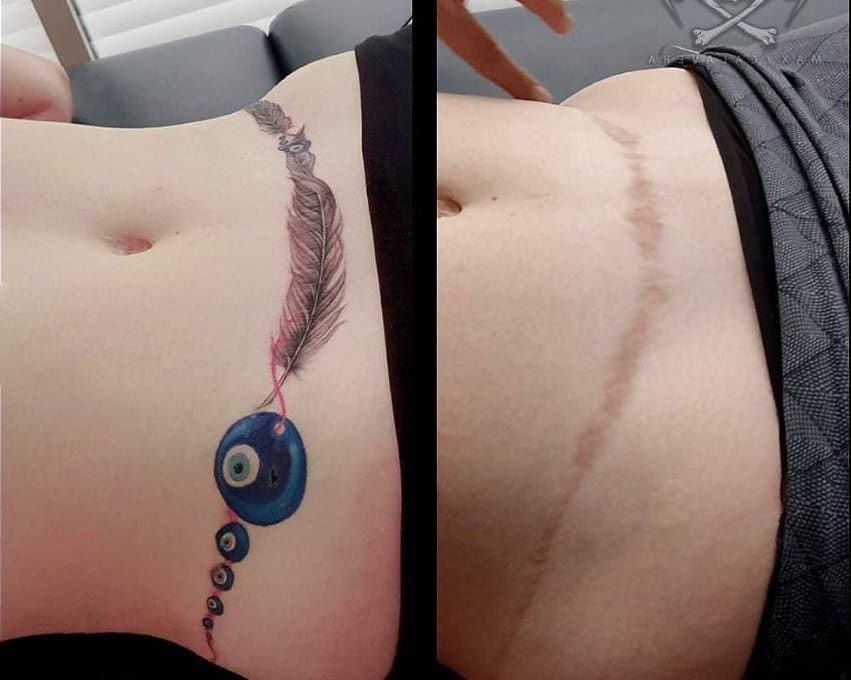
Scar tissue can form after liposuction, affecting tattoo aesthetics. Scar tissue has different properties than normal skin. It can alter how ink holds in the skin. Tattoos over scarred areas may not look as sharp or vibrant.
This irregularity can lead to a patchy appearance. Scarring may also cause distortion of the tattoo’s design. For example, a once-clear image could become blurred or warped.
Infection Risks
Infection is another concern related to tattoos during plastic surgery recovery. If infection occurs, it could damage the tattoo further. Infected areas often show signs of redness and swelling, which can affect color and clarity.
Proper aftercare is essential to avoid these complications. Keeping the tattoo clean and moisturized helps reduce infection risks. Following post-operative instructions from doctors is crucial for maintaining surgery results.
Recovery Time
Recovery time also plays a role in how tattoos appear post-surgery. Initial healing typically takes one to two weeks. However, full recovery can take several months. During this time, patients may notice ongoing changes in their tattoos.
The healing process might reveal new colors or textures that were not visible before. Observing the tattoo during this period is important for assessing any changes.
Tattoo Durability During Surgery
Tattoo Preservation
Tattoos sit in the dermis layer of the skin. This layer is not the primary target during liposuction. Liposuction focuses on removing fat from beneath the skin using a cannula. The cannula’s size and movement aim to break up and suction out excess fat. Since tattoos are embedded deeper, tattoo preservation remains largely intact during these procedures.
Resilience of Ink
Tattoo ink shows resilience during surgical procedures. While the surgery occurs beneath the skin, the tattoo itself often experiences minimal direct damage. Most certified plastic surgeons confirm that the ink can withstand such interventions. Many patients worry about how their tattoos will look after surgery. Fortunately, most tattoo colors and designs remain unaffected by liposuction.
Indirect Effects
Indirect effects may still occur during surgery. Skin stretching can happen as a result of fat removal. This stretching might alter how a tattoo appears post-surgery. For example, a tummy tuck surgery can lead to changes in skin tightness around the tattooed area. If the skin stretches significantly, it could distort the design or color of the tattoo.
Surgical Procedures and Tattoos
Different surgical procedures may impact tattoos differently. Arm surgery procedures can harm tattoos if they involve significant manipulation of the skin. A skilled surgeon understands these risks and takes precautions to minimize potential harm. They may adjust techniques to preserve tattoo integrity during excisional surgery.
Patients should consult with their surgeon before undergoing any procedure. Discussing concerns about tattoos helps ensure proper planning. A certified plastic surgeon can provide guidance on how to protect your ink during surgery.
Complications to Consider
Complications can arise from any surgical procedure. These include infection or healing issues that may affect both skin and tattoos. Proper aftercare is crucial for recovery. Following your surgeon’s advice reduces risks associated with complications.
In summary, while tattoos generally remain intact during liposuction and similar surgeries, indirect effects may occur due to skin changes. Understanding these factors helps patients make informed decisions about their body art and surgical options.
Post-Surgery Tattoo Care
Care Instructions
Following skin removal surgery, specific post-operative care is crucial. Patients should adhere to their surgeon’s instructions closely. This ensures optimal healing and protects the integrity of their tattoos.
Tattooed skin may be sensitive after surgery. It is essential to avoid any harsh products during recovery. Gentle, non-irritating products are recommended for cleaning and moisturizing tattooed areas. Look for fragrance-free options that won’t cause irritation.
Monitoring Healing
Monitoring the healing process is vital. Watch for any signs of infection or complications around the tattooed areas. Symptoms like redness, swelling, or unusual discharge require immediate attention. Early detection can prevent further issues.
Patients should also keep an eye on how the tattoo appears as they heal. Changes in color or texture could indicate a problem. If there are concerns, contacting a healthcare provider is necessary.
Repositioning Tattoos
e patients may need to consider repositioning tattoos after surgery. Procedures like a tummy tuck can change skin placement significantly. This might affect the visibility of existing tattoos.
Consulting with a tattoo artist before surgery can help plan for this. They can provide advice on how to adjust designs or placements as needed. This planning helps maintain the aesthetic appeal of the tattoos post-surgery.
Operative Care
Operative care plays a significant role in recovery. Following all prescribed protocols helps reduce risks associated with surgery. This includes keeping surgical sites clean and dry.
Avoiding strenuous activities is also important during recovery. Activities that strain the body can hinder healing and impact tattoo integrity.
Long-Term Considerations
Long-term care for tattoos after surgery involves ongoing maintenance. Patients should continue using gentle skincare products even after initial healing. This helps preserve the quality and appearance of their tattoos over time.
Staying hydrated and maintaining healthy skin will support overall recovery as well. A balanced diet rich in vitamins can aid in skin health, promoting better healing outcomes.
Protect Skin from Sun
Sunscreen Application
Applying broad-spectrum sunscreen is essential for protecting tattooed skin. Sunscreen helps prevent fading and discoloration of tattoos. It blocks harmful UV rays that can cause damage. Without protection, the vibrant colors of a tattoo may dull over time.
Patients should choose a sunscreen with an SPF of at least 30. This level offers good protection against both UVA and UVB rays. Apply it generously to all exposed areas, especially on tattooed skin. Reapply every two hours, especially after swimming or sweating.
Protective Clothing
Wearing protective clothing is another effective way to shield tattooed areas from sunlight. Lightweight, long-sleeve shirts and pants can cover the skin without causing discomfort. Fabrics with a tight weave provide better protection than loose materials.
Consider using hats to protect the face and neck. A wide-brimmed hat can offer shade and reduce direct sun exposure. This method helps maintain the integrity of tattoos while also protecting the dermis layer from potential damage.
Increased Sensitivity Post-Surgery
Skin becomes more sensitive after procedures like liposuction. This increased sensitivity requires extra sun protection for healing skin. The healing process can take several weeks, making it crucial to guard against sun exposure during this time.
Tattoos may experience changes as the skin heals. The risk of skin discoloration increases if proper care is not taken. Patients need to be aware of their body’s reactions post-surgery. Some might notice uneven skin contours or irregularities in the tattoo’s appearance due to swelling or healing.
Healing Considerations
During the recovery phase, the surface of the skin is vulnerable. Sun exposure can lead to complications such as hyperpigmentation or even scarring. Protecting the area ensures that the deep dermis remains intact and heals properly.
Avoid direct sunlight as much as possible during recovery. If going outdoors, consider seeking shade whenever possible. This practice minimizes exposure and reduces the chance of damaging healing skin.
Long-Term Care
Long-term care involves continued vigilance about sun exposure for tattooed areas. Even after full recovery, maintaining protection remains important. Regular use of sunscreen and protective clothing will help keep tattoos looking fresh and vibrant.
Emphasizing these precautions safeguards both the aesthetic quality of tattoos and overall skin health. Proper care contributes to successful healing following liposuction while preserving the beauty of inked skin.
Hydration and Moisturization Tips
Importance of Hydration
Hydration plays a vital role in skin health. Drinking enough water helps maintain skin elasticity. Well-hydrated skin heals better after liposuction. It also reduces the risk of complications. Aim for at least eight glasses of water daily. This can vary based on individual needs, activity levels, and climate.
Dehydrated skin can lead to issues like dryness and irritation. This is especially true for tattooed areas. Keeping skin hydrated supports the vibrancy of tattoos. Proper hydration encourages faster recovery from procedures like liposuction.
Recommended Moisturizers
Using fragrance-free moisturizers is essential for tattooed skin. These products prevent irritation that can arise from added scents. Look for moisturizers with ingredients like aloe vera or shea butter. These components can soothe and nourish the skin effectively.
Apply moisturizer daily to keep tattooed skin supple. This practice helps preserve the vibrancy of your tattoos over time. Regular moisturizing prevents flaking and fading, which are common concerns for those with inked skin.
Skin Care Routine
A solid skincare routine is crucial for maintaining healthy tattoos. Cleanse the area gently to remove dirt and oil. Follow this with a good moisturizer to lock in moisture.
Consider consulting a dermatologist for personalized recommendations. They can guide you on suitable products based on your skin type and tattoos. Proper care ensures your tattoos stay looking their best.
Avoid using harsh soaps or scrubs on tattooed areas after liposuction. These can irritate sensitive skin and hinder healing. Gentle products support recovery while keeping your ink vibrant.
Healing Process After Liposuction
The healing process after liposuction requires special attention to skincare. Hydration supports recovery by promoting blood circulation and reducing swelling. Moisturizers help combat dryness that may occur during this time.
Be mindful of how your skin reacts post-surgery. If you notice any unusual changes, consult your healthcare provider immediately. They can offer guidance tailored to your specific situation.
Maintaining proper skincare helps ensure that both your body and tattoos recover well from surgery. This approach enhances the overall appearance of your inked skin.
Pensamientos Finales
Navigating liposuction with tattoos requires careful thought. Your ink can be affected by the procedure, so understanding risks and post-surgery care is crucial. Protecting your tattoos during recovery ensures they look their best. Hydration and sun protection play key roles in maintaining your body art.
If you’re considering liposuction, weigh your options and consult a qualified professional. They can guide you on how to keep your tattoos vibrant while achieving your body goals. Don’t rush into decisions—take the time to plan for both your skin and your ink. Your body deserves the best care possible.
Frequently Asked Questions
What should I know before getting liposuction with tattoos?
Before undergoing liposuction, consult with your surgeon about your tattoos. They will assess the tattoo’s location and condition to determine any potential risks or impacts on the procedure.
Can liposuction affect the appearance of my tattoos?
Yes, liposuction can alter the appearance of tattoos. The removal of fat may change the skin’s texture and shape, potentially distorting the ink design.
Are there specific risks for individuals with tattoos during liposuction?
Tattooed skin may have a higher risk of complications like infection or scarring. Discuss these risks with your surgeon to ensure proper precautions are taken.
How can I protect my tattoos during liposuction?
Your surgeon will provide guidelines to protect your tattoos. This may include covering them during surgery and avoiding direct trauma to the area post-operation.
Should I wait to get a tattoo after liposuction?
It’s advisable to wait until fully healed—typically several months—before getting new tattoos. This allows your skin to recover and reduces the risk of complications.
What post-surgery care is recommended for tattooed skin?
Keep tattooed areas clean and moisturized. Follow your surgeon’s instructions for wound care to promote healing and maintain tattoo quality.
How can I keep my skin hydrated after surgery?
Drink plenty of water and use a gentle moisturizer on your skin. This helps maintain elasticity and supports recovery while preserving the integrity of your tattoos.