
Key Takeaways
- Liposuction has side effects ranging from minor bruising and numbness to potentially fatal complications like fat embolism, skin necrosis, and deep venous thrombosis. The risk depends on technique, patient health, and procedure scope.
- Contour irregularities, seromas, infections, fat embolism, and visceral perforation are the most common serious complications. Take baseline photos and watch for shortness of breath, fever, or worsening pain.
- Patient selection and risk assessment are essential. Exclude those with uncontrolled medical issues, poor skin elasticity, or clotting disorders. Consider procedural factors such as volume removed and number of treated areas.
- In the right technical modality and surgeon expertise, complications can be minimized. Anatomical zones should be located preoperatively, and newer methods with proven safety advantages should generally be favored when tailored to patient anatomy.
- Adhere to rigorous perioperative and postoperative protocols with preoperative evaluation, immediate 24 to 48 hour monitoring, compression garments, wound care, and follow-up visits to identify and address complications as early as possible.
- Incorporate practical measures like filling out a standardized risk checklist, taking pre and post procedure photos, informing patients of infection and embolism symptoms, and conducting regular follow ups to monitor recovery and results.
Liposuction complications are undesirable medical issues that can occur after fat removal surgery. They can be as mild as bruising and swelling and as severe as infection, bleeding, fat embolism, and nerve injury. Factors that increase risk are large volume procedures, being in poor health, and providers who aren’t licensed. Early recognition and quick medical care minimize damage. The body goes over common complications, warning signs, and ways to reduce risk.
Adverse Effects
While liposuction can do wonders for your body shape, it has an array of adverse effects. These span from frequent, mild symptoms to uncommon, fatal episodes. Risk and intensity vary with surgeon, patient condition, and procedure invasiveness.
- Common adverse effects include swelling, bruising, pain, and temporary changes in skin sensation, which usually last for weeks.
- Contour irregularities: lumps, dimpling, asymmetry, skin panniculus, folds, wrinkles
- Fluid accumulation includes seroma and hematoma, with seromas occurring in up to 9% of cases.
- Infections: wound infection is less than 3% in inpatient settings and approximately 1% in outpatient settings, with possible progression to sepsis.
- Thromboembolic events include deep vein thrombosis and pulmonary embolism, which is the most common cause of death after liposuction.
- Fat embolism is rare and potentially fatal, with a mortality rate of 10 to 15 percent when it occurs.
- Visceral perforation: rare but serious organ injury
1. Contour Irregularities
Contour deformities—lumps, rippling, patchy skin—are common following liposuction and tend to show up in areas with less skin elasticity. Bad skin recoil or overly aggressive fat removal leaves uneven surfaces and shadows that become even more apparent with motion. Technical factors matter. Uneven cannula passes, inadequate blending between treated zones, and lack of preoperative marking all raise risk. Patient factors count as well. Older patients or those with significant changes in weight experience higher rates. Up to 9% experience soft-tissue depressions or elevations, panniculus, folds, or wrinkles, with dimpling and asymmetry in approximately 2.35%. Before and after photos, carefully measured and dated, lend an objective record and assist in evaluating the need for revision.
2. Fluid Accumulation
Seromas are clear fluid pockets that develop under the skin. They can cause localized swelling, tightness, and discomfort and inhibit healing. Seromas occur in as many as 9% of cases, while hematomas, though less frequent, can cause painful bruised areas. Management spans from conservative compression to needle aspiration or drain placement when fluid lingers. Early identification avoids secondary infection and facilitates recovery, and if fluid recurs, surgical revision or extended drainage may be necessary.
3. Systemic Infections
Strep and staph bugs are common causes of liposuction wound infections. Early signs are increasing pain, redness, fever, or drainage. Wound infection rates are low, less than 3% inpatient and about 1% outpatient, but can progress to sepsis or necrotizing fasciitis in the absence of expedited treatment. Risk is greater with poor sterile technique, long operative times, or compromised immunity. Give patients a symptoms checklist and explicit return instructions.
4. Fat Embolism
Fat embolism is when loosened fat enters circulation and blocks vessels. It may manifest as acute respiratory failure, hypoxemia, encephalopathy, or coma. Fat embolism syndrome is rare but can be fatal, with reported mortality being 10 to 15 percent when it happens. The risk is increased by super high volume and excessively aggressive liposuction. Watch for shortness of breath and neurologic change, as early detection and supportive care are key.
5. Visceral Perforation
Visceral perforation refers to inadvertent injury of organs like intestines or lungs during cannula insertion. It’s uncommon, but it frequently demands emergent operative intervention and results in marked morbidity. Inexperience, poor anatomic knowledge, or aggressive technique heighten risk. Exact cannula control, appropriate depth awareness, and caution intraoperatively reduce the risk of perforation.
Risk Factors
Patient selection determines much of the risk profile for liposuction. A careful preoperative review lowers complication rates and guides realistic planning. Below is a numbered list of patient-specific factors that clinicians commonly weigh when estimating risk.
- Age and skin quality: Older age and poor skin elasticity raise the chance of contour irregularities and the need for adjunct procedures.
- Body mass index (BMI) and obesity: A higher BMI correlates with more bleeding, wound healing problems, and cardiopulmonary stress.
- Medical comorbidities, such as diabetes, hypertension, clotting disorders, and heart or lung disease, increase surgical and anesthetic risk.
- Smoking and nicotine use: Impaired microcirculation slows healing and raises the risk of infection and necrosis.
- Medication and supplement use, including anticoagulants, NSAIDs, and certain herbal supplements, increases bleeding risk.
- Prior surgeries and scarring: Scar tissue can alter fat planes and increase technical difficulty.
- Psychological factors and expectations: Unrealistic goals predict dissatisfaction and poor decision-making about the extent of surgery.
- Allergies and prior anesthesia reactions: A history of adverse reactions changes perioperative planning.
Patient Selection
Risk factors should start with good medical evaluation which means history, focused exam and appropriate labs/imaging to identify occult risks. Screen for clotting issues, cardiac or pulmonary disease, and glycemic control. Eliminate patients with uncontrolled disease and whose skin can’t retract sufficiently enough to provide a good outcome.
Non-smokers and stable weight patients have fewer complications and improved long-term outcomes. Counsel patients on weight loss options when BMI is elevated. Match procedure scope to the patient’s anatomy and goals so the plan is realistic and safe.
Personalized evaluation helps decide single-session versus staged procedures and whether adjunct lifts or skin treatments are needed.
Anatomical Zones
Certain areas are more risky. The abdomen is often to deeper planes close to major vessels. The inner thigh and axillary fold are close to lymphatics and can cause long-lasting swelling. Arms and medial thighs can be subject to contour irregularity if there is skin laxity.
Locations with dense vascular or fibrous tissue, like the back and male gynecomastia zones, require more power and exhibit increased bleeding and seroma risk. Each zone reacts to suction differently, so technique and cannula choice are important.
By preoperatively mapping your target zones, we can clarify the extent of your body contouring needs, help calculate safe fluid and fat removal, and set realistic aesthetic goals.
Technical Modalities
Various methods have different risk profiles. Conventional suction lipectomy is based on mechanical breakdown. Tumescent liposuction injects a dilute local anesthetic and epinephrine into the tissues, which reduces blood loss. Ultrasound-assisted liposuction (UAL) and power-assisted methods can facilitate extraction in fibrous regions. LAL offers a bit of skin tightening but can increase the risk of thermal injury.
Surgeon skill trumps device type in predicting complications.
| Technique | Typical bleeding | Bruising | Reported complication range |
|---|---|---|---|
| Traditional | Moderate | High | 1–5% |
| Tumescent | Low | Low–Moderate | 0.5–3% |
| UAL | Low–Moderate | Moderate | 0.7–4% |
| LAL | Low | Low–Moderate | 0.8–4% |
Safety Data
Liposuction safety data demonstrate overall complication rates, depending on study design, patient composition, and technique. Most large series cite minor complication rates in the vicinity of 5 to 15 percent, with major complication rates at less than 1 to 2 percent. Large registry and retrospective reviews published over the past decade, pooling tens of thousands of cases, find that serious adverse events—deep vein thrombosis, pulmonary embolism, severe infection, or organ injury—are rare when procedures are performed by board-certified plastic surgeons in accredited settings. These figures represent actual risk, not risk-free, and help establish expectations among patients and clinicians.
Major complications are uncommon when experienced surgeons adhere to standard procedures. Thoughtful patient selection and pre-operative testing, intraoperative monitoring, and clear anesthetic plans minimize risk. Just one death from fluid overload emphasizes the importance of clear discussion between surgeon and anesthesiologist regarding anticipated fluid shifts and replacement in large-volume liposuction. That case demonstrates why teams employ checklists to verify limits, IV access, and fluid charting in real time.
It’s important to note that modern liposuction has an impressive safety record if you’re operating within the protocols. Typically used by surgeons, aspirate guidelines suggest restricting aspirate to approximately five liters total in a single session during routine elective procedures. Five liters is about 11 pounds of fat and fluid. Many teams handle massive planned removals as staged operations or employ inpatient monitoring and definitive fluid schedules. Taking out over five liters raises concerns about blood loss, fluid balance, thermal injury with energy devices, and metabolic stress. Surgeons must decide between cosmetic gain and physiologic stress.
Recent studies and registry data demonstrate trending safety in appropriately accredited outpatient, ambulatory settings. Comparative analyses indicate that surgeon experience and facility accreditation predict lower complication rates rather than the technology used. Large database studies identify common minor issues: temporary numbness, contour irregularity, seroma or small infections. Damage to blood vessels upon cannula passage accounts for conspicuous bruising and can increase the risk of hematoma or compromised local circulation. These typically clear on their own but occasionally require drainage or additional treatment.
It’s a preoperative evaluation issue. Surgeons evaluate general health, comorbidities, as well as weight to ideal body weight. The best outcomes and lowest risk are achieved when patients are within approximately 10 to 20 percent of ideal weight and have realistic expectations. Blood clot risk is mitigated by early ambulation, judicious use of chemoprophylaxis, and compression stockings. When teams approach liposuction as a regular procedure performed carefully, catastrophic results are unusual and as uncommon as many other common daily risks.
Clinical Assessment
Clinical assessment of liposuction complications begins with a focused preoperative evaluation that sets the baseline for safety and outcome tracking. Start by taking a full medical history, including prior surgeries, bleeding disorders, medication and supplement use, tobacco and alcohol use, and any history of thromboembolic disease. Ask about comorbid conditions such as diabetes, cardiovascular disease, chronic venous insufficiency, or autoimmune disorders that raise surgical risk. Note prior reactions to anesthesia. Record functional status and social support for recovery. Studies show confirmed complication rates are low overall, at 0.40% in one large series of 246,119 cases, but mortality and serious events, although rare, justify careful screening.
Perform a skin and soft-tissue clinical evaluation. Examine skin quality, striae, old scars and signs of lymphedema or chronic edema. Pinch and evaluate skin for thickness and elasticity to determine the likelihood of it retracting following fat removal. Good candidates have moderate skin elasticity and minimal dermal damage, while poor candidates show severe laxity, massive weight loss changes or extensive scarring that predict contour deformity, which is the most common complication. Note any localized areas of fibrosis or tethering that could restrict cannula access.
Physical exam with standardized measurements and photography. Take and document body contours and circumferences in centimeters, along with accurate mapping of intended treatment areas. Snap some good, repeatable baseline photos from several vantage points. Note skin tone, striae, and vascular markings. Palpate subcutaneous tissue to determine the estimated consistency of fat. If fat is firm or fibrotic, there may be an increased risk of uneven liposuction and contour irregularity.
Pinpoint and record risk factors that affect timing and technique. Consider BMI, smoking status, coagulopathy, and planned combined procedures, as these increase complication rates, which are 2.4% overall and 3.5% when combined. Evaluate for thromboembolic risk. DVT/PE or a prolonged immobilization history is concerning, as PE is the number one cause of death after liposuction. Promote same-day ambulation for prevention. Counsel patients regarding infrequent but serious risks like clinically significant fat embolism syndrome, which has a reported mortality of 10 to 15% in affected cases.
Document pre-operative limb swelling and lymphatic function so it becomes possible to identify late systemic complications which can occur weeks to months after surgery. These complications include edema, lymphedema, wound dehiscence, hypertrophic scars, ecchymosis, and progressive skin laxity. Include postoperative monitoring and emergency evaluation criteria, as unplanned ED presentation is common, approximately 24% of complications. Capture all findings on structured forms for medicolegal clarity and for objective post-operative comparison.
Recovery Protocols
Postoperative recovery after liposuction revolves around pain control, edema management, wound care, and diligent surveillance to detect complications early. Incision sites, vital signs, and symptoms should be checked early and often to reduce risk and guide when to escalate care. The following subheadings divide this into acute and chronic actions, with a practical to-do list of conventional care at the end.
Immediate Monitoring
It is important to frequently check blood pressure, heart rate, respiratory rate, and temperature in the first 24 to 48 hours. Abnormal values may indicate bleeding, infection, or fluid shifts. Check incision sites frequently for spreading redness, spreading bruising, abnormal discharge, or rapidly increasing accumulation that may indicate hematoma or seroma. Early identification of bleeding or fluid accumulation permits rapid drainage or return to theatre if required.
Pain should be managed proactively with prescribed analgesics and multimodal strategies to limit opioid use when possible. Ice packs and elevation help reduce swelling and improve comfort in the early phase. The first 24 hours should be devoted to rest to let the body recover from anesthesia and the physical stress of surgery. A simple monitoring chart that logs vital signs, pain scores, dressing changes, and urine output helps caregivers spot trends. Record entries every few hours in the first day, then at least daily for the first week.
Monitor for your signs of infection—fever, spreading erythema, malodorous drainage or new systemic symptoms, and escalate early. Photobiomodulation (LED light therapy) can be used adjunctively to optimize local circulation and reduce early edema. Provide it when available and appropriate. Keep in close contact with the surgical team during this window for quick evaluation and intervention.
Long-term Care
Follow-up visits at 1 week, 4 to 6 weeks, and later as clinically indicated are necessary to evaluate contour, identify late seromas, and monitor wound healing. Most visible swelling resolves over 4 to 6 weeks. Light residual swelling, firmness, and numbness may persist for months, with transient edema lingering past the 6-week mark in select patients. Map out sensory changes and firmness at every visit to differentiate anticipated recovery from complications requiring intervention.
Compression garments are worn for weeks to provide firm, constant pressure. This controls edema and may even decrease pain. A gradual return to activity is advised. Gentle, low-impact exercise can begin after a few weeks, with progression to more intense activity once cleared, typically around 4 to 6 weeks for heavy lifting or high-impact workouts. Think about lymphatic drainage massage when applicable to improve contour and circulation. Reinforce long-term habits. Weight stability and regular exercise help preserve results and minimize fat reaccumulation.
Checklist — Standard Post-Liposuction Care
- Compression garment: wear daily for several weeks. Make sure they fit correctly.
- Rest for the first 24 hours: limit activity, monitor vitals and incisions.
- Wound care: Keep dressings clean, change them per instructions, and watch for drainage.
- Pain control: follow prescribed regimen. Use non-opioid adjuncts when feasible.
- Activity: Low-impact exercise after a few weeks. Heavy lifting is okay at 4 to 6 weeks.
- Follow-up: One week, four to six weeks, additional visits as needed.
- Adjuncts: Consider LED therapy and lymphatic massage to support healing.
Clinical Insights
Liposuction has expected temporary side effects and less frequent but significant complications. Typical side effects are swelling, bruising, pain, and temporary alterations in skin sensation, usually for a few weeks. The workhorse is still conventional suction-assisted lipectomy. Contour irregularities like dimpling and asymmetry occur in approximately 2.35% of cases. Incision site infections are vanishingly low, approximately 0.02% with contemporary sterile technique, and wound infection rates are less than 3% for inpatients and approximately 1% for outpatients. Seroma and hematoma are rare. Seromas manifest as localized swelling and pain and may require drainage. Fat embolism, though uncommon, can be fatal with reported mortality of 10 to 15%.
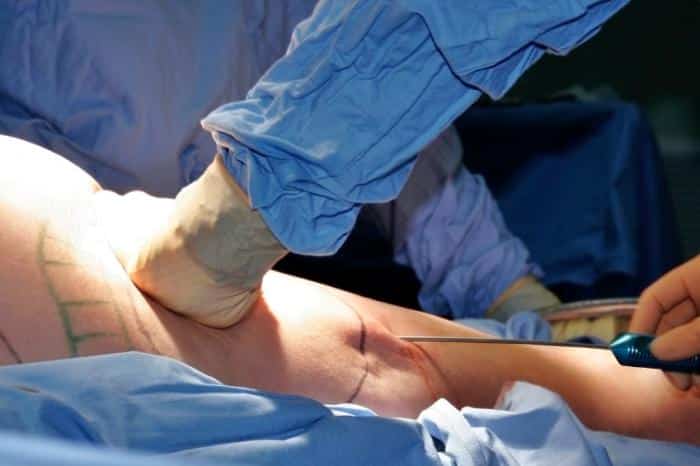
Clinical lessons on prevention and early recognition focus on three linked areas: surgeon skill, patient selection and education, and tailored operative planning. Surgeon skill is important for gentle tissue handling, proper cannula selection, and disciplined suction technique. With experience, you minimize mechanical trauma and therefore reduce your risk of contour irregularity and hematoma. For instance, employing a smaller, blunt-tipped cannula and staged suctioning in thin areas prevents dimpling.
Patient education begins prior to the initial visit. Talk practical aspirations, liposuction limitations, and recovery expectations. Patients who realize that liposuction sculpts, not fixes, minimize frustration associated with asymmetry. Explain common timelines: bruising and swelling peak within days and usually improve over weeks. Advise on symptoms that require immediate attention, such as intense shortness of breath that may represent embolism or increasing pain and erythema that may be a sign of infection.
Personalized planning covers skin quality, BMI and previous surgeries. No big-bang suction in one sitting for patients more prone to edema or lingering inflammation. Pre-op labs and fluid schedules circumvent complications associated with inflammatory marker changes. Keep in mind that liposuction may induce a temporary surge of acute inflammatory markers without a risk of chronic inflammation or kidney disease.
Practical intra- and postoperative steps reduce complications: strict sterile prep to maintain the very low infection rate, careful hemostasis to minimize hematoma, compression garments and drains when indicated to reduce seroma, and staged operations for massive cases. Seromas and wound issues can be promptly drained and treated with clinical insight during early follow-up. Fat embolism prophylaxis involves avoiding aggressive deep suction adjacent to large vessels and monitoring for respiratory or neurologic changes post-op.
| Complication | Risk Factors | Prevention/Management |
|---|---|---|
| Contour irregularity (2.35%) | Over-resection, thin skin, uneven technique | Gentle cannulas, staged suction, touch-up liposuction or fat grafting |
| Swelling/bruising/pain | Normal post-op response | Compression, analgesia, time (weeks) | | Infection (0.02% incision) | Poor sterile technique, comorbidity | Strict sterility, antibiotics when indicated |
| Seroma/hematoma | Excessive tissue disruption | Drains, aspiration, compression | Fat embolism (uncommon, 10-15% mortality) | Deep aggressive suction, large-volume cases | Conservative technique, observation, emergent care |
Conclusion
Liposuction can transform body contours, but it’s got serious risks. Typical side effects are swelling, bruising, and numb areas. Rare but serious harms include infection, blood clots, fluid shifts, and organ damage. Advanced age, superwobonic removal, pre-existing medical conditions, and substandard technique all increase the risk of liposuction complications. Do diligent pre-op screenings, find talented surgeons, know your post-op recovery steps, and serious liposuction complications become far less likely. Follow wound care, ambulate early to reduce clot risk, and monitor for fever or dyspnea. Use example plans: daily walks, a compression garment for two to six weeks, and check-ins at days 1, 7, and 30. Discuss goals, limits, and safety openly with your provider. If you desire a checklist or post-op plan specific to your case, ask for it.
Frequently Asked Questions
What are the most common adverse effects after liposuction?
Typical side effects consist of swelling, bruising, numbness, temporary contour irregularities, and mild pain. The majority clear in weeks to months with appropriate management.
Which factors raise the risk of liposuction complications?
Additional risk factors include large-volume liposuction, obesity, smoking, specific medical conditions such as heart, lung, and clotting disorders, and surgeons with inadequate experience.
What safety data should I review before choosing a surgeon?
Verify board certification, complication and revision rates, facility accreditation, published outcomes, and patient reviews. Request before and after pictures and a record of safety measures.
How is a clinical assessment performed before liposuction?
A clinician reviews medical history, exams body contours, evaluates skin elasticity, and discusses goals. They order tests if needed and explain realistic outcomes and risks.
What are the key recovery protocols to minimize complications?
Follow your wound care, wear a compression garment, avoid heavy activity for a few weeks, attend follow-up visits, and keep your hydration and nutrition well-balanced. Report any fever or severe pain immediately.
When should I seek medical help after liposuction?
Seek care for fevers greater than 38, increasing pain, heavy bleeding, shortness of breath, redness spreading from incisions, or signs of blood clots such as leg swelling.
What clinical insights improve long-term results and safety?
Select an experienced surgeon, schedule conservative volume extraction, make staged procedures when necessary, quit smoking, and adhere to post-op advice for improved results.