
Liposuction for lower belly is a popular cosmetic procedure. It has evolved over the years, becoming a go-to solution for many seeking a flatter abdomen while addressing excess belly fat, abdominal fat, stomach lipo, and tummy tuck techniques. Originally developed in the 1970s, liposuction has transformed with advancements in technology and techniques, improving fat removal results.
This procedure targets stubborn fat, including stomach lipo, that often resists diet and exercise, such as abdomen liposuction and abdominal liposuction surgery, to achieve optimal abdominal liposuction results. Many people find it challenging to achieve their desired look through traditional methods, unlike liposuction results or stomach lipo. Liposuction offers a way to enhance body contours and boost confidence. Understanding the benefits and risks is essential before making a decision. This post will explore everything you need to know about liposuction for the lower belly, including what to expect and how it can help you achieve your body goals.
Key Takeaways
- Lower belly liposuction is a targeted procedure that removes excess fat, but it does not address skin tightening or weight loss.
- It’s important to have realistic expectations; liposuction is not a substitute for a healthy lifestyle or weight management.
- The procedure typically lasts about 1 to 3 hours and may involve local or general anesthesia, depending on the extent of fat removal for stomach lipo.
- While the focus can be on the lower belly lipo, other areas can also be treated during the same session for better overall results.
- To maintain results after lipo, a healthy diet and regular exercise are crucial after the procedure; this helps prevent new fat deposits from forming.
- Don’t believe common myths; consult with a qualified professional to understand what liposuction can and cannot do for you.
What Is Lower Belly Liposuction
Definition
Lower belly liposuction, often referred to as belly lipo, is a type of plastic surgery. This lipo procedure focuses on removing excess fat from the lower abdominal area. Surgeons use specialized lipo techniques to target stubborn fat that does not respond well to diet and exercise.
The goal of this lipo surgery is to contour the abdomen. It helps create a sleek and toned appearance. Many people seek this procedure for aesthetic reasons. They want to enhance their body shape with lipo and boost their confidence.
Procedure Details
During the lipo surgery, a surgeon makes small incisions in the skin. They insert a thin tube called a lipo cannula through these incisions. The cannula helps to suction out fat deposits. Surgeons may use local or general anesthesia for lipo depending on the case.
The amount of fat removed varies by individual. Some might only need a small amount of lipo taken out, while others may require more extensive work. Typically, patients can expect some swelling and bruising post-lipo surgery. Recovery times from lipo vary but usually range from one to two weeks.
Consultation Importance
Consulting with a qualified medical professional is crucial before undergoing lower belly liposuction. A surgeon evaluates each patient’s health and lipo goals during the consultation. This lipo assessment ensures that candidates are suitable for the procedure.
Discussing expectations openly is important. Patients should express their desired outcomes clearly. The surgeon will explain what is achievable through belly lipo. They may suggest alternative options if necessary.
Risks and Considerations
Like any surgical procedure, lower belly liposuction comes with risks. Possible complications include infection, scarring, or uneven results. Patients must weigh these risks against potential benefits.
It’s essential for individuals to have realistic expectations. Liposuction is not a weight-loss solution but rather a body contouring method. Maintaining a healthy lifestyle post-lipo surgery is vital for long-lasting results.
Final Thoughts
Lower belly liposuction can be an effective way to achieve a flatter abdomen. Many individuals find it beneficial for enhancing their overall appearance, lipo. Proper research and consultation with professionals about lipo lead to informed decisions about the procedure.
What Lower Belly Liposuction Cannot Do
Not Weight-Loss
Liposuction for the lower belly is not a weight-loss method. It targets specific areas of fat. Many people mistakenly believe lipo will help them lose significant weight. In reality, it only removes small pockets of fat. The procedure works best for individuals close to their ideal weight, lipo.
This lipo treatment should not replace a healthy diet or exercise. It is meant for those who struggle with stubborn fat that does not respond to lifestyle changes. A balanced approach remains essential for overall health.
Skin Issues
Liposuction does not correct loose skin. After fat removal, some patients may notice sagging skin in the treated area. This happens because the skin may not tighten after fat loss. Those with existing skin laxity issues may need additional treatments. Options include skin tightening procedures or surgical lifts.
Patients should understand that liposuction focuses on fat removal only. It cannot improve skin elasticity or firmness. Consulting a qualified surgeon can provide clarity on what to expect.
Visceral Fat
Lower belly liposuction does not affect visceral fat. This type of fat surrounds internal organs and poses health risks. Conditions linked to visceral fat include diabetes and heart disease. Liposuction cannot remove this harmful fat layer.
Lifestyle changes are crucial for managing visceral fat. Regular exercise and a healthy diet help reduce its presence. Patients should focus on overall wellness rather than relying solely on cosmetic procedures.
Age-Related Changes
The method cannot reverse age-related changes in fat distribution. As people age, body composition shifts naturally. Fat may accumulate in different areas, including the abdomen. Liposuction only removes subcutaneous fat, which lies just under the skin.
Understanding these limitations is vital before undergoing the procedure. Aging affects everyone differently, and results may vary from person to person.
How Lower Belly Liposuction Is Performed
Tumescent Method
The tummy liposuction procedure often begins with the tumescent method. This technique involves injecting a saline solution into the fat layer of the abdomen. The solution contains a mix of saltwater, lidocaine, and epinephrine. Lidocaine numbs the area, while epinephrine helps reduce bleeding.
This step is crucial in making the procedure safer and more comfortable for patients. The tumescent fluid makes the fat easier to remove during surgery. It also minimizes pain and swelling after the operation.
Steps of the Procedure
Performing abdominal liposuction follows a series of steps. First, surgeons numb the skin to prevent discomfort. Next, they make small incisions in discreet areas of the abdomen. These incisions are typically less than an inch long.
After that, they apply the saline solution through these openings. This prepares the fat for suctioning. Then, they use a cannula, which is a thin tube, to suction out the fat. The cannula is inserted into the fatty tissue through the small incisions. Surgeons move it back and forth to break up the fat cells before removing them.
The entire process usually takes one to two hours, depending on how much fat is being removed. Patients can expect some bruising and swelling afterward, but this typically subsides within a few weeks.
Newer Techniques
e newer liposuction techniques, like AirSculpt, allow patients to stay awake during the procedure. This method uses a specialized tool that gently removes fat without traditional suction methods. Many patients find this approach less invasive and more comfortable.
AirSculpt can also lead to quicker recovery times. Patients often return to their daily activities sooner compared to traditional liposuction methods. Such advancements in abdominal liposuction surgery make it appealing for those looking for effective solutions.
Recovery Process
After undergoing liposuction, patients receive specific aftercare instructions. They may need to wear compression garments for several weeks. These garments help reduce swelling and support healing.
Most individuals can return to light activities within a few days. However, strenuous exercises should be avoided for about four to six weeks. Following these guidelines ensures optimal results from the stomach liposuction case.
Can Only the Lower Belly Be Targeted
Targeting Specific Areas
Lower belly liposuction can effectively target the lower abdominal area. This procedure focuses on removing fat deposits that accumulate in this region. Patients often seek this treatment to address stubborn belly fat that does not respond to diet or exercise.
Surgeons use a thin tube called a cannula to suction out the fat. This method allows for precision in targeting specific areas. The lower abdomen is a common concern for many individuals. They find it difficult to tone their stomach muscles, even with regular workouts.
Comprehensive Contouring
Many patients wonder if they can combine lower belly liposuction with other areas. The answer is yes. Liposuction can be performed on multiple regions during one session. Common combinations include the flanks, thighs, and upper abdomen.
Combining these areas can enhance overall body contouring results. A well-balanced silhouette is often the goal of many patients. For example, removing fat from both the lower belly and flanks can create a more defined waistline.
Personalized Consultation
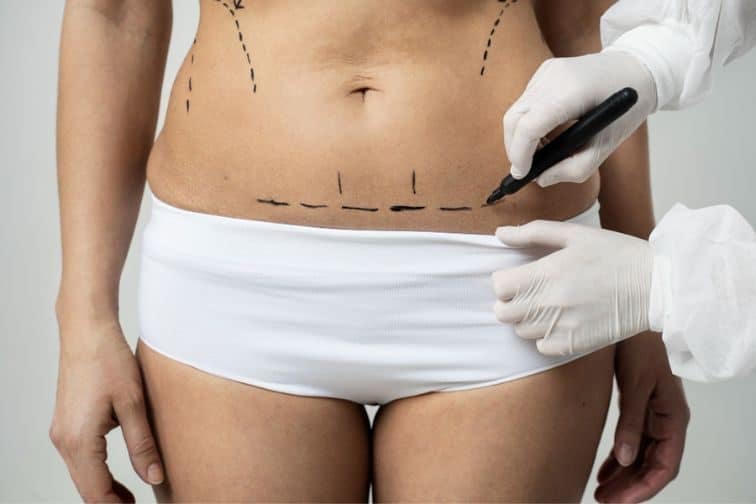
A personalized consultation is essential before proceeding with any liposuction procedure. Each patient has unique needs and goals regarding body contouring. During this consultation, surgeons evaluate the patient’s overall health, skin elasticity, and fat distribution.
Surgeons also discuss the expected outcomes and potential risks. They may recommend additional procedures if necessary. For instance, some patients might benefit from a tummy tuck along with liposuction. This combination can tighten the abdominal muscles while removing excess skin and fat.
Understanding Visceral Fat
Patients should understand the difference between subcutaneous and visceral fat. Subcutaneous fat lies just under the skin, while visceral fat surrounds internal organs. Liposuction primarily targets subcutaneous fat. It does not remove visceral fat, which is deeper in the abdomen.
Addressing visceral fat requires lifestyle changes such as diet and exercise. These changes complement liposuction for improved health and appearance.
Recovery Considerations
Recovery after lower belly liposuction varies by individual. Most patients experience swelling and bruising in the treated area. Following post-operative care instructions helps ensure a smooth recovery process.
Surgeons typically recommend wearing compression garments to support healing and reduce swelling. Patients usually return to normal activities within a few weeks, but full results take time to appear.
Procedure Duration and Anesthesia Options
Duration
The average liposuction procedure for the lower belly takes about 90 to 120 minutes. This time can vary based on the technique used and the amount of fat removed. Surgeons often plan for this duration during consultations. They discuss what patients can expect before, during, and after the surgery.
Anesthesia Types
Local anesthesia is commonly used for this type of surgery. It allows patients to stay awake while the surgeon performs the procedure. Patients may feel some pressure but should not experience pain. General anesthesia is another option. This option puts patients completely to sleep during the surgery. The choice between local and general anesthesia depends on various factors, including patient preference and the extent of the procedure.
Recovery Time
Recovery time varies among patients. Many experience less discomfort with newer techniques. Some methods minimize incisions and use smaller cannulas. These innovations lead to shorter recovery times and less downtime. Patients may return to normal activities within a few days instead of weeks.
Consultation Importance
Consultation with a qualified surgeon is essential before any procedure. Surgeons evaluate specific areas for treatment and discuss concerns with patients. They explain the techniques available and help patients choose the best solution for their needs. Understanding all aspects of the surgery helps reduce anxiety.
Risks and Concerns
Every surgical procedure comes with risks. Possible complications include infection, bleeding, or uneven results. Patients should voice any concerns during their consultation. Surgeons provide detailed information about potential issues and how they manage them.
Aftercare Instructions
After surgery, surgeons give patients specific aftercare instructions. Following these guidelines helps ensure proper healing and optimal results. Patients might need to wear compression garments for several weeks to support recovery.
Final Thoughts
Liposuction can effectively target stubborn fat in the lower belly area. The combination of appropriate anesthesia, skilled surgeons, and advanced techniques contributes to successful outcomes. By understanding the procedure duration and anesthesia options, patients can make informed decisions about their treatment.
Longevity of Results from Lower Belly Liposuction
Permanent Results
Abdominal liposuction results are often permanent in the areas treated. After a certain age, the body stops producing new fat cells. This means that once fat is removed, it typically does not return to those specific areas. However, this does not mean that weight can be ignored after the procedure.
Weight Maintenance
Maintaining a stable weight is crucial for preserving liposuction results. If a person gains weight after surgery, they may notice changes in their figure. The remaining fat cells can expand, leading to an uneven appearance.
Impact of Weight Gain
Significant weight gain can affect the longevity of the results. For instance, if someone loses 20 pounds after liposuction and then gains back 30 pounds, they may see fat returning to both treated and untreated areas. This can diminish the aesthetic benefits achieved through stomach liposuction.
Aftercare Importance
Proper stomach liposuction aftercare also plays a role in maintaining results. Following post-operative guidelines helps ensure healing and reduces risks of complications. Patients should follow their surgeon’s instructions on physical activity and diet.
Long-term Considerations
Long-term lifestyle choices matter. Regular exercise and a balanced diet help keep weight in check. Many patients find that staying active supports their overall health and enhances their body contouring results.
Real-life Examples
Many individuals share success stories about their abdominal liposuction experiences. They emphasize the importance of commitment to a healthy lifestyle post-surgery. Those who maintain their weight often report high satisfaction with their fat removal results over time.
Factors Influencing Liposuction Results
Skin Laxity
Skin laxity plays a significant role in liposuction outcomes. Patients with tight skin often see better results. Loose skin can affect the final appearance after surgery. It may lead to sagging, even after fat removal. The body’s natural aging process also contributes to skin elasticity.
Surgeons assess skin quality before the procedure. They consider how well the skin can retract after fat is removed. If skin elasticity is low, additional treatments may be necessary. These treatments can include skin tightening procedures post-liposuction.
Fat Deposits
Fat deposits vary from person to person. Genetics largely determine where fat accumulates in the body. Some individuals have stubborn fat in the lower belly area. This area might not respond well to diet and exercise alone.
Liposuction targets these specific fat deposits effectively. However, results depend on the amount of fat removed. Removing too much fat can lead to unevenness. Surgeons must balance between sculpting and maintaining a natural look.
Overall Health
Overall health significantly influences liposuction results. Patients should be at a stable weight before surgery. Being overweight or underweight can affect healing and results. Chronic conditions like diabetes or heart disease may complicate recovery.
Surgeons evaluate health during consultations. They check for any medical issues that could impact surgery. Healthy patients generally experience smoother recoveries and better outcomes.
Surgeon’s Skill
The surgeon’s skill is critical for achieving optimal results. Experienced surgeons understand techniques that enhance outcomes. They know how to alter natural fat distribution effectively.
Selecting a qualified surgeon is essential. Patients should review credentials and past work. A skilled surgeon minimizes complications and maximizes aesthetic results.
Post-Operative Care
Adherence to post-operative care affects recovery and results. Patients must follow guidelines provided by their surgeons. This includes wearing compression garments and attending follow-up appointments.
Skipping these steps can lead to complications like fluid buildup or infection. Proper care helps ensure that the body heals correctly and maintains its new shape.
Realistic Expectations
Understanding the limitations of liposuction is vital for patients. Many expect dramatic changes, but results vary based on individual factors. Liposuction is not a weight-loss solution; it sculpts the body.
Patients should discuss their goals with their surgeons openly. Setting realistic expectations leads to higher satisfaction rates after surgery.
Common Misconceptions about Lower Belly Liposuction
Weight Loss Solution
Many people believe that lower belly liposuction is a quick fix for weight loss. This misconception can lead to disappointment. Liposuction is not meant for weight loss. It targets specific areas of stubborn belly fat. The procedure removes excess fat cells but does not replace the need for a healthy lifestyle.
Weight loss should come from a balanced diet and regular exercise. Relying solely on liposuction can result in gaining back the fat removed. This is especially true if unhealthy habits continue after the procedure.
Healthy Lifestyle
A common myth is that liposuction eliminates the need for a healthy lifestyle. Patients often think they can eat whatever they want after surgery. This belief is false. Maintaining a healthy diet and exercising regularly is crucial for lasting results.
Without these efforts, the body may store fat again in other areas. Stubborn belly fat can still return if patients do not change their habits. A commitment to health is essential even after successful fat reduction.
Instant Results
Another misconception involves expecting instant results from liposuction. Many assume they will see immediate changes right after the procedure. However, this is misleading. Patients experience swelling and bruising post-surgery, which can mask the final results.
The recovery period varies for each person but typically takes several weeks. Gradual improvement occurs as swelling decreases and the body heals. Full results may take months to appear, depending on individual healing processes.
Bruising and Recovery
Bruising is a normal part of recovery after lower belly liposuction. Patients often worry about how long it will last. Bruising usually fades within a few weeks, but everyone heals differently. Following post-operative care instructions helps reduce bruising and promotes healing.
Patients must allow their bodies time to recover fully before resuming normal activities. Engaging in strenuous exercise too soon can lead to complications or prolonged recovery times.
Loose Skin Concerns
e individuals fear that removing stomach fat will leave them with excess skin. The degree of loose skin depends on various factors, such as age and skin elasticity. Younger individuals may have better skin elasticity, leading to less loose skin after surgery.
In some cases, patients may require additional procedures to address excess belly skin after liposuction. Consulting with a qualified surgeon can provide more information on available options.
Importance of a Healthy Lifestyle Post-Procedure
Balanced Diet
A balanced diet plays a crucial role in recovery after liposuction. Eating healthy foods helps the body heal and maintain results. Focus on fruits, vegetables, lean proteins, and whole grains. These foods provide essential nutrients that support recovery.
Avoid processed foods high in sugar and fat. They can lead to weight gain and affect your new body shape. Keeping a food diary may help track what you eat. This awareness can encourage better choices.
Regular Exercise
Regular exercise is vital for maintaining results from liposuction. Engaging in physical activity helps keep weight stable. It also tones muscles and improves overall health. Aim for at least 150 minutes of moderate exercise each week.
Start with low-impact activities like walking or swimming. Gradually increase intensity as your body heals. Strength training can also be beneficial. It builds muscle and boosts metabolism, which aids in weight management.
Weight Fluctuations
Avoiding significant weight fluctuations is important for preserving the contoured appearance after surgery. Gaining or losing large amounts of weight can create new pockets of fat. This can diminish the effects of liposuction.
Weight stability keeps your body looking its best. Monitor your weight regularly to catch any changes early. If you notice fluctuations, adjust your diet and exercise routine as needed.
Ongoing Consultations
Ongoing consultations with your medical professional are essential for long-term success. Regular check-ins allow for adjustments to your recovery plan. Your doctor can offer guidance on maintaining a healthy lifestyle.
Discuss any concerns or questions during these visits. They can provide personalized advice based on your progress. Staying connected with your healthcare provider supports accountability and encourages healthy habits.
Emotional Support
Emotional support is also part of recovery. Surround yourself with friends and family who understand your goals. Their encouragement can motivate you to stick with a healthy lifestyle.
Consider joining support groups or online forums focused on post-liposuction care. Sharing experiences with others can provide valuable insights and inspiration.
Final Remarks
Liposuction for your lower belly can be a game-changer. It’s essential to understand what it can and cannot do. You’ve learned about the procedure, its limitations, and the importance of maintaining a healthy lifestyle afterward. This knowledge empowers you to make informed decisions about your body.
Consider this: achieving your desired look takes more than just surgery. Embrace healthy habits to maximize your results. If you’re ready to take the next step, consult with a qualified professional who understands your goals. Don’t hesitate—your transformation awaits!
Frequently Asked Questions
What is the recovery time after lower belly liposuction?
Recovery typically takes one to two weeks. Most patients can return to light activities within a few days, but strenuous exercise should be avoided for at least four to six weeks.
Is lower belly liposuction safe?
Yes, when performed by a qualified surgeon, lower belly liposuction is considered safe. Risks exist, but they are minimal with proper pre-operative assessments and post-operative care.
How much fat can be removed during the procedure?
Surgeons generally recommend removing no more than 5 liters of fat in a single session. This ensures safety and minimizes complications while achieving desired results.
Will I have scars after the procedure?
Lower belly liposuction does leave small scars, but they typically fade over time. Skilled surgeons place incisions strategically to minimize visibility.
Can I combine lower belly liposuction with other procedures?
Yes, many patients opt to combine it with procedures like tummy tucks or thigh lifts. Consult your surgeon to discuss personalized options and benefits.
How soon will I see results from lower belly liposuction?
Results become visible within a few weeks as swelling decreases. The final outcome may take several months as your body continues to heal and adjust.
What lifestyle changes should I make after the procedure?
Adopting a healthy lifestyle is crucial for maintaining results. Focus on balanced nutrition, regular exercise, and hydration to support long-term success.