Key Takeaways
- GLP-1 drugs can alter fat distribution dramatically. They reduce visceral fat, which is associated with risk, but cannot be liposuctioned.
- Liposuction is best used to remove subcutaneous fat. Its results are optimized when your weight is stable, you have good skin quality, and your surgeon tailors your procedure after GLP-1 use.
- You should be at a stable weight to consider liposuction because if you’re fat, then lose weight, your skin will probably sag.
- Advanced liposuction techniques and a personalized approach may be necessary in those who have lost weight with GLP-1 medications, addressing areas of uneven fat.
- Pairing liposuction with other treatments and incorporating lifestyle modifications such as eating nutritiously and exercising consistently can aid in sustaining results and overall health.
- Knowing the price, whether insurance covers it, and the role of mental health support are important for those considering liposuction after GLP-1 weight loss.
Liposuction correcting uneven fat after GLP-1 is when you use liposuction to smooth out leftover fat lumps or dips that can appear after weight loss from GLP-1 drugs.
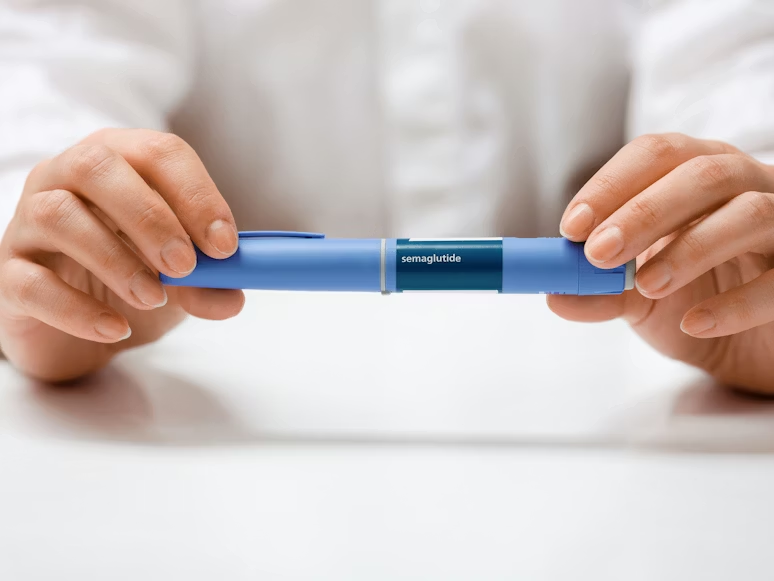
These drugs, such as semaglutide, can result in rapid or significant fat loss, which can occasionally leave skin sagging or fat lumpy.
All of us desire a more sculpted figure post-weight loss. To understand what to anticipate, it helps to understand how liposuction corrects uneven fat post GLP-1.
Understanding GLP-1 Weight Loss
GLP-1 drugs assist individuals with losing weight and improving metabolic health. These drugs act by imitating natural appetite and blood sugar hormones. Individuals generally require continuous doses, and the monthly expenses can accumulate.
For those who hit or come close to their goal weight on GLP-1s, most are recommended to maintain their weight for six to twelve months before considering body contouring procedures such as liposuction.
GLP-1 therapies alter the way fat is stored and utilized. They assist in reducing body fat, and the shifts might not be uniform. Some individuals shed more deep belly fat, while others shed more subcutaneous fat.
Even those who drop 15 to 20 percent of their initial weight may have residual stubborn fat or loose skin that medicine can’t repair. That’s why liposuction post-GLP-1 weight loss is more prevalent. Others go for a “GLP-1 makeover,” perhaps with liposuction, skin tightening, or fat transfer to improve shape and symmetry.
Visceral Fat
Visceral fat is the deep fat that is packed around organs inside the belly. Excess of it increases the risk for heart disease, type 2 diabetes, and other health issues. GLP-1’s specialty is shrinking this fat.
By altering the way your body utilizes sugar and fat, these medications help your body burn more stored fat and reduce hunger signals. Visceral fat is unlike subcutaneous fat, which lies directly beneath the skin and defines body contours.
Liposuction can’t touch visceral fat. Surgery only extracts fat from beneath the skin. Therefore, even following substantial weight loss, some health risks from visceral fat could linger if it’s not lowered by medication or lifestyle.
Subcutaneous Fat
Subcutaneous fat is the soft fat under the skin. It impacts physique and clothing fit. GLP-1 meds can aid in the reduction of these fat stores, but the outcomes are not always uniform.
Some will still see fat pockets that do not seem to lose much size, even after significant losses elsewhere. Liposuction fights these hard-to-lose places. It works better on subcutaneous fat than any other.
Taking out this fat can level off lumps and bumps, even out those trouble spots, and enhance your natural shape. This is particularly the case for those who can’t eliminate these areas through exercise or non-invasive treatments.
Smoother body lines and more symmetry are the primary aesthetic advantages of eliminating subcutaneous fat.
Hormonal Influence
GLP-1 medications manipulate hormones that regulate appetite, satiety, and fat storage. These changes lead to improved appetite regulation and cause the body to burn fat instead of storing it. Following weight loss, hormone levels can influence the distribution of fat loss and body sculpting.
Balancing hormones is the secret to permanent fat loss. If hormones are out of whack, the fat could return or shift to different areas. Hormones affect the effectiveness of liposuction, skin tightening and tissue healing post-surgery.
It can take between six and twelve months for all your final liposuction results, including full skin retraction and tissue settling, to show.
How GLP-1s Influence Liposuction
GLP-1 meds, such as semaglutide and tirzepatide, revolutionized weight loss, with patients frequently losing anywhere from 11 to 30 percent of their body weight. This rapid, medically induced weight loss doesn’t always translate to smooth outcomes. Fat loss is generalized, not specific, so there can be uneven fat residual in certain areas.
For many, this is where liposuction enters the picture as a means to refine body contour and address these new trouble areas.
1. Patient Candidacy
Stable weight is key prior to surgery. Liposuction is most effective when patients have maintained weight loss for a few months post GLP-1 treatment. Physicians consider tissue quality because GLP-1 patients frequently have more lax skin and varied fat consistency versus diet and exercise-driven weight loss individuals.
Medical checks are required as GLP-1s slow stomach emptying and increase risks with anesthesia. A comprehensive health evaluation and candid discussion of body goals assist in determining if liposuction is safe and valuable for each individual.
2. Surgical Timing
Timing is everything. Surgeons typically wait until weight has plateaued for at least three to six months post-GLP-1 usage. This allows the body to acclimate, tissues to settle and gives us an easier time to determine what areas really need work.
Jumping into surgery too soon can mean more risk. Skin can continue shrinking or shifting, which can alter results. Taking time reduces the risk of having to do more later.
3. Technique Modification
GLP-1 patients might require special liposuction techniques. Sophisticated choices, such as Lipo 360, sculpt the entire torso in a single appointment, treating diffuse irregularity.
These precision tools allow the surgeons to extract small, stubborn pockets of fat, particularly in areas where fat tends to stick around after major weight loss. Each surgeon has their own approach, selecting the appropriate instruments and strategy for each patient’s specific fat and skin composition.
All the while, each step endeavors to impart sculpted form and even contours, even when tissue acts unexpectedly.
4. Combined Procedures
Liposuction isn’t always sufficient after significant weight loss. Others require additional surgeries, such as tummy tucks, to tackle loose skin. When you combine these two treatments in one plan, it can spare you extra recovery time and create better, more natural contours.
Thoughtful planning prevents complications and ensures that every aspect of your body is in harmony. A team approach, occasionally with more than one specialist, may provide optimal results in complicated scenarios.
5. Long-Term Stability
Maintaining a stable weight post-surgery is critical. Patients must adhere to healthy lifestyle habits, consistent activity and nutritious eating, to maintain new contours.
Doctors might recommend follow-ups and support programs to catch issues early. Lifestyle, as much as surgery, is the key to long-term success. Follow-up care and support safeguard results for years ahead.
The Ideal Candidate
Candidates for liposuction following GLP-1 treatment typically desire to correct irregular fat, but not everyone is an appropriate surgical candidate. The optimal candidates have plateaued in weight, have good skin, and have an educated expectation. Proximity to a target weight and accessible goals both play huge roles in long-term results.
Weight Stability
- Our perfect candidates are four point five to seven kilos from their goal weight.
- Weight must be stable for three to six months prior to surgery.
- Surgery is optimally performed 12 to 18 months after discontinuing GLP-1 therapy.
- Stop GLP-1 medication for at least six weeks before and six weeks after surgery.
- A stable weight lowers risks during and after surgery.
Weight fluctuations can alter the ultimate liposuction shape. If you lose or gain weight post-surgery, the results won’t endure. Rapid weight loss, like 25 kg in eight months with semaglutide, can leave you with uneven fat and loose skin left over, complicating surgery planning as well.
The secret is thinking longterm about weight management. Maintaining a stable weight allows your body to heal and provides the greatest opportunity for crisp results. Eating well and staying active pre-surgery can ease recovery.
Skin Quality
Skin that snaps back after stretching is essential for a smooth appearance post fat removal. Those who have good skin elasticity get better results. Age, genetics, and rate of weight loss all impact skin quality.
They check at check-ups to see if the skin will retract or sag. If the skin is too lax, additional surgery such as skin excision may be required for an optimal result. For instance, patients who rapidly lost weight on GLP-1s typically have thin, loose skin in comparison to those with slow, steady loss.
After surgery, a certain amount of skin tightening occurs over time. Non-surgical treatments can assist skin in tightening, and the ultimate appearance can require 6 to 12 months. Good skin quality translates into less additional fixes.
Realistic Expectations
- Liposuction contours the body. It can’t repair skin flaws.
- Results depend on body type, skin, and healing.
- It can take up to a year for the final results and skin settling.
- Talking openly with the surgeon helps set clear goals.
Everybody’s body is different. Significant weight loss or asymmetric fat can mean surgery can only do so much. Awareness of this can assist patients in feeling good about their momentum and not anticipating perfection.
Transparent conversations with your surgeon on what is and isn’t changeable are crucial. Patients who internalize these constraints typically are more satisfied with their outcomes.
The Surgical Journey
Liposuction can balance out the uneven fat left behind after GLP-1 weight loss, but the process is step by step. These process steps count for safety, for results, and for a better overall experience.
- Consultation:
Evaluation starts with a comprehensive consultation. The surgeon discusses the patient’s complete medical history including prior GLP-1 use and screens for health risks. It focuses on objectives like evening out uneven fat deposits and a natural appearance.
Surgeons verify if patients have maintained a stable weight for a minimum of 3 to 6 months and are 4.5 to 7 kgs from their ideal weight. Imaging and body measurements assist in delineating treatment zones and managing expectations. This planning is important as body contouring after large weight fluctuations can be tricky, with increased minor complication rates, typically wound-related.
- Preparation:
Preparing for surgery includes pre-op instructions in detail. Patients need to discontinue GLP-1 drugs at least six weeks ahead of their operation to reduce the likelihood of healing complications. Blood work and medicine checks are necessary.
It’s strongly recommended that you have someone to assist you at home, at least for the initial days. Patients are instructed to steer clear of specific supplements, tobacco, and alcohol for optimal healing. There’s mental prep—knowing what to expect can relieve anxiety and keep you motivated for aftercare.
- Surgery:
During the surgery, doctors utilize small cuts to take away excess fat. This step is technical and artistic, as it sculpts the body into a more even shape. Advanced imaging and mapping assist in directing fat extraction, particularly when faced with irregular pockets from past weight loss.
The surgery is typically performed under general or local anesthesia, depending on treatment severity.
- Recovery:
The vast majority of patients are discharged the same day. Swelling and bruising begin to subside over the first few weeks with compression garments worn for four to six weeks to support skin retraction and minimize swelling.
You see results around the three-month mark, but the ultimate shape can take six to twelve months as the skin tightens and collagen builds. Patients are typically able to resume day-to-day activities within days and gradually increase the intensity of physical activity after three to four weeks.
Daily maintenance, similar to exercise and eating right, helps preserve your results and keep fat at bay.
Beyond The Scalpel
Fixing lumpy lipo after GLP-1s frequently demands more than surgery. We all want the magic bullet, so it’s useful to understand how non-invasive methods, lifestyle changes, and mental health can contribute to sculpting superior, longer-lasting results.
Non-Invasive Options
Non-invasive body contouring options, such as cryolipolysis (fat freezing), radiofrequency, and ultrasound therapy, have gained traction for tackling persistent fat. Devices like CoolSculpting and SculpSure apply controlled cooling or heat to destroy fat cells in treated areas.
CHOOSE YOUR WEAPON These are the methods people pick when they want to avoid scars and downtime. When paired with liposuction, non-invasive modalities can assist in evening out minor lumpy areas and maintain gradual skin tightening.
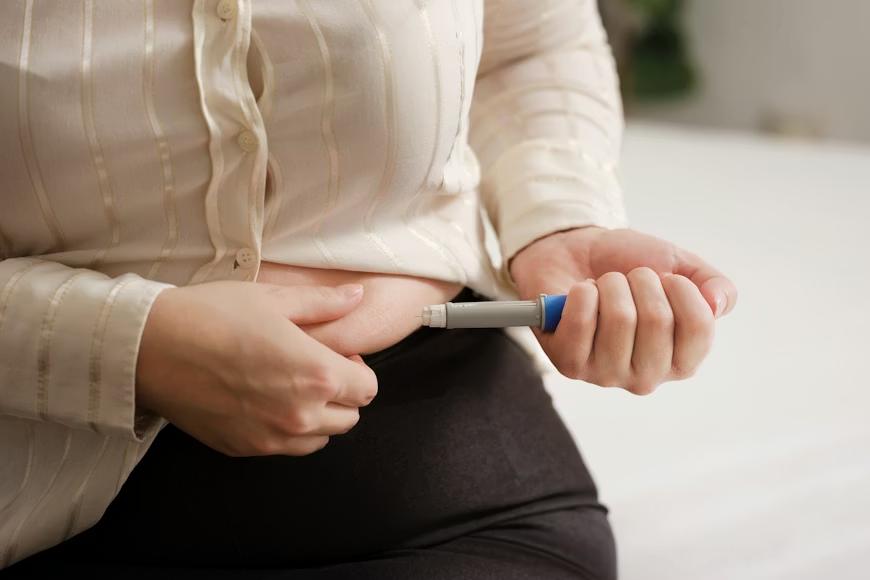
For instance, post-surgical liposculpture BodyTite and Renuvion employ radiofrequency to stimulate collagen generation, resulting in a delayed skin tightening effect lasting three to six months. This is particularly beneficial for patients with mild skin laxity following an eleven to thirty percent body weight loss from GLP-1s.
Technology keeps enhancing these treatments, providing greater results with reduced risk. For most, combining surgery with non-invasive devices results in more predictable and natural-looking results, especially when weight has been stabilized for three to six months.
Lifestyle Integration
- Consume a balanced whole foods diet that includes lean protein and fiber.
- Keep moving with strength and aerobic exercise.
- Drink enough water to keep your metabolism and skin in high gear.
- Enough sleep and stress management will help you keep the results.
Nutrition and exercise maintain results hard post-liposuction. These habits keep new fat from coming back and help the skin re-contour as the body recovers. Continued encouragement from coaches or support groups can help make these modifications easier to maintain.
Lifestyle fixes are crucial for halting weight regain. Those who make these changes early tend to experience more sustainable results following body contouring, particularly if they maintain a consistent weight for a few months prior to surgery.
Mental Health
Cosmetic surgery can evoke a wide range of emotions, from optimism to nervousness. Tending to your mental health pre and post-surgery prepares patients to establish realistic expectations and adjust to their new appearance.
Patients with a good body image tend to repair more quickly and feel more fulfilled as the results present themselves, typically two to four weeks after, with final results in six to 12 months. Support groups provide a safe environment to discuss struggles and successes.
There is something comforting about meeting and bonding with others who ‘get it’ because they walked the same path. This sense of community support can be as important as physical healing.
Financial Considerations
Liposuction to correct uneven fat post GLP-1 weight-loss is a major financial investment. Patients who understand the full cost — surgery, aftercare, surprises — are better able to plan responsibly. Price varies based on a combination of variables, and most patients will have to investigate financing because insurance almost never pays for cosmetic treatments.
| Factor | Impact on Cost |
|---|---|
| Location | Prices vary by country or city |
| Surgeon’s Experience | Higher expertise, higher fees |
| Extent of Surgery | More areas, greater cost |
| Additional Procedures | Adds to total (e.g., skin removal) |
| Facility Fees | Hospital vs. outpatient clinic |
| Anesthesia | Type and duration affects cost |
| Post-Op Care Needs | Adds to long-term spending |
| Recovery Time | Potential for lost wages |
Procedure Costs
| Procedure Type | Typical Cost (USD) |
|---|---|
| Small area liposuction | $2,000 – $5,000 |
| Large/multiple areas | $6,000 – $12,000+ |
| Skin removal/body contour | $8,000 – $20,000+ |
Costs vary depending on the location of the procedure. Major cities and countries with a high cost of living generally lead to higher rates. Here I refer most specifically to plastic surgeons. Those with more experience or specialized training may charge more, but some people value this for peace of mind and better outcomes.
Each patient should request an itemized estimate. Sometimes the advertised prices only include the surgeon’s fee and exclude anesthesia, facility, or follow-up appointments. Other expenses may be lab tests, medical clearance, and take-home supplies.
If you require more than liposuction, like skin removal after massive weight loss, the overall cost can climb rapidly. These additional processes can easily multiply the total cost by two or three.
Insurance Coverage
Almost all insurance plans won’t cover liposuction post GLP-1 weight loss. The procedure is considered cosmetic and not medically necessary, even in cases where there is residual uneven fat or loose skin. Patients should inquire with their insurance carrier for specifics prior to scheduling surgery.
In rare instances where a procedure is considered medically necessary, such as addressing skin folds that lead to infection, insurance could foot some of the bill. Such cases are unusual and require robust evidence.
Without insurance assistance, out-of-pocket costs can be high. Payment plans, medical loans, or healthcare-specific credit cards can help distribute the expense. A few clinics provide in-house financing or discounts when several zones are treated at the same time.
Post-operative care is something that you need to budget for. Compression garments, follow-up visits, and medication can accumulate to hundreds or even thousands of dollars. Recovery can imply lost work, thus affecting income and capping finances even more.
Conclusion
Liposuction can help fix uneven fat that remains after GLP-1 weight loss. Patients see better shape and smoother lines with focused work. It’s best for people with stable weight and good skin tone. The steps remain transparent, from initial conversation to final checkup. Aftercare and proper habits maintain the results. Prices vary, so candid conversations with a care team establish realistic expectations. For many, combining GLP-1s with intelligent surgery delivers the equilibrium that diets and drugs cannot provide. If you want to feel comfortable in your own skin again, consulting an expert doctor is the best next step. Consult a board-certified surgeon to discover what suits your body and objectives.
Frequently Asked Questions
Can liposuction fix uneven fat after GLP-1 weight loss?
So yes, liposuction can fix uneven fat after GLP-1. It can sculpt the body and achieve a more harmonious silhouette.
Is it safe to get liposuction after using GLP-1 medications?
Liposuction is generally safe post-GLP-1 if you’re otherwise healthy and your weight has plateaued. As always, talk to a board-certified surgeon for an in-person evaluation.
Who is an ideal candidate for liposuction after GLP-1 therapy?
Best liposuction for GLP-1 uneven fat correction: Be in overall good health and have realistic expectations.
How long should I wait after GLP-1 therapy before getting liposuction?
Doctors usually suggest that you wait until your weight has plateaued for at least six months post-GLP-1. This helps guarantee optimal and safest results.
Will liposuction results last after GLP-1 weight loss?
Liposuction results are permanent as long as you maintain a stable weight. Weight gain can impact results.
What are the risks of combining GLP-1 therapy and liposuction?
Risks can be infection, uneven results, and healing issues. Deciding on a skilled surgeon and following all medical recommendations minimizes these risks.
How much does liposuction cost after GLP-1 weight loss?
Prices depend on location, surgeon, and area treated. On average, you can expect to pay €2,000 to €6,000 per session. Don’t hesitate to request an itemized quote in consultation.