
Key Takeaways
- Lumps and bumps are normal and to be expected. These usually are due to swelling, fat necrosis or fluid accumulation, and they tend to get better with time.
- Normal lumps are generally firm or tender to the touch but not painful. Whether or not they are visible, they can differ in size, shape, and texture depending on the area treated.
- Abnormal signs that should prompt you to call your surgeon include persistent pain, extreme swelling, redness, fever, or discharge. These can be signs of complications and should be treated like emergencies.
- Daily use of compression garments and light self-massaging can have a major impact on lump development. Staying hydrated and eating a nutrient-rich diet will aid in your recovery.
- It’s normal to have temporary skin irregularities like dimpling or uneven texture during recovery. These problems usually go away as your skin adjusts to the surgical alterations.
- If lumps do not improve within 6 to 9 months or worsen over time, consult your surgeon for professional evaluation and potential treatment options.
When recovering from lipo, lumps and bumps may be the last thing you want to see. These lumps and bumps are usually the result of swelling, seroma, or the tissue simply settling into the new landscape.
So while these responses ARE issues, most are completely normal and will go away on their own in time. If they continue or appear out of the ordinary, you should investigate further.
Understanding the difference between typical post-lipo changes and potential concerns can help you stay informed and manage your recovery effectively. Compression garment use, massage, and your body’s natural healing all factor into smoothing these areas out.
Knowing what’s normal and what’s not ensures you can recognize when to consult your provider for guidance or reassurance during your recovery journey.
What Are Lumps And Bumps?
Definition Of Post-Lipo Lumps
Lumps and bumps after liposuction are small, firm areas that can occur as your body changes and heals in the postoperative period. These sensations are usually just an expected part of the body’s natural healing process. You may experience tenderness when touching the area, most notably during the first few weeks.
Generally, they are due to localized swelling or fat necrosis, where the fat cells die and harden beneath the skin. This can form spots that appear dimpled or even puffed up. Although these changes can be worrisome upon first appearance, they are most often not an indication of anything major.
For example, the body creates lumps as it heals and rebuilds tissues. This allows it to create fibroblast fibers, as well as collagen, to rejoin the torn tissues and stop the ongoing injury.
Causes Of Lumps After Liposuction
Here are some reasons post lipo lumps can occur. Things that can cause these lumps and bumps are fat necrosis, fluid collections (seromas), and ecchymosis (bruising).
In certain instances, removing too much fat can cause overcorrection, creating indentations and resulting in a bumpy look. Lymphedema, a condition in which lymph fluid builds up under the skin, can be an aggravating factor, too.
These lumps are just an indication that your body’s natural healing process is doing its thing. Swelling and fibrous tissue then form to close the gaps and protect the area. For example, a seroma may appear as a soft, water-balloon-like pocket, whereas fat necrosis induces harder lumps.
How Common Are Lumps After Lipo?
Post-lipo lumps are extremely normal, particularly during the first few months. Almost all patients will have unevenness to some degree in the first few weeks of recovery.
Often, these lumps will even resolve over the course of six months or more, with the swelling going down and the skin smoothing out. To prevent excess swelling and fluid accumulation, wear your compression garments as directed during the first four weeks.
Gentle activity such as walking and ensuring you drink enough water helps in healing quickly. With the right treatment, most patients see dramatic improvement within several weeks.
Normal Healing Process
Healing after liposuction happens on a somewhat predictable timeline, even if each individual’s experience is different. Lumps and bumps during the healing process, particularly in the first 2-3 weeks, are quite normal. In general, the first three weeks are when you will see the biggest swelling and firmness.
By the end of the first month, close to 70% of the swelling should be gone. Healing takes place over the course of several months, with the majority of lumps improving by three to six months. Full smoothness, particularly in the abdomen region, can take as long as six months.
1. Swelling And Hardness
Swelling is a natural response to surgery and will sometimes cause spots of hardness or lumpiness. These tough areas develop as the body absorbs fluid and tissue adapts to changes made in surgery. Firmness may be alarming, but it’s usually short-lived.
Swelling and bruising improve within 2–3 weeks, and most patients observe gradual softening over the following months. It’s important to wear a compression garment as this promotes faster reduction of swelling. Most patients wear it day and night at first, then gradually taper down as healing improves.
Keeping a close eye on the swelling’s progress makes sure it’s following the trajectory of normal healing.
2. Temporary Fluid Build-Up
Fluid build-up is another very common reason for lumps after surgery. This fluid, trapped beneath the skin, typically resolves within weeks. Gentle stretching, exercise, and bodywork, such as Manual Lymphatic Drainage (MLD), help promote faster healing.
Most patients will book MLD sessions once a week for the first month or have MLD done at home. These processes promote liquid distribution, maximizing comfort and feel.
3. Skin Irregularities During Recovery
Skin irregularities like texture changes or dimpling can happen as the body heals. These changes are not permanent, get better with time, and usually go away with swelling. Follow through with post-surgical care.
Avoid any sudden movements. Wear your compression garments and avoid strenuous activities for at least three weeks to promote a more comfortable healing process. Patience is important, as cosmetic results are still getting better at six months.
Abnormal Signs To Watch For
While recovery after liposuction can result in a newer, healthier appearance, expect substantial temporary results. The key to a successful recovery is knowing what’s normal and what’s not. The swelling, bruising, and fluid drainage seen in the first day are all expected.
Do watch for some abnormal signs that might herald complications. Seeking help for persistent pain, severe swelling, or other abnormal signs can greatly reduce your chance of long-term complications.
Persistent Pain Or Discomfort
While mild discomfort is to be expected with this invasive procedure, chronic pain that doesn’t subside over time could point to a problem. Any sharp, throbbing pain that persists beyond three weeks is an indicator that something is wrong.
Don’t dismiss it, look out for these warning signs. Monitor pain levels on a daily basis. If they worsen instead of improving, or if pain persists after following care instructions, it’s essential to consult your surgeon.
The sooner you catch something unusual, the sooner you can prevent complications from escalating.
Severe Swelling Or Redness
While swelling and redness are normal and expected, too much or spreading swelling is not normal and should be addressed. If your swelling gets severe enough that you cannot walk, go to a doctor.
If your incision is warm to touch or red, it can mean an infection or collection of fluid. For instance, fluid-filled tunnels within the treated area should slowly seep into the body.
If severe swelling persists for more than a few weeks, get an evaluation from a health care provider as soon as possible.
Signs Of Infection Or Complications
Fever, increased discharge, or increasing pain are classic signs of infection. For example, yellow or bad-smelling discharge from incisions is not normal after the first 24 hours.
Likewise, if redness increases or starts to spread, don’t wait. This is where it’s important to call your doctor right away. These signs can indicate more advanced problems, such as abscess development, which may need urgent treatment.
Keeping an eye on abnormal signs and subtle changes can help you notice these problems early.
When Lumps Do Not Improve Over Time
Lumps and bumps generally resolve in three to six months. If they last longer than nine months or start to feel harder, this can indicate the presence of fat necrosis or a collection of fluid.
Documenting lump size and texture will help your doctors to determine the cause. Occasionally, a second procedure is required to correct persistent irregularities, but in the majority of cases, these resolve with patience and the use of compression garments.
Self-Care To Manage Lumps
Use Compression Garments
Compression garments play a crucial role in the liposuction recovery process. They help prevent excessive swelling and promote healing by exerting constant pressure, which is vital for avoiding complications like seromas. This consistent pressure can also assist in smoothing out the appearance of visible lumps and bumps, enhancing the overall liposuction results.
Surgeons generally recommend wearing these garments for four to six weeks following the surgical procedure to ensure proper healing and minimize the risk of scar tissue formation. By doing so, patients can better contour their body and achieve the desired shape in the treated areas.
It’s important to follow your plastic surgeon’s operative care guidelines regarding the duration and frequency of garment use to support your individual healing process effectively.
Perform Gentle Massages
Gentle massages are a great tool to help combat and prevent lumps. Massaging the treated areas increases blood circulation, which decreases stiffness and allows the skin to heal more evenly.
Then, using your fingertips, gently move in small circles. For even more effective results, use a foam roller or silicone massage cup. To promote healing faster, get lymphatic drainage massages.
They use advanced therapeutic techniques or VIP technology to reduce fluid retention and increase blood flow.
Stay Hydrated And Eat Healthy
Proper hydration and nutrition will foster better healing. It’s important to drink at least eight 8-ounce glasses of water each day to help flush out toxins and decrease swelling.
Eating a nourishing diet filled with micronutrients and antioxidants helps the body to heal itself. Salmon, avocados, and leafy greens are foods that work directly to lower inflammation.
They increase skin elasticity, which is why they’re such great ingredients for skin recovery.
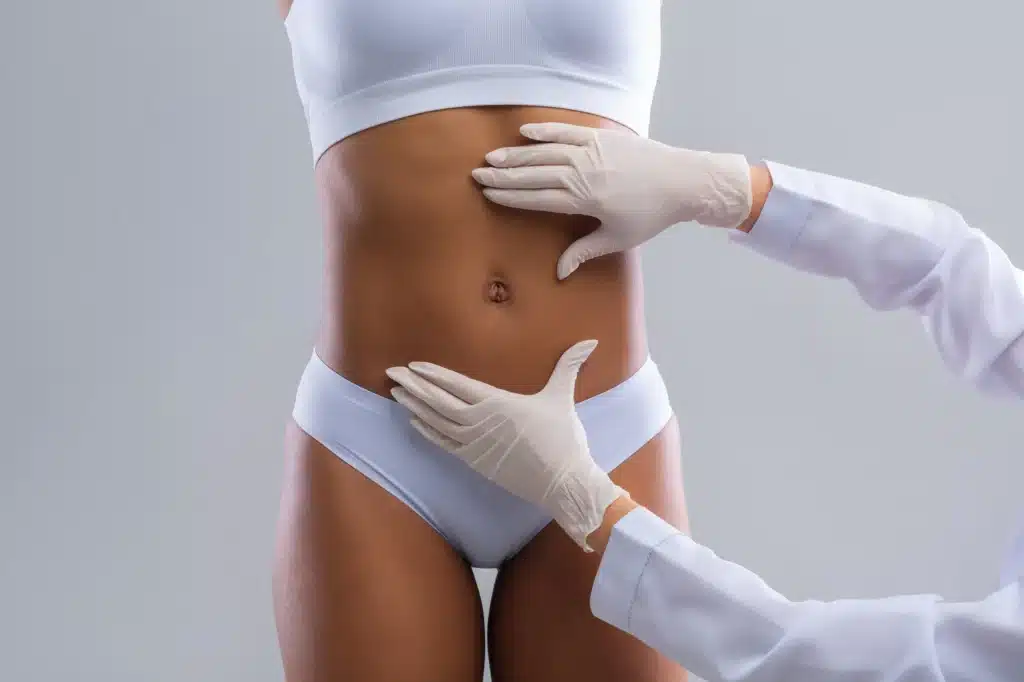
Avoid Strenuous Activities
During recovery from surgery, it’s especially important to rest. Avoid strenuous exercise that advances the risk of swelling or adds pressure to the treated areas.
Gentle movement, such as stretching for 10–15 minutes at a time several times a day, can promote muscle flexibility. One week after surgery, you can start to do some gentle activities, such as walking, to help get the blood circulating, he says.
If you overdo it, you’ll set back your recovery, so find a happy medium between getting active and staying quiet.
Professional Treatments For Lumps
If you’re struggling with post-liposuction recovery and dealing with visible lumps, here are some professional treatments you can pursue to diminish and smooth away these lumpy areas for good.
| Treatment Type | Description | Pros | Cons |
|---|---|---|---|
| Lymphatic Drainage Massage | A gentle, manual technique to stimulate lymph flow and reduce swelling. | Non-invasive, improves circulation, reduces swelling | Requires multiple sessions, time-consuming |
| Ultrasound Therapy | Uses sound waves to break down fibrous tissue and improve skin texture. | Non-invasive, painless, improves skin elasticity | May require several sessions, cost can add up |
| Steroid Injections/Medications | Targets inflammation to reduce swelling and hard lumps. | Quick results, effective for specific cases | Potential side effects, not suitable for everyone |
| Surgical Correction | Removes severe lumps through minor surgical procedures. | Permanent results in severe cases | Invasive, longer recovery time, costly |
Lymphatic Drainage Massage
Manual lymphatic drainage (MLD) is hands down, the best professional treatment for post-liposuction lumps. It uses gentle pressure and rhythmic, wave-like motions to stimulate lymphatic circulation and help flush stagnant fluids and toxins, reducing inflammation and swelling.
Usually patients see a professional for 4–6 sessions in the first month, although at-home techniques can work wonders as well. Pairing this with supplements such as vitamins A and C can make the process more effective.
Ultrasound Therapy
Ultrasound therapy is another non-invasive treatment. It combines ultrasound technology and the precision of radiofrequency to break down fibrous tissue, restoring healthy skin texture and tone to soften and diminish lumps.
Most patients experience improvement after only a few treatments. The most successful outcomes occur when they combine treatment with other alternatives, including regular use of compression garments.
Compression garments need to be worn 24 hours a day for the first two weeks after surgery. The only time you’re allowed to remove them is when you’re showering.
Steroid Injections Or Medications
For larger, more persistent lumps, steroid injections or oral medications can be prescribed. These professional treatments target inflammation in the skin and break down hardened areas beneath the skin.
They are great treatments, with amazing effects, but they come with potential side effects. That’s why docs typically only use them in situations where other treatments have failed.
Surgical Correction For Severe Cases
In extreme cases when lumps are debilitating or fail to respond to other interventions, surgical fixes can be required. This is usually a treatment of last resort and can include cosmetic procedures to remove, smooth or reshape the affected areas.
Although it offers permanent outcome, it comes with a longer recovery time and is more invasive than other techniques.
When To Seek Medical Help
Persistent Or Worsening Symptoms
Though some lumps and bumps are normal after liposuction, these should start to get better as the swelling subsides. Most patients notice astonishing differences as early as three to four weeks post-op. By six months, the belly often flattens out fully.
Wearing a compression garment, drinking plenty of fluids, and walking or doing other light physical activity will help promote the return to circulation. If lumps persist and symptoms such as swelling and redness increase in severity, consult your surgeon’s advice. Don’t let the problem resolve itself or hope that it will.
Consistent follow-ups, particularly during the first week or two, are important for keeping track of healing and ensuring any remaining issues are promptly taken care of.
Lumps Accompanied By Fever Or Pain
Lumps after liposuction that develop along with fever, severe pain, or spreading redness can indicate an infection. Abscesses with signs of infection such as pus or a fever greater than 101.5°F warrant immediate attention. Though infections are rare, they do need urgent medical care to avoid serious complications.
During the first 24 hours after surgery, fluid may drain from the incisions, which is normal. If you start experiencing symptoms outside of the normal recovery time, those should be evaluated by your physician. Staying active—like not sitting for more than two hours at a time—lowers risks like developing blood clots during recovery.
Concerns About Uneven Results
Uneven results may occur from natural body healing processes or uneven fat removal. Set up post-operative appointments with your surgeon at five days, and one or two weeks post-op. These visits provide an opportunity to ensure that any lumps are resolving in the manner that’s expected.
If the skin still hasn’t adapted to the new shape by six months, additional intervention should be considered. In other instances, further treatment may be needed to enhance the results.
Prevention Tips After Liposuction
Follow Post-Operative Instructions
Following your surgeon’s post-operative instructions closely will help ensure your recovery will go smoothly. Wearing your compression garment 24/7 for the first two weeks goes a long way in helping to combat swelling. Additionally, it helps to keep lumps from developing.
These garments help provide the support to your skin as it heals and molds to your new contours. In addition to this, getting up and walking every two hours greatly improves circulation, helping to stave off the risk of blood clots. Although rest is essential, light exercise, such as short walks, can promote healing and minimize the risk of irregularities.
Hydration is extremely important for your body in general. Drinking a minimum of eight glasses of water per day will aid in flushing out excess fluids, minimizing swelling. Staying away from heavy lifting or strenuous activities for at least the first three weeks allows your body to heal without added strain.
Attend All Follow-Up Appointments
Follow-up visits allow your surgeon to monitor your recovery and catch any issues as soon as they come up. These follow-up appointments are your opportunity to have your doctor identify any lumps, bumps, or unusual swelling.
If you think things should have been done differently, tell them now before it’s too late to make any changes. While most lumps have improved considerably by six months, following these appointments will help you know that you’re moving in the right direction.
Maintain A Stable Weight
Large fluctuations in weight following surgery can compromise results. A consistent weight puts less strain on the areas you had treated, allowing them to heal more smoothly.
Healthy practices, including eating well and engaging in light physical activity when given the go-ahead from your physician, foster results that last.
Conclusion
Lumps and bumps after lipo are a common occurrence—and healing takes time, after all. Most irregularities fade as your body adjusts, but knowing what’s normal and what needs attention can make a big difference. Keeping up with your self-care, such as wearing your compression garments and maintaining an active lifestyle, ensures that your recovery remains on schedule. If anything doesn’t feel right or you’re seeing strange changes, going straight to your doc is the best and safest course to take.
Each recovery is different, given time and the proper attention, subtler results are possible. Remember to trust the process, listen to your body, and lean on your healthcare team when you need support. For more tips or support, connect with your provider or explore trusted resources to stay informed.
Frequently Asked Questions
What causes lumps and bumps after liposuction?
Lumps and bumps post-lipo, often resulting from uneven fat redistribution during the liposuction recovery process, typically arise due to swelling and fluid retention. These minor lumps are normal and are expected to resolve on their own within several weeks to months.
How long do lumps and bumps last after liposuction?
Most lumps and bumps from liposuction surgery typically resolve by 6–12 weeks as swelling decreases. Expect a minimum of 3 months, and in some cases up to 6 months, for the skin and tissues to completely smooth out during the liposuction recovery process.
Are lumps and bumps after lipo normal?
Yes, but hard lumps are completely normal during the liposuction recovery process. Your body is still adjusting and healing from the liposuction surgery. If any lumps or bumps are painful, persistent, or worsening, contact your doctor for guidance.
What are abnormal signs to watch for with post-lipo lumps?
Warning signs that are NOT normal after liposuction surgery include significant redness, increasing pain, firm or enlarging hard lumps, fever, or drainage. These symptoms may indicate an infection or complications requiring immediate evaluation by your doctor.
How can I reduce lumps after liposuction at home?
Wear your compression garments, gently massage the treated area, and follow any other post-op care your surgeon recommends during the liposuction recovery process. Drinking plenty of fluids can quickly reduce swelling and help achieve optimal liposuction results.
When should I see a doctor about lumps after liposuction?
If painful or hard lumps develop after 6–8 weeks of your liposuction surgery, consult your surgeon. Urgent care is necessary if new lumps are red, warm to the touch, or accompanied by fever, indicating potential complications.
Can lumps be prevented after liposuction?
Yes, by following your surgeon’s instructions during the liposuction recovery process, wearing compression garments as advised, staying active with light movement, and avoiding strenuous activities, you can reduce the risk of hard lumps.