
Liposuction for male chest is a game-changer for those struggling with gynecomastia or excess fat. This procedure helps men achieve a more sculpted and confident physique. Many guys feel self-conscious about their appearance, especially when it comes to their chest, due to male breast tissue and gynecomastia development, prompting interest in gynecomastia treatment or a male breast reduction procedure. Liposuction offers a solution that targets stubborn fat effectively.
The benefits of male breast reduction go beyond aesthetics; improved self-esteem and comfort in social situations after gyno surgery are significant perks. Understanding the process and results can empower men to make informed decisions about their bodies. With expert guidance and modern techniques, achieving a masculine chest is within reach. Dive into this post to explore everything you need to know about liposuction for male chest.
Key Takeaways
- Male chest liposuction is an effective option for reducing excess fat and achieving a more contoured chest, especially for those struggling with gynecomastia.
- Understanding the differences between liposuction and glandular excision can help you choose the right procedure for your needs, as both target different issues.
- Preparing for surgery involves setting realistic expectations and discussing your goals with a qualified surgeon to ensure the best outcome.
- During the procedure, local anesthesia is often used, which can lead to a quicker recovery compared to general anesthesia.
- Post-surgery care is crucial; following your surgeon’s instructions will aid in healing and help minimize complications.
- Addressing common concerns, such as scarring and recovery time, can provide reassurance and clarity about the process.
Understanding Male Chest Liposuction
Definition
Liposuction is a cosmetic procedure. It removes excess fat from specific areas of the body. For male patients, it often focuses on the chest. This procedure helps create a more defined chest appearance.
Target Areas
Male chest liposuction targets stubborn fat deposits. These deposits are often resistant to diet and exercise. Many men struggle with fat in this area, even when they maintain a healthy lifestyle.
Gynecomastia
Men experiencing gynecomastia seek liposuction. Gynecomastia is a condition characterized by enlarged male breasts. It can occur due to hormonal changes, weight gain, or certain medications. This condition can lead to self-consciousness and discomfort.
Procedure Overview
The liposuction process involves several steps. First, the surgeon marks the areas for fat removal. Then, they administer anesthesia to ensure comfort during the procedure. Small incisions are made in discreet locations on the chest.
A thin tube called a cannula is inserted through these incisions. The surgeon uses the cannula to break up and suction out fat cells. The entire procedure typically lasts between one to two hours.
Recovery Process
Recovery from male chest liposuction varies by individual. Patients may experience swelling and bruising post-surgery. Most men return to normal activities within a week or two. Wearing a compression garment aids in recovery and helps shape the chest.
Results
Results from male chest liposuction can be significant. Many patients notice a flatter and firmer chest after recovery. The final results may take several months to fully appear as swelling decreases.
Considerations
Loose breast skin is a common concern after surgery. Some men may require additional procedures to tighten this skin. Consulting with a qualified surgeon is essential for understanding potential outcomes.
Risks and Complications
Like any surgical procedure, male chest liposuction carries risks. Possible complications include infection, scarring, or asymmetry. Discussing these concerns with a surgeon helps manage expectations.
Ideal Candidates
Ideal candidates for male chest liposuction are healthy individuals with realistic goals. They should not have significant loose breast skin or medical conditions that could complicate surgery.
Benefits of Chest Liposuction
Improved Contour
Chest liposuction significantly enhances the chest contour. Many men struggle with excess fat in the chest area, leading to a less defined look. This procedure effectively removes stubborn fat deposits. As a result, it creates a flatter and firmer appearance.
A more sculpted chest can lead to a more masculine appearance. This change often boosts self-esteem. Men feel more confident when their bodies reflect their fitness goals.
Boost in Confidence
Men report a noticeable increase in self-confidence after undergoing chest liposuction. Feeling good about one’s body can impact daily life. It influences social interactions, work performance, and personal relationships.
Many individuals experience a shift in how they view themselves. They may engage in activities they once avoided due to body image concerns. For instance, wearing fitted shirts or going shirtless at the beach becomes less daunting.
Better Fitting Clothes
Liposuction can lead to better fitting clothes. Many men find that their wardrobe options expand post-procedure. Clothes that were once tight or uncomfortable now fit well. This change allows for greater freedom in choosing outfits.
Comfort is another significant benefit. Clothes designed for a more defined physique enhance overall comfort levels. Men no longer feel restricted by ill-fitting garments.
Increased Comfort
Increased comfort is vital for everyday life. Excess fat in the chest can cause discomfort during physical activities. After liposuction, many men notice improved mobility and ease during workouts.
This newfound comfort encourages healthier habits. Men may feel inspired to exercise more often or try new activities. The positive changes extend beyond aesthetics.
Psychological Impact
The psychological benefits are profound as well. Many men experience reduced anxiety related to body image issues. This relief leads to an overall improvement in mental well-being.
ial situations become less stressful too. Men feel more at ease in environments where they might have felt self-conscious before. This newfound confidence can foster stronger connections with others.
Liposuction vs Glandular Excision
Fat Removal
Liposuction focuses on removing excess fat from the chest area. This procedure uses a thin tube called a cannula. The surgeon inserts it through small incisions in the skin. A vacuum device then pulls the fat out. This method works well for those with fatty tissue but little glandular tissue.
Patients often prefer liposuction due to its minimal invasiveness. Recovery time is usually shorter compared to more invasive surgeries. Many men experience less discomfort and swelling after this procedure.
Surgical Excision
Surgical excision targets glandular breast tissue, which is denser than fat. This method involves making larger incisions to remove the tissue directly. It is often necessary for cases of gynecomastia where fat alone cannot solve the problem.
Surgeons may recommend this option when there is significant glandular tissue present. It provides a more permanent solution for those who have not responded to other treatments.
Combined Approaches
e cases require both procedures for optimal results. A combination of liposuction and surgical excision can effectively address various compositions of breast tissue.
For instance, a patient with both excess fat and glandular tissue might benefit from both methods. This approach allows surgeons to contour the chest while ensuring that all problematic tissue is removed.
Choosing the Right Procedure
The choice between liposuction and surgical excision depends on the individual’s breast tissue composition. Surgeons assess patients based on physical examination and imaging studies.
Factors include the amount of fat versus glandular tissue present. Men with mostly fatty deposits may only need liposuction. Those with more glandular tissue may need surgical excision or a combination of both.
Understanding these differences helps patients make informed decisions about their treatment options. Consulting with a qualified surgeon is crucial in determining the best approach for each individual case.
Gynecomastia Surgery Overview
Procedure Description
Gynecomastia surgery aims to reduce male breast size. This procedure is essential for men experiencing conditions like true gynecomastia, where breast tissue enlarges due to hormonal changes or other factors. Many patients seek this surgery to improve their self-image and confidence.
The surgery can involve different methods. One common approach is liposuction. This technique removes excess fat from the chest area. It works well for those with fatty tissue but minimal glandular tissue.
Glandular excision is another method used during gynecomastia surgery. This option targets the glandular tissue directly. Surgeons may use both liposuction and glandular excision for optimal results. The choice of technique depends on the specific needs of each patient.
Anesthesia Considerations
Gynecomastia surgery typically occurs under general anesthesia. This choice ensures that patients remain comfortable and pain-free throughout the procedure. Anesthesia allows surgeons to perform the operation safely and effectively.
Patients usually undergo a thorough evaluation before surgery. Doctors assess the degree of male breast enlargement and determine the best surgical approach. This process helps in planning the surgery accurately.
Recovery Process
After surgery, patients enter a recovery phase. They may experience swelling and bruising in the chest area. These effects are normal and should subside within a few weeks.
Surgeons often recommend wearing a compression garment after the procedure. This garment helps reduce swelling and supports the healing process. Patients receive specific instructions regarding activity levels post-surgery.
Most individuals can return to normal activities within one to two weeks. However, strenuous exercise should be avoided for a longer period. Following the doctor’s advice is crucial for achieving the best male breast reduction results.
Potential Risks
Like any cosmetic surgery procedures, gynecomastia surgery carries risks. Possible complications include infection, scarring, or uneven contours in the chest area. Patients should discuss these risks with their gynecomastia surgery doctor before proceeding.
Awareness of potential outcomes is vital for informed decision-making. Understanding what to expect can help manage expectations during recovery.
Pre-Surgery Expectations
Blood Tests
Patients must undergo necessary blood tests before the procedure. These tests check for any underlying health issues. Common tests include a complete blood count and liver function tests. A thorough medical evaluation helps ensure safety during surgery.
Consulting with a healthcare provider is crucial. They will review your medical history and recommend specific tests. Results from these tests guide the surgical team in planning your care.
Smoking Cessation
Quitting smoking is essential before liposuction. Smoking can hinder healing and increase complications. Surgeons often advise stopping at least four weeks prior to surgery. This timeframe allows the body to recover better.
Patients who smoke may face longer recovery times. They also risk more significant scarring and infections. Therefore, it is vital to take this step seriously.
Transportation Arrangements
Arranging transportation for post-surgery is important. Patients cannot drive themselves home after the procedure. Anesthesia affects coordination and judgment, making driving unsafe.
Having a trusted friend or family member assist is ideal. They can help with transportation and provide support during recovery. Discussing this plan with your surgeon beforehand ensures you are prepared.
Post-Surgery Care
Post-surgery care plays a significant role in recovery. Following the surgeon’s instructions is crucial for optimal results. Patients should keep the surgical area clean and dry to prevent infection.
Rest is also essential after surgery. Avoid strenuous activities for several weeks. This helps the body heal properly and reduces complications.
Surgeons may provide specific guidelines about when to resume regular activities. Adhering to these recommendations supports a smoother recovery process.
Insurance Considerations
Understanding insurance coverage is vital before surgery. Many health insurance plans do not cover cosmetic procedures like liposuction unless deemed medically necessary. Patients should check with their insurance providers about coverage details.
e standard surgery options may be covered if gynecomastia causes physical discomfort or emotional distress. This can include consultations with healthcare professionals who assess the condition’s impact on daily life.
Emotional Support
Seeking emotional support can ease pre-surgery anxiety. Talking to friends or joining support groups can help patients feel less isolated. Sharing experiences with others facing similar challenges provides comfort.
Understanding that concerns about appearance are common among men can reduce feelings of shame or embarrassment. Emotional readiness contributes positively to the overall surgical experience.
During the Procedure
Anesthesia
Patients will receive anesthesia before starting the liposuction procedure. This ensures comfort during the surgery. Options include local anesthesia or general anesthesia, depending on the extent of the procedure. Local anesthesia numbs only the chest area. General anesthesia puts the patient into a deep sleep throughout the operation.
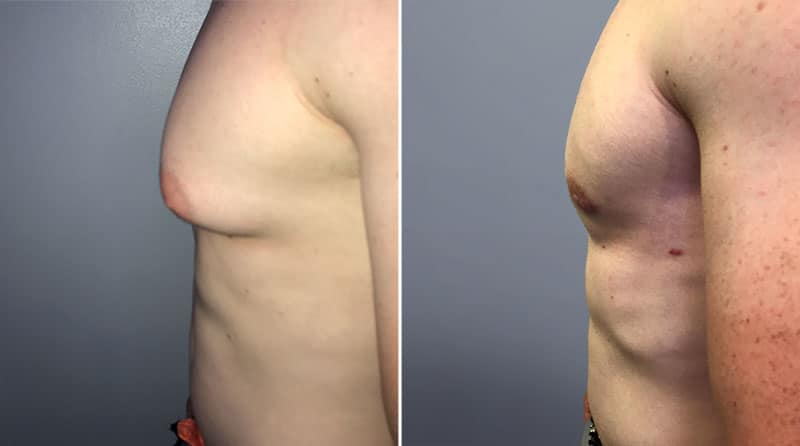
Incisions
The procedure typically lasts 1-2 hours. Surgeons make small incisions in the chest area to insert a liposuction cannula. These incisions are often hidden in natural folds of the skin. This helps minimize visible scarring after recovery. The surgeon carefully maneuvers the cannula to target areas with unwanted fat accumulation.
Liposuction Technique
Surgeons use various techniques during liposuction. Tumescent liposuction is common. It involves injecting a solution that contains saline, lidocaine, and epinephrine into the tissue. This solution helps reduce bleeding and pain while making it easier to remove fat. The surgeon then uses the cannula to suction out excess fat from the male chest.
Recovery Considerations
After the procedure, patients may experience swelling and bruising. This is normal and should subside over time. A compression garment is typically recommended to support healing and reduce swelling. Patients usually return home on the same day as the surgery.
Good Candidates
Not everyone is a good candidate for this cosmetic surgery procedure. Ideal candidates should be in good overall health and have realistic expectations about results. Those with significant weight fluctuations or certain medical conditions may not qualify for liposuction. A thorough consultation with a qualified surgeon can help determine candidacy.
Post-Procedure Care
Following surgery, proper care is essential for recovery. Patients should follow their surgeon’s post-operative instructions closely. This includes avoiding strenuous activities for several weeks. Staying hydrated and maintaining a balanced diet can also aid recovery.
Referral Process
Before undergoing liposuction, patients often need a referral from a primary care physician or a specialist. This step ensures that any underlying health issues are addressed before surgery begins. The referral process helps ensure safety during the procedure.
Post-Surgery Recovery
Healing Process
Patients may experience swelling, bruising, and discomfort after the surgery. These symptoms are common and usually subside within a few weeks. Swelling can last longer in some cases, depending on individual healing rates. Bruising typically fades over time, turning from dark purple to yellow before disappearing completely.
Pain management is essential during recovery. Doctors often prescribe medication to help manage discomfort. Following the prescribed pain relief plan helps patients feel more comfortable as they heal.
Compression Garment
Wearing a compression garment is crucial for recovery. This garment supports the healing tissues and reduces swelling. It also helps maintain the new chest contour achieved through the procedure. Patients should wear this garment as directed by their surgeon, usually for several weeks post-surgery.
The compression garment aids in blood circulation, which is vital for healing. Proper fit is important; it should be snug but not too tight. Patients should check with their doctor if they experience excessive discomfort or any unusual symptoms while wearing it.
Post-Operative Care
Following post-operative care instructions is vital for optimal recovery. Surgeons provide specific guidelines that may include activity restrictions, wound care, and follow-up appointments. Adhering to these instructions can prevent complications and support better outcomes.
Avoiding strenuous activities and heavy lifting for several weeks is often recommended. This allows the body to heal without strain on the surgical site. Gentle walking is encouraged to promote circulation without overexertion.
Keeping the surgical area clean is also important. Patients should follow their surgeon’s advice on how to care for incisions. Proper cleaning helps minimize the risk of infection.
Insurance Considerations
Insurance coverage can vary significantly for cosmetic procedures like liposuction for male chest issues. Some policies may cover procedures linked to medical conditions, such as breast cancer or severe gynecomastia. It’s essential for patients to check with their insurance provider regarding coverage options.
Patients should gather all necessary documentation before surgery. This includes medical records and any required referrals from healthcare providers.
Common Concerns Addressed
Scarring Issues
Many men worry about scarring after liposuction for the chest. The good news is that incisions are typically small and discreet. Surgeons make them in areas that are less visible, often along natural skin folds. This approach helps to minimize the appearance of scars.
Patients usually find that any scarring fades over time. Proper aftercare can also help improve the healing process. Following the surgeon’s instructions is crucial. Most men feel satisfied with how their scars heal.
Recovery Timeline
Concerns about recovery time are common. Most patients return to normal activities within a few weeks. Light activities can usually resume around one week post-surgery. Strenuous exercise should wait until at least four to six weeks after the procedure.
Surgeons often recommend gradual reintroduction of physical activities. This helps ensure proper healing and prevents complications. Men should listen to their bodies during recovery. If pain or discomfort arises, contacting a healthcare provider is important.
Revision Surgery
etimes, results may not meet expectations. In such cases, revision surgery might be necessary. Patients should understand this potential need before undergoing the procedure. A consultation with a qualified surgeon can clarify what to expect from the results.
Surgeons assess individual needs during initial consultations. They discuss specific criteria for candidacy and desired outcomes. Understanding these factors can ease concerns about needing further procedures.
Consultation Importance
Before undergoing liposuction, patients should ask questions during consultations. Discussing concerns openly helps build trust between the patient and surgeon. Questions about risks, complications, and expected outcomes are vital.
Surgeons explain potential complications associated with chest liposuction. These may include infection, uneven results, or fluid accumulation. Knowing these risks helps men make informed decisions.
Insurance Coverage Insights
Many men wonder about insurance coverage for liposuction procedures. Insurance typically does not cover cosmetic surgeries unless deemed medically necessary. Patients should check with their insurance providers beforehand.
Understanding medical coverage options is essential for planning expenses. Some clinics offer payment plans or financing options to ease costs. This financial clarity can alleviate stress related to the procedure.
Pre-Operative Tests
Surgeons often require pre-operative tests before scheduling surgery. These tests assess overall health and identify any underlying conditions. Common tests may include blood work or imaging studies.
Completing these tests ensures patients are ready for surgery. It also helps reduce the risk of complications during the procedure.
Pensamientos Finales
Liposuction for male chest can be a game-changer. It offers a solution to stubborn fat and enhances your confidence. Understanding the benefits, procedures, and recovery process is key to making an informed decision. Whether you’re weighing options like glandular excision or gynecomastia surgery, knowing what to expect helps ease anxiety.
You deserve to feel comfortable in your skin. If you’re considering this procedure, consult with a qualified professional. They’ll guide you through every step and ensure your safety. Don’t let uncertainty hold you back from achieving your ideal look. Take charge of your journey today!
Frequently Asked Questions
What is male chest liposuction?
Male chest liposuction is a cosmetic procedure that removes excess fat from the chest area to create a more contoured appearance. It is particularly beneficial for men with stubborn fat deposits.
Who is a good candidate for this procedure?
Good candidates are healthy men with localized fat in the chest area, not responding to diet and exercise. It’s ideal for those seeking to enhance their physique without significant skin laxity.
How long does the recovery take?
Recovery typically takes about 1 to 2 weeks. Most patients can resume normal activities within this timeframe, although strenuous exercise should be avoided for several weeks.
Is liposuction painful?
While some discomfort is expected post-surgery, pain can usually be managed with prescribed medications. Many patients report minimal pain compared to their expectations.
How does chest liposuction differ from gynecomastia surgery?
Chest liposuction targets fat removal, while gynecomastia surgery addresses glandular tissue. The choice depends on the underlying cause of enlarged breast tissue in men.
Are there any risks involved?
As with any surgery, risks include infection, scarring, and uneven results. Consulting an experienced surgeon can help mitigate these risks and ensure optimal outcomes.
Will I have visible scars after the procedure?
Liposuction typically involves small incisions, which often heal well and become less noticeable over time. A skilled surgeon will place incisions strategically to minimize scarring.