Key Takeaways
- Micro fat grafting is minimally invasive. It harvests fat from one place on the body, then injects it into another to create volume and contour.
- To achieve the best results, you need to learn as many of the micro fat grafting techniques as possible. This ranges from perfecting liposuction techniques to preparing the fat.
- This procedure has a multitude of uses in the field of aesthetic medicine. It can improve facial rejuvenation, support breast augmentation, and fulfill therapeutic requirements in reconstructive surgery.
- Currently, with respect to improving graft survival rate, we need to put a lot of effort into precise harvesting and processing techniques. We have to make sure it is injected properly during the procedure.
- Postoperative management is critical to recovery; we are guided by what medical professionals have told us is best for avoiding complications and increasing healing.
- By understanding the possible complications and risks of micro fat grafting, we are empowered to make informed decisions. It also allows us to prepare to reach for the tools when we need them.
Micro fat grafting brings new hope in beauty and healing.
We take the baby fat cells, process them, and put them where we want. This technique adds volume and relaxes wrinkles.
It has roots in the 1980s but has evolved with tech advances. We focus on methods that enhance graft survival rates.
Post-op care matters too; it helps speed recovery and lower risk. Understanding these steps leads to great outcomes.
Join us to learn about this exciting field in detail.
What is Micro Fat Grafting
Definition and Purpose
Micro fat grafting involves extracting little bits of fat from the body. This technique utilizes precise injections to enhance volume and improve skin texture.
The goal of this technique is a natural-looking result, particularly when it comes to facial rejuvenation and soft tissue replenishment.
Using our own fat means fewer allergic reactions and better compatibility with our bodies.
Historical Background
Fat grafting has a long history that dates back as far as 1889. That’s when the first efforts to move fat began.
Over the years, we saw big progress forward. Improvements in the way we harvest fat have had a significant impact, particularly in reconstructive surgery.
Today’s methods have evolved from those early days, concentrating on improved survival rates for grafts and overall outcomes.
Current Applications
To see how micro fat grafting is being used today, look no further than the beauty and healing of it.
We use it for face rejuvenation, body shaping, and even correcting scars. That makes it a standout as a versatile option in regenerative medicine, healing and rebuilding tissues.
Microfat grafts can be long-lasting and leave beauty enhancements in place. They also promote the formation of new blood vessels that help with recovery.
With local anesthesia options available, this technique offers quick recovery times. As a result, we can get back to our everyday lives much more quickly.
Techniques of Micro Fat Grafting
1. Overview of Techniques
To understand micro fat grafting, we look at three main steps: harvesting, processing, and injection. Each step counts to achieve successful outcomes.
Harvesting means removing fat from the donor site, such as the abdomen or thighs. Processing cleans the fat, removing any contaminants while keeping viable cells. Injection positions the fat into the area of concern. Choosing the right methods boosts graft survival and retention.
Techniques have evolved to make fat transfer safer and more effective over the years.
2. Fat Harvesting Methods
We can use different ways to harvest fat.
Vacuum suction may help pull out fat quickly, but it can harm many cells.
Because that’s gentler, you preserve more cells with that syringe extraction.
Surgical excision provides high-quality fat but is more invasive.
The abdomen and thighs usually produce the best tissue for grafts.
Utilizing tumescent liposuction minimizes trauma to fat cells, maintaining their health.
3. Fat Processing Techniques
That’s why processing harvested fat is important. We want to get rid of the bad stuff but retain the good adipocytes.
Filtration and washing are common methods; these increase graft quality. Keeping the adipocytes whole during this process increases survival after injection.
4. Injection and Placement Methods
With injections, fat needs to be injected with precision.
Fine cannulas then help us place the microfat precisely in the target area.
Careful placement creates natural contours and minimizes risks.
We want to make sure we’re distributing it evenly to achieve the best aesthetic results.
Applications in Aesthetic Procedures
Facial Rejuvenation
For added facial volume, we see micro fat grafting become a trusted practice. This technique restores youthful contours, bringing back the smoothness and vibrancy of our skin.
We improve skin texture and elasticity with viable fat cells,” she says. Unlike synthetic fillers, this method has a natural appearance since it uses our own fat.
People select this option because it is known to refresh the face. It avoids the risk of allergic reactions commonly seen with artificial products.
Body Contouring
In body contouring, micro fat grafting plays a key role by moving fat to areas that need it most.
We can also correct body proportions through careful placement, creating a balanced silhouette.
Incorporating fat grafting with liposuction typically results in the best outcome. This combination allows us to take away the extra fat and redistribute it for that shape.
The versatility of this technique makes it appealing for those looking to refine their body contours.
Scar Improvement
Micro fat grafting excels on scars. It’s by filling them in that we are able to make scars less noticeable and encourage healing surrounding the area.
Using our own fat reduces the chance of rejection, which is a huge plus. This process improves skin quality and promotes tissue regeneration, resulting in smoother skin with time.
Such benefits underscore why so many turn to this innovative approach for scar treatment.
Therapeutic Applications
Tissue Reconstruction
To reconstruct soft tissue defects, we perform micro fat grafting. This technique restores volume and shape in areas affected by trauma or surgical removal.
Using our own fat, called autologous fat, offers a natural fit. It reduces the risk of infection.
For more than 20 years, this technique has offered a low-risk approach to correct a variety of soft-tissue problems. It has also helped people improve their face and body.
Healing Promotion
To further enhance healing, you have micro fat grafting, which is a rich source of adipose-derived stem cells.
These stem cells help form new blood vessels and heal tissues. A healthy graft contributes to more robust healing.
Patients often see changes within just a week after the procedure. The regenerative properties of fat are what make it such a powerful ally in recovery.
Pain Management
For pain associated with certain conditions, micro fat grafting offers relief. We put fat in painful places so that we have padding and support. This way is not only more aesthetically pleasing; it’s also more comfortable.
Lipofilling is particularly beneficial for patients with tight scars that restrict movement. The aesthetic relief of pain in this way is attractive.
Enhancing Graft Survival and Outcomes
Factors Affecting Success
There are some key factors that need to be adhered to in order to be successful in micro fat grafting.
The quality of the donor site plays a big role. Healthy, well-vascularized areas yield better results.
Choosing the right harvesting method also matters. Gentle techniques help reduce trauma to adipocytes.
Patient characteristics such as age and health status also influence outcomes. Graft survival is likely to be more problematic for older patients or those with comorbidities.
Surgeon expertise is particularly important. A good surgeon knows how to work around these elements.
Strategies for Improvement
We can improve graft survival by some targeted measures.
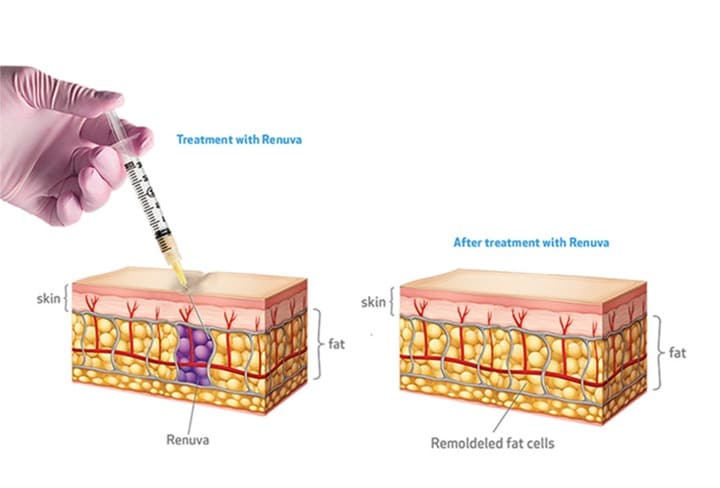
First, careful harvesting and processing methods are essential. Minimization of adipocyte trauma during extraction preserves cell integrity.
Postoperative care shouldn’t be neglected, either. For patients, this means needing to more closely adhere to guidelines in order to recover optimally. Compliance plays a big role in overall success.
There are many benefits to exploring adjunct therapies. For example, hyperbaric oxygen therapy appears to offer some benefit in terms of graft viability.
Volume expansion techniques are also under investigation to maximize graft viability.
Preoperative expansion using Brava domes results in larger breast augmentations, reduced fat necrosis, and increased graft survival.
Using the stromal vascular fraction (SVF) increases fat graft survival.
Studies show that after one year, there is a 63% volume maintenance.
Postoperative Care and Recovery
Care Instructions
To ensure a smooth micro fat grafting recovery, we must listen to care instructions carefully.
No heavy exercise for at least two weeks. This helps protect the injection sites and allows our body to heal properly.
Staying hydrated and eating nutritious meals also play a big role in recovery.
Adequate hydration supports healing, and proper nutrition provides your body with the energy it needs.
Recovery Timeline
Recovery typically takes around a week to two weeks. During this time, we’ll see progress little by little. Once swelling subsides, the fat will begin to integrate into our bodies.
Most people see noticeable changes within the first week. So, patience; rushing leads to complications or less than an optimal outcome.
Managing Expectations
It makes a big difference when you set realistic expectations.
Results can be very different based on individual factors and the progression of how the procedure goes.
Some studies show only 25%–50% of implanted volume remains.
Open communication with our surgeons helps us align our goals and expectations.
Together, we discuss what we want and how it’s possible, so everyone is on the same page.
Potential Complications and Risks
Common Complications
Micro fat grafting can result in some specific issues.
Infection, occurring in about 0.10% to 0.54% of cases, is rare. I’d look out for signs such as redness, swelling, or unusual pain after the procedure.
Another risk is necrosis or the dying off of fat tissue, while fat embolism, which happens when fat enters the bloodstream, is also a concern. These can appear within hours to a day after surgery.
If we do notice any weird symptoms, contacting our medical team promptly is important.
Uneven fat distribution also comes to the fore as a common issue.
Studies show asymmetry happens in around 14.4% of patients. This wonkiness may need more touch-ups to achieve the desired appearance.
Risk Mitigation Strategies
To reduce risk with micro fat grafting, we require careful planning.
A thorough patient evaluation helps identify who will benefit most from this procedure.
Advanced techniques minimize trauma and protect surrounding tissues during fat harvesting.
Proper postoperative care is also a big part of avoiding complications.
Knowing what to expect helps us manage recovery.
Monitoring for bruising or swelling is also important. Extended bruising occurs in only about 0.6% of cases, so vigilance is the name of the game.
By understanding these risks and strategies, we can make more informed decisions.
Conclusion
We’ve discussed micro fat grafting in depth. This technique provides a new twist on the beauty and healing side.
By learning the methods, uses, and how to care for them, we create success for ourselves.
In both cosmetic and therapeutic uses, micro fat grafting shines. It helps us reshape our bodies, as well as recover from injuries or surgeries.
Knowing how to increase graft survival can make the difference between success and failure.
Let’s stay educated and adopt these techniques.
Whether you’re a patient or a practitioner, knowledge empowers us all.
Learn more about this world of possibility.
Learn more about micro fat grafting techniques today!
Frequently Asked Questions
What is micro fat grafting?
Micro fat grafting is a minimally invasive procedure. It involves harvesting small amounts of fat from one area of the body and injecting it into another area. It fills in volume while helping to better define contour and creates natural-looking results.
How are micro fat grafting techniques performed?
Techniques will differ, but typically involve liposuction to remove the fat and special syringes to inject. The goal is to avoid clustering and ensure optimal integration with surrounding tissues.
What are the common applications of micro fat grafting?
Micro fat grafting is commonly used in aesthetic procedures like facial rejuvenation, breast augmentation, and body contouring. It enhances volume and smoothness in select areas.
Are there therapeutic applications for micro fat grafting?
Yes, micro fat grafting has therapeutic uses, including treating scars, burns, and soft tissue defects. It aids in healing by nourishing damaged tissue.
How can I enhance graft survival after micro fat grafting?
To improve the survival of the graft, live a healthy lifestyle after the surgery. Drink lots of water, skip smoking, and adhere to your surgeon’s post-op care recommendations diligently for the best outcome.
What should I expect during recovery from micro fat grafting?
Recovery often involves swelling and bruising of both the donor and recipient sites. Most patients are back to normal activities in a week, but full results can take several months.
What are the potential risks of micro fat grafting?
Potential risks include infection, uneven results, or fat reabsorption. Opting for a skilled surgeon drastically reduces these risks and provides safer results.