
Non-invasive skin tightening: the plasma gas approach offers a fresh alternative to traditional methods. Unlike invasive surgeries that require long recovery times, this innovative technique delivers results without the need for incisions. It harnesses the power of plasma gas, as seen in Renuvion, to stimulate collagen production and improve skin elasticity for the patient without an invasive procedure.
Many people seek effective solutions for sagging skin but hesitate due to the risks of surgery. The plasma gas approach, Renuvion, stands out by providing noticeable improvements in skin firmness with minimal discomfort. This method is gaining popularity for its quick procedures and lasting effects. Discover how this cutting-edge treatment can transform your skincare routine and boost your confidence.
Key Takeaways
- Plasma gas technology offers a non-invasive option for skin tightening, making it suitable for those looking to improve skin elasticity without surgery.
- The treatment works by stimulating collagen production, which is essential for maintaining firm and youthful-looking skin.
- Benefits include minimal downtime, quick recovery, and long-lasting results compared to traditional methods.
- Ideal areas for treatment include the face, neck, and other regions where skin laxity occurs, allowing for targeted improvements.
- While generally safe, potential side effects like redness or swelling should be discussed with a qualified professional before proceeding.
- Cost can vary significantly; therefore, it’s important to research and compare providers to find the best option that fits your budget.
Understanding Plasma Gas Technology
Helium Gas Use
Helium gas plays a crucial role in plasma treatment. This non-invasive skin tightening method, Renuvion, utilizes helium to create cold plasma. The process involves applying radiofrequency energy to helium gas. This combination generates an ionized gas known as cold helium plasma.
Cold helium plasma is different from traditional heat-based treatments. It operates at lower temperatures, reducing the risk of burns or damage to surrounding tissue. Patients experience minimal discomfort during the procedure.
Injection Process
The plasma procedure involves injecting the ionized gas beneath the skin. Small incisions allow for precise delivery of helium plasma. Medical professionals carefully control the depth and location of these injections. This targeted approach helps avoid damage to nearby structures.
The injection of helium plasma stimulates the skin’s natural healing response. It promotes collagen production, which is vital for maintaining skin elasticity and firmness. Over time, patients notice smoother and tighter skin.
Collagen Stimulation
Collagen is a protein that provides structure to the skin. As people age, collagen production decreases, leading to sagging skin and wrinkles. Plasma procedures help counteract this effect by stimulating collagen synthesis.
Studies show that increased collagen levels improve skin texture and tone. The results appear gradually as the body heals and regenerates new tissue. Patients often see significant improvements within weeks after treatment.
This technology offers several benefits over traditional methods. It requires less downtime and has fewer side effects compared to surgical options. Many individuals prefer non-invasive solutions like plasma treatment for their safety and effectiveness.
In summary, the use of helium gas in plasma procedures represents an innovative approach to skin tightening. The ability to inject ionized gas beneath the skin enhances its effectiveness in stimulating collagen production. As a result, patients can enjoy firmer and more youthful-looking skin without extensive recovery time.
How Plasma Gas Tightens Skin
Immediate Effects
Plasma gas provides an immediate firming effect on the skin. This occurs right after the treatment. Patients often notice tighter and smoother skin almost instantly. The plasma energy heats the skin’s surface. This heating causes a contraction in the skin, leading to a lifted appearance.
The results can be quite visible. Many patients report feeling more confident after just one session. The immediate changes encourage them to continue with further treatments.
Collagen Stimulation
Plasma gas significantly stimulates collagen production. Collagen is a vital protein that helps maintain skin elasticity. As we age, collagen levels decrease, leading to sagging skin. The plasma technology encourages the body to produce more collagen naturally.
The process works by delivering energy into the deeper layers of the skin. This energy activates fibroblasts, which are cells responsible for collagen synthesis. Over time, increased collagen leads to firmer and healthier skin. Many patients see improvements weeks after their session as collagen builds up.
Multi-Layer Treatment
Plasma gas can treat multiple layers of skin effectively. This feature makes it suitable for various skin concerns. It penetrates deeply while also addressing surface issues like fine lines and wrinkles.
When combined with liposuction, the results can be even more pronounced. Liposuction removes excess fat, which may cause sagging skin. The plasma treatment then tightens the remaining skin, creating a smooth contour.
This dual approach enhances overall outcomes for patients seeking body sculpting and skin tightening. It addresses both fat removal and skin firmness in one procedure.
Enhanced Recovery Time
Patients often experience minimal downtime with plasma gas treatments. Most return to their daily activities quickly after the session. Some redness or swelling may occur but usually subsides within a few days.
This quick recovery is appealing for individuals with busy lifestyles. They can achieve significant results without long interruptions in their routines.
Benefits of Plasma Skin Tightening
Non-Invasive Procedure
Plasma skin tightening stands out due to its non-invasive nature. Unlike traditional surgeries, this technique does not require incisions or anesthesia. Patients can avoid the risks associated with invasive facelift procedures. This makes plasma treatments a safer option for many.
Recovery time is significantly shorter as well. Most individuals return to their daily activities within a few days. The procedure minimizes trauma to the skin, allowing for quicker healing and less discomfort.
Versatile Applications
The versatility of plasma skin rejuvenation is impressive. It effectively treats various areas of the body, including the face, neck, and abdomen. This flexibility makes it suitable for different skin types and concerns.
For facial rejuvenation, plasma treatments address loose skin around the jawline and cheeks. The neck benefits from tighter skin, reducing sagging appearance. Abdomen treatments help tighten skin after weight loss or pregnancy.
Patients appreciate this adaptability. They can target specific areas without undergoing multiple procedures.
Long-Lasting Results
Results from plasma skin tightening are long-lasting. Many patients enjoy effects that last up to three years. This duration depends on individual skin quality and care post-treatment.
The treatment stimulates collagen production in the skin. Collagen helps maintain elasticity and firmness over time. As a result, patients often see continued improvement in their skin’s appearance even months after the procedure.
This longevity provides great value compared to other aesthetic skin procedures that may require frequent sessions.
Skin Resurfacing Benefits
Plasma treatments also offer significant skin resurfacing advantages. They can improve texture and tone while minimizing fine lines and wrinkles. As a result, patients achieve a more youthful appearance overall.
The process encourages new skin cell growth, leading to rejuvenated skin. Many individuals notice a visible change within weeks of treatment.
Minimal Downtime
Another appealing aspect is the minimal downtime associated with plasma treatment sessions. Patients experience mild redness or swelling post-procedure but can manage it easily with over-the-counter remedies.
Most people resume normal activities shortly after treatment, making it convenient for busy lifestyles.
Areas Suitable for Treatment
Common Areas
Patients can receive non-invasive skin tightening treatments in various areas. Common treatment regions include the face, neck, abdomen, arms, legs, back, and buttocks. Each area has unique needs. The face often requires careful attention to maintain natural expressions. The neck may show signs of aging that benefit from skin tightening. The abdomen can tighten after weight loss or pregnancy. Arms and legs also gain a refreshed look with this procedure.
Precision Application
The plasma gas approach allows for precise application. This precision makes it suitable for both small and large areas. Surgeons can target specific spots without affecting surrounding tissues. This reduces recovery time and enhances results. Patients appreciate the ability to treat multiple areas in one session. This efficiency makes it a popular choice among cosmetic procedures.
Replacing Invasive Procedures
This advanced skin treatment has the potential to replace more invasive procedures like a tummy tuck. Traditional tummy tucks involve significant surgery with longer recovery times. They require facial incisions and local anesthesia. Non-invasive methods eliminate these concerns while still providing effective results. Many patients prefer avoiding cosmetic surgery when possible.
Treatment Plans
A personalized treatment plan is important for optimal results. Surgeons assess each patient’s unique needs during consultations. Factors such as skin type, age, and desired outcomes play a role in planning. Patients should discuss their goals openly for the best experience.
Safety Considerations
Safety remains a priority during these procedures. Local anesthesia is often used to ensure comfort without the risks of general anesthesia. Patients should feel relaxed knowing they are in capable hands.
Recovery Process
The recovery process is typically quick compared to traditional cosmetic surgery procedures. Most patients experience minimal downtime and can return to daily activities shortly after treatment. Some may notice mild swelling or redness, which usually resolves quickly.
Potential Side Effects
Discomfort
Mild discomfort can occur during and after the plasma gas procedure. Patients often report a tingling or warm sensation on the treated areas. This feeling usually fades quickly after the session ends.
e individuals may experience slight pain, but it is generally manageable. Most clinics offer topical numbing agents to help reduce this discomfort.
Swelling
Swelling is another common side effect. After treatment, the skin may appear red and puffy. This reaction typically subsides within a few days.
The swelling indicates that the body is healing itself. It is important to remember that this is a normal response to the energy applied during the procedure.
Risks
Despite its non-invasive nature, there are still risks involved with plasma gas skin tightening. The chance of complications remains low, but it’s essential to be aware of them.
In rare cases, patients might develop blisters or scabs on their skin. These issues usually resolve without medical intervention.
The likelihood of severe side effects is minimal compared to more invasive procedures like surgery.
Sedation
Sedation is rarely needed for this type of treatment. Most patients remain awake and alert throughout the process. They can communicate with their practitioner easily.
For those who feel anxious, mild sedation options are available. Discussing these options with a healthcare provider can help ease concerns.
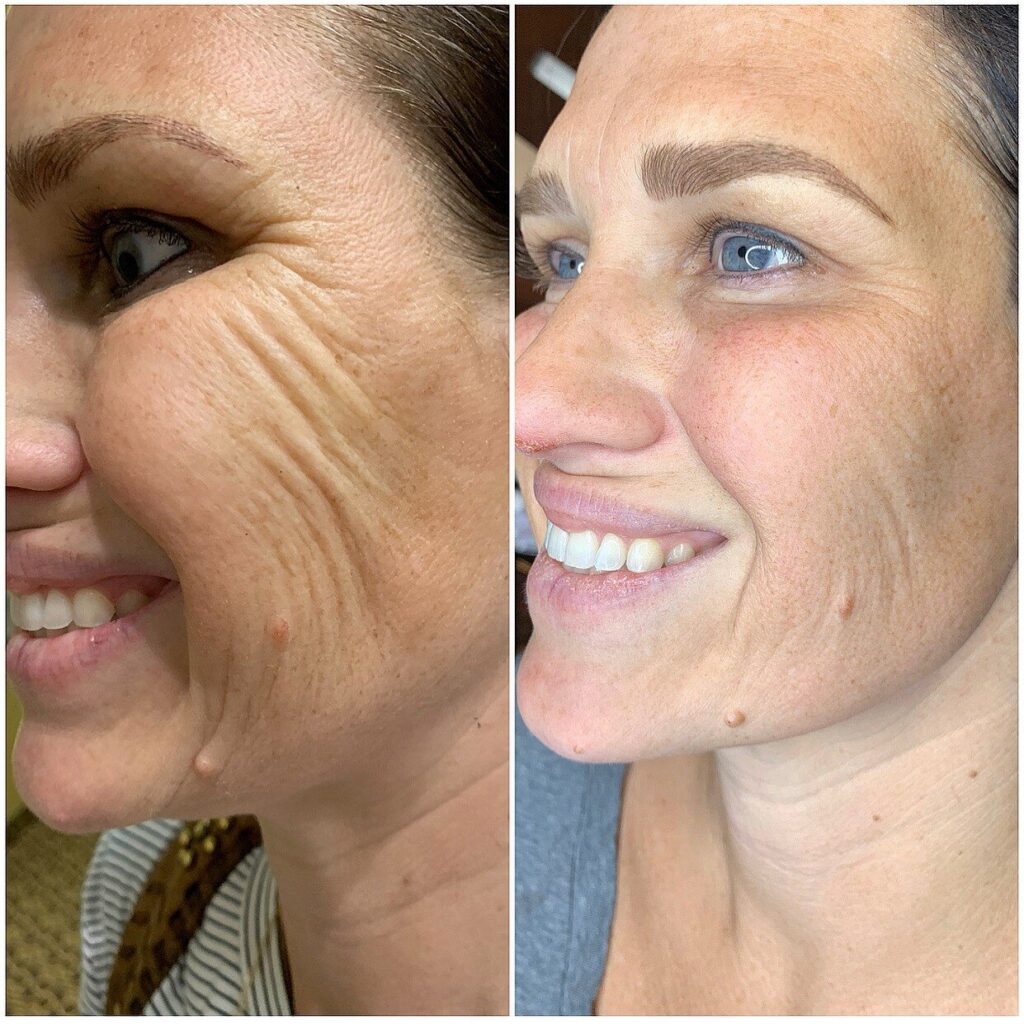
Post-Treatment Care
Following post-treatment care is crucial for minimizing side effects. Practitioners provide specific instructions after the procedure. Following these guidelines helps ensure a smooth recovery.
Patients should avoid sun exposure on treated areas for at least two weeks. Sunscreen use is essential to protect sensitive skin.
Keeping the skin moisturized promotes healing and reduces discomfort. Hydration also plays a role in recovery.
Summary
Understanding potential side effects helps set realistic expectations for patients considering this treatment option. Mild discomfort and swelling are common but manageable.
The low risk of complications makes plasma gas skin tightening an attractive choice for many individuals seeking facial rejuvenation.
Recovery Process and Tips
Recovery Timeline
The typical recovery period after Renuvion procedures lasts about 5-7 days. Patients should plan for home rest during this time. Initial discomfort may occur, but it usually subsides within a few days.
Swelling and bruising are common after the procedure. These symptoms can vary based on individual healing rates. It’s essential to monitor these effects closely.
Compression Garment
Wearing a compression garment is highly recommended. This garment helps reduce swelling and fluid collection. It provides support to the treated area, promoting better healing.
Patients should wear the garment continuously for at least a week. Following this advice can significantly impact recovery outcomes.
Gradual Return
A gradual return to normal activities is crucial. Light activities can typically resume within a few days. However, full recovery continues beyond 10 days. Strenuous exercises should be avoided until cleared by the doctor.
Listening to your body is important during recovery. If discomfort persists or worsens, consult with your healthcare provider.
Neck Focus
For those focusing on neck rejuvenation, special care is needed. The neck area can be sensitive and may require additional attention during recovery. Keeping the neck elevated can help reduce swelling.
Hydration plays a role in overall skin health as well. Drinking plenty of water aids in the healing process and supports skin elasticity.
Follow-up Appointments
Follow-up appointments are essential after Renuvion procedures. These visits allow the doctor to assess healing progress. They also provide an opportunity to address any concerns or questions.
Regular check-ins ensure that patients stay on track with their recovery goals.
Emotional Support
Emotional support matters during recovery as well. Friends and family can provide encouragement and assistance when needed. Sharing experiences with others who have undergone similar procedures can also be helpful.
Feeling anxious about recovery is normal. Open communication with medical professionals can alleviate some of these worries.
Cost Considerations
Treatment Area
Cost varies significantly based on the treatment area. Different areas of the body require different levels of effort and technology. For instance, treating smaller areas like the neck may cost less than larger areas such as the abdomen or thighs. The number of sessions also affects the total cost. Patients may need multiple treatments to achieve desired results.
Procedure Extent
The extent of the procedure plays a crucial role in determining cost. A more extensive treatment will likely increase expenses. Patients should consider how many areas they wish to treat and how intensive the treatment will be. A detailed plan can help outline expected costs before starting.
Cost Savings
Non-invasive methods like plasma gas skin tightening offer potential cost savings compared to traditional surgical options. Surgical procedures often involve higher fees due to anesthesia, facility charges, and longer recovery times. Non-invasive techniques generally have lower upfront costs and fewer hidden fees. This makes them an appealing option for those seeking effective results without breaking the bank.
Quality of Results
Quality is another consideration when evaluating costs. Higher-quality treatments may come with a higher price tag. However, investing in reputable providers can lead to better outcomes and satisfaction. Patients should seek practitioners who are board-certified and experienced in non-invasive skin tightening techniques.
Consultation Benefits
Consultation is essential for personalized cost estimates. During these sessions, patients can discuss their goals and receive tailored treatment plans. Practitioners can provide insights into expected costs based on individual needs. Many clinics also offer financing options, making it easier for patients to manage expenses over time.
Budgeting for Treatment
Creating a budget is vital when planning for skin tightening treatments. Patients should consider all associated costs, including follow-up sessions and any necessary aftercare products. A clear budget helps avoid unexpected expenses later on.
Patients should also look for promotions or packages that some clinics offer. These deals can make treatments more affordable while still ensuring quality care.
Pros and Cons Overview
Advantages
Non-invasive skin tightening using the plasma gas approach has several advantages. This technology is known for being non-invasive, which means there are no surgical cuts or incisions involved. Patients can avoid long recovery times typical of invasive procedures.
The versatility of this treatment is another strong point. It can be used on various body parts, including the face, neck, and abdomen. Many patients appreciate this flexibility.
Long-lasting results are a significant benefit. Many users report improvements that last for months after the treatment. This longevity makes it a popular choice among those seeking effective skin tightening solutions.
Drawbacks
Despite its benefits, some potential drawbacks exist. Initial discomfort may occur during the procedure. Patients often describe feelings similar to mild pinching or heat. This discomfort usually subsides quickly but can be a concern for some individuals.
Recovery time is another consideration. While it is shorter than traditional surgery, some downtime is still necessary. The skin may appear red or swollen after treatment, requiring a few days to heal properly.
Balanced View
Understanding both sides is essential for making informed decisions about this treatment. The advantages make it appealing for many people looking to improve their appearance without undergoing surgery. Non-invasive treatments like this one offer convenience and effectiveness.
However, the drawbacks should not be overlooked. Initial discomfort and recovery time can impact patient experience. Consulting with a qualified professional is crucial before deciding on any procedure.
Gathering information about the device used in plasma gas treatments will help potential patients understand what to expect. Researching experiences from others who have undergone the treatment can also provide valuable insights.
Approval from relevant health authorities adds an extra layer of confidence for those considering this option. Knowing that the technology has been vetted ensures safety and efficacy.
Últimas Consideraciones
Plasma gas technology is revolutionizing non-invasive skin tightening. You’ve learned how it works, its benefits, and potential side effects. This method offers a fresh approach to achieving youthful skin without invasive procedures. The recovery process is manageable, making it an appealing option for many.
As you consider your skin care options, weigh the pros and cons carefully. Consult with a qualified professional to find the best fit for your needs. Embrace this innovative treatment and step confidently into a rejuvenated version of yourself. Your journey to tighter, healthier skin could start today!
Frequently Asked Questions
What is plasma gas technology for skin tightening?
Plasma gas technology uses ionized gas to stimulate collagen production. This non-invasive method tightens skin by creating micro-injuries, promoting natural healing and rejuvenation.
How long do results from plasma skin tightening last?
Results can last from six months to two years, depending on individual skin type and care. Regular maintenance treatments can enhance longevity.
Is plasma skin tightening suitable for all skin types?
Yes, plasma skin tightening is generally safe for most skin types. However, a consultation with a qualified practitioner is essential to determine suitability.
What areas can benefit from plasma skin tightening?
Common treatment areas include the face, neck, abdomen, and arms. It effectively addresses sagging skin and fine lines in these regions.
Are there any side effects of plasma skin tightening?
Potential side effects include redness, swelling, and minor discomfort. These usually subside within a few days post-treatment.
How long does the recovery process take?
Recovery typically lasts 5 to 10 days. Most people return to normal activities within a week, but full healing may take longer.
What should I consider regarding the cost of treatment?
Costs vary based on factors like location and provider expertise. It’s important to weigh the benefits against the investment for optimal results.