
Did you know that over 1 million fat grafting procedures are performed each year? This popular technique is transforming the way we approach cosmetic enhancements. Platelet-rich plasma (PRP) in fat grafting is gaining traction for its ability to boost results and speed up recovery. By combining PRP with fat grafting, patients can enjoy more natural-looking outcomes and improved skin texture. This innovative approach not only enhances the survival rate of transplanted fat but also promotes healing. With its growing popularity, understanding the benefits and applications of platelet-rich plasma in fat grafting is essential for anyone considering cosmetic procedures. Dive into this post to learn how PRP can elevate your fat grafting experience and what it means for your aesthetic goals.
Definition of Platelet-Rich Plasma
PRP Overview
Platelet-rich plasma (PRP) is a concentrated form of platelets derived from a patient’s own blood. This concentration is above the baseline level in a small volume of plasma. The process begins with drawing blood from the patient. Afterward, it undergoes centrifugation to separate the components. This results in a plasma that contains a higher concentration of platelets compared to normal blood.
PRP plays a vital role in various medical and cosmetic procedures. Its use has expanded significantly over the past few decades. In fat grafting, PRP enhances the survival and integration of the transplanted fat cells.
Growth Factors
The presence of α-granules in PRP is crucial. These granules release multiple growth factors essential for tissue healing and regeneration. Key growth factors include:
- Platelet-Derived Growth Factor (PDGF)
- Transforming Growth Factor Beta (TGF-β)
- Vascular Endothelial Growth Factor (VEGF)
- Epidermal Growth Factor (EGF)
These factors promote cellular activities such as proliferation and migration. They also stimulate angiogenesis, which is the formation of new blood vessels. This process is vital for providing nutrients to the newly grafted fat cells.
Cell Adhesion Molecules
PRP also contains important cell adhesion molecules. These molecules include fibrinogen, fibronectin, and vitronectin. They play a significant role in cell attachment and migration.
Fibrinogen helps form a scaffold for cells during tissue repair. Fibronectin supports cell adhesion and promotes wound healing. Vitronectin aids in cell attachment to surfaces, enhancing cell function and survival.
These molecules create an optimal environment for fat grafts to thrive. Their presence helps improve the integration of the injected fat into the surrounding tissues.
Clinical Applications
PRP’s unique properties make it valuable in various clinical applications. It is used not only in fat grafting but also in orthopedics, dermatology, and dentistry. For instance, in orthopedic treatments, PRP accelerates healing after injuries or surgeries.
In dermatology, PRP enhances skin rejuvenation by promoting collagen production. The versatility of PRP shows its potential across different fields.
Preparation Methods of PRP
Traditional Method
The traditional double-spin centrifugation method is widely used for preparing platelet-rich plasma. This process involves two distinct spinning phases.
In the first spin, blood is drawn from the patient and placed in a centrifuge. The machine spins at a low speed to separate the red blood cells from the plasma. After about 10 minutes, the heavier components settle at the bottom.
The second spin occurs after transferring the plasma into a new tube. This time, the centrifuge spins at a higher speed. This step concentrates the platelets further. The end result is a small volume of plasma rich in platelets.
Commercial Devices
Several commercial devices are available that simplify the preparation of PRP. These devices can yield platelet concentrations ranging from two to four times the baseline levels found in normal blood.
These systems use advanced technology to enhance efficiency. They often reduce the time needed for preparation while ensuring high-quality PRP.
Volume Differences
Devices vary significantly in terms of output volume. Some machines generate large volumes of PRP, suitable for extensive procedures like orthopedic surgeries. These devices allow healthcare providers to obtain enough PRP for multiple injections or treatments.
Other devices focus on producing small volumes of PRP tailored for clinical use. These are ideal for aesthetic procedures such as facial rejuvenation or hair restoration. Smaller volumes provide precise applications without excess waste.
Clinical Applications
PRP prepared through these methods has various clinical applications. In dermatology, it assists in skin healing and rejuvenation. In orthopedics, it helps repair injuries and reduce inflammation.
The choice of preparation method depends on the specific needs of the procedure. Practitioners consider factors such as platelet concentration and volume requirements before selecting a device.
Efficacy and Safety
Studies show that PRP can enhance healing and recovery rates in patients. However, practitioners must ensure proper preparation to maximize benefits. Quality control during preparation is crucial for achieving desired outcomes.
Safety is also a priority when using PRP therapies. Proper techniques minimize risks associated with injections and ensure patient comfort.
Activation Techniques for PRP
Degranulation Process
Platelets contain α-granules filled with growth factors. These granules undergo a process called degranulation. During this process, the granules fuse with the platelet membrane. This fusion releases various proteins and growth factors into the surrounding area. These substances play a crucial role in healing and tissue regeneration.
The degranulation process starts when platelets become activated. Activation can occur through various stimuli, such as injury or chemical signals. Once activated, platelets change shape and release their contents. Growth factors like PDGF (Platelet-Derived Growth Factor) and TGF-β (Transforming Growth Factor Beta) are among the key proteins released. These factors help stimulate cell migration and proliferation, essential for effective fat grafting.
Common Activation Methods
Several methods are used to activate PRP effectively. Three common techniques include thrombin, CaCl2, and the freeze/thaw cycle.
- Thrombin: This enzyme initiates the coagulation cascade. It triggers rapid platelet activation. The release of growth factors occurs almost immediately after exposure to thrombin.
- CaCl2: Calcium chloride acts as a catalyst for platelet activation. Its effect is slower compared to thrombin. Growth factor secretion may continue over several days.
- Freeze/Thaw Cycle: This method involves freezing and then thawing the PRP. The freeze/thaw cycle disrupts platelet membranes, leading to degranulation. While effective, it may not provide the same immediate results as thrombin or CaCl2.
Comparing Activation Methods
Thrombin activation leads to a quick release of growth factors. Studies show that significant amounts of these proteins can be available within minutes of activation. This rapid response can enhance healing in fat grafts.
In contrast, CaCl2 activation provides a prolonged release of growth factors over seven days. This slow secretion can be beneficial in certain applications where sustained growth factor presence is needed. The gradual release allows for extended cellular interactions, which can improve outcomes in fat grafting procedures.
Both methods have their advantages depending on the clinical needs. Thrombin is suitable for situations needing immediate effects, while CaCl2 may be more appropriate for longer-term benefits.
Growth Factor Concentrations in PRP
Variety of Growth Factors
Platelet-rich plasma (PRP) contains a variety of growth factors essential for tissue regeneration. Key growth factors include Insulin-like Growth Factor I (IGF-I), Insulin-like Growth Factor II (IGF-II), and Fibroblast Growth Factor (FGF). These factors stimulate cell proliferation and enhance healing.
Endothelial Cell Growth Factor (ECGF) plays a significant role in promoting blood vessel formation. This is crucial for delivering nutrients to the grafted fat. Platelet-Derived Angiogenesis Factor (PDAF) also contributes to new blood vessel growth. Together, these growth factors create a favorable environment for fat graft survival and integration.
Centrifugal Forces Influence
Different centrifugal forces affect the concentration of growth factors in PRP. Higher centrifugal speeds can lead to greater separation of platelets from red blood cells. This results in a more concentrated PRP with higher levels of growth factors.
Studies indicate that using moderate centrifugal force optimizes the yield of platelets while preserving their functionality. For instance, a speed of 1500 rpm for about 10 minutes often provides an effective balance. This ensures that the PRP retains its bioactive properties, enhancing its effectiveness in fat grafting procedures.
Role of Dense Granules
Dense granules within platelets contain various bioactive factors like serotonin, histamine, and dopamine. These substances play distinct roles in the healing process. Serotonin helps regulate blood flow and promotes wound healing by constricting blood vessels initially, then allowing them to dilate.
Histamine is involved in inflammatory responses, which are necessary for initiating the healing process. Dopamine influences cellular signaling pathways, aiding in tissue repair and regeneration. The presence of these bioactive factors further enhances the therapeutic potential of PRP in fat grafting.
Clinical Implications
Understanding the concentrations and roles of these growth factors is vital for optimizing PRP applications. Clinicians can tailor PRP preparations based on specific needs during fat grafting. By adjusting centrifugal forces, they can maximize growth factor concentrations effectively.
The combination of high growth factor content and bioactive molecules makes PRP a valuable tool in regenerative medicine. It not only supports fat graft survival but also promotes faster healing and better aesthetic outcomes.
Effects of PRP on Fat Graft Survival
Enhanced Survival
PRP significantly enhances fat graft survival rates. Studies show that using PRP in fat grafting can lead to better outcomes. Research indicates that patients who receive PRP with their fat grafts experience improved retention of the injected fat. This improvement is crucial for achieving desired aesthetic results.
Fat grafts often face challenges such as resorption, where the body absorbs the fat over time. The incorporation of PRP helps mitigate this issue. The growth factors present in PRP play a vital role in this process.
Growth Factors Role
Growth factors in PRP promote angiogenesis, which is the formation of new blood vessels. These new vessels are essential for providing nutrients and oxygen to the transplanted fat cells. Without adequate blood supply, fat cells struggle to survive.
The presence of these growth factors also stimulates tissue regeneration. They help create a favorable environment for the fat cells to thrive. This regenerative effect leads to healthier and more stable fat grafts.
Research has shown that PRP contains several key growth factors, including platelet-derived growth factor (PDGF) and vascular endothelial growth factor (VEGF). Both of these factors are critical for promoting healing and vascularization around the grafted fat.
Reduced Resorption Rates
Using PRP in fat grafting results in reduced fat resorption rates. Clinical studies have documented lower resorption when PRP is applied during the procedure. For example, one study found that patients experienced up to 30% less resorption with PRP compared to traditional methods.
This reduction means that more of the injected fat remains viable long-term. Patients can enjoy longer-lasting results from their fat grafting procedures. This aspect makes PRP an attractive option for both patients and surgeons.
The combination of enhanced survival rates and reduced resorption creates a compelling case for using PRP in fat grafting. Many practitioners now consider it a standard practice in cosmetic and reconstructive surgeries.
Mechanisms of PRP in Fat Grafting
Cellular Proliferation
PRP stimulates cellular proliferation and differentiation. It contains growth factors like Platelet-Derived Growth Factor (PDGF) and Transforming Growth Factor-beta (TGF-β). These factors encourage cells to multiply and mature.
The presence of these growth factors leads to increased fibroblast activity. Fibroblasts play a crucial role in tissue repair. They help produce collagen, which is essential for the structural integrity of fat grafts. Enhanced collagen production improves the overall quality of the graft.
Vascularization Enhancement
PRP significantly enhances vascularization and blood supply to the grafted fat. The growth factors in PRP promote angiogenesis, which is the formation of new blood vessels. This process is vital for providing oxygen and nutrients to the transplanted fat.
Studies show that better vascularization leads to improved fat survival rates. More blood supply means healthier cells in the graft. As a result, patients experience more successful outcomes after fat grafting procedures.
Anti-Inflammatory Properties
PRP has notable anti-inflammatory properties that aid in graft integration. Inflammation can hinder healing and lead to fat necrosis. PRP helps reduce inflammation through its various components, including cytokines.
Cytokines are proteins that play a role in cell signaling during immune responses. By modulating inflammation, PRP creates a favorable environment for fat grafts. This reduces complications and promotes smoother recovery.
PRP’s anti-inflammatory effects contribute to patient comfort post-surgery. Patients often report less pain and swelling when PRP is used in conjunction with fat grafting.
Clinical Implications
The mechanisms of PRP make it a valuable tool in cosmetic and reconstructive surgeries. Surgeons utilize PRP to improve graft survival rates. Research supports its efficacy, showing promising results across various studies.
Patients seeking aesthetic enhancements can benefit from these advancements. Understanding how PRP works allows for better treatment planning. This leads to enhanced outcomes and patient satisfaction.
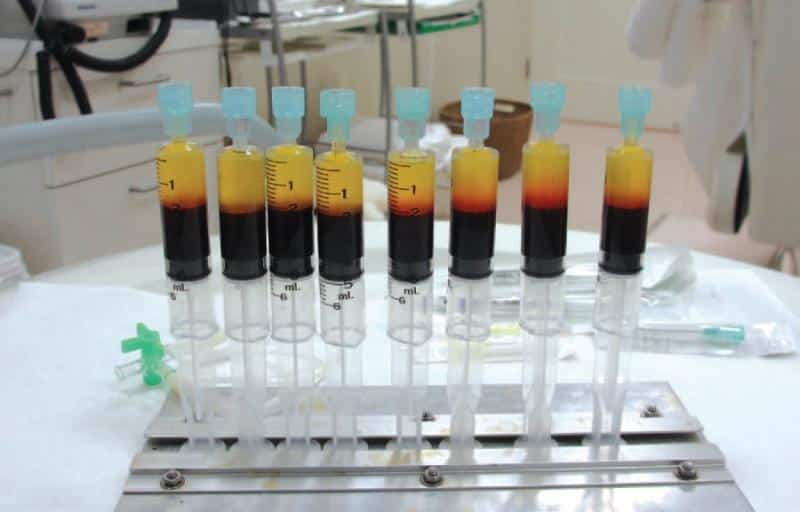
Insights from Preclinical and Clinical Studies
Preclinical Findings
Preclinical studies have shown that platelet-rich plasma (PRP) can significantly improve graft retention in fat grafting procedures. Research indicates that the addition of PRP to fat grafts enhances survival rates. For instance, a study conducted in 2014 demonstrated that using PRP led to a 30% increase in fat retention compared to traditional methods. This improvement is attributed to growth factors present in PRP. These factors promote angiogenesis, which is the formation of new blood vessels. Better blood supply means more nutrients for the transplanted fat cells.
Another study in 2018 focused on animal models. It found that PRP-treated grafts had better integration and less necrosis compared to those without PRP. The results suggest that PRP creates a supportive environment for fat cells, improving their chances of survival and function.
Clinical Trials
Clinical trials have also highlighted the benefits of PRP in fat grafting. A trial published in 2020 surveyed patients who received fat grafting with PRP. The results showed a marked increase in patient satisfaction. About 85% of participants reported improved aesthetic outcomes after six months. They noted fuller areas and more natural-looking results.
Another clinical study from 2021 examined the long-term effects of PRP on fat grafting. Researchers found that patients maintained satisfactory results even after one year. The use of PRP correlated with fewer touch-up procedures needed over time. This suggests that PRP not only enhances initial outcomes but also contributes to lasting results.
Variability in Results
Despite these positive findings, variability exists among studies due to differences in PRP preparation and application methods. Some studies use different centrifugation techniques, impacting platelet concentration. Others vary the volume of PRP used during the procedure, affecting outcomes.
A 2019 review analyzed multiple studies and noted this inconsistency. It emphasized the need for standardized protocols in preparing and applying PRP for fat grafting. Without uniformity, comparing results across studies becomes challenging. This variability can lead to conflicting conclusions about the effectiveness of PRP.
Researchers continue to explore optimal methods for using PRP in fat grafting. Future studies may provide clearer guidelines on how to harness its full potential effectively.
Platelet-Rich Fibrin in Fat Grafting
Definition of PRF
Platelet-rich fibrin (PRF) is a substance derived from blood. It contains a high concentration of platelets and growth factors. PRF is similar to platelet-rich plasma (PRP), but it has a different preparation process. PRF is created through a centrifugation method that allows for the natural formation of a fibrin matrix. This matrix provides a scaffold for cells and growth factors, enhancing healing.
Advantages of PRF
PRF offers several benefits over traditional methods. One significant advantage is its sustained release of growth factors. Unlike PRP, which can release growth factors quickly, PRF releases them gradually. This slow release supports tissue regeneration over an extended period.
Research shows that PRF can enhance wound healing and tissue repair. The presence of growth factors like PDGF and TGF-beta helps stimulate cell migration and proliferation. These factors play a crucial role in the integration of fat grafts into surrounding tissues.
Improved Fat Graft Survival
Using PRF in fat grafting may improve graft survival rates. Studies indicate that integrating PRF with fat grafts enhances their viability. The growth factors in PRF promote angiogenesis, which is the formation of new blood vessels. Increased blood flow helps nourish the transplanted fat cells.
PRF also aids in reducing inflammation at the graft site. Less inflammation means better conditions for fat cells to survive and thrive. Clinical trials have shown promising results regarding the effectiveness of PRF in promoting fat graft integration.
Real-Life Applications
Surgeons increasingly use PRF alongside fat grafting procedures. For example, during breast reconstruction surgeries, combining fat grafts with PRF leads to improved outcomes. Patients often report better contouring and longer-lasting results.
Another application is in facial rejuvenation procedures. In these cases, using PRF with facial fillers enhances skin texture and elasticity. Many patients experience quicker recovery times when treated with PRF.
Future Directions and Advancements
Enhanced Techniques
Researchers aim to improve PRP preparation methods. Current techniques vary in efficiency. Future advancements may focus on standardizing these processes. This could lead to more consistent results in fat grafting.
Innovations may include automated systems for PRP extraction. These systems can reduce variability in platelet concentration. Higher platelet counts could enhance the effectiveness of fat grafts. Improved methods will likely result in better survival rates of transplanted fat cells.
New Applications
Clinical applications of PRP in fat grafting are expanding. Doctors are exploring its use beyond cosmetic procedures. PRP may find a role in treating traumatic injuries or post-surgical recovery.
New protocols are under development for integrating PRP into various treatments. For instance, combining PRP with liposuction could optimize fat harvesting. This approach may improve the quality of the harvested tissue, enhancing graft success.
Research Collaborations
Ongoing research focuses on combining PRP with other regenerative therapies. Studies examine the effects of pairing PRP with stem cell therapy. This combination might amplify healing and regeneration.
Collaborative efforts among scientists and clinicians drive innovation. They explore how PRP interacts with different cellular environments. Understanding these interactions is crucial for maximizing outcomes.
Research also investigates the timing of PRP application. Administering PRP at specific intervals post-grafting could yield better results. Scientists aim to determine the optimal conditions for using PRP effectively.
Regulatory Considerations
As interest grows, regulatory bodies will likely take notice. Guidelines for using PRP in fat grafting will need to be established. Clear regulations can ensure safety and efficacy for patients.
Regulatory frameworks can facilitate broader acceptance of PRP treatments. They help standardize practices across clinics and hospitals. This consistency is essential for patient trust and treatment success.
Patient-Centric Focus
The future of PRP in fat grafting will prioritize patient outcomes. Clinicians will seek to tailor treatments to individual needs. Personalized approaches can enhance the effectiveness of therapies.
Practitioners may incorporate patient feedback into treatment protocols. Understanding patient experiences can guide continuous improvement. This focus on patient satisfaction ensures that advancements meet real-world needs.
Closing Thoughts
Platelet-rich plasma (PRP) is transforming fat grafting. Its role in enhancing graft survival and promoting healing is backed by solid research. You’ve seen how PRP preparation, activation, and growth factors work together to boost outcomes. The insights from studies highlight its potential and pave the way for future advancements.
As you explore PRP in your practices or personal journeys, consider its benefits. Staying updated on the latest techniques can elevate your results. Embrace this innovative approach to maximize the effectiveness of fat grafting. Dive deeper into this field, and don’t hesitate to reach out for more information or guidance. Your journey toward enhanced aesthetic outcomes starts now!
Frequently Asked Questions
What is platelet-rich plasma (PRP)?
Platelet-rich plasma (PRP) is a concentration of platelets and growth factors derived from a patient’s own blood. It promotes healing and tissue regeneration, making it beneficial in fat grafting procedures.
How is PRP prepared for use in fat grafting?
PRP is prepared by drawing blood from the patient, then using a centrifuge to separate the platelets from other blood components. This results in a concentrated solution ready for injection.
What activation techniques are used for PRP?
Common activation techniques include adding calcium chloride or thrombin to PRP. These agents stimulate platelet release of growth factors, enhancing its effectiveness in fat grafting.
How does PRP affect fat graft survival?
PRP enhances fat graft survival by improving vascularization and promoting cell proliferation. This leads to better integration of the graft with surrounding tissues.
What mechanisms does PRP use in fat grafting?
PRP utilizes growth factors to stimulate angiogenesis, collagen synthesis, and cellular migration. These mechanisms support improved healing and longevity of fat grafts.
Are there clinical studies supporting PRP’s effectiveness in fat grafting?
Yes, several preclinical and clinical studies indicate that PRP significantly improves fat graft survival rates and overall outcomes. These findings support its use as an adjunctive treatment.
What is platelet-rich fibrin (PRF) in relation to fat grafting?
Platelet-rich fibrin (PRF) is a similar product to PRP but contains a higher concentration of fibrin. It provides sustained release of growth factors, further enhancing healing in fat grafting procedures.