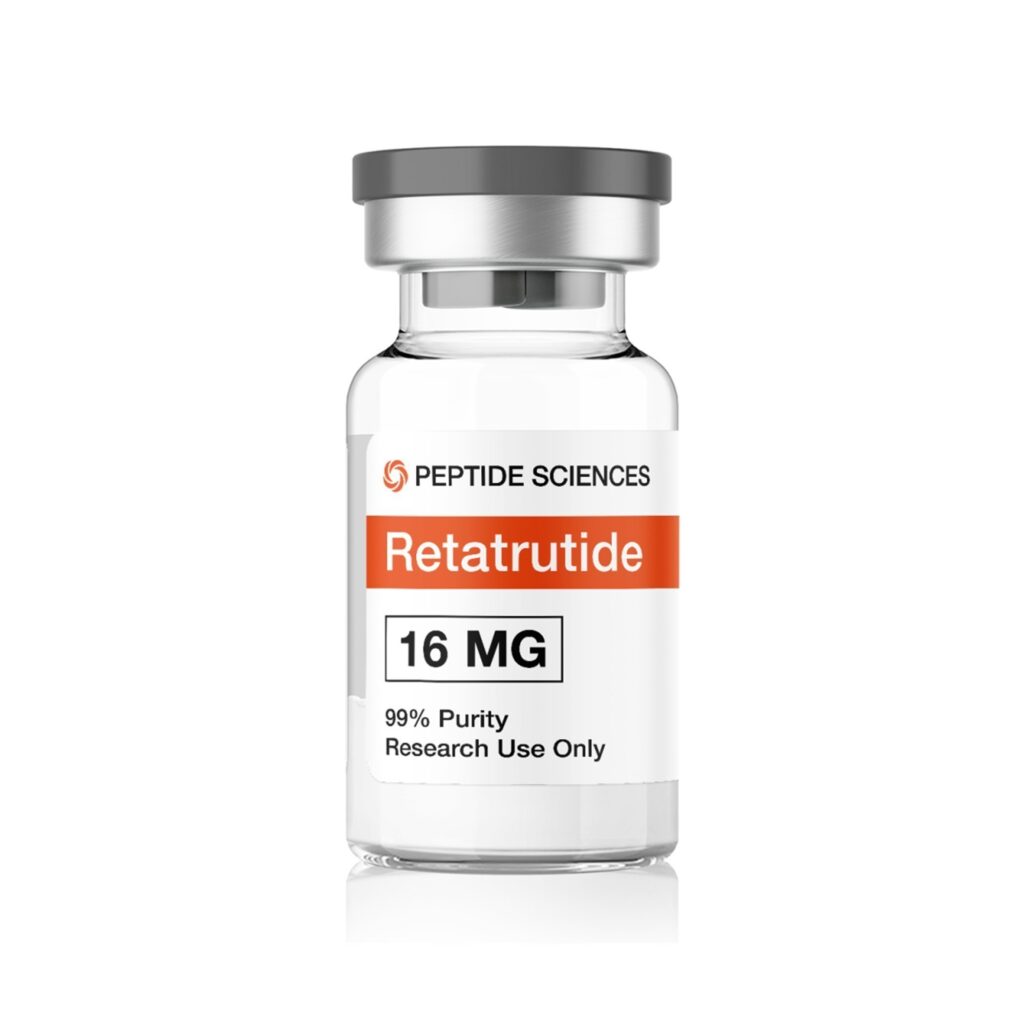
Key Takeaways
- Retatrutide is a novel drug that targets various hormonal pathways to modulate appetite, enhance insulin sensitivity and facilitate weight loss in non-diabetic individuals.
- In clinical trials, it has demonstrated substantial and sustained weight loss and enhancements in metabolic indicators, including glucose and cholesterol.
- Retatrutide’s safety profile encompasses typical side effects such as gastrointestinal discomfort, underscoring the significance of vigilant monitoring and transparent dialogue with healthcare professionals.
- As with any weight-loss drug, pairing retatrutide with healthy habits — think balanced nutrition and regular exercise — is key to sustained results.
- There is continuing research into the long term safety and effectiveness of retatrutide and its ramifications for future obesity treatment.
- Anyone thinking about retatrutide should discuss with doctors and nurses the pros and cons and get a personalized strategy for weight loss.
Retatrutide non-diabetic weight loss — employing this new medicine to assist individuals in shedding pounds even if they don’t have diabetes.
In initial studies, it demonstrated the ability to help reduce body weight by engaging with hormones that regulate hunger and satiety. The drug remains in trial stage, and early results appear promising for people who battle excess pounds.
The main body will discuss how it functions, who it is appropriate for, and potential side effects.
What is Retatrutide?
Retatrutide is a novel weight loss drug. It’s a synthetic peptide administered via once-weekly injection and is still being investigated in Phase 3 clinical trials. It’s a triple-hormone-receptor agonist that targets three hormone systems in the body that affect hunger, blood sugar, and metabolism.
Some important facts about retatrutide:
- Triple agonist: Activates GIP, GLP-1, and glucagon receptors.
- Delays gastric emptying, which means it slows down how fast food leaves the stomach and helps users feel full longer.
- Boosts insulin release, which helps keep blood sugar stable.
- Influences glucagon signaling to possibly raise energy use.
- Has demonstrated an average weight loss of up to 24.2% at 48 weeks in trials.
- May help with weight loss in people without diabetes.
- Safety profile is similar to other GLP-1 drugs.
- It’s being tested against obesity, type 2 diabetes, and fatty liver disease.
Retatrutide’s effectiveness in combating obesity ultimately boils down to how it mitigates hunger and increases the body’s sensitivity to sugar and energy. It acts on three hormone pathways and provides an alternative to traditional, single-target drugs.
1. Triple-Agonist Action
Retatrutide works by targeting three key hormone receptors: GLP-1, GIP, and glucagon. Glucagon receptor activation boosts metabolism and helps the body burn more calories and fat.
GLP-1 and GIP receptors increase insulin secretion, which assists in controlling post-meal blood sugar levels. This combination of effects implies that retatrutide not only suppresses appetite but maintains stable glucose levels and increases energy expenditure.
By addressing multiple different pathways, it could result in greater weight loss than medications that only focus on a single hormone. These impacts are proving promising in clinical trials among individuals dealing with obesity.
2. Appetite Suppression
Retatrutide packs a powerful punch on appetite control. It operates via the brain’s central nervous system, reducing hunger signals.
By slowing stomach emptying, retatrutide makes people feel full longer after meals. The drug reduces levels of hunger hormones, which aids in reducing food intake.
Trials say that people lose more weight because they eat less and persist with better habits. Controlling appetite is the key ingredient for long term weight management, which makes retatrutide such a valuable weapon.
3. Energy Expenditure
Retatrutide alters energy utilization and storage. It helps shed more fat by increasing energy expenditure or thermogenesis.
This occurs largely via glucagon and GLP-1. With increased energy expenditure comes less fat accumulation. The medicine assists the body in shifting between combusting carbohydrates and fat, rendering metabolism more adaptable.
Increasing energy expenditure is a major reason retatrutide may promote sustained weight loss.
4. Metabolic Impact
Research finds retatrutide causes significant weight reduction in individuals suffering from obesity. Primary endpoints were body weight, waist circumference, and blood markers.
In one study, individuals shed an average of 17.5% of their initial weight in six months and as much as 24.2% after 48 weeks. Relative to placebo, retatrutide recipients experienced weight declines and overall metabolic improvements.
Long term, these findings imply that retatrutide has the potential to be a key treatment option for obesity.
Clinical Evidence
Clinical research on retatrutide, a triple-hormone agonist, has centered on its function in assisting individuals without diabetes in shedding pounds. The trials gauged weight loss, the safety of the medicine, and how it might impact other health markers. This evidence is useful in demonstrating whether retatrutide may be an effective option for individuals with health-related weight loss needs.
Trial Results
In clinical trials, people on retatrutide lost an average of 15% to almost 24% of their body weight after 48 weeks, depending on the dose received. The highest dose group experienced the greatest weight loss with a distinct dose-response relationship. These figures exceed those observed in numerous other weight loss trials for drugs such as semaglutide or tirzepatide.
Weight loss continued beyond week 36, with the majority still losing weight at week 48. This implies the impact doesn’t diminish quickly, as with certain other medications where weight loss can stall.
Lots more experienced improved metabolic health as well. Blood pressure, cholesterol, and liver fat markers shifted in the right direction. For starters, A1C levels fell 1.7% to 2% in individuals beginning with hyperglycemia, which is a sizable advance.
Shedding pounds in this way means a reduced chance of heart diseases and some cancers. In these trials, many more people achieved at least 5%, 10%, 15%, and even 20% weight loss goals versus placebo.
Weight Reduction
Retatrutide’s safety profile is similar to other GLP-1s. People frequently experienced mild to moderate gastrointestinal symptoms, including nausea, diarrhea, or vomiting. Hypersensitivity reactions were more common with retatrutide than with placebo, but were not severe for most.
Doctors watched for side effects and checked health at regular visits. Stopping the drug because of side effects was rare and was similar to rates seen in other trials for weight-loss drugs.
On the whole, the advantages of shedding pounds and reducing blood sugar outweighed the dangers for the majority of individuals examined. Careful follow-up and monitoring help keep risks low.
Safety Profile
Retatrutide might be doing more than just assisting with weight. Retatrutide made people’s blood sugar better even if they didn’t have diabetes. Blood pressure and cholesterol readings frequently improved as well.
These shifts can reduce your risk of diabetes and cardiovascular disease. Retatrutide may be useful for those at risk, and more research is needed to find out for certain.
Potential Benefits
Retatrutide, a novel multi-receptor agonist, displays significant potential for non-diabetic weight loss. Its benefits extend beyond weight loss and have wide-ranging effects on metabolic and cardiovascular health. The sections below disaggregate these possible benefits and their significance for individuals dealing with obesity and associated health issues.
Metabolic Health
In clinical trials, retatrutide users lost almost 29% of their initial body weight after 68 weeks, which is about 32 kilograms for many. This lost weight resulted in dramatic changes in metabolic markers. Insulin sensitivity frequently improved, with improved glycemic control observed in even non-diabetic users.
The drug’s glucose-dependent insulinotropic effect serves to keep blood sugar steady, minimizing post-meal spikes. These changes may help reduce the risk of type 2 diabetes, particularly when combined with lifestyle modifications.
Metabolic dysfunction propels elevated risks for hypertension, dyslipidemia, and NAFLD. Retatrutide’s impact on lipids has been impressive, with certain patients experiencing reductions in LDL and total cholesterols. This may help lower long-term risk of chronic disease. If you’re dealing with metabolic syndrome or prediabetes, such improvements can be a long-term health gamechanger.
Keeping your lean body mass during weight loss is a struggle. Retatrutide seems to better preserve muscle than several older GLP-1-based medicines. This preservation bolsters mobility, enhances energy, and enables individuals to remain active, all crucial factors for sustainable weight control.
A lot of participants were less stressed and felt more self-assured and happier, which could keep them on track with healthy habits.
Cardiovascular Markers
Retatrutide has had a beneficial impact on cardiovascular health markers. Trials have found modest reductions in systolic and diastolic blood pressure. Cholesterol, particularly LDL cholesterol, drops. These alterations reduce the chronic risk of heart disease, a top cause of morbidity in those with obesity.
Even weight loss alone is associated with better heart markers. When people lose a lot of weight, they generally experience improvements in blood pressure, triglycerides, and HDL cholesterol. Cardiovascular outcome trials are key because they will validate whether these gains persist and convert into reduced heart attacks or strokes over time.
Liver Fat
Retatrutide aids in decreasing overall liver fat, which is critical for those at risk for or diagnosed with fatty liver disease (NAFLD/NASH). Lower liver fat is associated with improved liver function and reduced inflammation. A few of the trial participants with high liver enzymes at baseline improved after treatment.
Retatrutide’s weight loss is accompanied by reductions in liver fat. This is significant because lowering liver fat could aid in stalling or even preventing NAFLD from advancing to more serious liver-related diseases.
Improved liver health cascades in benefits to whole-body metabolism, decreasing the risk of related diseases such as metabolic syndrome. Better liver function sustains energy and diminishes fatigue, contributing to quality of life.
Safety and Tolerability
Quite common side effects for retatrutide are mild nausea, diarrhea, and headache. These tend to lessen. A few may become constipated or lose their appetite. While most side effects are treatable, continuous monitoring is required, particularly initially.
Long-term safety still needs more data. Gallbladder questions, pancreatitis, and rare allergies exist. Care provider follow-up is important throughout treatment.
Patient education is critical. Folks need to be aware of risks, when to report symptoms and the importance of follow-up testing. This enables users to make wise decisions and gain the greatest advantage with minimal danger.
Known Risks
Retatrutide, a drug being studied for non-diabetic weight loss, carries several dangers and uncertainties. Early data is encouraging, but its safety profile remains under construction in clinical trials. The majority of side effects are comparable to other weight loss drugs, but there are some specific concerns, such as an increased risk of bone fractures and potential drug-drug interactions.
Common Side Effects
Nausea, vomiting and stomach upset are the most frequently occurring side effects in clinical trials. Some patients suffer stomach pain, bloating, or changes to bowel habits that can be mild or severe. These symptoms typically appear soon after initiating the medication and may diminish over time.
For others, they can linger or even intensify. When these side effects are severe, they can prevent patients from adhering to their regimen and cap the efficacy of retatrutide. A less prevalent, yet still serious risk is bone fractures. While there are no reported widespread adverse effects, early data indicates that retatrutide may increase the risk of fractures, especially in patients who are already predisposed due to age or underlying bone conditions.
This risk means patients and doctors should monitor for indications of bone fragility or pain and intervene if necessary. Treating these side effects typically involves modifying diet, dose, or using other medications to alleviate symptoms. Easy measures, such as eating small meals or steering clear of spicy foods, reduce nausea.
More serious cases could require pauses or a change in medication. It is important to report any symptoms to your healthcare providers, as they can provide personalized guidance and watch for symptoms of rare but serious complications such as pancreatitis.
Long-Term Concerns
It’s not clear how retatrutide will impact weight and metabolic health in the long term. Others fret that discontinuing it might cause swift weight gain or blood sugar fluctuations. We’re not sure about the risk of metabolic problems down the line, for example, impaired glucose tolerance or fatty liver disease.
Since retatrutide hits three hormone receptors, this might trigger drug interactions or exacerbate health problems. Those with a history of pancreatitis or liver issues could be at increased risk. Since the drug is still in trial mode, its complete range of long-term risks is unknown, and more research is required.
Lifestyle changes, such as diet and exercise, are still relevant. Medication by itself might not provide long-lasting relief, and these healthy habits can decrease the need for increased dosages or chronic use.
Individual and Holistic Considerations
Every individual will respond to retatrutide differently. Genetics, pre-existing conditions, and other medicine all add up. Support from family, friends, or counseling can help people cope with the rollercoaster of weight loss and rebound effects.
Weight loss takes a toll beyond your body. Psychological factors, such as fluctuations in self-esteem or mood, influence subjective impressions of advancement. This holistic approach that looks at emotional and social well-being, not just the numbers on a scale, leads to better, more lasting outcomes.
A Personal Perspective
Weight loss with retatrutide frequently translates to more than just what’s on the scale. Most observe non-numeric wins—such as walking stairs without pausing, easily tying shoes, or experiencing less joint pain. These non-scale victories are what counts in everyday life, piling up little benchmarks that increase morale and fuel motivation.
Others experience better sleep, more even moods and energy. One or two mention dropping their A1C, which is blood sugar staying better in check. These enhancements can ultimately drive a higher quality existence, making individuals feel more alive.
Retatrutide can lead to dramatic weight loss—nearly 24% on average, or roughly 17 kilograms in 40 weeks—these gains are more than just kilos. Not every day is effortless. Side effects such as dysesthesia, a burning or tingling sensation, can occur, particularly in the initial weeks.
Beginning with a small dose and increasing it gradually can aid. It’s your journey and you should be focused on being healthy, not necessarily the size of your pants.
Beyond the Scale
Incorporating smart decisions is paramount with retatrutide. Diet and exercise are still at the core of sustainable change. Retatrutide can accelerate weight loss, and meals packed with whole foods, lean protein, and movement are equally crucial.
Others discover that daily walks or cooking more at home make a significant difference. Custom schedules are king; what’s right for one life isn’t right for another. Collaborating with a doctor ensures you adjust plans as needed.
Starting slow, discovering what works, and building habits that last matter more than hacks. Habits that stick, such as establishing a consistent sleep routine or discovering an enjoyable form of exercise, can maintain momentum well beyond the initial pharmaceutical kick.
It’s not simply weight loss, but weight loss with authentic, permanent transformation.
The Lifestyle Factor
A personal perspective on how retatrutide could influence obesity treatment going forward. Its potent weight-loss and A1C effects suggest that future drugs could work like this. Emerging research will probably provide further perspective on both its benefits and its dangers.
Researchers are still investigating how it could aid other medical issues, such as metabolic dysfunction-associated steatohepatitis (MASH). The field of obesity treatment keeps evolving, and new alternatives demand continuous education.
Keeping up to date can assist people in making intelligent decisions about their health.
Future Implications
Regulatory approval for retatrutide will be based on the outcome of large clinical trials. These trials have to prove it’s both safe and effective for the general population. The weight loss drug market is heating up and retatrutide could be a front-runner if approved.
We really need to continue the discussion about how these novel therapies integrate into the larger context of the war on obesity globally.
Future Outlook
Retatrutide is receiving worldwide attention as a next-generation GLP-1 therapy for weight loss, particularly in non-diabetic patients. It could assist individuals with obesity and metabolic risks and could be one for patients who failed to respond to drugs such as semaglutide or tirzepatide. Its distinctive profile extends to its capacity to aid in preserving muscle mass during weight loss, which is an issue with many current treatments.
Given that it’s still being researched and reviewed by regulators, it has more hurdles to clear before it can be approved and widely used.
Regulatory Path
Retatrutide’s clinical development is now well advanced, with Phase 3 trials ongoing. These trials examine its impact in individuals with obesity, including those with comorbidities such as type 2 diabetes and nonalcoholic fatty liver disease. Among them are weight change, safety, and the drug’s efficacy relative to other therapies.
In one recent trial, high-dose subjects lost an average of 16.8% of their body weight over 40 weeks or approximately 16.6 kilos. Among all patients, including those who discontinued, the mean was 15.3%.
Knowing what is safe in the long term is crucial. Early data indicates retatrutide protects lean body mass more than previous GLP-1s, but muscle loss remains a danger. Future studies will monitor for side effects, impact on metabolism, and effectiveness of maintaining weight loss after drug discontinuation.
It’s all about working together to move forward. Pharma, academia, and health authorities collaborate to organize trials, pool data and tackle safety concerns. These partnerships enable broader testing in other cohorts, like individuals with NAFLD or those who were non-responsive to other weight loss medications.
The results from these studies will influence how retatrutide is utilized and who will gain the most benefits. New discoveries that could transform the way obesity is treated globally. With each new batch of data, it builds the argument for how retatrutide may integrate into treatment regimens among various patient profiles.
Ongoing Research
Retatrutide may transform the world of non-diabetic weight loss. Its robustly positive trial results, particularly for muscle-sparing, keep it on our radar. Potential advantages are greater weight loss, improved health in the metabolically challenged, and less lean mass loss.
The dangers are there, as with any medicine. Side effects include nausea or digestive issues, and long-term effects are still being studied.
In general, we want people to view retatrutide as one component of a comprehensive weight loss strategy. This schedule ought to involve healthy eating, frequent activity, and medical follow-up as well. Ongoing investigation and information will remain essential as increasing numbers of individuals turn to novel approaches to obesity.
Conclusion
Retatrutide appears to shine for non-diabetic weight loss. Research indicates actual weight loss and emphasizes its usefulness as a tool for individuals who find diet and exercise insufficient. Side effects can appear, so consulting with a health care professional before beginning is wise. Some are going to want more details, while others will want to see longer-term outcomes. The science will continue to march, and more answers will come with time. For those seeking effective and authorized avenues for weight management, staying informed on retatrutide research is logical. Be informed and consult a trusted health professional for guidance that suits you.
Frequently Asked Questions
What is Retatrutide?
Retatrutide is a weight-loss investigational medication. It targets multiple hormone receptors to aid in the control of hunger and metabolism. It is now being investigated in clinical trials for weight management in individuals who are not diabetic.
Is Retatrutide effective for non-diabetic weight loss?
Early clinical studies demonstrate that Retatrutide might assist non-diabetics in shedding pounds. Trial subjects were able to lose substantially more weight than those on a placebo.
How does Retatrutide work for weight loss?
Retatrutide focuses on three important hormone receptors involved in appetite and metabolism. By activating these pathways, it blunts appetite and primes the body to burn more fat.
What are the potential benefits of Retatrutide for non-diabetics?
For non-diabetics, Retatrutide could provide potent weight loss and metabolic benefits. Certain other studies report improved cholesterol and blood pressure levels.
What are the known risks or side effects of Retatrutide?
Most common side effects in trials are nausea, diarrhea, and vomiting. The majority of side effects were mild to moderate and generally diminished as time went on. Serious side effects are rare but are still being researched.
Is Retatrutide approved for use?
Retatrutide is not yet approved by major health authorities for weight loss, either in diabetics or non-diabetics. It remains accessible solely through clinical trials at this point.
Who should consider Retatrutide for weight loss?
Retatrutide is only available to participants of clinical trials at this time. All interested parties should consult a healthcare provider to determine their eligibility to participate.