Understanding Scars
Definition
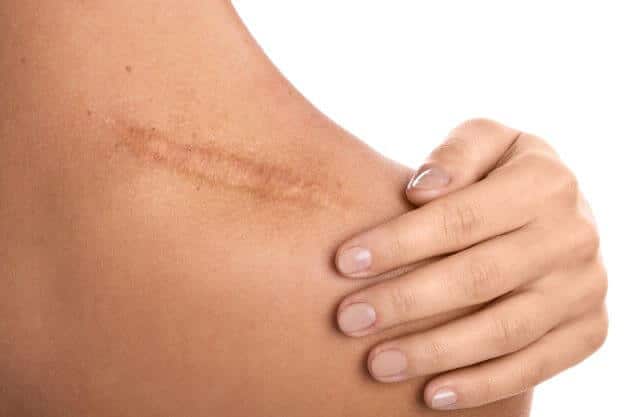
Scars are marks left on the skin after a wound heals. They form as part of the body’s natural healing process. When the skin is damaged, the body produces collagen fibers to repair the injury. This new tissue is different from normal skin.
Formation Process
The formation of a scar involves several stages. First, there is inflammation. Blood clots form to stop bleeding. Next, the body produces collagen to close the wound. Over time, the new tissue strengthens and changes color.
Normal vs. Abnormal Scars
Normal scars are usually flat and pale. They blend with the surrounding skin over time. Sometimes, scars develop abnormally and become raised or discolored.
Abnormal scars include:
- Hypertrophic scars: These are raised but do not grow beyond the wound’s boundaries.
- Keloid scars: These extend beyond the original injury site and can be painful or itchy.
- Atrophic scars: These appear as depressions in the skin, often resulting from acne or chickenpox.
Psychological Impact
Visible scars can affect a person’s self-esteem. They may feel self-conscious or embarrassed about their appearance. This emotional distress can lead to anxiety or depression.
Scar revision techniques help improve appearance and boost confidence. For many, this change is life-altering.
Importance of Scar Revision
Scar revision is essential for those struggling with visible scars. Techniques vary based on scar type and location. Common methods include surgical removal, laser therapy, and dermabrasion.
Types of Scars and Their Treatments
Keloid Scars
Keloid scars are thick, raised scars. They extend beyond the original injury site. These scars often appear shiny and smooth. They can be red, pink, or darker than the surrounding skin.
Keloids form due to an overproduction of collagen. This usually happens after a wound heals. People with darker skin tones are more prone to keloids. Genetic factors also play a role.
Specialized treatment is often needed for keloid scars. Steroid injections can help reduce inflammation and size. Other options include laser therapy and cryotherapy.
Hypertrophic Scars
Hypertrophic scars are also raised but differ from keloids. They stay within the boundaries of the original wound. These scars can be red or purple initially but may fade over time.
Hypertrophic scars result from excess collagen during healing. Unlike keloids, they do not grow indefinitely. They often improve on their own within a few years.
Pressure therapy is effective for hypertrophic scars. Silicone sheets can also flatten them. Steroid injections may be used if the scar is painful or itchy.
Contracture Scars
Contracture scars form when skin tightens after an injury. Burns often cause these types of scars. They can restrict movement, especially if they occur over joints.
These scars pull the edges of the skin together, leading to tightness. This can affect muscles and tendons beneath the scarred area.
Treatment for contracture scars includes physical therapy to improve mobility. Surgical procedures may also be necessary to release tightened skin.
Non-Surgical Treatments
Several non-surgical treatments are available for different types of scars:
- Steroid Injections: Reduce inflammation and size in keloid and hypertrophic scars.
- Cryotherapy: Uses extreme cold to freeze and reduce keloid tissue.
- Pressure Therapy: Applies pressure using silicone sheets or garments to flatten hypertrophic scars.
- Laser Therapy: Helps reduce redness and smooth out the texture of various scars.
- Silicone Gel Sheets: These are applied to the scar to keep it hydrated and flat.
Each treatment has its benefits and limitations. Consulting a dermatologist is crucial for choosing the best method.
Steps in Scar Revision Surgery
Initial Consultation
The first step is the initial consultation. Surgeons assess the scar’s size, shape, and location. They also review the patient’s medical history.
Patients discuss their goals for the surgery. This includes what they hope to achieve in terms of appearance or function. Realistic expectations are set during this meeting.
Planning and Preparation
Surgeons plan the procedure based on the assessment. They choose the best technique for each individual scar. This planning stage is crucial for a successful outcome.
Preparation involves several steps:
- Patients may need to stop certain medications.
- Skin care routines might be adjusted.
- The area around the scar is cleaned thoroughly before surgery.
Excision Technique
One common method is excision. Surgeons cut out the scar tissue and then close the wound carefully. This can reduce the scar’s visibility significantly.
Excision works well for small scars. It is often used for acne scars or minor surgical scars.
Z-Plasty Technique
Another technique is Z-plasty. Surgeons make a Z-shaped incision to reposition the scar. This can improve both appearance and function.
Z-plasty helps with scars that restrict movement. It can make them less noticeable by aligning them with natural skin folds.
Skin Grafting
Skin grafting is used for larger scars. Surgeons take healthy skin from another part of the body and place it over the scarred area.
This technique covers extensive areas of scar tissue. It is often used for burn scars or large traumatic injuries.
Dermabrasion
Dermabrasion smooths out uneven scars. A special tool removes the top layers of skin, allowing new skin to grow back smoother.
This technique works best for raised or rough-textured scars. It can greatly improve skin texture and appearance.
Laser Therapy
Laser therapy targets pigment changes in scars. Lasers break down excess melanin or stimulate collagen production.
This method is effective for red or dark scars. It can also help flatten raised scars over time.
Post-Surgery Care
After surgery, post-care is vital. Patients must follow instructions to ensure proper healing:
- Keep the area clean and dry.
- Apply prescribed ointments.
- Avoid direct sunlight on the scar.
Regular follow-ups with the surgeon are necessary to monitor progress.
Anesthesia in Scar Correction
Local Anesthesia
Local anesthesia numbs a small area of the body. It is often used for minor scar revisions. This type of anesthesia allows patients to stay awake during the procedure. Doctors inject it directly into the area around the scar. The effect lasts for a few hours, making it ideal for short surgeries.
Local anesthesia has fewer side effects than general anesthesia. Patients can go home shortly after the procedure.
Regional Anesthesia
Regional anesthesia numbs a larger part of the body. It is useful for scars on limbs or large areas. The medicine blocks pain in a specific region, like an arm or leg.
Doctors administer regional anesthesia through injections or nerve blocks. Patients remain awake but feel no pain in the targeted area. This type of anesthesia is safer for patients with certain health conditions.
General Anesthesia
General anesthesia makes patients unconscious during surgery. It is used for extensive scar revisions or when multiple scars need treatment. The entire body is affected, ensuring no pain or awareness during the procedure.
An anesthesiologist monitors the patient’s vital signs throughout the surgery. General anesthesia carries more risks and requires careful consideration.
Choosing Anesthesia
Several factors influence the choice of anesthesia. The size and location of the scar are key considerations. Larger scars may require regional or general anesthesia.
Patient health also plays a crucial role. Certain medical conditions may limit options. For example, patients with heart issues might avoid general anesthesia.
Patient comfort and safety are top priorities in choosing the right type of anesthesia.
Ensuring Comfort and Safety
Anesthesia ensures patient comfort during scar revision procedures. It eliminates pain, allowing surgeons to work effectively. Safety measures include monitoring vital signs and adjusting doses as needed.
Patients receive detailed instructions before and after surgery. These guidelines help reduce risks and promote quick recovery.
The Treatment Process
Pre-Treatment Preparations
Patients need a thorough evaluation before starting scar revision. Doctors assess the injured area and overall health. Medical history is reviewed to identify any factors that might affect healing. Skin treatments like topical treatments may be recommended. These can prepare the skin for the procedure.
Initial Incision
The treatment begins with an incision around the scar. Surgeons use precise techniques to minimize damage to surrounding tissues. The direction of the incision is important. It follows natural skin lines to reduce tension and improve outcomes.
Tissue Removal or Adjustment
Next, the surgeon removes or adjusts tissue. This step depends on the technique used. In some cases, cryotherapy is applied to freeze and remove abnormal tissue. Other methods involve excising the scar and suturing the wound edges together.
Closing the Wound
After adjusting the tissue, the wound is closed carefully. Surgeons use fine stitches or special adhesives. This minimizes tension on the skin and promotes better healing. The goal is to align the top layers of skin smoothly.
Post-Treatment Care
Post-treatment care is crucial for optimal healing. Patients must follow specific instructions:
- Keep the treated area clean and dry.
- Apply prescribed medications to prevent infection.
- Avoid strenuous activities that could strain the wound.
- Attend all follow-up appointments for monitoring.
Proper care reduces adverse effects and enhances recovery.
Healing Phases
Healing occurs in several phases:
- Inflammatory Phase: Lasts a few days post-surgery. Swelling and redness are common.
- Proliferative Phase: New tissue forms over weeks.
- Maturation Phase: Final stage where the scar matures over months.
Each phase requires careful attention to ensure proper wound healing.
Removing Deep Scars Surgically
Excision Technique
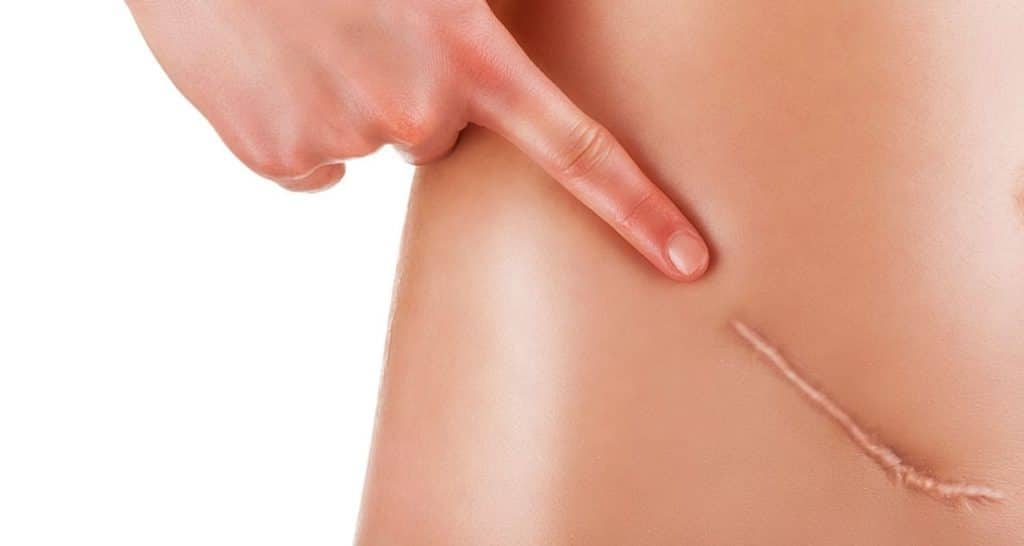
Surgeons often use excision to remove deep scars. They cut out the scar tissue entirely. This method is effective for smaller, deep scars. The surgeon removes the scar and some surrounding healthy skin. This ensures complete removal of the damaged area.
After excision, the surgeon closes the wound with stitches. They may use layers of stitches for better healing. This technique requires precise surgical skill to avoid further scarring.
Advanced Closure Techniques
Advanced closure techniques are used for larger scars. One common method is Z-plasty. In Z-plasty, the surgeon makes a Z-shaped incision around the scar. This helps to reposition the scar into natural skin folds. It also reduces tension on the wound.
Another method is using skin flaps. Skin flaps involve moving healthy skin from one area to another. The surgeon lifts a section of skin and underlying tissues, including muscles if needed, to cover the scarred area. This technique can be complex but offers good results.
Challenges in Scar Removal
Removing deep scars surgically has challenges. One major challenge is the risk of further scarring. Even with the best techniques, new scars can form. Surgeons must balance removing old scars and minimizing new ones.
Another challenge is the need for precise skill. Surgeons must carefully plan each step of the procedure. They need to consider factors like skin tension and blood supply. Mistakes can lead to poor healing or more noticeable scars.
Improvements in Appearance and Functionality
Despite challenges, surgical removal can significantly improve skin appearance and functionality. Many patients see a reduction in scar visibility after surgery. The new skin often blends better with surrounding areas.
Functionality also improves, especially if scars limit movement. For example, scars over joints can restrict motion. Removing these scars can restore full range of motion.
Lasers might be used post-surgery to enhance results further. Lasers help smoothen and lighten remaining scar tissue. Combining surgical techniques with laser treatment offers comprehensive improvement.
Closing Surgical Incisions
Sutures
Sutures are commonly used to close surgical incisions. They involve stitching the wound edges together with a needle and thread. Different materials are used for sutures, including absorbable and non-absorbable threads. Absorbable sutures dissolve over time, while non-absorbable ones need removal.
The choice of suture material depends on the wound’s location and size. For instance, facial wounds often use fine, absorbable sutures for minimal scarring.
Staples
Staples offer another method for closing incisions. These metal clips hold the wound edges together. Surgeons often use staples for larger or deeper wounds. They provide a strong closure and can be applied quickly.
Staples are ideal for areas under tension, such as the abdomen or back. They leave minimal marks when removed properly. Proper technique in applying and removing staples is crucial for optimal results.
Adhesive Tapes
Adhesive tapes are less invasive than sutures or staples. They work by sticking to the skin and holding the wound edges together. Tapes are best suited for smaller, superficial cuts.
These tapes are often used in combination with other methods. For example, surgeons might use adhesive tapes after suturing to provide extra support.
Factors Influencing Choice
Several factors influence the choice of closure method. The location of the scar plays a significant role. Facial scars require more delicate techniques to ensure minimal visibility.
The desired aesthetic outcome also matters. Patients often prefer methods that leave less noticeable scars. Surgeons consider skin type, tension on the wound, and patient preferences when choosing a method.
Minimizing Scar Formation
Proper incision closure is vital in minimizing scar formation. Using appropriate techniques helps align the skin edges accurately. This alignment promotes better healing and reduces scar tissue formation.
Surgeons aim to close incisions with minimal tension on the skin. Less tension means fewer chances of wide or raised scars. Proper aftercare is also essential in promoting optimal healing.
Benefits of Surgical Scar Revision
Aesthetic Improvements
Surgical scar revision can greatly enhance the appearance of scars. One main benefit is reduced scar visibility. Surgeons use techniques to make scars less noticeable. They may remove old scar tissue and replace it with new, healthier skin.
Another improvement is better skin texture. Scar revision helps smooth out rough or raised areas. This results in a more even skin surface. Patients often feel more satisfied with their appearance after these changes.
Functional Benefits
Scar revision also offers functional benefits. Scars can sometimes limit movement, especially if they form contractures. Contractures are tight bands of scar tissue that restrict motion.
By removing or altering these scars, patients can gain increased mobility. For example, a scar on the elbow might prevent full arm extension. After revision, the patient could regain normal range of motion.
This improved function can make daily activities easier. It can also reduce pain associated with tight scars.
Psychological Impact
The psychological benefits of scar revision are significant. Many people feel self-conscious about visible scars. This can affect their self-esteem and body image.
Improving the appearance of scars can boost self-confidence. Patients often report feeling more comfortable in social situations. They may also feel happier with their overall appearance.
In some cases, scar revision can help improve mental health. Reducing the emotional burden of visible scars can lead to a better quality of life.
Real-Life Examples
Consider someone who had surgery for a sports injury. The resulting scar on their knee might be large and noticeable. After surgical scar revision, the person might feel more confident wearing shorts again.
Another example is a burn victim with contractures on their hands. Scar revision could help them regain hand function. This would make daily tasks like writing or cooking much easier.
Closing Thoughts
Scar revision techniques offer a lifeline for those seeking to improve their skin’s appearance and regain confidence. With various options available, from surgical procedures to less invasive treatments, you have the power to choose the best path for your unique needs. Understanding the process and benefits can help you make informed decisions about your health and well-being.
Ready to take the next step? Consult with a qualified specialist to explore your options and start your journey toward smoother, more even skin. Don’t let scars hold you back—embrace the possibilities of modern scar revision techniques today.
Frequently Asked Questions
What are the main types of scars?
Scars can be hypertrophic, keloid, atrophic, or contracture. Each type requires specific treatments to improve appearance.
How does scar revision surgery work?
Scar revision surgery removes or reduces the scar tissue. The surgeon then repositions and closes the wound to minimize scarring.
Is anesthesia required for scar correction?
Yes, anesthesia is used during scar correction to ensure patient comfort. Local or general anesthesia may be applied depending on the procedure’s complexity.
Can deep scars be removed surgically?
Yes, deep scars can be surgically removed. This involves excising the scar tissue and carefully closing the incision to reduce new scar formation.
What are the benefits of surgical scar revision?
Surgical scar revision improves appearance, restores skin function, and boosts self-confidence. It also helps in reducing pain and discomfort associated with certain scars.
How are surgical incisions closed after scar revision?
Surgical incisions are closed using fine sutures or skin adhesives. Proper closure techniques are essential to minimize scarring and promote healing.
What steps are involved in scar revision surgery?
The steps include consultation, anesthesia administration, excision of scar tissue, repositioning of skin, and careful closure of the incision. Post-operative care follows to ensure proper healing.