
Key Takeaways
- It’s called ‘The Skinny BBL’ because it’s specifically designed for those patients who are already very thin with low body fat.
- Creating balanced body proportions and a natural silhouette are central to artful, meticulous fat transfer.
- Good candidates have enough donor fat, good skin elasticity, and reasonable expectations.
- Selecting a skilled surgeon is critical, as the Skinny BBL requires expertise and strategic incisions.
- Healing requires following postoperative care, being patient during the healing process, and maintaining long-term healthy habits.
- Consistent checkups and proactive aftercare can assist in maintaining the results and enjoying long-term satisfaction with the procedure.
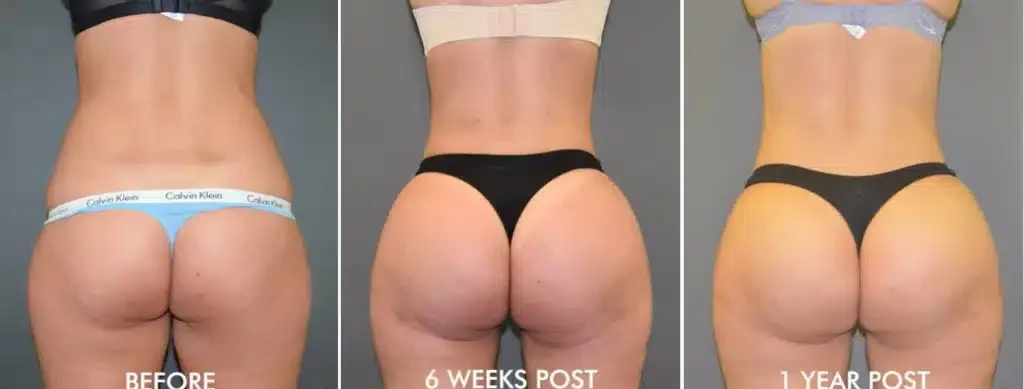
BBL before and after skinny patients demonstrates how body contouring with lipo can transform those with less fat as well. Skinny patients may experience subtle but obvious transformations in their hips and “booty.” Results vary based on initial body shape, fat stores, and objectives.
Surgeons tend to employ meticulous fat transfer for leaner individuals. Images and narratives assist in establishing actual expectations. Below are the details on what to expect, safety tips, and how results might appear.
The Skinny BBL
The Skinny BBL is the fat transfer of choice for lean patients, usually those with a BMI under 25. This one is for those with a very limited amount of extra body fat to work with — think of it as elegant sculpting of the body. Instead of creating dramatic curves, the Skinny BBL focuses on a natural, proportional aesthetic that matches the patient’s frame.
The procedure demands a skilled surgeon who recognizes the very different nature of sculpting with reduced fat volumes and is committed to preserving the patient’s natural physique.
Definition
The Skinny BBL liposuctions fat from the tummy, flanks or thighs and redirects it to the derriere. This technique is specially designed for those who have very little excess fat, typically those who are quite skinny. The idea is not to create volume but to enhance shape and contour.
For instance, the process can address ‘hip dips’ and fill in the shallow indentations of the sides of the hips to create a more even silhouette. Patients come for the Skinny BBL not to make big, noticeable changes to their silhouette, but rather subtle ones.
Most want to maintain their ’au naturale’ look while making minor enhancements that get the confidence juices flowing. The results look proportionate, as the transferred fat is not overly abundant to create over-the-top curves.
The Difference
Standard BBLs generally utilized a high volume of fat to create a drastic transformation. The Skinny BBL is targeted towards very low body fat individuals, utilizing less transferred fat for a more subtle effect. The surgeon must be exact, depositing fat in meticulous layers to model the buttocks and hips without overfilling.
Fat for the Skinny BBL is typically harvested from less common areas around the body, like the lower back or arms. That requires some serious talent and strategy. The fat is injected with smaller cannulas and more slowly to increase fat survival.
Usually, about 60 to 70 percent of fat survives long term. Surgeons encounter specific issues with the Skinny BBL, including sourcing sufficient donor fat and preventing irregularity. It’s about technique and artistry, not just relocating fat from one area to another.
Experience with body contouring in lean patients is paramount since every milliliter of fat matters.
The Goal
So the Skinny BBL is a naturally enhanced figure, not an exaggerated one. Surgeons strive to create harmony between the hips, waist, and buttocks in addition to factoring in the patient’s overall shape. Be realistic – skinny patients will not have the same volume as those with a few extra to donate.
For most of us, the Skinny BBL is about simply feeling better in our skin. The minor modifications tend to be good for ego as well, particularly for the hip dippers and butt flatterers.
Recovery is easy. The majority of patients are back to work within one to two weeks with light activity shortly thereafter. No sitting directly on the buttocks for two to three weeks. Use your BBL pillow. Lower body workouts are safe at six weeks.
Candidacy and Expectations
Skinny BBL, or BBL for lean patients, is for individuals seeking subtle contouring but lack sufficient donor fat. It’s not about big changes, but about nuance of shape. The dream candidates tend to be lean, with a BMI under 25, but still possess pinchable fat in areas such as the abdomen, flanks, lower back or thighs.
The surgeon looks at more than just your BMI. They examine your entire body, the quality of your skin, and your overall health to determine if a Skinny BBL will be effective.
Key points for candidates to think about before getting a Skinny BBL:
- Understand the procedure and what it entails.
- Consider the potential risks and complications.
- Have realistic expectations about the results.
- Discuss your goals with a qualified surgeon.
- Evaluate your overall health and suitability for the procedure.
- Prepare for the recovery process and time off work.
- Research and choose a reputable clinic or surgeon.
- Is there enough donor fat for a safe transfer?
- How is my skin elasticity?
- Are my goals realistic?
- Is my overall health good?
- Do I understand the possible risks and recovery?
1. Body Fat
Candidates must have sufficient donor fat for the transfer. Folks with a BMI below 18 generally don’t have enough fat, and attempting to extract too much can increase hazards. A BMI under 25 is typical for Skinny BBL patients, but the secret is adequate fat in targeted areas.
The surgeon ensures there is 1.0L (roughly 1000cc) of harvestable fat, typically from the lower back, abdomen or thighs. Without this, the effect can look stilted. Patients should test for the pinch ability of a small fat roll in these locations.
It matters more what your body composition is than what you weigh alone; muscle and fat makeup impacts results.
2. Realistic Goals
Reasonable expectations are important. Skinny BBL is for subtle, natural looking alterations, not ‘dram-o-matic’ makeovers. Body type molds the result, so thin patients can anticipate a delicate lift or roundness, not a mega-volume increase.
Everyone should discuss openly with their surgeon what can and cannot be done. These honest chats serve to align hopes with the real risks and outcomes so no one feels disappointed. Most feel slight curves, not a sharp contrast.
3. Body Proportions
Fairly balanced body shape is the objective. The surgeon examines the entire figure, not just a specific region. I customize plans for each shape, so results appear organic.
If the hips, waist, and butt are out of balance, that last look can feel off. A Skinny BBL is about molding those new curves to the balance of the frame. Proportionality, not size, directs the treatment plan and makes the result look right.
4. Skin Elasticity
Good skin elasticity allows the skin to shrink and conform after fat transfer. Skin that is resilient will smooth over nicely post-liposuction, whereas loose skin can droop or wrinkle.
Surgeons test skin elasticity and stretch pre-surgery. Patients with firm, elastic skin tend to track with better results. Easy things like moisturizing and not smoking can keep skin supple pre-surgery.
5. Health Status
Candidates should be healthy. Medical conditions such as diabetes or heart issues can increase surgical risks and delay healing. You would need a complete health check before surgery.
Healthy habits, including movement, a balanced diet, and no smoking, heal the body and provide better results post-Skinny BBL.
The Surgical Method
A Skinny BBL transfers fat from one part of the body to the buttocks to inject volume and contour, even in patients with small fat stores. The operation is outpatient and lasts approximately two to four hours. Surgeons use innovative tools like VASER or Renuvion to assist in soft tissue tightening and enhanced fat removal.
Below is a clear breakdown of the main surgical steps:
| Step | Description |
|---|---|
| Fat Harvesting | Liposuction removes fat from areas such as abdomen, flanks, and back |
| Fat Processing | The removed fat is filtered, purified, and concentrated |
| Fat Injection | Processed fat is injected into the buttocks to enhance size, shape, and fullness |
Fat Harvesting
Liposuction is the primary technique to harvest fat from donor sites, such as the abdomen, flanks, or back. These zones are selected by where the most effective fat can be located, as skinny patients do not have much to spare. An experienced surgeon will evaluate each patient to select the most optimal locations, occasionally harvesting multiple smaller volumes from multiple areas to achieve the desired volume.
Delicate liposuction is critical because rough handling can destroy fat cells. Using gentle, controlled suction maintains the viability of the fat for transfer. In other words, increased survival rates occur after the fat is transferred.
Ultrasound therapy (VASER) could be used to rupture fat and ease collection. This technology helps preserve the integrity of the fat cells, increasing their survival rate post-injection.
For ease and security, patients receive anesthesia and their vital signs are monitored continuously. The entire team works to minimize hazards and calm the patient.
Fat Processing
Once fat is harvested, it must be handled with care. The fat is purified to eliminate blood, oil, and other fluids. This helps toughen the fat cells to prevent them from breaking down after transfer. Only the purest, healthiest fat is retained for injection.
Processing means focusing the fat so every ml matters. Surgeons employ special filters or centrifuges to isolate living fat cells from debris. This primes the canvas for organic-appearing, long-lasting results.
Soft touches at this stage are crucial. Rough handling can destroy the fat and result in necrosis or more palpable lumps. Good fat is the secret, particularly for thin patients with constrained resources. The better the fat, the better it looks.
Fat Injection
The final step is injecting the treated fat into the buttocks. The surgeon uses small, precise motions to insert fat in layers at varying depths. This creates a gentle, rounded contour as opposed to a rigid or irregular appearance.
Even fat distribution is key to natural, silky results. Special cannulas and techniques are used by surgeons to ensure the fat sits and remains where it should. Your strategic placement molds the cheeks and sculpts the entire lower body silhouette.
It’s not just about adding volume but about creating balance with the hips and waist. Precise techniques are essential. In order to reduce the chance of complications, the surgeon needs to steer clear of major blood vessels and nerves.
Each injection is mapped relying on the patient’s objectives and the quantity of fat accessible. The amount transferred depends on what the body can provide and what the patient desires.
Visual Transformation
A BBL can transform a visual imbalance, even for skinny patients. The procedure frequently uses fat from other regions, such as the waist, back, or abdomen, through 360-degree liposuction, which sculpts a trim silhouette and enhances butt roundness. It really shapes the hips and behind, and the effect can linger for months, even years.
Healing is crucial to a great result and patience rewards as the body calms. Below is a table showing how results may change over time:
| Timeframe | Appearance | Key Notes |
|---|---|---|
| Immediately post-op | Noticeable swelling, rounder shape | Swelling, bruising; changes are visible but not final |
| 1–2 weeks | Swelling starts to go down | Some firmness; shape begins to settle |
| 1–3 months | Reduced swelling, smoother contours | Fat begins to settle and integrate |
| 3–6 months | Final shape appears | More natural look; results stabilize |
| 6+ months | Long-lasting, natural outcome | Scars fade; confidence often improves |
Immediate Results
Immediately following a Skinny BBL, the buttocks appear more full and lifted. The hips might appear a bit rounder, lending you a more ‘sportier’ curvier shape even if you’re on the petite side.
Swelling occurs nearly immediately, so it appears larger than the eventual result. Bruising can appear, but dissipates in days to weeks. For most, the initial glimpse in the mirror is thrilling. The transformation is undeniable, and body lines are more fluid from liposuction of the waist and back.
These initial shifts aren’t the final landing. Swelling and fluid will come down with time. The final appearance takes months to manifest. Patience is nearly as vital as the surgery.
Final Outcome
The majority of patients notice their final results approximately 3 to 6 months post-surgery. By this point, swelling is gone and the remaining fat cells have integrated. The new curves just seem right.
Ultrasound technology used during surgery aids in placing fat in optimal areas and reduces complication risk. Lifestyle makes a huge difference in the longevity of the new shape. Good nutrition and maintaining a stable weight are significant.
That good care, including no sitting too long and sleeping on your front, allows the fat to settle and last. Most say they feel more confident and happier with their shape after healing.
Scarring
Small incisions are required to shift fat, which can cause minor scarring. Experienced surgeons apply precision and make incisions in inconspicuous areas. The majority of scars are only a few millimeters and will fade with time.
A little post-surgery skincare goes a long way in mending scars. Keeping wounds clean, applying healing creams, and following doctor’s orders keeps scars flat and less pink. For most, scars fade and nearly disappear into the skin after several months.
The attention remains on the ‘new shape’ of the body, not the scars.
The Proportionality Paradox
Striking the balance of artistry and volume in buttock enhancement is not about simply making an area bigger. It’s about aligning the output with the individual’s entire system. Nailing a proportional look is crucial to the body look, particularly in skinny patients where excessive volume can look odd.
The surgeon’s skill becomes even more crucial, as little adjustments can make a big difference. Such personalized approaches help sculpt outcomes that appear balanced and natural, rendering the proportionality paradox a core conundrum in Skinny BBLs.
Artistry Over Volume
Artistic vision directs the surgeon in sculpting the buttocks for each individual body. Instead of aiming for maximum size, it’s about smooth lines and pleasing curves that harmonize with the rest of the frame.
Focusing on shape and contour produces tastier results than turning up the volume. For example, a strategic curve can accentuate the waist-hip ratio, rendering it harmonious and organic.
A talented surgeon understands balance, utilizing accessible fat to provide gentle lift and volume where needed without going overboard. This sort of artistry is life-saving — witness the surge of BBL reductions.
More patients are requesting revisions in 2025 to find more natural proportions and lasting comfort. The desire for these changes demonstrates how the standards change, emphasizing the hourglass figure over a pastry-like puffiness.
The S-Curve
The S-curve is the soft, expansive line from the lumbar region to the gluteal muscles and cascading down the legs. It is a crucial component to an alluring silhouette, catching the eye and adding flow and elegance.
Skinny BBLs are focused on accentuating these natural curves, not just adding volume. By working with the person’s natural shape, surgeons can accentuate the S-curve, making the transition between waist, hips, and thighs appear effortless.
Whole-body planning is key. Surgeons take into account the proportions of the torso, thighs, and hips and not just isolated buttocks. This eliminates the danger of having results that appear contrived or disproportionate.
A clear S-curve can emphasize a more feminine and universally attractive silhouette, and that’s why an increasing number of patients request procedures that honor their body’s inherent curves.
Natural Integration
Post-Skinny BBL, the injected fat merges with your body’s own tissues for a natural appearance. Surgeons employ sophisticated techniques to assist this fat in remaining and melding, which is essential for results that are enduring and natural.
The body’s healing process is complicated. The initial swelling subsides in 2-3 weeks, but it takes 3-6 months for the final shape to settle. Only around 60-80% of the transferred fat lingers, so a bit of volume loss is standard.
These are some of the reasons the overall BBL complication rate is 9.9% and is less than the implant rate of 21.6%. It’s why natural is better.
Still, a handful of patients require revisions, and things like implant displacement impact as many as 5% of cases. There are trade-offs to each path that must be carefully planned.
Recovery and Aftercare
Recovering from a Skinny BBL (Brazilian Butt Lift) takes time and you need to be gentle and cautious. We want to help the body recover well and maintain optimal results. Aftercare is important; every step counts, from your rest to your nutrition and your follow-up with the doctor. This is the case for all, but skinny patients in particular need to heed this advice, as they typically have less fat to work with and may heal differently.
It can be a long timeline, with results shifting for months.
The First Week
This initial week following surgery is when the body begins to heal. Most folks are sore, swollen, and tender, particularly around the zones where fat was liposed and grafted. Others experience moderate to severe pain that can linger for more than two weeks and typically subsides after the initial few days.
Mild soreness may persist for three to six weeks. Swelling is expected and it can last a few months to completely subside.
Rest is crucial. Patients cannot sit at all for the first three weeks following surgery, except to use the bathroom. Sitting applies pressure to the newly grafted fat cells and this can cause tissue necrosis or lower fat survival. Lying on your stomach or with special pillows can help keep weight off the area.
Wearing a compression garment as instructed, typically for a minimum of 3 weeks and sometimes even up to 3 months, aids with swelling and really puts the skin in an amazing place to re-drape. Light walking every 2 to 3 hours is essential to decrease the risk of blood clots, but intense exercise and heavy lifting should be delayed.
Being on a low sodium diet, not more than 1500 mg per day, assists in the reduction of swelling. To protect your incisions, showers are off limits for a minimum of 24 hours post surgery.
Long-Term Care
Maintaining the fruits of a Skinny BBL is all about healthy habits. Long-term, a stable weight is good because large fluctuations in weight can alter the appearance of the buttocks. A good diet, regular light activity, and good hydration assist the grafted fat to stay healthy.
- Keep sodium low to control swelling for a minimum of two weeks.
- Eat enough protein and healthy fats to support healing.
- No smoking or alcohol – both slow recovery and damage fat survival.
- Use sunscreen and moisturizer to protect the skin.
- Don’t sit for extended periods even after those initial weeks.
Post care skin treatment promotes elasticity. Some patients opt for options such as massage or non-invasive skin tightening to maintain the area looking smooth. If significant fat is lost after healing, touch-ups might be possible.
Result Maintenance
- Maintain a stable weight so you do not shrink or stretch the new form.
- Go to all follow-up appointments to let your surgeon check your healing.
- Wear any recommended garments for as long as advised.
- Eat a balanced diet and drink lots of water.
- Keep moving, but avoid intense exercise and running for one to two months.
Scheduled follow-up visits aid in monitoring the healing process and in early detection of any complications. Approximately 30 to 40 percent of the transferred fat can be reabsorbed, so results aren’t set until six months after surgery.
Taking an active role — not sitting for hours or missing meals, for example, helps maintain your results. The right lifestyle makes a big difference in how long that shape lasts.
Conclusion
Skinny patients BBL before and after Curves are soft, not too harsh. Little tweaks contour the hips and back. Results feel genuine, not artificial. Most want a boost, not a big look. Good post-op care helps the shape maintain. Defined objectives lead to less worry. Others notice a difference in their clothing. Some simply feel more confident in their appearance. Every body has its limits. For more real stories and tips, see BBL before and after skinny patients photos from trusted clinics. To select the optimal plan, consult with a board-certified surgeon. Learn more, ask questions, and get answers from health professionals. Keep current to make wise, well-informed choices.
Frequently Asked Questions
What is a Skinny BBL?
Skinny BBL – BBL before and after skinny patients With precise fat harvesting and transfer, surgeons can provide you with enhanced curves while maintaining a natural appearance.
Can skinny patients get a BBL?
BBL before and after skinny patients We use advanced techniques to harvest tiny amounts of fat and transfer it for beautifully subtle and balanced results.
How much fat is needed for a Skinny BBL?
Most surgeons require at least 2 to 3 kilograms of body fat. Specific needs vary based on body type and aesthetic goal.
Will results look natural for thinner patients?
Yes, with talented surgeons it looks natural. Our aim is to augment shape, not overdo it in a way that remains proportional to the patient’s stature.
How long is recovery after a Skinny BBL?
It takes around two weeks for the initial recovery. Final results come in after a few months as swelling subsides and fat settles.
Are Skinny BBL results permanent?
The results last if you keep your weight stable. Some of the fat transferred won’t survive, so the final shape can be seen after 3 to 6 months.
What are the risks of a BBL for skinny patients?
Uneven results, fat loss, or contour irregularities are a risk. Selecting a knowledgeable, board-certified surgeon minimizes complications and increases safety.