Key Takeaways
- Know how lipedema impacts the lower body and pick jeans that don’t constrict because movement and comfort are number one for those sensitive legs.
- Shun stiff, non-stretch denim and heavy seams that can dig into skin or trap heat. Favor breathable, flexible fabrics to minimize irritation.
- Consider stretch-blend, wide-cut or elastic-waist jeans which allow for size fluctuations and give gentle room to your thighs and calves.
- Think compression denim to match your medical-grade compression socks for even support. Make sure all seams and waists are soft so they don’t irritate.
- Employ tailoring, layering and careful proportions to craft flattering outfits that walk the line between comfort and style. One example is fitted tops with wide leg jeans.
- Keep up jean care such as rotating jackets, gentle washing, and checking seams to retain fit, elasticity, and skin comfort.
Lipedema and tight fitting jeans what to wear solutions – which styles and fabrics minimize pain and maximize fit for lipedema folks. Soft, high waist jeans with stretch and a wide waistband relieve pressure on the hips and waist. Dark washes and vertical seams aid in slimming the visual while straight or slightly flared legs balance proportions. Layering with knee-high socks or leggings provides added comfort and shields skin during movement.
Body Anatomy
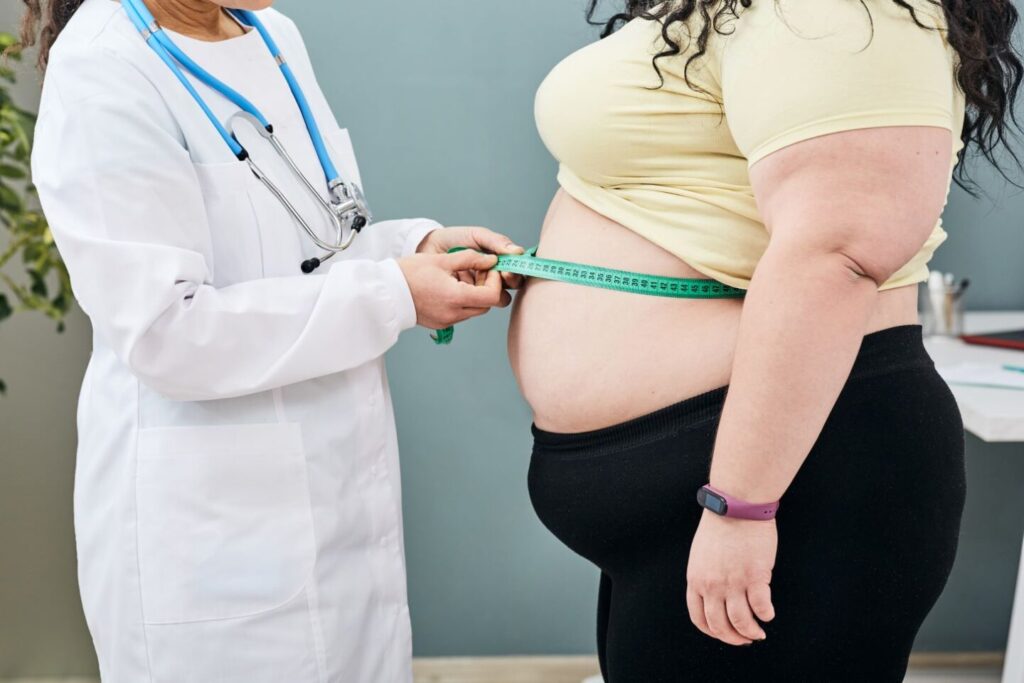
Lipedema causes disproportionate fat accumulation in the legs and lower body, altering the fit and feel of clothing. Fat usually sits on the hips, thighs, and calves with the feet spared. This forms a pear-shaped silhouette that regular sizing doesn’t always accommodate. Swelling and tenderness in these areas makes tight jeans feel suffocating, press into delicate tissue, and exacerbate pain after brief wear. Legs can appear one way in the morning and appear heavier by the evening as fluid pools and tissue responds to standing, heat, or activity.
Our bodies swell naturally throughout the day. Heat, extended sitting or standing, and posture all move fluid and soft tissue. For a lipedema patient, those changes are more drastic. A pair of jeans that fit when you put them on pinch by late afternoon. This daily shift highlights the importance of adjustable elements or stretch in pieces so fit stays comfortable throughout the hours. Breathable fabrics assist since trapped heat enhances swelling pain and increases sensitivity in sore spots.
Typical size charts pay attention to waist and hip circumference, neglecting thigh and calf girth. That mismatch results in jeans that gap at the waist or bunch at the thighs. Look for cuts that separate waist fit from leg fit. High-rise with a soft, elasticized waistband can sit comfortably without digging in, while a roomier leg or straight cut reduces pressure on the outer thighs and hips. Think relaxed, boyfriend, or wide-leg as starting points, and try fabrics with elastane for stretch.
Material matters. Woven ponte or twill blended with elastane provides light support and a sleek appearance while moving with the body. These textiles provide structure without restrictive compression and can conceal seams without digging into flesh. For hot climates, cotton blends with modal or lyocell enhance breathability and wick moisture. Elastic panels, adjustable waistbands and hidden gussets enable minor shifts in fit without requiring a new size. Seek out jeans with two to five percent elastane for stretch. Too much elastane causes loss of shape, while too little elastane feels hard.
Go for comfort and movement rather than tight silhouettes. Comfort encourages extended wear and prevents pain. Try standing and sitting tests before buying. Walk briskly, sit for five minutes, and check for pinching. If a pair ever feels pinchy or tight, a different cut or additional stretch will probably prove more effective while still maintaining a polished look.
Fabric Risks
Fabric risks
Fabric choice has a direct impact on the comfort, skin health, and mobility of people with lipedema. Snug, non-stretch denim or stiff fabrics can rub into the thighs, hips, or waist and exacerbate pain and bruising. They trap pressure on adipose tissue and form pressure points where the fabric contacts skin. That pressure can restrict blood and lymph flow locally, which can contribute to swelling and make movement more difficult. Select fabrics that flow with the body to decrease these risks.
Steer clear of stiff, non-stretch denim that can dig into sensitive areas and exacerbate discomfort. Raw or rigid denim jeans are inflexible and press into frequently already sore spots. Choose instead elastane or spandex-denim blends. A one to four percent stretch content allows for movement without sacrificing form. Soft ponte or knit denim styles look like jeans but provide more stretch. They are great options when you want a jean look without the stress.
Be aware of any fabrics that retain heat or moisture, as this can worsen leg swelling. Heavy, tightly woven fabrics and certain synthetics do not breathe well. Trapped heat heats up skin and makes you sweat. Sweat-soaked skin chafes or develops irritation or fungal issues. Natural fibers such as cotton or bamboo, and even breathable performance fabrics made to wick moisture, keep skin dry. Bamboo and modal have a soft feel against the skin and minimize friction.
Avoid jeans with chunky seams or stiff waistbands that rub against the skin. Thick inner leg seams, bulky cargo pockets, or high, stiff waistbands form pressure focal points. Seek out flat-lock seams, soft seam covers, or styles with minimal internal stitching. Elasticated or adjustable waistbands distribute pressure and adapt to those daily size fluctuations. They keep you from feeling squeezed on the belly and hips and are perfect for when morning and evening measurements vary.
Avoid irritants and potential for skin issues by choosing breathable fabrics. Jersey, ponte, bamboo, modal, and many performance fabrics move with your body and reduce pressure points. Cotton and elastane provide that traditional touch with some stretch. Compression garments are still a valuable conservative weapon to keep symptoms in check. Compression fibers loosen over time and may require replacement every three to six months to maintain efficacy. As with ill-fitting shoes and clothing, stiff or unyielding protective gear can make activity and mobility a chore. Seek a fit that facilitates movement. Asymmetry is the norm for lipedema. Take your measurements both morning and evening, size to the larger side, and opt for adjustable elements to best customize fit and comfort.
What To Wear
Choosing jeans with lipedema is about fit, function, and confidence. Concentrate initially on comfort and utility, then sculpt silhouette and color. Breathable fabrics, soft seams, and adjustable features minimize irritation and help control afternoon swelling. Here are some actionable choices and specifics to help you choose.
1. Compression Denim
Compression denim incorporates light support into streetwear. Seek out jeans that have built-in panels around the thighs and calves that provide even compression without impeding motion. Good compression denim will use soft, flat seams and covered zips to reduce chafing areas. Inspect waistbands for a soft lining so the top of the jeans doesn’t irritate skin. Pair these jeans with medical-grade compression socks when you want to improve your circulation. The jeans provide gentle toning and the socks offer sustained graduated pressure. Go for brands that specify the compression level in millimeters of mercury or mention gradient pressure. Test for mobility by sitting, squatting, and walking prior to purchase.
2. Wide Cut
Wide cut jeans release the space where swelling is common. Flared, straight, and relaxed fits all give space. Compare them in a simple list:
- Flared: wider from knee down, balances hips visually.
- Straight: consistent width, less volume but roomy.
- Relaxed: looser through seat and thigh, very forgiving. Pair the wide cuts with a fitted top or structured jacket to pull the eye up and balance out the look. Stay away from skinny or tapered legs that dig into tender regions. Rotating different wide-cut pieces by season keeps a wardrobe fresh without the constant replacement.
3. Stretch Blends
Fabrics with elastane or spandex bring required give. Shoot for a greater percentage of elastane for maximum stretch, and verify the blend maintains shape post-wash. Lightweight denim that flexes with your body takes the strain off your legs and allows your skin to stay drier in the heat. Consult fabric care notes and test the jean after a walk to estimate recovery. A basic brand guide aids blend selection by percentage of stretch and durability. Zero in on blends marketed for mobility and shape retention.
4. Elastic Waists
Things with elastic or adjustable waists are important because your legs and waist expand and shrink day-to-day. Pull-on jeans without buttons or stiff zips resist digging and minimize pressure when seated. Elastic waist and comfy supporting shoes provide steadier comfort all day. Seek out styles with soft inner bands and the ability to cinch fit with concealed drawstrings.
5. Tailored Fits
Tailoring takes jeans from off-the-rack to out-of-the-box. Have a tailor leave room for your compression socks or leggings underneath and to streamline seams where necessary. Well-cut, tailored jeans maintain a tidy silhouette without any tightness. Pair tailored pants with structured blazers for a zen, well-rounded ensemble.
Mindset Shift
The lipedema community requires an obvious mindset shift when it comes to clothes, fit, and regular self-care. Lipedema can cause emotional changes that are difficult to manage. Heat and seasonal swelling exacerbate the issue, so dress to reduce tension, not increase it. This section describes what that shift looks like, why it is important, where to begin, and how to take it.
Go body positive and prioritize comfort over restrictive trends. Comfort means breathable and stretchy fabrics, waistbands that sit soft on the body, and cuts that don’t pinch or dig. For summer, opt for lightweight cotton blends, modal, or bamboo-knit that wick moisture away from skin. Trade in those low-rise, hard-as-rock denim for higher-rise or pull-on styles with soft elastic panels. These selections minimize swelling triggers and make movement easier while still appearing pulled together.
Think about putting together outfits that make you confident, not fit a tight style profile. Confidence is a combination of fit and visual balance. Pair jeans with longer tops or structured blazers that balance out proportions. A mid-length jacket or A-line tunic elongates your figure. Don’t just think skinny or straight. Wide-leg, cropped flare, or even jeggings with a soft waistband can all read modern and deliberate.
Embrace the idea that discovering your perfect pair might require exploring new cuts, fabrics, or designers. Treat shopping as small experiments: try a pair in-store and walk around, sit, bend, and take stairs to test comfort. Think, for example, of brands that provide size-inclusive fits or adjustable waistbands. Make note of what worked, such as fabric weight in grams per square meter, rise in centimeters, and waistband type, so future purchases are quicker and more consistent.
Have fun with your style – try out colors, jackets, and shoes that enhance your look. Use color to redirect attention; darker trousers with a bright top or patterned scarf. Shoes can change the whole mood. A clean white trainer, a low block heel, or a pointed loafer each read differently. Little habit tweaks, such as wearing compression undergarments or propping your legs up after long days, can seem weird at first but frequently reduce swelling and discomfort. Such transformations demand self-compassion and a growth mindset. Be willing to experiment with different fabrics, styles, and routines. Every little bit can transform dressing from an anxiety spiral into a self-care confidence builder.
Styling Rules
Styling rules assist you in constructing outfits that honor comfort and movement yet appear stylish. Start by thinking of balance: how jeans, jackets, shoes, and compression wear work together to shape a look. It’s a capsule of pieces that coordinate so you waste less time battling your closet and more time rocking clothes that fit.
Proportions
Pair wide-leg jeans with a fitted jacket or top to maintain a sleek, visually balanced silhouette. Whether it’s a cropped blazer, fitted knit, or tailored shirt, the top tucks or hits at the waist and stops the lower half from feeling weighted. Belts or high waist jeans help define your waist. A belt in a coordinating color creates a nice break and gives the eye somewhere to rest.
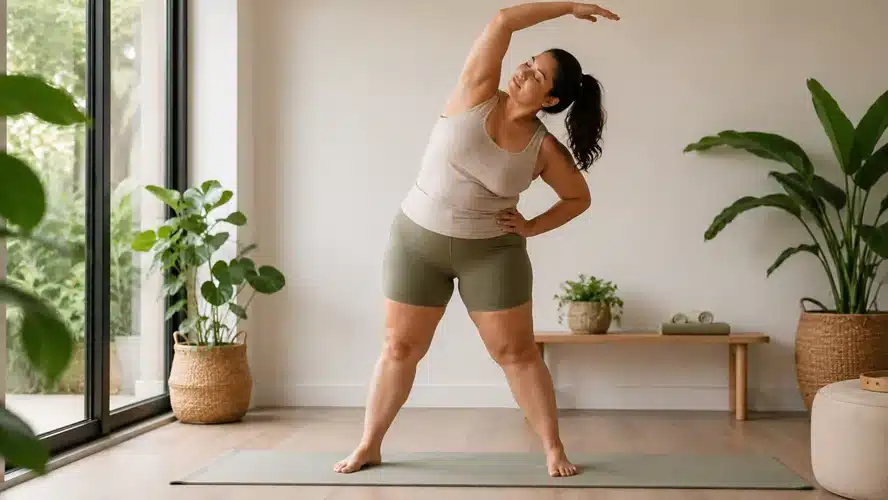
Don’t wear oversized tops with baggy jeans. Two loose pieces create a bulky impression when you move and drown your physique. Instead, combine one tailored item with one casual item. Style it with ankle boots or low platforms to add height. These lengthen the leg line and complement both skinny and loose denim. Small florals, micro-checks, and thin pinstripes on tops fracture surfaces and prevent the eye from resting in one place.
Get fit and comfort out of the way, then pick silhouettes and colors you’re into within what fits. Classic prints, such as thin pinstripes or ditsy florals, remain wearable for seasons and combine effortlessly with solid skirts.
- So when you rock wide-leg, loose jeans, select one fitted piece.
- Try cinching in your midsection with belts or high-rise waistlines.
- No double volume, avoid matching an oversized top with loose jeans.
- Select shoes that elongate such as ankle boots.
- Favor small-scale prints to visually break up large shapes.
- Create a capsule of neutrals and accent pieces that mix and match effortlessly.
Layering
Layer compression leggings or socks underneath jeans for support, warmth, and a sleeker line. Compression pieces in neutrals or jean-matched colors prevent any visual breaks and coordinate textures to keep it all cohesive. We love how longline cardigans and duster coats give you vertical lines and soft coverage at the same time while they keep your legs from feeling bare.
Layer on lightweight jackets or cardigans to finish off an outfit without weighing down the legs. Think linen blazers or knit dusters for warm and cool weather. Long tops or tunics give you coverage and nice lines over jeans. A tunic in a tiny print or rib knit can disguise what you want disguised. Play with textures, such as denim with soft knit and cotton paired with a silk scarf, to add some pizazz and individuality to your look.
Layer for mobility first: comfort comes before style. Experiment with stretch denim with an elasticated waist teamed with a long tunic, or slip into linen wide-leg trousers with a structured top on hot days.
Daily Care
Smart, small, practical clothing choices for your daily care that seamlessly dovetail with medical and lifestyle strategies to help ease symptoms. Alternate with other pairs of jeans to avoid unnecessary wear and pressure points. If you wear the same pair every day, seams and waistbands will press on those same spots, causing irritation and exacerbating swelling. Try to maintain at least three pairs in daily rotation and rotate them through the week so that each gets a break and reshapes.
Wash jeans on delicate cycles and line dry to keep them elastic and comfy. Hot water, aggressive detergents, and machine drying degrade stretch fibers and cause bagging at the knee and seat. Use mild detergent, wash inside out, and reshape while damp. Recovery fabrics do not sag after a few hours; they hold their shape, so they continue to provide support during daily activities.
Check the seams and waistbands daily for irritation or damage! Check for those elevated seams, coarse stitching, or waistbands that are worn and digging in. Flat seams, covered zips, and soft linings prevent chafing. Even the smallest seam ridges can become pain-inducing after long wear. Trade or fix jeans that have pressure spots. If a seam is rubbing, lining it with soft tape or selecting pieces with interior soft panels reduces friction.
Jean’s should be stored flat or folded to prevent stretching in sensitive areas. Hanging heavy jeans can pull the fabric and warp the waist and thigh fit. Fold them with the waist band flat, stacked by size and stretch factor. Don’t fold them tight so they leave creases at your thigh.
Opt for breathable fabric to assist in combating afternoon puffiness and maintaining skin cooler in hot weather. Natural fibers or wicking blends are cool and cut irritation. Elastic inserts or side panels at the waist or upper thigh allow pants to stretch with daily swelling, providing a more forgiving fit throughout the afternoon. Drawcords, side tabs, and elasticated panels allow you to adjust the fit as your body fluctuates throughout the day.
Focus on ease and functionality so that clothes on are like armor, not anxiety. What’s great in the morning can feel restrictive by the afternoon. Opt for outfits that are simple to modify. Practical examples include a pair of jeans with a small elastic gusset at the side, a high-rise pair with a soft stretch waistband, or jeans worn with a lightweight compression short beneath for even pressure distribution. These options promote daily care and assist garments to complement other therapies to lessen symptom load.
Conclusion
Lipedema totally alters your body’s fat distribution and how clothes fit. Choose jeans and pants with a soft waist, stretch in the right places, and spacious thighs. Favor breathable fabrics like cotton blends and shun stiff denim that digs in. Wear leggings, wide-leg pants, or jeans with a high-stretch panel for those long days. Support skin and joints through frequent movement, gentle massage, and a clinician-approved support plan.
Stick to easy style. A dark, straight-leg jean, a mid-rise with elastic or a wide-leg linen pair works for so many outfits and scenes! Experiment a little and pay attention to what feels good. How about giving a new fit a try? Try one pair this week and monitor comfort for three days.
Frequently Asked Questions
Can tight jeans make lipedema worse?
Tight jeans can exacerbate pain and swelling. They can restrict lymphatic flow and irritate tender tissues. Choose freer fits or stretch fabrics.
What fabrics are best for lipedema-friendly jeans?
Seek out breathable, stretchy fabrics such as cotton blends with elastane or modal. These provide light compression with no tight bands. Stay away from rigid denim and synthetic fabrics that hold in heat.
Are jeggings or stretch jeans a good option?
Yes. Jeggings or stretch jeans with a high-rise waistband are really comfortable and shapely without tight seams. Focus on the softness of waistbands and having enough room in the thigh so you aren’t pinching.
How should I size jeans if I have lipedema?
Size for comfort, not vanity. For lipedema patients, always select the size of jeans that fits the widest part of your legs and then use belts or get the waist adjusted. A good fit minimizes pressure points and enhances mobility.
Can clothing choices help manage pain and mobility?
Loose silhouettes, soft waistbands, and breathable fabrics alleviate pain and enhance mobility. Layering with compression garments ordered by a clinician can promote lymphatic flow.
Are there styling tips to look slimmer without tight clothes?
Yes. Opt for darker colors, vertical seams, and A-line silhouettes to bring balance to your frame. High-rise waists and structured tops can shape you without clamping your legs.
How often should I care for skin affected by lipedema when wearing jeans?
Check your skin every day and moisturize after showering. Wash your jeans frequently to help minimize friction and bacteria. If you feel irritation, opt for softer fabrics and see a clinician for persistent problems.