
Choosing between fat transfer and dermal fillers can be tricky. Both methods aim to enhance your appearance, but they do it in different ways. Fat transfer involves using your own body fat for a natural look, while dermal fillers offer quick results with minimal downtime, addressing signs of ageing.
Understanding the pros and cons of each option, such as the fat grafting procedure and dermal filler, is crucial for making an informed decision that results in successful outcomes, especially as we consider the effects of ageing. Fat transfer provides long-lasting results but requires a surgical procedure. On the other hand, dermal fillers are non-surgical and can be adjusted easily. This comparison will help you weigh the benefits and drawbacks of both treatments, ensuring you choose the right path for your beauty goals.
Key Takeaways
- Facial fat transfer uses your own body fat to enhance volume, while dermal fillers are synthetic or natural substances injected for similar effects.
- Consider your goals: if you want long-lasting results and have enough fat to spare, fat transfer may be the better choice. For quick fixes with minimal downtime, fillers might be more suitable.
- Both options have their advantages; fat transfer can provide natural results and additional body contouring, while fillers offer immediate results and less recovery time.
- Be aware of the drawbacks: fat transfer requires a surgical procedure and recovery time, whereas fillers may need regular touch-ups to maintain results.
- Consult with a qualified professional to discuss your specific needs and preferences, ensuring you choose the right option for your facial enhancement.
- Remember that individual results can vary, so consider personal health factors and desired outcomes when making your decision.
Understanding Facial Fat Transfer
Process Overview
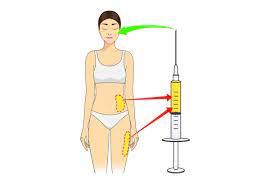
Facial fat grafting involves two main steps. First, doctors remove fat from donor sites on the body. Common areas include the abdomen or thighs. They use liposuction to extract this fat. This process is minimally invasive and usually requires only local anesthesia, such as filler.
After collecting the fat, doctors prepare it for injection. They purify the fat cells to ensure they are viable filler. The next step is injecting these cells into targeted areas of the face. This can include under-eye bags, sunken cheeks, or other facial features needing volume.
Addressing Volume Loss
Facial fat transfer effectively addresses facial volume loss. Many people experience this as they age. It often results in hollow cheeks, pronounced under-eye bags, and filler. By using the body’s own fat, doctors can restore a youthful appearance.
The process helps in creating a natural look. Patients can see improvements in their facial contours. Fat transfer provides a more permanent solution compared to dermal fillers. Fillers typically last six months to two years, while transferred fat can last for years.
Longevity of Results
The results from facial fat grafting filler are often long-lasting. Fat cells have regenerative properties that allow them to integrate into surrounding tissues. Once injected, some of these cells will survive and thrive in their new location.
This longevity is one of the key benefits of fat transfer over fillers. While fillers may require regular touch-ups, facial fat can offer lasting results after just one procedure. Many patients enjoy improved facial aesthetics with filler without frequent visits to the clinic.
Emotional Impact
Patients often report high satisfaction levels after the procedure. Restoring lost volume with filler can enhance self-confidence and improve overall appearance. People feel rejuvenated and more comfortable with their looks.
Understanding how facial fat grafting works helps potential patients make informed choices. Knowing that this method addresses specific concerns like facial ageing is crucial.
Exploring Dermal Fillers
Composition
Dermal fillers mainly consist of hyaluronic acid. This substance naturally occurs in the body. It helps maintain skin hydration and volume. Hyaluronic acid fillers can restore lost volume and smooth out wrinkles.
e popular brands include Juvederm and Restylane. These products have different formulations for various treatment areas. Patients can achieve subtle enhancements or more significant changes depending on their needs.
Non-Surgical Methods
Dermal filler treatments offer a non-surgical approach to combat early signs of aging. Many people seek these cosmetic procedures as they age. Fillers can lift sagging skin, plump thin lips, and enhance facial contours.
Patients often choose dermal fillers to avoid invasive facelift surgery. The procedures are quick and usually done in a clinic. Most treatments take about 30 minutes to an hour. Results appear almost immediately after the procedure.
Temporary Results
The effects of dermal fillers are temporary. Typically, results last from six months to two years, depending on the type used. Hyaluronic acid fillers gradually break down in the body over time.
Regular maintenance treatments are necessary to sustain the desired look. Patients should consult with a consultant plastic surgeon to determine their ideal schedule for touch-ups. Understanding the temporary nature of these treatments is crucial for anyone considering cosmetic treatment.
Key Differences Between Fat Transfer and Fillers
Surgical Nature
Fat transfer involves a surgical procedure. Surgeons extract fat from one part of the body, usually through liposuction. They then inject this fat into areas needing volume, like the face or hands. This process requires anesthesia and recovery time.
Dermal fillers do not need surgery. Practitioners inject them directly into the skin using a fine needle. This method is quick and often done in an office setting. Patients can return to normal activities almost immediately after the treatment.
Longevity of Results
Fat transfer offers longer-lasting results compared to dermal fillers. The fat cells that survive after injection can last for years. Some studies show that up to 50% of injected fat may remain after six months.
Fillers typically last between six months to two years, depending on the type used. Hyaluronic acid fillers, for example, may last about six to twelve months. Patients often need repeat treatments to maintain their desired look.
Suitability for Treatment
Fat transfer is best for overall facial fullness. It can restore volume in areas like cheeks and temples. This method provides a more natural look since it uses the patient’s own tissue.
Dermal fillers excel at targeted wrinkle treatment. They work well for specific areas such as smile lines and under-eye hollows. Fillers can also enhance lip volume quickly and effectively.
Cost Considerations
Costs vary significantly between these two options. Fat transfer generally costs more due to the surgical nature of the procedure. Expenses include facility fees, anesthesia, and surgeon’s fees.
Fillers are often less expensive upfront. However, patients may spend more over time due to the need for repeated treatments. Understanding these financial aspects helps in making informed choices.
Recovery Time
Recovery differs greatly between these methods. Fat transfer requires downtime for healing. Patients may experience swelling and bruising for days or weeks after surgery.
Fillers have minimal recovery time. Most people can resume daily activities right away. Some might have slight swelling or redness at injection sites, but this usually resolves quickly.
Advantages of Fat Transfer
Natural Look
Fat transfer provides a natural appearance that many desire. This procedure uses the patient’s own fat, which blends seamlessly with existing tissues. Unlike dermal fillers, which contain synthetic substances, fat transfer offers a more organic solution. Patients often notice that their results look and feel more authentic.
This method enhances facial volume while maintaining a soft texture. The body’s own fat integrates well, reducing the chances of an artificial look. Many individuals prefer this aspect when considering cosmetic enhancements.
Dual Benefit
Fat transfer surgery offers a dual benefit. It not only rejuvenates the face but also contours other areas of the body. Surgeons extract fat from regions like the abdomen or thighs. This process removes unwanted fat while adding volume to the face.
Patients enjoy the advantage of body contouring alongside facial enhancement. For example, someone may opt to remove stubborn belly fat and simultaneously enhance their cheeks or lips. This dual approach saves time and provides comprehensive results in one procedure.
Reduced Allergic Reactions
The use of the body’s own fat significantly lowers the risk of allergic reactions. Dermal fillers often contain substances like hyaluronic acid or other chemicals. These foreign materials can sometimes trigger adverse reactions in some patients.
With fat transfer procedures, there are no foreign substances involved. This reduces concerns about allergies or rejection. Patients can feel more confident knowing they are using their own tissue for enhancement.
Recovery Process
Fat transfer recovery is generally straightforward. Most patients experience minimal downtime compared to other procedures. After the fat transfer procedure, swelling and bruising may occur at both the donor and recipient sites. However, these symptoms usually resolve within a few weeks.
Surgeons provide specific aftercare instructions to ensure proper healing. Patients should follow these guidelines closely for optimal results. Engaging in light activities is typically encouraged shortly after surgery.
Long-lasting Results
Results from fat transfer can be long-lasting. Once the transferred fat establishes a blood supply, it can remain in place for years. While some fat may be reabsorbed by the body initially, much of it survives and continues to provide volume.
In contrast, dermal fillers require regular maintenance every few months. This ongoing need can become costly over time. Patients appreciate that fat transfer offers a more enduring solution.
Benefits of Dermal Fillers
Quick Procedures
Dermal fillers work through simple injections. Patients enjoy quick procedures that usually take less than an hour. This convenience makes them popular for busy individuals. Minimal downtime is another key advantage. Most people can return to their normal activities right after treatment.
Immediate Results
With dermal filler treatment, results are often visible within 48 hours. This fast turnaround appeals to those seeking immediate facial rejuvenation. Unlike fat transfer, which may require more time for swelling to subside, facial fillers show results quickly. Patients appreciate seeing changes in their appearance almost instantly.
Versatility in Treatment
Facial fillers offer versatility in treating various areas of the face. They can enhance cheekbones, fill in hollows under the eyes, and smooth out wrinkles around the mouth. This precision allows for targeted improvements. Practitioners can customize treatments based on individual needs and goals.
Hyaluronic Acid Benefits
Many dermal fillers contain hyaluronic acid. This substance occurs naturally in the body and helps retain moisture. It provides a youthful look by adding volume and hydration to the skin. The use of hyaluronic acid also reduces the risk of allergic reactions, making it a safe choice for many patients.
Contour Enhancements
Facial fillers help contour features effectively. They can create a more defined jawline or fuller lips without surgery. These enhancements contribute to a more youthful face and improved self-esteem. Many patients notice a boost in confidence after their treatment.
Safe and Effective
Dermal fillers are generally safe when administered by trained professionals. Side effects are typically mild and include swelling or bruising at the injection site. Serious complications are rare but can occur if procedures are done improperly.
Long-Lasting Effects
The results from dermal fillers can last several months to over a year, depending on the type used. This longevity makes them an appealing option for those looking for lasting facial rejuvenation without the commitment of surgery.
Comparison with Fat Transfer
While fat transfer offers permanent results, it requires surgical intervention and longer recovery times. Dermal fillers provide a non-surgical alternative with quick results and minimal downtime. Patients can choose based on their preferences and desired outcomes.
Disadvantages of Fat Transfer
Higher Costs
Fat transfer involves a surgical procedure. This means it usually costs more than dermal fillers. The process includes liposuction recovery, which adds to the expenses. Patients must pay for the liposuction itself, the surgeon’s fees, and any facility charges. These combined costs can be significant.
The average cost of fat transfer can range from $2,000 to $10,000 depending on the area treated and the surgeon’s experience. In contrast, dermal fillers typically cost between $600 and $2,000 per treatment. This shows that fat transfer is often a more expensive option.
Touch-Up Treatments
Another disadvantage is that fat transfer may require touch-up treatments. Not all the injected fat survives in its new location. Research shows that about 30-50% of transferred fat can be reabsorbed by the body over time. This means some patients might need additional sessions to maintain their desired look.
In comparison, dermal fillers provide immediate results but may also need maintenance every few months. However, with fillers, patients know upfront how long they will last. Fat transfer does not offer this same predictability since results can vary based on individual factors.
Longer Recovery Time
Recovery from fat transfer takes longer than from dermal filler injections. Patients often experience swelling and bruising after the procedure. It can take several weeks for these effects to fully subside. During this time, normal activities may be limited.
Most people return to regular activities within a few days after receiving fillers. This quick recovery makes fillers a more convenient option for many individuals. In contrast, those who undergo fat transfer must plan for a longer downtime.
Patients may also need to wear compression garments after liposuction to help manage swelling. Following post-operative care instructions is crucial for optimal healing. Delaying or neglecting this care can lead to complications.
Summary
Fat transfer has distinct disadvantages compared to dermal fillers. The higher costs due to surgical procedures are a major consideration. The potential need for touch-up treatments can add more expenses over time.
Longer recovery times can also affect lifestyle choices and plans. Patients should weigh these factors carefully before deciding on fat transfer as an option.
Drawbacks of Dermal Fillers
Temporary Results
Dermal fillers provide temporary results. Most fillers last between six months to two years. This short lifespan means individuals must schedule repeated treatments. The need for maintenance can be inconvenient and costly.
Risks of Complications
Complications from dermal fillers can occur. Allergic reactions are rare but possible. Some individuals may experience swelling or redness at the injection site. In severe cases, skin necrosis can happen. This occurs when blood supply is blocked, leading to tissue death. These risks highlight the importance of choosing a qualified practitioner.
Financial Considerations
The cost of dermal fillers adds up over time. Each treatment session requires payment. Frequent maintenance increases overall expenses significantly. Individuals should consider these costs when deciding on this procedure.
Downtime
Downtime is another factor to consider. While many people return to daily activities quickly, some may have prolonged swelling or bruising. This can affect social interactions or work commitments. Understanding potential downtime helps in planning the procedure.
Allergic Reactions
Allergic reactions can vary in severity. Some may experience mild itching or rash. Others might face more serious issues, requiring medical attention. It’s crucial to discuss any known allergies with a healthcare provider before treatment.
Overall Effects on Appearance
The effects of dermal fillers depend on individual factors. Age and skin condition play significant roles in how fillers perform. Some may find the results less satisfying than expected, leading to disappointment.
Part of a Larger Plan
Using dermal fillers often forms part of a larger aesthetic plan. Many choose them alongside other procedures like Botox or fat transfer. This combination can enhance overall appearance but also increases complexity and risk.
Choosing Between Fat Transfer and Fillers
Personal Goals
Evaluate your personal goals for facial rejuvenation. Think about the desired longevity of results. Fat transfer injections can provide longer-lasting effects compared to dermal fillers. Many people seek a natural look, which fat grafting often achieves. This process uses your body’s fat to enhance areas like cheeks or lips.
Dermal fillers, on the other hand, may require more frequent treatments. They usually last from six months to two years. If you want a long-term solution, fat grafting may be the better choice.
Budget Considerations
Consider your budget before deciding. The cost of fat grafting procedures tends to be higher upfront. This is due to the liposuction involved in harvesting fat from another area of your body. However, these costs can balance out over time since results last longer.
Dermal fillers are typically less expensive per treatment. Yet, if you need multiple sessions, the total can add up quickly. Weigh these financial factors carefully.
Surgical vs Non-Surgical
Think about your willingness to undergo surgical versus non-surgical procedures. Fat injection procedures involve surgery and recovery time. Some individuals prefer this method for its lasting results.
Others might choose dermal fillers for their non-invasive nature. Fillers allow immediate results with little downtime. Each option has pros and cons based on how much time and commitment you can offer.
Professional Consultation
Consult with a qualified professional before making a decision. A plastic surgeon can assess your individual needs and suitability for either method. They will evaluate your skin type, health history, and desired outcomes.
Discuss potential risks and benefits of each option during the consultation. Understanding the fat grafting process is essential if you lean toward that choice.
The surgeon will explain how liposuctioning works to harvest fat effectively. They should also detail what to expect during recovery from a fat injection procedure.
Combination Approaches
e patients opt for a combination of both techniques. Using fillers alongside fat transfer can enhance overall results. This approach allows for targeted volume restoration while maintaining a youthful appearance.
Closing Thoughts
Deciding between fat transfer and dermal fillers can be tricky. Both options offer unique benefits and drawbacks. Fat transfer provides long-lasting results, while fillers deliver quick fixes with minimal downtime. Understanding your goals and preferences is key to making the right choice for your aesthetic journey.
Take the time to consult with a qualified professional who can guide you through the process. Your face deserves the best care, and informed decisions lead to satisfying outcomes. Explore your options, weigh the pros and cons, and choose what aligns with your vision. Don’t hesitate—your ideal look is just a consultation away!
Frequently Asked Questions
What is facial fat transfer?
Facial fat transfer involves removing fat from one area of the body and injecting it into the face. This method enhances volume, smooths wrinkles, and provides a natural look.
How long do dermal fillers last?
Dermal fillers typically last between six months to two years, depending on the type used and individual factors like metabolism and lifestyle.
Are results from fat transfer permanent?
While fat transfer can provide long-lasting results, some of the injected fat may be reabsorbed by the body over time. Maintaining a healthy lifestyle can help prolong effects.
Which is safer: fat transfer or dermal fillers?
Both procedures are generally safe when performed by qualified professionals. However, fat transfer may carry slightly more risks due to surgery involved in harvesting fat.
Can I combine fat transfer with dermal fillers?
Yes, combining both treatments can optimize results. Fat transfer adds volume, while fillers can target specific areas for contouring and smoothing.
How much do fat transfer and fillers cost?
Costs vary widely based on location and provider expertise. Generally, fat transfers are more expensive due to surgical procedures, while fillers offer a range of price points.
How do I choose between fat transfer and fillers?
Consider your goals, budget, and desired longevity of results. Consult with a qualified professional to determine which option best suits your needs.