
Pregnancy brings joy but can also leave lasting changes to your body. Many women struggle with stubborn fat and loose skin after childbirth. Liposuction for post-pregnancy body contouring offers a solution. It targets those tricky areas with advanced body sculpting, helping restore confidence and shape for the child.
This procedure isn’t just about aesthetics; it’s about feeling good in your skin again. Unlike traditional weight loss methods, liposuction provides quick results and a more sculpted look. Mothers can reclaim their bodies and enjoy life without the extra baggage of pregnancy weight. Discover how this body sculpting transformative option can help you embrace your new chapter with renewed self-esteem.
Key Takeaways
- Understand that post-pregnancy body changes are normal, but liposuction can help reshape your figure if you’re struggling with stubborn fat.
- Liposuction is a safe option for body contouring after pregnancy, offering benefits like improved confidence and a more defined silhouette.
- Ideal candidates for liposuction are those who are at a stable weight and have realistic expectations about the results.
- Prepare for your surgery by following your doctor’s advice, including maintaining a healthy lifestyle and discussing any concerns beforehand.
- Recovery is crucial; follow guidelines to ensure proper healing, such as avoiding strenuous activities and attending follow-up appointments.
- Compare liposuction with other procedures like tummy tucks to determine the best option for your specific needs and budget.
Understanding Post-Pregnancy Body Changes
Common Changes
Pregnancy leads to many postpartum changes in a woman’s body. Weight gain is common, often due to hormonal shifts, increased appetite, and body sculpting. Many women experience skin stretching as the body accommodates the growing baby. This stretching can leave marks on the skin, known as stretch marks.
After childbirth, some women find it difficult to return to their pre-baby body shape. These changes can affect self-esteem and body image. The physical transformation during pregnancy can be significant. Women may notice differences in their waistline, hips, and thighs through body sculpting.
Hormonal Impact
Hormones play a crucial role in shaping the postpartum body. After childbirth, levels of hormones like estrogen and progesterone drop significantly, impacting body sculpting. This change affects fat distribution in the body. Women may notice that they store fat differently after pregnancy compared to before.
These hormonal fluctuations can also lead to mood changes, which may impact motivation for body sculpting and weight loss. Understanding this connection helps women manage expectations about their postpartum body.
Fat Loss Challenges
Localized fat deposits are common after childbirth. Many women struggle with stubborn areas of fat that do not respond to diet or exercise, seeking body sculpting solutions. This can be frustrating for new mothers trying to regain their previous physique.
Diastasis recti is another challenge faced by many postpartum women. This condition occurs when abdominal muscles separate during pregnancy. It can lead to a protruding belly even after weight loss efforts.
Women may also face challenges in maintaining an exercise routine due to childcare responsibilities. Limited time for workouts can hinder progress toward achieving a desired post baby body.
Emotional Effects
The emotional toll of these physical changes can be significant. Many women feel pressure to quickly return to their pre-pregnancy shape. Social media often portrays unrealistic standards of beauty and fitness. This can lead to feelings of inadequacy and frustration.
Support from family and friends is vital during this transition period. Open discussions about these challenges can help normalize the experience of adjusting to a pregnancy physique.
Exploring Liposuction for Contouring
Targeting Fat
Liposuction effectively targets stubborn fat areas that diet and exercise often fail to address. Many women experience this after pregnancy. They may notice excess fat around the stomach, thighs, or hips. Traditional liposuction can remove this unwanted fat. It uses a suction technique to sculpt the body.
Advanced body sculpting techniques have emerged in recent years. These art liposuction techniques allow for more precise fat removal. Surgeons can now contour specific areas with greater accuracy. This leads to better cosmetic outcomes.
Versatile Applications
Liposuction is versatile and can treat various body areas. It is not limited to just one region. Commonly treated areas include the abdomen, thighs, and arms. Stomach liposuction is particularly popular among new mothers.
The procedure can also be combined with other treatments. Mommy makeover liposuction includes breast enhancement and tummy tucks. This combination helps restore a woman’s pre-pregnancy shape.
Enhancing Definition
Liposuction enhances body definition and contour. Removing excess fat improves overall body proportions. Patients often see a significant change in their appearance post-surgery. Many report feeling more confident in their bodies.
Liposuction results can vary based on individual factors. Genetics, skin elasticity, and overall health play roles in outcomes. Some patients may require additional procedures to achieve desired results.
Visualizing Results
Before considering liposuction, many patients look at liposuction pictures from previous clients. These images provide insight into potential outcomes. They help set realistic expectations for the surgery.
Surgeons often share before-and-after photos during consultations. This allows individuals to visualize how their bodies might change after the procedure.
Recovery Considerations
Recovery from liposuction varies by person and procedure type. Most patients return to normal activities within a few weeks. However, full recovery may take several months.
Surgeons typically recommend wearing compression garments after surgery. This helps reduce swelling and supports healing. Following post-operative instructions is crucial for optimal results.
Benefits of Liposuction After Pregnancy
Self-Confidence Boost
Liposuction can significantly enhance self-confidence for many new mothers. After childbirth, women often experience changes in their bodies that can affect their self-image. Many feel frustrated with stubborn fat deposits that remain despite diet and exercise.
The procedure helps reshape the body by removing excess fat. This change can lead to a more toned appearance. As a result, women may feel more comfortable in their clothes and regain their confidence.
Improved Mobility
Post-pregnancy, some women face challenges with mobility due to extra weight. Liposuction reduces these fat deposits, leading to improved comfort and ease of movement.
With less weight to carry, daily activities become easier. Women often find it easier to engage in exercise routines or play with their children. This increase in activity can lead to a healthier lifestyle.
Long-Term Results
Maintaining results from liposuction requires commitment to a healthy lifestyle. A balanced diet and regular exercise are essential for keeping the body toned after the procedure.
Many women discover that they feel motivated to maintain their new look. They often adopt healthier habits post-liposuction, which can lead to long-term benefits. These include sustained weight management and overall better health.
Tummy Tuck Synergy
e women consider combining liposuction with a tummy tuck after pregnancy. This combination addresses both fat removal and skin tightening.
A tummy tuck removes excess skin and tightens abdominal muscles weakened by childbirth. Together, these procedures can create a more sculpted midsection. Many find this combination offers comprehensive body contouring.
Emotional Well-Being
The emotional impact of undergoing liposuction is notable as well. Women often report feeling happier and more satisfied with their appearance post-procedure.
This boost in mood can positively influence other areas of life. Increased self-esteem may lead to stronger relationships and greater social engagement.
Real-Life Examples
Numerous testimonials support the positive effects of liposuction after childbirth. Many women share stories of transformation and renewed confidence following the procedure.
For instance, one mother reported feeling liberated after shedding stubborn baby weight through liposuction. She noted how it changed her outlook on life, allowing her to embrace motherhood fully.
Ideal Candidates for the Procedure
Women Post-Pregnancy
Candidates for liposuction are typically women who have stabilized their weight after pregnancy. Many women experience changes in their bodies during and after pregnancy. These changes can lead to stubborn fat deposits that do not respond to diet and exercise.
Women should wait until they reach a stable weight. This means they should not be actively losing or gaining weight. A stable weight helps ensure the best results from the procedure. Candidates should also be at or near their ideal body weight before considering this cosmetic procedure.
Realistic Expectations
Good candidates have realistic expectations about what liposuction can achieve. They understand that this procedure is not a substitute for weight loss. Liposuction targets specific areas of fat, like the thighs, hips, and knees. Patients should want to improve their body contour rather than lose significant weight.
Surgeons often discuss these expectations during consultations. They help patients understand the limitations of the procedure. Clear communication ensures that patients know what to expect post-surgery. This understanding is crucial for satisfaction with the results.
Overall Health
Overall health plays an important role in determining candidacy for liposuction. Good candidates are generally healthy individuals without serious medical conditions. Conditions like heart disease, diabetes, or blood clotting disorders can complicate surgery and recovery.
Non-smokers are preferred candidates as well. Smoking can negatively affect healing and increase complications after surgery. Surgeons often advise patients to quit smoking several weeks before the procedure.
Treatment Areas
The treatment areas for liposuction vary based on individual needs. Common areas include the abdomen, thighs, hips, and arms. Surgeons assess each patient’s goals and concerns during consultations. They will determine which areas would benefit most from the procedure.
Incisions made during liposuction are typically small. Surgeons place them in discreet locations to minimize scarring. Patients should discuss any concerns about scars with their surgeon beforehand.
Post-Procedure Care
After surgery, drains may be necessary to help reduce swelling and fluid buildup. Surgeons provide instructions on how to care for these drains if used. Following post-operative care guidelines is essential for recovery.
Patients must attend follow-up appointments to monitor healing progress. Good communication with the surgeon helps address any concerns during recovery.
Preparation for Liposuction Surgery
Pre-Surgery Consultations
Consultations are crucial before any liposuction surgery. They allow patients to discuss their goals with the surgeon. Setting realistic expectations is important. Surgeons can explain what to expect during and after the procedure. They can also review medical history. This includes any previous liposuction procedures or cosmetic surgery procedures. Patients should share details about their health and lifestyle, including weight fluctuations due to pregnancy.
Surgeons often create a personalized liposuction plan. This plan addresses specific body areas for fat removal. It also considers the patient’s overall health and desired outcomes. Open communication helps both parties understand what is achievable.
Medication and Lifestyle Changes
Certain medications may need to be stopped before surgery. Blood thinners, for example, can increase bleeding risks. Doctors typically recommend avoiding these for at least two weeks prior. Smoking is another concern as it affects healing. Patients should stop smoking at least four weeks before the procedure. This improves circulation and promotes better recovery.
Following these recommendations can enhance the overall success of the surgery. Patients should consult their doctors about all medications they take. This includes over-the-counter drugs and supplements.
Post-Operative Care Arrangements
Planning for post-operative care is essential for recovery. Patients should arrange for someone to help them at home after surgery. This support can include transportation to and from the hospital. Assistance with daily activities will make recovery smoother.
It’s advisable to prepare a comfortable space for resting. Stocking up on necessary supplies in advance can ease stress post-surgery. Pain management plans should also be discussed during consultations. Knowing how to manage discomfort can significantly impact recovery time.
Patients should follow all post-operative instructions carefully. These may include wearing compression garments and attending follow-up appointments. Adhering to these guidelines ensures optimal results from the additional liposuction procedures if needed later.
Emotional Preparedness
Emotional readiness plays a role in recovery too. Many women experience body image issues after pregnancy. Understanding that results may take time can alleviate disappointment.
Support from family and friends can help maintain a positive outlook during recovery. Joining support groups or talking with others who have undergone similar procedures can provide encouragement.
Steps in the Liposuction Process
Initial Consultation
Surgeons conduct an initial consultation with patients. This meeting helps assess health and body goals. Women discuss their concerns and expectations. Surgeons evaluate medical history and overall health. They may request specific tests to ensure safety. A personalized plan is created based on the discussion. This plan outlines the liposuction procedure and expected outcomes. Patients should ask questions during this phase. Understanding the process can ease anxiety.
Anesthesia Process
Anesthesia is a crucial part of the liposuction process. Patients receive local or general anesthesia, depending on the extent of the surgery. Local anesthesia numbs only the targeted areas, while general anesthesia puts patients to sleep. The choice depends on the surgeon’s recommendation and patient preference. The anesthesia team monitors vital signs throughout the procedure. Ensuring comfort and safety is a top priority.
Incision Techniques
Surgeons use precise incision techniques during liposuction. Small incisions are made in discreet locations to minimize scarring. These incisions allow access to the targeted fat deposits. The surgeon carefully plans incision sites before surgery begins. This planning helps achieve optimal results while maintaining a natural appearance.
Fat Removal Process
The fat removal process involves different methods. One common technique uses a tumescent solution. This solution contains saline, lidocaine, and epinephrine. It helps numb the area and reduce bleeding during surgery. Surgeons inject this solution into the targeted fat layers.
Another method is VASER technology, which uses ultrasound waves. This technique breaks down fat cells while preserving surrounding tissues. It allows for precise fat removal with less trauma to the body.
After injecting the solution, surgeons introduce a cannula through the incisions. The cannula is a thin tube that suctions out the fat deposits. The surgeon moves it back and forth to loosen the fat effectively.
Fat removal is done carefully to ensure even contouring of the body. Surgeons monitor progress throughout the procedure, adjusting as needed.
Recovery Phase
Recovery begins immediately after surgery. Patients may experience swelling and bruising in treated areas. Pain management is essential during this phase. Surgeons provide instructions for post-operative care, including activity restrictions.
Patients should follow these guidelines closely for optimal recovery. Regular follow-up appointments help track healing progress.
Recovery Tips and Guidelines
Follow Instructions
Post-operative care is crucial for optimal healing. Following the surgeon’s instructions can significantly affect recovery time. Patients should keep track of medication schedules and attend all follow-up appointments. These steps ensure proper monitoring of the healing process.
Surgeons often provide specific guidelines about activity levels. It’s important to adhere to these recommendations for a smooth recovery. Ignoring instructions can lead to complications or prolonged healing times.
Compression Garments
Wearing compression garments plays a vital role in recovery. These garments help reduce swelling after liposuction. They apply gentle pressure to the treated areas, promoting better blood circulation.
Patients are usually advised to wear these garments for several weeks post-surgery. This consistent use can enhance comfort and support the body during the healing process. It also helps maintain the new body contour achieved through treatment.
Gradual Activity Return
Returning to normal activities should be gradual. Doctors recommend avoiding strenuous exercise for at least two weeks after surgery. Light walking can begin sooner, as it promotes circulation and reduces the risk of blood clots.
As recovery progresses, patients can slowly reintroduce their regular routines. Listening to one’s body is essential during this phase. If pain or discomfort occurs, it may be necessary to slow down and give the body more time to heal.
Emotional Support
Healing isn’t just physical; emotional well-being matters too. Many women experience mixed emotions after pregnancy and surgery. Joining support groups or talking with friends can help navigate these feelings.
Sharing experiences with others who have undergone similar procedures can provide comfort. Understanding that emotional responses are normal aids in coping with changes.
Consultation Importance
Regular consultations with healthcare providers remain critical throughout recovery. These meetings allow doctors to monitor progress and address any concerns. Patients should not hesitate to reach out if they notice unusual symptoms.
Open communication ensures that any potential issues are managed early on. It builds trust between patients and their medical team, leading to a more positive experience overall.
Long-term Benefits
The benefits of following these recovery tips extend beyond immediate healing. Proper care enhances long-term results from liposuction. Patients who take their recovery seriously often enjoy better outcomes and satisfaction with their new body shape.
Maintaining a healthy lifestyle post-recovery is also essential. Balanced nutrition and regular exercise contribute to lasting results from liposuction treatment.
Comparing Liposuction and Tummy Tuck
Fat Removal Focus
Liposuction primarily targets fat removal. This procedure eliminates excess fat from specific areas of the body. It works well for people who are near their ideal weight but have stubborn fat pockets.
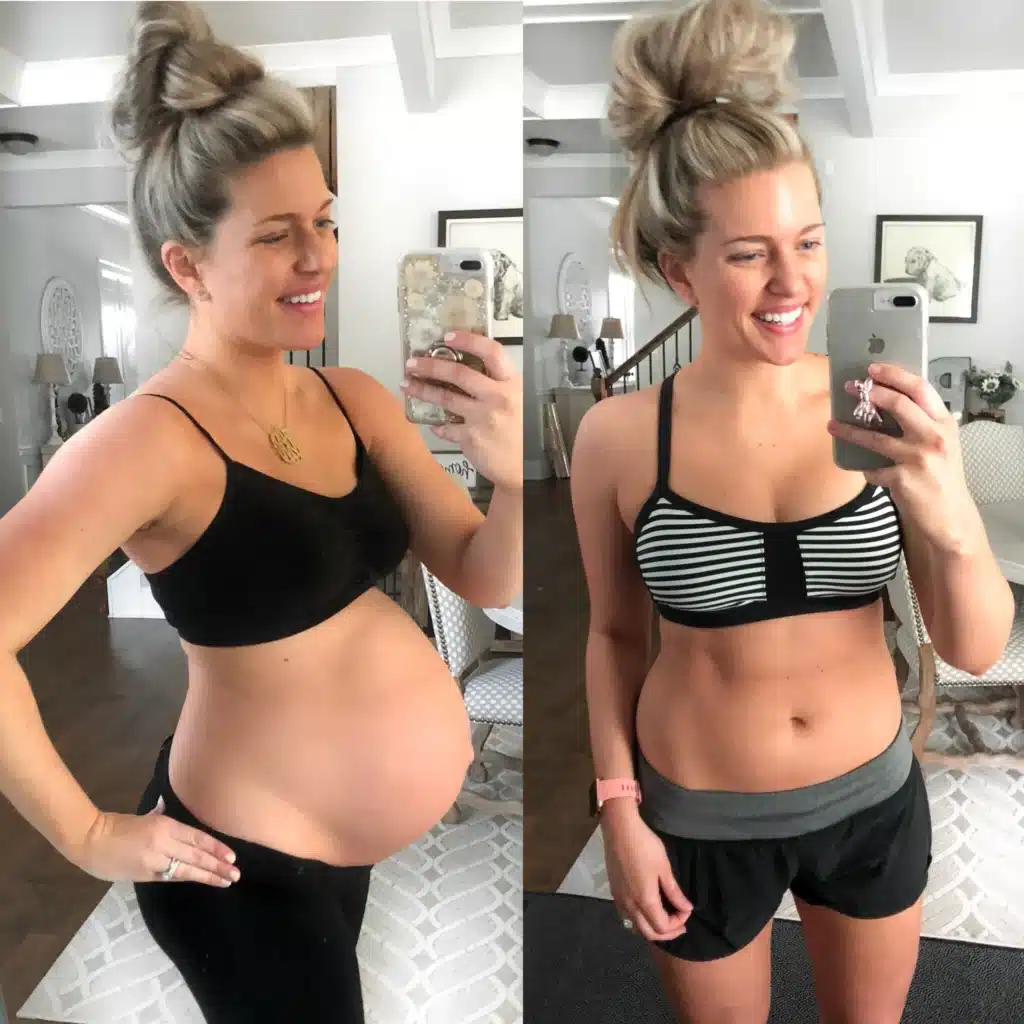
In contrast, a tummy tuck focuses on tightening the abdominal muscles. The tummy tuck procedure, also known as abdominoplasty, removes excess skin and tightens muscles. This method is especially beneficial for women post-pregnancy or those who have experienced significant weight loss.
Recovery Times
Recovery times differ significantly between these two procedures. Liposuction typically requires a shorter recovery period. Most patients return to normal activities within a week. Some may experience swelling or bruising, but these symptoms usually resolve quickly.
The tummy tuck recovery is longer and more involved. Patients often need two to four weeks to heal fully. They may face more discomfort due to muscle tightening. Scarring is also a consideration. Liposuction generally leaves smaller scars compared to the larger incision of a traditional tummy tuck.
Potential Scarring
Scarring varies greatly between liposuction and tummy tucks. Liposuction involves small incisions, leading to minimal scarring. These scars often fade over time and become less noticeable.
On the other hand, a standard tummy tuck results in a larger scar across the abdomen. Though surgeons place this scar strategically, it can be more prominent than liposuction scars. Proper wound care during recovery helps minimize scar appearance.
Combining Procedures
Many individuals consider combining both procedures for optimal results. A tummy tuck can address muscle laxity while liposuction removes unwanted fat. This combination provides a more comprehensive transformation.
Surgeons often recommend this approach for women after pregnancy. It helps restore the pre-pregnancy body contour by removing excess skin and fat simultaneously. Consultations with qualified plastic surgeons help determine the best plan based on individual needs.
Cost Considerations for Liposuction
Factors Influencing Cost
Costs for liposuction can vary widely. Surgeon expertise plays a significant role. Highly skilled surgeons may charge more due to their experience and track record. Location also impacts pricing. Urban areas often have higher costs compared to rural regions.
The specific body part targeted for liposuction affects the overall cost as well. Areas like the abdomen or thighs may require more time and effort, leading to increased fees.
Additional Expenses
Patients should prepare for additional expenses beyond the base price of liposuction. Anesthesia is typically necessary for the procedure. The type of anesthesia used can influence costs. General anesthesia usually costs more than local anesthesia.
Facility fees are another factor to consider. Surgical centers and hospitals charge for their services, which adds to the overall expense. These fees can vary based on location and facility reputation.
Financing Options
Considering financing options is crucial when planning for liposuction. Many clinics offer payment plans that allow patients to spread out costs over time. This makes the procedure more accessible for those who might find the upfront cost overwhelming.
e patients may also explore medical loans specifically designed for cosmetic procedures. Researching these options can help in making an informed decision about affording liposuction.
In summary, understanding the cost of liposuction involves more than just the surgeon’s fee. Patients should account for all potential expenses, including anesthesia and facility fees. Exploring financing options can ease financial stress and make achieving body contouring goals more feasible.
Summary
Liposuction can be a game-changer for your post-pregnancy body. It tackles stubborn fat and helps restore your confidence. You’ve learned about the body changes after pregnancy, the benefits of liposuction, and how to prepare for the procedure. Understanding the process and recovery tips is crucial for a smooth experience.
If you’re considering liposuction, weigh your options carefully. Know your costs and compare it with alternatives like tummy tucks. Take the next step towards feeling great in your skin. Consult with a qualified professional to discuss your goals and create a personalized plan. Your journey to rediscovering your body starts now!
Frequently Asked Questions
What is liposuction for post-pregnancy body contouring?
Liposuction is a cosmetic procedure that removes stubborn fat deposits after pregnancy. It helps reshape the body, enhancing your overall silhouette and boosting confidence.
How does liposuction differ from a tummy tuck?
Liposuction focuses on fat removal, while a tummy tuck tightens abdominal muscles and removes excess skin. Both can be complementary but serve different purposes in body contouring.
Who are ideal candidates for post-pregnancy liposuction?
Ideal candidates are women at or near their target weight, with good skin elasticity and realistic expectations. It’s essential to be in good health and have completed childbearing.
What should I expect during the recovery period?
Recovery typically involves swelling and bruising. Most women return to light activities within a week but should avoid strenuous exercise for about four weeks. Follow your surgeon’s guidelines closely.
Are there any risks associated with liposuction?
Like any surgery, liposuction carries risks such as infection, scarring, and uneven results. Choosing a qualified surgeon minimizes these risks significantly.
How much does post-pregnancy liposuction cost?
The cost varies based on the surgeon’s expertise, location, and the extent of the procedure. On average, it ranges from $2,000 to $8,000. Consult with your provider for a personalized quote.
Can I combine liposuction with other procedures?
Yes, many women opt to combine liposuction with other surgeries like a tummy tuck or breast lift for comprehensive body contouring. Discuss your goals with your surgeon to find the best approach.