Key Takeaways
- For patients with high BMI, liposuction poses unique challenges. These include an increased risk of complications and difficulties in achieving the desired results.
- Solutions include meticulous patient selection, detailed preoperative workup, and specific surgical approaches for high-BMI patients.
- Liposuction is an effective way to contour your body. It will not whittle down your weight drastically, so it is more for spot reduction.
- Safety measures are essential. They include monitoring vital signs, managing comorbidities, and ensuring proper postoperative care to reduce risks.
- Collaboration among healthcare providers, including surgeons and primary care doctors, is vital for holistic patient management.
- Patients are encouraged to continue a healthy lifestyle after the procedure to maintain results and promote overall health.
Liposuction for high BMI patients isn’t a walk in the park. Challenges arise like weeds, particularly when safety is involved.
High BMI folks have specific challenges to consider when it comes to liposuction. Docs need to figure out safe ways to get it done.
It isn’t just about sucking out fat. There are limits, and there are risks. Plus-sized patients deserve a solution that keeps them safe and sound.
We need to have conversations about what’s possible and what’s not.
Liposuction isn’t a magic wand per se, but when done right, it’s a game-changer.
Let’s get into it.
What are the Challenges?
1. Increased Anesthetic Risks
Liposuction uses anesthesia, and patients with a high BMI are at increased anesthetic risk.
Having a higher body mass can make the anesthesia process more complicated and have potential complications — such as lung complications.
You need a custom surgical plan. There are advanced techniques, such as using specific anesthetic methods, that can help.
A proper pre-operative assessment is important before getting surgery. It detects potential risks so that the surgical team can respond accordingly.
Encouraging healthy living through diet changes helps maintain a healthy weight and avoid these ailments. This style makes the process as safe as it can be.
2. Limited Fat Removal Capacity
There are limitations to liposuction.
Surgeons can safely remove no more than five liters of fat during the procedure. This is to ensure patient safety, especially for those with a high BMI.
To improve outcomes, patients should strive to stabilize their body weight before surgery.
That involves a commitment to balanced eating and consistent exercise. For example, adding fruits, vegetables, and lean proteins can support weight loss.
Tracking weight trends is equally important, making sure patients remain within acceptable BMI levels.
This preparation promotes better surgical outcomes and reduces risks.
3. Longer Recovery Time
High BMI individuals may require more time for recovery post-liposuction. The body’s healing process can be slower depending on health conditions and the amount of fat removed.
It’s important to develop individualized surgical strategies. By collaborating with a good surgeon, the plan is tailored to specific goals and health conditions. Adjustments in surgical techniques based on health status can also help recovery.
It allows the patient to know what to expect when clear expectations are set. This way, the recovery process goes well, and any issues can be addressed immediately.
4. Higher Risk of Complications
There are higher risks of complications during and after liposuction for higher BMI patients. These are blood-related and heart-related issues.
To avoid these risks, it’s useful to look into newer techniques such as tumescent or awake liposuction. Technologies like ultrasound-assisted liposuction also make it easier and safer to remove fat.
As a result, gentle suction techniques reduce trauma that the tissues may experience. Training the surgical team about these advanced approaches is essential.
All of this preparation allows them to deal with some of the complexities of high BMI surgeries, ensuring patient safety and improved outcomes.
5. Difficulty in Achieving Desired Results
Getting results can be elusive for patients with high BMIs.
Liposuction can target stubborn fat, but it’s not a weight-loss fix.
Realistic expectations are the name of the game.
Post-operative compression garments support healing and reduce swelling.
Specific instructions on hydration and nutrition will help with recovery.
Regular follow-ups to monitor progress and complications are essential.
Informing patients about warning signs such as excessive swelling or unusual pain enables early intervention.
For significant weight loss, you may consider bariatric surgery instead.
This holistic approach keeps patients informed and prepared for their liposuction experience.
Solutions for High BMI Liposuction
Pre-Surgery Weight Management
When people think about liposuction, they need to realize that it’s really about body shaping. It’s not just a quick way to lose tons of weight.
Liposuction is not a go-to for big weight loss but rather a cosmetic procedure. For sustainable results, adhering to long-term changes such as a healthy balanced diet and physical activity is essential.
Think of it as a team effort: combining liposuction with diet tweaks, exercise, or even considering bariatric surgery if needed can lead to a more comprehensive weight loss outcome.
It’s particularly useful for spot targeting stubborn fat areas that won’t respond to diet and exercise. If you are suffering from severe obesity, it’s worth speaking to your doctor about other methods of weight loss.
Limitations of Liposuction for High BMI
Not a Weight Loss Solution
Liposuction isn’t a magical weight loss tool, particularly if you’re high BMI. Instead, it’s about eliminating those stubborn fat pockets that refuse to budge with diet or exercise.
If your BMI is over 30, it increases the risks involved with the procedure. Surgeons usually dissuade this because liposuction isn’t intended for drastic weight loss or major BMI changes.
Instead, it’s best for people whose BMI is under 30. Surgeons frequently suggest non-surgical options for patients with higher BMIs. They may also recommend lifestyle changes, including a healthy diet and regular exercise.
It’s all about managing weight in a sustainable way. Up to 90% of people feel emotionally better when their BMI is in a healthier range.
Remember, liposuction won’t necessarily result in weight loss or better health. It’s just a small piece of the puzzle.
Impact on Skin Elasticity
After liposuction, seeing how your skin bounces back is important.
Creating a good monitoring plan during the recovery process can help track the healing process and catch complications early.
Scheduling follow-up appointments with the surgeon is crucial to check on both the surgical site and your recovery.
Patients also benefit from learning self-monitoring techniques. By checking for redness or unusual swelling, they can identify problems early before they become serious.
Encouraging open communication with healthcare providers ensures any questions or concerns about the recovery process are addressed.
You should know that liposuction isn’t a replacement for a healthy lifestyle. Surgeons often recommend a healthy diet and exercise. These practices maintain weight and avoid further fat deposits post-surgery.
This comprehensive approach fuels both physical and emotional recovery.
Potential for Uneven Contours
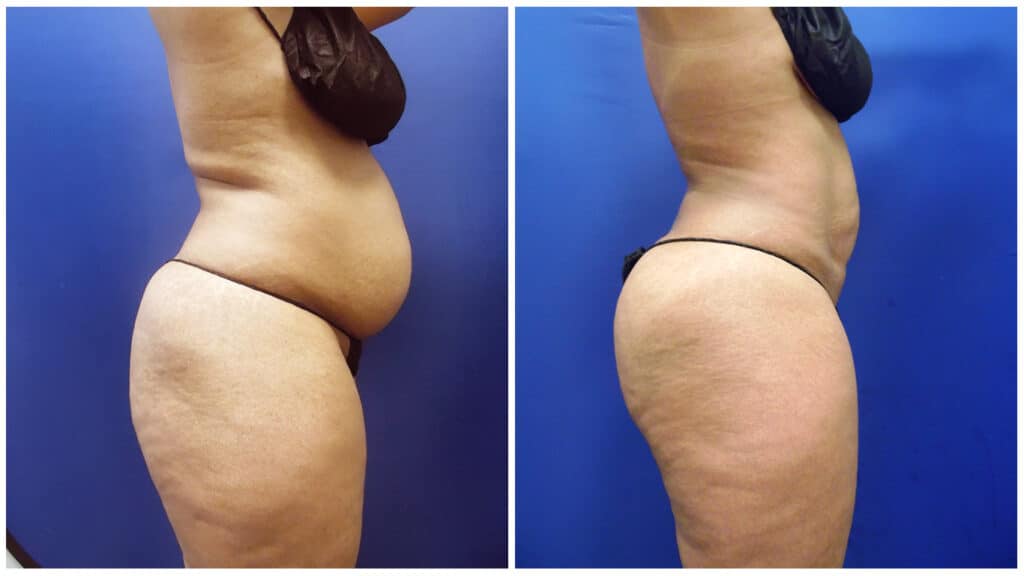
With high BMI patients, the risk of bumpy contours post-liposuction is a consideration. Choosing a qualified plastic surgeon who has experience with this is crucial.
Ensure the surgeon’s qualifications are checked. See if they’re part of professional associations such as the American Society of Plastic Surgeons (ASPS).
Talking about the surgeon’s past results and going through patient testimonials can also give you insight into their skill level.
According to Dr. Shermak, it’s essential to prioritize surgeons who are experienced with advanced techniques designed for high BMI liposuction. This helps ensure a smoother, more even result.
Surgeons with this experience quickly adapt their approach to meet the unique needs of each patient. This adaptability decreases the probability of unevenness and can lead to better overall results.
Patient Safety Measures
Comprehensive Health Evaluation
A high BMI and a full health check-up before considering liposuction is critical.
It’s going to help identify anything that presents a health risk that would make surgery a no-go, or something that maybe needs to be cared for differently.
The doctor also has to be told if someone has diabetes or high blood pressure. That information is critical for managing those conditions before and during the surgery.
It’s more like a roadmap that underlies the entire process.
The evaluation usually tests your heart health and blood sugar levels. If sleep apnea is suspected, you may even undergo a sleep study.
I had one patient who needed to adjust their medication leading up to surgery to make sure everything went as planned.
It’s really just being as exhaustive as possible because you don’t want to have something come up and catch you by surprise, and then you have to try to figure out how to deal with it on the fly.
Choosing Experienced Surgeons
Picking the right surgeon is really important. It’s like hiring a guide for a mountain hike — you want someone who’s familiar with the land.
Experienced surgeons have seen every type out there and can customize your treatment. They’re used to higher BMI patients and how to handle them.
It’s not only about the procedure itself, but also being informed so you can make sound decisions through the process.
For instance, a skilled surgeon knows how to make the fewest mistakes while delivering the best results. They usually have a team — anesthesiologists and nurses — who are also comfortable with these complicated cases.
This teamwork helps keep everybody on the same page. It creates a safety net that maximizes the safety of the procedure.
Monitoring During Recovery
Post-surgery, monitoring the recovery process is essential, particularly for higher BMI clients.
This monitoring includes consistent follow-ups for signs of complications, such as infection or fluid overload. It’s about making sure the body is healing and nipping any problems in the bud.
Tracking your levels of pain and swelling does provide useful information. It shows how well the body can heal from surgery.
Other times, patients require some extra support, such as compression garments, to facilitate recovery and enhance results.
I’ve seen first-hand how a clear post-op care plan can result in a faster and more efficient recovery process.
Making changes to diet and exercising more really helps. It’s all part of making sure the healing journey goes as smoothly and safely as possible.
Conclusion
Liposuction for high BMI patients comes with its own set of hurdles.
The necessity for safety and significant results requires thoughtful planning and expert care.
I’ve seen firsthand how important it is to have a plan in place for every patient.
Tailoring solutions to fit individual needs makes a huge difference.
From pre-surgery checks to careful monitoring, they all add up.
Trust your care team. They know the ins and outs and will help you get the best results.
If you’re considering lipo, learn as much as you can, get answers, and embrace the process. Knowledge is power!
Your health and comfort are of the utmost importance.
Ready to learn more?
Dive deeper and really connect with experts who you can learn from in that regard.
It’s not only about the procedure — it’s about feeling good and confident in your decisions.
Take the first step today — your future self will thank you!
Frequently Asked Questions
What are the main challenges of liposuction for patients with high BMI?
Things get difficult when it comes to liposuction on high-BMI patients. Higher surgical risk (for bleeding and infection) and the larger volume of fat being more challenging to remove. It also requires specialized expertise and equipment.
What solutions exist for high BMI liposuction?
Solutions include pre-surgery weight management, advanced lipo techniques, and finding experienced surgeons. Customized treatment plans and post-operative care are essential to enhance safety and outcomes.
Are there limitations to liposuction for patients with a high BMI?
Yes, some limitations, such as uneven fat removal and lack of long-term health benefits. Liposuction isn’t a weight-loss solution — it can only remove fat in certain areas. Individual results depend upon health conditions and body composition.
What patient safety measures are crucial for high BMI liposuction?
Patient safety measures include thorough pre-operative assessments, tailored anesthesia plans, and close post-operative monitoring. It’s crucial that the patient is fully educated and complies with post-op orders to prevent complications.
Can liposuction be combined with other procedures for high BMI patients?
Yes, liposuction can be combined with other procedures like tummy tucks. Thorough evaluation and planning by the surgical team is essential to ensure patient safety and successful outcomes.
How does high BMI affect the recovery process post-liposuction?
High BMI can slow down the recovery process by putting increased strain on the body and increasing the chances of complications. It requires long-term monitoring and a comprehensive recovery plan for full healing.
Is there a specific BMI limit for undergoing liposuction?
There’s no exact BMI limit, but a higher BMI poses more risks. Surgeons evaluate prospective patients on a case-by-case basis, taking into account general health and individual needs.