
Key Takeaways
- Fat transfer for scar revision is a specialized cosmetic treatment that utilizes your own fat to create a smoother, more even appearance. This technique improves overall skin texture while promoting natural healing due to fat’s regenerative properties.
- First, we gentle harvest fat from a donor site and process it. Then, we inject the fat into the scar tissue in order to help the skin heal and improve its elasticity.
- This minimally invasive procedure has the ability to provide long-lasting and natural results, as well as added benefits such as improved skin quality and dual body contouring.
- Fat transfer is a powerful and gentle treatment for all types of scars. It is effective on hypertrophic, keloid, surgical, and burn scars, providing a versatile therapy on difficult-to-treat scars.
- Risks involve the same potential complications of swelling, bruising or fat necrosis, for example. This further underscores the need to choose a highly skilled and experienced plastic surgeon.
- Patient suitability plays a key role. These factors include scar characteristics, overall health, and realistic expectations, all of which make a comprehensive consultation critical before proceeding.
As you can see, fat transfer for scar revision is a relatively underexplored but powerful technique that offers a unique and effective approach to improving the appearance of scars. This method involves using the patient’s own fat, typically taken from areas like the abdomen or thighs, to fill in and smooth out scarred tissue.
It doesn’t just help the surface texture, though; it can help with skin elasticity and texture too. This innovative and minimally invasive approach provides a natural, effective alternative for patients seeking to avoid synthetic fillers.
It’s a wonderful option for patients who want to avoid more invasive treatments. Even though it is a powerful technique with great potential, this technique is widely underexplored, thus creating an opportunity for more awareness and understanding.
With the ability to improve both the cosmetic and functional aspects, fat transfer shows great potential to be a multifaceted solution to scar enhancement.
What Is Fat Transfer for Scar Revision
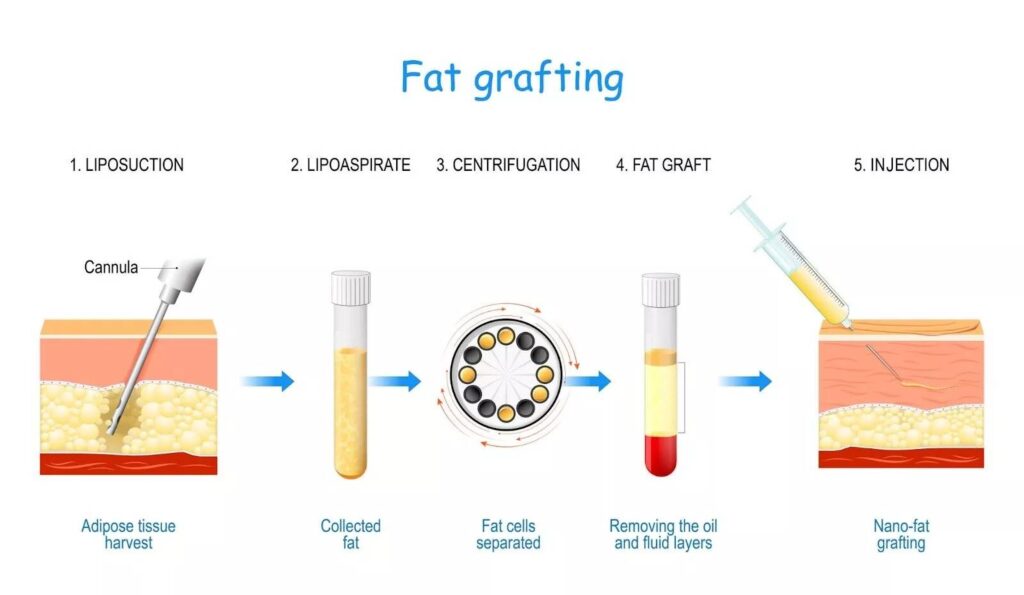
Fat transfer, or fat grafting, is a highly effective option that uses the patient’s own fat. This state-of-the-art technique provides the best cosmetic scar revision. The procedure first removes fat from an area of the body such as the abdomen or thighs.
Then, it injects that fat into depressed, scarred areas. The introduced fat additionally restores lost volume, smoothes out uneven surfaces, and softens the overall appearance of the scar. This method of scar revision is especially attractive because it’s safe and minimally invasive, yielding natural-looking results with virtually no downtime.
More than just aesthetics, fat transfer improves the skin’s quality and texture. Plus, because the procedure uses healthy fat cells, the elasticity of the skin can be improved, helping to lessen the thick, rigid texture that many scars have.
All kinds of scars—traumatic, surgical, acne, etc.—are addressed with this technique. It is amenable to the unique characteristics of each scar, making it a good option for a variety of patients.
The other big thing about fat transfer is its regenerative ability. Fat is rich in stem cells, which are key to tissue repair and youthful regeneration. These cells work to stimulate collagen production and vascularization, creating healthier, more pliable skin on either side of the scar.
Unlike some techniques, results from fat transfer take time, often several months, to fully develop. The long-term improvements in texture and overall appearance render it a highly effective, yet underutilized treatment option for scar revision.
Benefits of Fat Transfer for Scars
Natural and Long-Lasting Results
Fat transfer provides results that last longer than other treatments for scars. Since the procedure uses your own fat, there is virtually no risk of rejection. This biocompatibility guarantees that the transferred fat blends seamlessly with the surrounding treated area, resulting in a more organic appearance.
Fat is a rich source of adipose-derived stem cells (ADSC), which are known to promote tissue regeneration. This results in the improvement that, with time, scars appear softer and better match the color and texture of the surrounding skin. In fact, studies from 2008 to 2016 reported remarkable outcomes regarding scar appearance after fat grafting.
Finally, the majority of patients are very satisfied with their outcomes, since the treated area looks and feels completely natural.
Improves Skin Texture and Elasticity
Fat transfer does more than just correct scars. It helps enhance the texture and quality of skin. The procedure increases skin moisture, helping the treated area look more even.
Elasticity is a second advantage, as fat restores some of the elasticity to scarred skin. Often, after just a few treatments, patients start to see their scars softening, with less defined, more even borders. For example, within the first four weeks, patients can usually notice a difference in the texture and overall suppleness of their skin.
It is the regenerative properties of fat that account for these overall improvements, providing skin with that healthy, replenished, and youthful appearance.
Minimally Invasive Procedure
Fat transfer procedures are less invasive than traditional surgeries. Because of this, the procedure can typically be performed with local anesthesia to minimize discomfort. Swelling recovery times are shorter, with peak swelling within three days and that swelling going down by the end of week one.
With patients often able to return to their daily activities within days, this makes it an appealingly convenient option. The whole process is very convenient, treating scars while enjoying the added benefit of body contouring.
The combined benefit of fat transfer is one of the reasons why it’s such a sought-out procedure. From 2019 to 2021, procedures grew by 20%.
Risks and Considerations of Fat Transfer
Possible Complications During Healing
Fat transfer surgery is a very safe procedure, but like any cosmetic procedure, there are associated risks. Common side effects after surgery include swelling, bruising, and some minor discomfort, all of which typically heal within a few weeks. Infections, although rare (only about 1.8% of cases), remain a concern; thus, monitoring for redness or unusual pain is crucial for optimal healing.
Hematomas and seromas are even rarer, with reported occurrences as low as 0.5% and 0.1%, respectively. Fat necrosis can occur when some of the transferred fat cells die, leading to firm nodules or oil cysts, especially if the fat graft is injected improperly or the area lacks good blood supply.
Uneven cosmetic outcomes, including asymmetry or contour deformities, occur in an estimated 14.4% of cases. These results often stem from undercorrection or uneven fat distribution. Therefore, patients should remain vigilant for any abnormalities and continually check in with their plastic surgeon to address complications promptly.
Factors Affecting Procedure Success
There are a number of important factors that determine the success of fat transfer. Patient characteristics such as age, skin elasticity, and overall health are crucial determinants. Generally, younger people with tighter and healthier skin have the best outcomes.
The quality of the harvested fat is just as important—viable cells are more likely to “take” in their new home. Post-treatment care is another major factor. Reading and following directions make all the difference. It protects the fat cells as they try to find their own blood supply by preventing compression on the grafted area.
Finally, the experience and skill of the operating surgeon plays a huge role in the outcome. Skilled practitioners employ the safest, most precise techniques to minimize complications and maximize the chance of successful healing.
Importance of Choosing a Skilled Specialist
Choosing a conscientious and board certified specialist is one of the most important steps to your care. Board-certified plastic surgeons who specialize in performing fat transfers are the ideal practitioners to provide this valuable experience.
What they’re very good at is harvesting, processing, and injecting fat with a much lower risk. Checking before and after pictures and patient testimonials provides a glimpse into a surgeon’s expertise. Consulting with a highly qualified plastic surgeon helps to ensure each procedure is customized to individual needs, maximizing both safety and satisfaction.
Candidate Suitability for Fat Transfer
Who Can Benefit from the Procedure
For patients like Ibarra that have deeper, more robust scarring, fat transfer offers relief as well as cosmetic improvement. People with depressed scars, such as acne or surgical scars, usually have outstanding improvement.
How the transferred fat works: Restoring lost volume helps to smooth the skin’s surface. For individuals looking to improve aesthetic features, fat transfer provides a natural option to improve skin tone and texture.
It continues to benefit patients who experience painful, restrictive scars due to burns or trauma. By softening the scar tissue, it’s helping to improve their mobility too.
Reconstructive surgery patients, especially those recovering from mastectomies or other major procedures, may benefit from fat transfer as it combines volume restoration with healing properties.
Conditions That May Limit Eligibility
There are some factors that could affect a patient’s eligibility for fat transfer. Underlying medical issues such as diabetes or bleeding disorders may be problematic, as they can impede healing or heighten the risk of complications.
Patients on blood thinners may have difficulty with fat graft survival. Further, patients with a history of smoking, radiation exposure, or multiple previous surgeries often face similar hurdles.
Smoking, especially, is notorious for reducing blood flow, thereby impacting the success of the procedure. Any active infection or dermatologic condition should be cleared up first.
Those who are grossly overweight or obese usually do not qualify to be accepted candidates for fat transfer. This practice can result in suboptimal outcomes and higher risks.
Fat Transfer Procedure Details
1. Preparing for the Procedure
Patients should adhere to these pre-operative instructions for optimal cosmetic outcomes in scar treatment.
- Do not take any blood-thinning medications such as aspirin or ibuprofen one week prior to surgery unless otherwise instructed.
- Adhere to any dietary recommendations, like fasting for 6-8 hours prior to the procedure if instructed by your surgeon.
- Provide your surgeon with a full medical history, including details about previous surgeries, allergies, and any medications you are taking. This further aids in determining candidacy and mitigating dangers.
- Plan for transportation home and have somebody there to help you in the first 24 hours after the procedure. Though fat transfer is an outpatient procedure, downtime is a must.
- Mentally prepare yourself by knowing what to expect, and the length of your recovery. The average recovery time is two weeks with some swelling or slight pain possible.
2. Steps of the Fat Harvesting Process
First, we decide on a donor site, most often the abdomen or flanks. Then we extract fat in a process that is very similar to a small liposuction procedure, with the use of a blunt, micro-perforated cannula.
Lidocaine (1%) and epinephrine (20 cc) are injected into the donor area under tumescent technique to reduce pain and bleeding. This harvested fat is then processed to remove impurities, allowing cell viability to be preserved.
This guarantees the fat cells are healthy and maximally prepared for injection. Preserving viability is imperative as the fat needs to integrate with the surrounding tissue at the destination site.
3. Injecting Fat into Scar Tissue
The injection process requires a high level of precision. Fat is injected into the scars using a special layering technique that allows for even distribution and smooth results.
Each injection adds volume and smooths skin texture. Average of 15 cc of fat transferred depending on size of scar, generally a 4–8 in² area. By targeting specific scar characteristics, you can ensure the fat is working to meet the unique needs of each scar.
As time goes on, the fat becomes integrated with the surrounding tissue, creating natural healing and a smoother, more natural appearance.
4. Post-Procedure Care Instructions
Properly caring for the treated area will promote healing. Follow these tips:
- Keep the treatment area clean and dry. Change dressings as instructed. A double-layer bandage, beginning with cotton to warm lymph, is usually prescribed.
- Avoid all strenuous activities and do not stand completely upright for 10 days.
- Drink plenty of water and consume healthy meals full of vitamins to promote healing of your tissues.
- Watch for increased pain or swelling. Pain relief is effectively achieved with over-the-counter medications as directed.
Surgeons typically like to schedule follow-up appointments to check on healing. Visual Analog Scale (VAS) scores demonstrate pain improvement of 50 to 90% in a vast majority of patients after one year.
Recovery Expectations After Fat Transfer
Typical Healing Timeline
Expectations for Recovery After Fat Transfer Scar Revision Healing occurs in stages, with improvements continuing over time. Here’s what to expect:
- You will have significant swelling and bruising and general discomfort. Mobility, particularly in joints such as the hands, can be a challenge. You might experience an itching feeling between day 10 and 14.
- Weeks 2-4: Swelling begins to subside. You may start to see the scar areas serve to soften, however the entire effect isn’t seen just yet.
- Weeks 4-6: Nearly all patients report being prepared to get back to their daily lives. Healing is still continuing on the inside. Your body begins to accept the transferred fat. Results are immediate, although up to 50% of the injected fat can be reabsorbed. Final results will be seen as scar texture continues to improve and redness subsides.
Please understand that the typical timeline may vary depending on the size/scar, location, and overall health of the patient. Keep an eye out for any serious complications such as unusual swelling or pain while you heal.
Managing Swelling and Discomfort
Swelling is to be expected. Cold compresses during the initial days can minimize it. Most notably, rest and elevating the treated area will go a long way toward comfort.
Over-the-counter or prescribed pain medications, as well medication to help prevent infection, can alleviate discomfort. If at any time swelling worsens or you develop heat or redness, contact your physician right away.
When to Resume Normal Activities
The majority of patients are back to light activities in less than two weeks. Gentle massage is sometimes recommended to avoid irregularities.
Full recovery for areas such as the face or hips can take four to six weeks. Don’t hurry, because a slow return to activity avoids overexertion. Follow-up consultations with your surgeon help ensure safety and proper progression.
Potential Outcomes of Fat Transfer for Scars
Visible Improvements Over Time
Fat transfer results develop over time. Over the weeks that follow the procedure, patients should notice gradual but distinct improvements in the way their scars look and feel. Greater improvements will be apparent over the next few months.
This slow process takes place as the transplanted fat fully integrates into the surrounding tissue. On average, it usually does take about two weeks for initial recovery, but full results might take several months to be realized. The longevity of these results can vary based on individual factors such as skin type, scar location, and post-procedure care.
For example, diligent hydration and sun protection can go a long way to keeping that improved look. Internationally, clinical trials demonstrate that 66% of patients achieve greater than 50% improvement in scar visibility, underscoring its promise and efficacy. Some patients have even achieved near-complete resolution of some scar types.
Enhancing Confidence and Appearance
For so many, the need to treat visible scars is not merely cosmetic—it’s the desire to return to the person you are inside. When scars improve, self-confidence improves, creating a ripple effect that influences personal and professional relationships along with quality of life.
For many, emotional well-being increases when scars diminish, enabling people to devote their energy to building a new life rather than scar management. Testimonials often focus solely on the aesthetic changes, even though some patients have experienced at least 90% reduction in neuropathic pain in addition to aesthetic restoration.
These results are testimony to the awesome potential of fat transfer. It is not only the improvement in physical appearance, but the improvement in people’s self-confidence.
Comparing Fat Transfer to Other Scar Treatments
Differences from Laser Therapy
Laser therapy and fat transfer surgery approach scarring in completely opposite manners. The goal of fat transfer is to utilize a patient’s own fat to restore lost volume, enhance skin texture, and promote skin healing. In contrast, laser therapy targets the outermost layer of skin, employing concentrated heat to resurface and reduce the appearance of scars. While lasers can effectively address discoloration or surface-level scars, fat transfer offers more profound cosmetic outcomes.
For instance, fat grafting reduces skin stiffness, thickness, and irregularity, with effects lasting for 12 months or longer. Another significant difference lies in regenerative capabilities. By introducing adipose-derived stem cells, fat transfer treatments stimulate tissue repair and increased collagen production, enhancing the overall scar quality.
In contrast, lasers and other treatments aim to create damage in a controlled manner to induce a regenerative response. This is what makes fat transfer, particularly structural fat grafting, especially successful when improvement of the scar area is required.
Combining both techniques can yield astounding results as well. For example, integrating fat grafting to restore volume with laser therapy for surface refinement can comprehensively treat even the most complex scars, leading to improved scar remodeling and aesthetic results.
Ultimately, the synergistic effect of these methods can significantly enhance the healing process and overall patient satisfaction in cosmetic procedures.
Advantages Over Dermal Fillers
Unlike dermal fillers, which are temporary and synthetic, fat transfer provides long-lasting, natural-looking results. Fat grafts are naturally absorbed into their newly surrounding tissues, lowering the risk for rejection or lumpiness.
On top of all that, fat transfer’s durability is impressive, with results lasting a minimum of a year, often 2-3 years or more. Fat transfer is better for covering larger areas. For scars covering large areas, fat grafting provides volume coverage.
Fillers can be inadequate. The procedure has double the benefits. While removing fat from areas such as the abdomen or thighs, it naturally contours the harvested areas. This adaptability makes fat transfer an appealing approach to improving your looks and self-esteem.
Combining Techniques for Better Results
In complex cases, using fat transfer in conjunction with other treatments usually improves results. Multi-modal approaches can combine fat transfer with other scar therapies such as microneedling or laser resurfacing, providing additional beneficial effects.
For example, one of the effects of microneedling is enhanced collagen production, which works in tandem with the volumizing effects of fat transfer. By targeting scars from different sides, these pairings can lead to smoother, more consistent results.
Our individualized treatment plans are the secret to their success. Each scar is different and requires an individualized strategy to provide the best possible results.
Patients looking for scar treatments should weigh options such as fat transfer paired with laser treatment for long-term advancements in both texture and color. Exploring these multifaceted strategies can make for impactful, long-term change.
Comparison Table: Fat Transfer vs. Other Scar Treatments
| Feature | Fat Transfer | Laser Therapy | Dermal Fillers |
|---|---|---|---|
| Technique | Uses patient’s fat for volume & repair | Resurfaces skin with controlled heat | Injects synthetic material for volume |
| Results Duration | Long-lasting (12+ months) | Temporary (varies by type of laser) | Temporary (months to 1-2 years) |
| Regenerative Properties | Promotes tissue repair & collagen | Stimulates surface regeneration | None |
| Area Coverage | Treats large areas effectively | Focused on smaller regions | Limited to small areas |
| Additional Benefits | Body contouring with fat harvesting | Improves discoloration | Quick volume correction |
| Downtime | Minimal (a few days) | Varies (days to weeks) | Minimal |
Conclusion
Fat transfer provides a safe, natural, and versatile solution for scar improvement. It employs the use of your very own fat to fill in and soften depressions and contours, creating a more uniform and natural appearance to the scars. The process is simple and comes with less downtime than many other treatments. It fuses aesthetic enhancement with an individualized technique, producing a powerful and flexible solution.
Each treatment has its advantages and disadvantages, but none are as subtle and effective as fat transfer. If you are looking for a minimally invasive method to revise an undesired scar, this technique may be something to discuss with a qualified provider.
Consult with a reputable provider to determine whether fat transfer is right for you and your goals. Whatever you’re dealing with, taking that first step can bring you closer to your solution.
Frequently Asked Questions
What is fat transfer for scar revision?
Fat transfer surgery for scar revision is a minimally invasive procedure that involves injecting autologous fat into scarred areas. This method significantly enhances texture, volume, and overall cosmetic outcomes. It serves as an effective, natural technique for improving skin quality and diminishing the appearance of facial scars.
How does fat transfer benefit scars?
Fat transfer surgery can create smoother, softer scars and restore skin elasticity, enhancing the overall cosmetic outcomes. It stimulates collagen synthesis, ensuring long-term improvement in the quality of the skin.
Who is a good candidate for fat transfer?
Healthy individuals with visible facial scars and sufficient body fat for harvesting, such as through fat transfer surgery, are ideal candidates. A consultation with a qualified specialist will reveal if you are a good candidate.
Are there risks involved with fat transfer for scars?
Of course, as with any cosmetic procedure, there are risks, such as temporary swelling, bruising, or infection. Rarely, not all of the fat transfer surgery will survive, necessitating touch-ups. These risks are dramatically reduced when providers with extensive experience in fat grafting are chosen.
What is the recovery process like after fat transfer?
Recovery from cosmetic procedures like fat transfer surgery typically takes just a few days to a week. Patients experience minimal swelling or bruising, allowing them to resume their daily routines quickly. As time progresses and swelling decreases, the cosmetic outcomes continue to improve.
How does fat transfer compare to other scar treatments?
Compared to fillers or laser treatments, fat transfer surgery offers more natural and longer-lasting results. This dual action – addressing both volume loss and skin texture – makes it an incredibly versatile option for scar treatment.
What results can I expect from fat transfer for scars?
You can look forward to an improved skin texture that is smoother, softer, and more evenly toned, particularly through effective scar treatment. Individual outcomes differ, but the vast majority of patients experience significant changes in scar quality and overall skin health in just months.