Key Takeaways
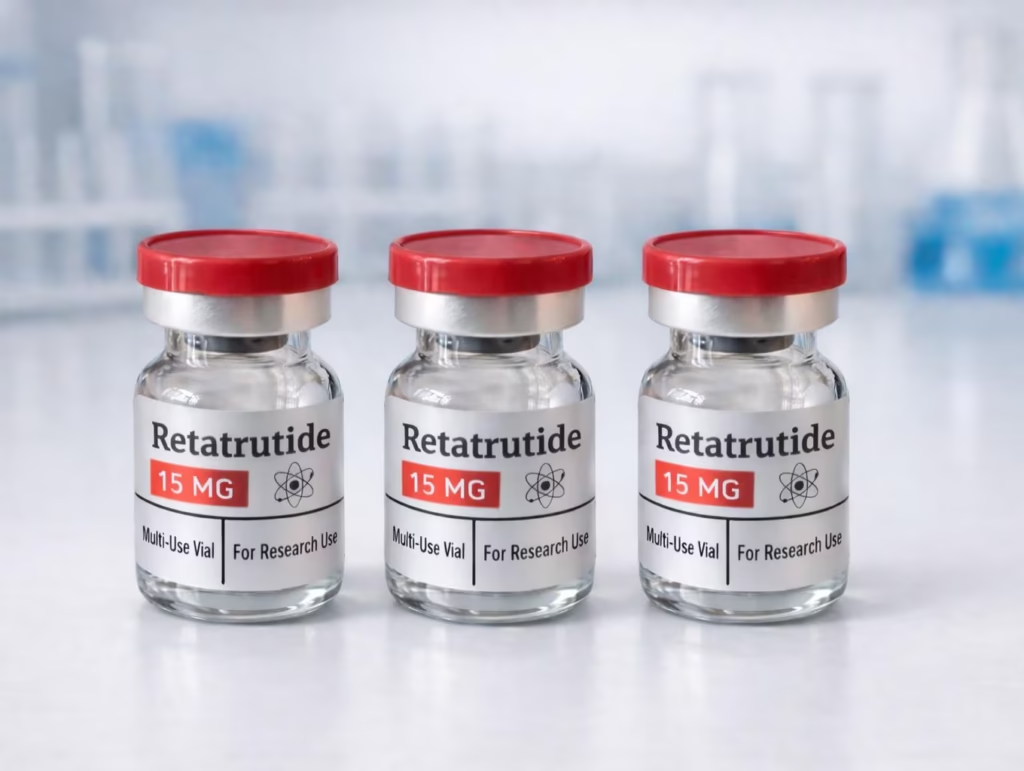
- Retatrutide is an emerging medication designed to help manage obesity by targeting appetite regulation and energy balance. It offers new options for weight management.
- The retatrutide trials use particular BMI cut-offs for eligibility that are well established.
- According to Novo Nordisk, full health screenings such as metabolic profiles, treatment history, and comorbidities will be crucial in determining if patients are suitable candidates for retatrutide.
- Retatrutide trials have multiple stages, each addressing safety, efficacy, and weight loss effects.
- Guided by evidence-based guidelines and clear scientific rationale, the inclusion and exclusion criteria support the quality and credibility of trial findings.
- Incorporating retatrutide into obesity management could redefine conventional treatment methods toward personalized medicine and inspire continued investigation to maximize efficacy.
Retatrutide obesity BMI criteria implies one should possess a body mass index (BMI) of 30 or a minimum of 27 if accompanied by a weight-related condition to be eligible for this weight care medication.
These guidelines assist physicians in selecting individuals who may benefit from retatrutide. A number of research studies support these cutoffs, which are designed to align with standards in obesity treatment.
The following section will discuss how these policies function and their implications for users.
Understanding Retatrutide
About Retatrutide Retatrutide is a novel drug in the obesity space, built to aid in weight loss and optimize metabolic health. The drug does so by imitating three hormones naturally present in the body: glucose-dependent insulinotropic polypeptide (GIP), glucagon-like peptide-1 (GLP-1), and glucagon. All three of these hormones regulate appetite, blood sugar, and energy use.
Understanding how retatrutide works provides more context as to why it is being researched and applied to individuals with obesity and associated conditions. It is useful to get a sense of who would be eligible for treatment since BMI thresholds have been central to clinical trials and will remain central going forward.
Mechanism
Retatrutide operates by addressing three hormone pathways concurrently. It behaves like GIP, GLP-1, and glucagon, all of which assist the brain and body in regulating appetite, satiety, and how quickly calories are burned. When food is consumed, these hormones signal the pancreas to secrete insulin, which regulates blood sugar.
They direct the brain to curb appetite and decelerate gastric emptying, which keeps individuals satiated for extended periods. This drug attaches to specific receptors in the body that exist for these hormones. By emulating their behavior, retatrutide can transform how the body processes food and how calories are stored as fat.
Clinical studies indicate that most individuals observe altered appetite within a couple of weeks. In one experiment, 31 of 36 individuals experienced changes to how they ate following only eight weeks. Potential metabolic benefits to patients on retatrutide include having more energy, an improved ability to move around, and even a reduction in their clothing size.
We’ve already seen in studies an average weight loss of about 24%, which is impressive. Others experience improved blood sugar control, rendering the drug a potential candidate for other health issues such as type 2 diabetes, MASH, and heart disease. Not all have the same outcomes and some experience less weight loss than desired or reduced social engagements from side effects or new routines.
Purpose
- Assist individuals in shedding pounds by transforming the way the body processes food, hunger and energy.
- Focus on adults with elevated BMI who have not achieved weight or other health goals through other methods.
- Enhance general health by reducing the hazards associated with obesity, such as heart disease, diabetes, and joint pain.
- Help maintain long-term weight management and improved quality of life.
The primary indication for retatrutide use is in adults with obesity, typically considered a BMI of 30 kg/m2 or 27 kg/m2 with associated conditions. This cohort may suffer from conditions such as type 2 diabetes, cardiovascular risk, or osteoarthritis. Research is investigating whether retatrutide could benefit individuals with kidney disease or MASH.
Weight loss is the most obvious target, but the drug is anticipated to increase energy and mobility. In the studies, individuals experienced improved exercise and recreational capabilities. A few say they have an enhanced social life; however, a couple have experienced the reverse as a result of side effects.
Over time, the hope is that this drug can slot into larger schemes for obesity care that involve diet, movement, and other medicines. Over time, retatrutide could signify less obesity-related disease and a longer, more active life for many.
BMI Eligibility Criteria
BMI, or body mass index, assists in determining whether an individual is considered to be within a healthy weight range for their particular height. This measure is crucial in obesity treatment research because it provides an easy, universal criterion for eligibility. For retatrutide studies, definitive BMI cutoffs ensure the appropriate population is being studied and the results are consistent. Various trial phases may set their own thresholds to optimize for particular research objectives.
| Trial Phase | Minimum BMI | Maximum BMI | Comorbidities Required |
|---|---|---|---|
| Early Phase | 30 | 45 | No |
| Later Phase | 27 | 50 | Yes (for BMI 27–29.9) |
1. The Thresholds
BMI is a gatekeeper for retatrutide trials. The majority of trials include a minimum BMI of 30, consistent with the WHO’s classification system under which 30 corresponds to class I obesity. Individuals with a BMI between 27 and 29.9 could still be eligible, as long as they have at least one weight-related comorbidity, typically type 2 diabetes, high blood pressure, or lipid disorders.
Normal BMI, which is less than 25, is not eligible. There is frequently an upper BMI, maybe 45 to 50, to ensure safety and maintain a homogenous study population. These cutoffs do more than sort who can participate; they assist in comparing results and following treatment success across cohorts.
For example, a person with a BMI of 32 with no other health complications would be eligible, whereas a person with a BMI of 26 would not, unless they had significant secondary conditions.
2. Comorbidity Factors
Having other health issues can change eligibility. People with a BMI between 27 and 29.9 need to show proof of a weight-related disease, such as hypertension or diabetes. This rule tries to focus treatment on those who face extra health risks from excess weight.
Comorbidities play a big role in risk assessment and treatment planning. For some, managing these related conditions is just as important as weight loss itself. Sometimes, new diagnoses of comorbidities may prompt re-evaluation of eligibility.
3. Exclusion Criteria
Certain things can rule people out of these trials. Recent big weight swings, such as losing or gaining a lot in three months, can exclude you, as it complicates measuring a treatment’s real impact.
Taking specific drugs, such as corticosteroids or other diet pills, may prohibit someone from participating. Pre-existing conditions like severe heart disease, advanced kidney issues, or psychiatric illnesses might disqualify you. Thorough screening safeguards our participants and maintains the integrity of our trial results.
4. Scientific Rationale
BMI cutoffs are determined by research showing elevated BMI correlates with increased health risks and the probability of benefiting from novel treatments. Scientists rely on these thresholds to focus on groups most likely to demonstrate effects, assisting in drug safety and efficacy testing.
These evidence-based rules keep studies focused, ethical, and relevant for the patient care of tomorrow.
Beyond BMI
BMI is a common term, but it’s only one piece of the puzzle when it comes to obesity treatment and clinical trial eligibility. Most studies, such as those on retatrutide, examine a broader range of criteria to determine eligibility. That helps ensure treatments are safe, effective, and tailored for each person’s individual health profile.
These broader screenings include everything from present health to metabolism and previous treatments.
Health Status
- Type 2 diabetes, hypertension, dyslipidemia, obstructive sleep apnea, and osteoarthritis frequently qualify folks with a BMI of 27 to 29.9.
- Chronic diseases such as active cancer or uncontrolled thyroid disease can eliminate participation.
- Recent cardiovascular episodes, prior pancreatitis, or severe gastrointestinal disease can exclude from therapy.
- Recent bariatric surgery, for example, is the most frequent cause of a deferral or ineligibility.
- Mental health problems, such as untreated eating disorders or body image concerns, typically have to be dealt with prior to initiating treatment.
- Weight fluctuations in the previous months may impact eligibility. Weight must be steady.
Chronic conditions can affect response to obesity drugs. For instance, if you have uncontrolled diabetes or severe heart problems, your risks with weight-loss medications may be higher. That’s why trial teams look at medical history closely.
They screen for past and current illnesses that may confound outcomes. This screening assists in identifying risks before they are fully developed and in directing safer lifestyle decisions.
Mental health counts as well. Untreated depression, binge eating, or body image issues may influence treatment outcomes and safety. Getting these under control before treatment can translate into improved results.
Metabolic Profile
Metabolic profile is a series of lab tests that indicates how the body metabolizes fat, sugar, and energy. This encompasses blood glucose, cholesterol, triglycerides, and insulin. These markers assist physicians in detecting whether a patient is predisposed to diseases such as diabetes or heart disease.
Metabolic markers direct trial inclusion. For example, elevated blood sugar or cholesterol may qualify you even if your BMI is under 30. These markers inform treatment decisions and monitoring.
Weight control is associated with improved metabolic health. Individuals with enhanced blood markers tend to achieve superior long-term outcomes. During trials, doctors monitor these changes to ensure therapies function as expected and to immediately detect side effects.
Treatment History
Previous weight loss interventions, such as drugs or surgery, inform eligibility. Insurance often requires documented “trial and failure” of less expensive medications before approving newer ones like retatrutide. There may be a 3 to 6 month void between medicine switches.
Understanding what treatments someone has already attempted is predictive of what might work next. If you didn’t lose much weight or had hard side effects before, doctors may switch the plan or adjust the medicine dose.
Everyone’s weight loss story is unique. Some require a fresh approach after years of lifestyle tinkering, while others perform best when previous attempts are taken into consideration. Personalized plans are essential for long term success.
Trial Participation
Participating in a retatrutide obesity trial involves a structured process to verify your eligibility, guide you through what to expect, and guarantee your safety. The primary purpose is to determine the effectiveness of retatrutide in individuals with obesity, typically characterized by a BMI of 30 or higher, and occasionally additional comorbidities.
While the trials are accessible to people globally, potential participants should meet rigorous health requirements, such as BMI limits or medical background, prior to joining. It begins with informed consent, where participants are provided with comprehensive trial details, potential risks and benefits, ensuring they make an informed decision to participate.
Feel free to ask questions and seek a second opinion prior to making a final decision. Here’s a quick checklist for trial participation:
- Check eligibility, including BMI and other health criteria
- Complete the informed consent process for the trial.
- Ask questions and review all available information
- Commit to following trial protocols and attending all visits
- Give feedback and report any side effects or changes
Phases
Clinical trials for retatrutide move through several phases, each with its own goals. Phase I looks at basic safety and correct dose in a small group, often healthy volunteers.
Phase II includes more people with obesity, checking both safety and whether retatrutide shows some effect. In Phase III, the trial scales up, comparing retatrutide to other treatments in large groups and watching for rare side effects.
Some trials may still be new or active, while others are completed, and each phase builds knowledge for future use. Throughout every phase, safety checks are done at regular intervals, and participant health is closely watched.
Government agencies do not approve the safety of trials, and the National Library of Medicine keeps a reliable public database with trial details.
Timeline
A typical trial for retatrutide may last from several months to a few years. Phase I can last weeks or a few months.
Phase II might run for several months more, while Phase III can take one to three years, depending on trial size and design. Participants should expect regular visits for testing, reporting side effects, and monitoring progress.
Key milestones include initial screening, first dose, regular check-ins, and final assessments. The timeline might shift based on how many people enroll, how the treatment performs, or if more data is needed.
Expectations
While most trial participants are seeking weight or health improvements, results can vary. Adhering to trial protocols, such as taking retatrutide as prescribed and attending visits, makes the data more robust.
Side effects can occur and these are handled with continued assistance from the research team. By providing truthful symptom or concern reporting, you help make the process better and safer for everyone.
Open, two-way communication is necessary.
Efficacy Across BMI
Retatrutide, a new weight loss drug, demonstrates impressive efficacy across various BMI categories. Research focused on adults with a BMI of more than 30 kg/m² or more than 27 kg/m² with associated co-morbidities. These cohorts correspond to the majority of individuals who present for obesity treatment.
Retatrutide’s efficacy was compared with that of tirzepatide and semaglutide in a meta-analysis encompassing more than 35,000 individuals.
| Drug (dose, weekly) | Max Weight Loss (%) | Study Weeks | BMI Range in Study |
|---|---|---|---|
| Retatrutide (12 mg) | 22 (19–25) | 48 | >30 or >27 + comorbidity |
| Tirzepatide (15 mg) | 18 (16–19) | 72 | greater than 30 or greater than 27 with comorbidity |
| Semaglutide (2.4 mg) | 14 (11–17) | 68 | greater than 30 or greater than 27 with comorbidity |
Retatrutide clocks in with the greatest weight lost, at 22% after 48 weeks. Tirzepatide and semaglutide trail with 18% and 14%, respectively, over longer durations. Most studies enrolled adults spanning a broad BMI range, making these findings significant for practical application.
The higher the starting BMI, the more weight individuals were likely to shed, both in percent and absolute kilograms. For instance, a 35 kg/m² individual may experience a greater weight loss in kilograms than a 28 kg/m² individual, despite both losing the same percentage of their respective weights.
That’s not the same tale for all. Age, gender, and other health issues can affect weight loss. To be clear, younger or less ailing adults will experience a faster or larger decline. Having comorbidities like high blood pressure or sleep apnea could shift the findings.
Still, the big reviews examined people across multiple populations, which makes the results more applicable to diverse populations. Large trials screened for safety and found that discontinuation due to side effects occurred in 14% with GLP-1 drugs (such as retatrutide) and just two percent with placebo.
Gastrointestinal problems were frequent, with 86% on the drug versus 31% on placebo. This is crucial for clinicians and patients to understand, as the trade-off between efficacy and side effects will inform decisions.
Clinicians can use these figures to help steer who might be the best candidate. For an individual with a BMI greater than 30 kilograms per square meter or with a weight-related illness, retatrutide provides a robust option if they can tolerate the side effects.
In reality, doctors will balance these results with patient requirements, other medical conditions, and what the individual can adhere to over time.
Redefining Weight Management
Retatrutide represents an unmistakable change in the way we approach obesity. While most older therapies target a single pathway or target, retatrutide is unique. More importantly, it acts on multiple hormone signals in your body simultaneously. This new way signifies that it doesn’t just suppress appetite. It teaches the body to utilize energy smarter and maintain the weight loss for longer.
For individuals that have experimented with various diets or pills in the past without much luck, this can appear as a significant shift. Retatrutide holds promise for more actual outcomes, and it aligns with an increasing perspective that obesity is not simply a deficiency in discipline but a medical condition that requires actual solutions.
A lot of people view retatrutide as a breakthrough in society’s perception of weight. Historically, individuals connected obesity to poor habits or lifestyle alone. Now, with new drugs like retatrutide, we’re moving toward a vision of obesity as a chronic health condition with biological origins.
This shift can assist in dispelling formerly stigmatizing narratives. When an individual learns that there are medical treatments addressing the actual reasons, it becomes easier to feel validated and encouraged. In countries where public health systems don’t turn quickly to new ideas, retatrutide can progress the discussion and provide more people with access to the care they deserve.
Introducing retatrutide to weight care is not a story of one drug and that’s it. Best outcomes result from integrating novel medications with other aspects of treatment, such as guidance on nutrition, exercise, and psychological well-being. Take, for instance, clinics in numerous cities today that combine weight-loss drugs with group support or personalized coaching.
It does a better job of tackling the whole person, not just the scale. It’s crucial for doctors and care teams to continue educating themselves as new drugs like retatrutide are introduced. We all have our own ways, and the best regimens combine old and new instruments depending on the individual.
All the hype aside, there’s a lot to know. Early outcomes for retatrutide appear promising, but additional research is required to determine optimal use and long-term safety. Some people respond better than others, and researchers want to understand why.
There are questions about how it works with other health issues and what happens when people stop using it. Continued research will address these gaps and improve care across the board.
Conclusion
Retatrutide introduces a new option for weight loss. It works well at varying BMIs. BMI helps guide who can start, but it doesn’t tell the whole story. Things like health risks or previous weight loss efforts are important as well. Trials suggest potent effects in a diverse population. Health teams utilize more than figures to determine who ought to give it a shot. To find out more, consult a physician familiar with your medical background. Inquire about safety, side effects, and whether retatrutide is suitable for you. Prior to beginning, collect data and consider your choices. Life-changing transformation begins with a real plan and real support. Keep an open mind, stay informed, and follow your own path.
Frequently Asked Questions
What is Retatrutide and how does it work for obesity?
Retatrutide is an investigational weight management drug. It targets hormones to curb appetite and drive weight loss in individuals with obesity.
What are the BMI requirements to use Retatrutide for obesity?
Retatrutide clinical trials generally enrolled adults with a BMI of 30 or higher or 27 with comorbidities.
Can people with a BMI below 30 kg/m² use Retatrutide?
Retatrutide can be used in cases of a BMI of 27 to 30 kg/m2 with weight-associated comorbidities. This will be subject to doctor discretion and local rules.
How effective is Retatrutide for different BMI groups?
Clinical trials indicate that Retatrutide effectively induces weight reduction in a spectrum of BMI categories. Outcomes differ depending on personal metabolic conditions and compliance with the regimen.
Is participation in clinical trials required to access Retatrutide?
For now, the majority of individuals must participate in clinical studies to receive Retatrutide since it’s not yet publicly approved.
Does Retatrutide help with weight management beyond BMI reduction?
Yes, Retatrutide can enhance obesity-related health issues, including hypertension and diabetes, through the reduction of total body weight.
How does Retatrutide change the approach to weight management?
Retatrutide provides an alternative for medically supervised weight loss, particularly in patients who have not had success with diet and exercise. It could help reinvent obesity care.