
Key Takeaways
- Placing fat subcutaneously is the safest and recommended approach for BBLs as it avoids major gluteal blood vessels and significantly reduces the risk of deadly fat embolism. Go with a board certified plastic surgeon who adheres to modern safety standards.
- This anatomical layer is important because the subcutaneous layer and superficial fascia create a natural barrier above the gluteal muscle in the region where large veins run. Injecting above the muscle reduces the risk of vascular and nerve injury.
- Use of blunt-tipped atraumatic cannulas, careful manual technique, and intraoperative ultrasound improves precision and confirms subcutaneous placement to minimize vessel puncture and embolism risk.
- Because of its superior blood supply and lower fat necrosis and contour irregularities, fat graft survival and aesthetic outcomes are better in the subcutaneous plane where it is easier to shape.
- Your unique anatomy and tissue quality will dictate how much fat can be safely injected and the ultimate aesthetics. Board-certified plastic surgeons will evaluate your BMI, pre-existing fat deposits, skin elasticity, and natural gluteal shape to establish expectations.
- Proper post-operative care including compression garments, limited sitting on the buttocks, gradual return to activity, and following surgeon instructions helps protect grafts, reduce complications, and improve long-term results.
Why BBL fat goes above the muscle. Surgeons prefer placing grafted fat in the subcutaneous layer between the skin and muscle to shape the buttock and avoid deeper risks.
BBL fat sits over the gluteal fascia and muscle to create roundness and mitigate nerve or vessel injury. Placement impacts contour, survival of grafted cells, and recovery time.
Knowledge of layering helps you have realistic expectations about your results, feel, and follow-up care.
The Safety Mandate
This paradigm shift toward prioritizing fat above the muscle in BBL surgeries is a safety-first response informed by anatomy, vascular risk, and outcomes data. Here are the main reasons clinicians prefer subcutaneous fat grafting today and the concrete measures implemented to minimize the risk of deadly complications.
1. Anatomical Layers
The subcutaneous layer is the safest place to put fat during BBL. This layer lies just below the skin and offers a reliable plane where fat can blend with native tissue.
The gluteus maximus is deeper and has large veins there. Piercing that muscle increases the risk of puncturing a vessel. The superficial fascia lies between the subcutaneous fat and the muscle and serves as a partial barrier, assisting in maintaining grafted fat in the proper plane.
Layers of the buttock, from superficial to deep, are skin, subcutaneous fat, superficial fascia, and gluteal muscle.
2. Vascular Dangers
Injecting fat into or underneath the muscle carries the risk of fat getting into large blood vessels. Major arteries and veins run in and beneath the gluteus maximus.
Puncture of these can cause catastrophic embolic events. Avoiding vascular structures is key to patient safety and to minimizing pulmonary fat embolism risk.
Surgeons employ dull, atraumatic cannulas and intentional, measured methods to reduce the risk of vascular trauma. Many teams use realtime imaging to verify safe planes.
3. Embolism Risk
Fat embolism occurs when fat enters the bloodstream and moves to the lungs or heart, which can be fatal. Pre-2018 reports had BBLs as one of the highest-risk cosmetic surgeries if executed incorrectly, associated with fatal fat embolism.
The gluteal fat grafting safety task force and organizations such as the American Society of Plastic Surgeons have since advised against intramuscular injections. Subcutaneous-only injection significantly reduces the risk of embolism.
A table of embolism risk in subcutaneous versus intramuscular grafting would show that the risk is much lower for subcutaneous placement.
4. Fat Survival
Fat cells do better in the subcutaneous layer because capillary support is more amenable and more predictable. Above-muscle grafts integrate more naturally with existing fat, resulting in less necrosis and improved long-term volume retention.
Deep muscle pockets are prone to more fat loss and nodules. Good fat processing, thoughtful purification, and soft injection techniques increase graft survival.
5. Aesthetic Control
By putting fat on top of the muscle, surgeons have more precise control when it comes to contour and symmetry. Volume may be distributed throughout the subcutaneous plane for smooth contours and a natural feel with movement.
This placement encourages predictable surface effects and minimizes irregularities. Benefits include a safer profile, better retention, easier revision, and a more natural texture.
Surgical Precision
Surgical precision refers to the high level of accuracy and attention to detail required in surgical procedures to achieve optimal outcomes. In BBL surgery, this means injecting fat strategically into the subcutaneous plane, not the muscle, and considering anticipated fat reabsorption.
Master surgeons blend anatomy, steady hands, and innovative instruments to maintain grafted fat over the muscle where it assimilates more safely and reliably.
Cannula Technique
Blunt-tipped cannulas are the typical option for this because those rounded tips glide through tissue instead of slicing. This lowers the risk of puncturing blood vessels or hitting muscle and thus decreases significant complication rates.
Cannula size matters: a smaller gauge improves fine placement but may require more passes. A larger bore moves fat faster yet needs careful control to avoid deeper placement. Atraumatic cannulas with multiple side ports assist in dispersing small parcels of fat uniformly in the subcutaneous layer.
Correct technique employs shallow entry angles and short strokes, as remaining parallel to the skin surface keeps the tip floating above the fascia, minimizing accidental muscle penetration.
Ultrasound Use
Intraoperative ultrasound provides immediate information on the positioning of the cannula tip relative to the muscle, fascia, and large vessels. Surgeons utilize it to verify injections are still subcutaneous and visually track the cannula as they deposit fat.
Real-time imaging avoids dangerous zones like deep gluteal vessels and decreases blind maneuvers that might lead to embolism. Ultrasound-assisted BBL practices are becoming the new standard in safety and are endorsed by specialty task forces advocating for tech-assisted procedures.
Advantages include fewer deep injections, a reduced chance of bleeding, an enhanced record of placement, and an increased likelihood that fat will survive where desired.
Injection Planes
The subcutaneous plane is the preferred site for fat grafting in modern BBLs because it resides above the gluteal fascia, minimizing the risk of vascular injury. Intramuscular injections are riskier, as fat can enter veins and cause embolic events.
Subfascial is deeper than subcutaneous and adds risk. Dual-plane techniques can be reserved for specific cases, but safety and visualization should always be paramount.
| Injection Plane | Typical Use | Relative Risk |
|---|---|---|
| Subcutaneous | Standard grafting | Low |
| Intramuscular | Historically used | High |
| Subfascial | Rare, deep placement | Moderate–High |
Surgeon education, stringent BMI requirements (usually less than 30 to 32), and employment of advanced technology with equipment all enable precision.
Anticipate 30 to 40 percent fat reabsorption in the months following surgery, so location and parcel size influence long-term morphology and survival. Surgical precision mixes science and artistry with safety to minimize complications and generate better outcomes.
Patient Anatomy
Patient anatomy dictates what is possible and options for a BBL. The subcutaneous layer, the fat layer just under the skin, is the safe plane for graft placement. Fat must be injected only into this layer and never into muscle to minimize the risk of pulmonary fat embolism (PFE).
Surgeons evaluate body shape, BMI, fat stores, and gluteal muscles in order to adequately plan how much fat can safely be harvested and where it should sit above the muscle for the best contour and safest outcome.
Skin Elasticity
Good skin elasticity helps hold onto fat better and provides smoother contours post-bbl. Flexible skin hugs tiny fat pockets, assisting with contour retention and diminishing the appearance of dimpling.
Patients with saggy or loose skin may require additional procedures, like a buttock lift or skin tightening, in order to achieve optimal results and prevent bad drape over the grafted fat.
Skin quality goes hand in hand with the final lift and shape of the buttocks, and low quality skin can restrict how much projection looks natural. Factors influencing skin quality include:
- Age and sun damage
- Genetics and collagen quality
- Rapid weight loss or gain history
- Smoking status and general nutrition
- Hydration and overall health
Existing Tissue
The quantity of native subcutaneous fat determines how much can be safely superimposed on the buttocks. Typically, 35 to 50 percent of harvested fat is viable for reinjection, and 20 to 40 percent may be reabsorbed.
Surgeons account for this in volume objectives. Overfilling a limited tissue pocket increases risks such as lumps, fat necrosis, poor healing, and contour irregularities.
For safety, surgeons inject many small aliquots, typically 2 to 5 cc per pass, into the subcutaneous plane, not large boluses. Surgeons evaluate tissue capacity to avoid excessive pressure on the graft and surrounding skin.
This assessment helps set realistic expectations about final size and shape.
Gluteal Shape
Existing gluteal shape directs fat placement to create balance and symmetry. Some patients require more volume added into the upper pole, while others need more lateral hip or central cheek to normalize asymmetry and sculpt a balanced silhouette.
Defining the hips and waist simultaneously enhances your proportions. Liposuction of flank or waist tissue typically provides the fat for transfer and hones the final appearance.
Common gluteal shapes and placement strategies include:
- Flat or low projection focuses on the upper pole and central cheek for lift.
- Wide or boxy shapes add lateral fullness and sculpt the waist to define the curve.
- Asymmetrical: targeted microinjections to balance sides and refine contour.
Patients with BMI less than 35 are favored. Some surgeons go as high as BMI 35. Very thin patients, even down to 54 kg (120 lb), can be considered when there is enough donor fat available.
Potential Complications
Incorrect fat placement during a BBL raises the likelihood of severe complications, even death. Here’s a targeted look at the primary dangers, how they happen, and what cuts your risk. Patient selection, operative care, and following safety protocols are key to prevention.
Intramuscular Injection
Fat injections into the gluteus muscle increase the risk of fat entering torn veins and reaching the lungs, leading to pulmonary fat embolism (PFE). PFE can be fatal. Published estimates place BBL mortality around 1 in 3,448 and suggest the procedure carries roughly three times the death risk of other cosmetic surgeries.
Older BBL methods employed deeper injections into muscle, which were associated with increased complications. For this reason, numerous surgical societies currently recommend against routine intramuscular fat grafting. The secret to proper technique is remaining in the subcutaneous plane, and small boluses of fat, typically 1 to 3 cc per pass, are distributed over multiple sites to prevent large chunks that can occlude a vessel.
Shallow, small-amount injections combined with scrupulous cannula control significantly reduce the risk of PFE and vessel damage.
Nerve Impingement
Deep injections in the vicinity of the sciatic nerve or one of its branches can lead to pain, numbness, or direct nerve damage. Keeping it supra-muscle minimizes the risk of nerve impingement since the sciatic nerve is beneath the muscle layer and less susceptible to subcutaneous positioning.
When nerve injury does occur, it can result in persistent functional deficits or chronic pain that impacts ambulation, sitting, or everyday activity. Late presentations may occur, with symptoms arising weeks post-operatively.
Common signs of nerve impingement after BBL surgery include:
- Sharp or burning pain radiating down the leg
- Numbness or loss of feeling in some of the buttock or thigh that persists
- Muscle weakness or difficulty moving the hip or knee
- Tingling or pins and needles that won’t go away
Uneven Results
Uneven fat distribution results in asymmetry, contour deformities like lumps and depressions or unnatural lines. To keep the result looking smooth, the grafted fat must be distributed with precision.
Surgeons have to layer small volumes of it and massage or mold the site in the process. Postoperative swelling and individual healing variations may distort the appearance for weeks or months, and some asymmetries may only be revealed after tissues subside.
Infection and fat necrosis affect shape: infection generally responds to antibiotics, but fat necrosis can form hard nodules that may need surgical excision. Major irregularities may necessitate revision surgery by a board-certified plastic surgeon in an accredited center, such as AAAASF, JCAHO or equivalent, to minimize additional risk.
Technique Evolution
The change in technique for fat placement in Brazilian buttock augmentation is a response to patient safety data, surgical audit, and advancing anatomical insights. Early techniques implanted grafts deep in gluteal muscle. During the past five years, a concentrated effort of surgeon and patient education combined with research resulted in guidelines that position fat above the muscle in the subcutaneous plane to eliminate large vessels and minimize risk.
Historical Methods
Early bbl techniques utilized deep, intramuscular injections for volume and projection. Surgeons thought muscle placement provided lasting form and instant contour. They had scant imaging or cadaver research to chart vessel courses.
Without safety data, there were more serious complications like fat embolism and death. These techniques frequently overlooked established danger zones through which major veins course, and tunnel trajectories could intersect vascular pathways. Retrospective reviews and case series demonstrated the association between intramuscular deposition and adverse events.
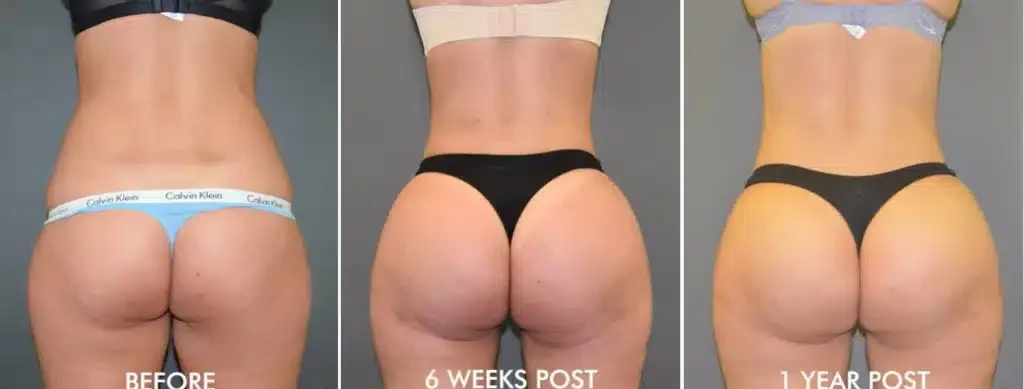
We learned from those results that we needed to evolve both our thinking and our practice, which is why contemporary protocols emphasize vascular safety.
Modern Standards
Today’s recommendations highlight subcutaneous-only fat injection above the muscle. Most professional societies and task forces, including ASERF, advise to site fat in the subcutaneous plane in order to keep cannulas away from large blood vessels.
Training programs now teach safe fat transfer techniques as core competencies, and credentialing organizations emphasize facility accreditation to promote emergency preparedness and appropriate anesthesia standards.
Technique innovations, such as defined cannula angles, restricted depth controls and documented planes, may have made a difference. Clinical evidence indicates that 60 percent to 80 percent of transplanted fat endures the initial healing phase of about three to six months, with 20 percent to 40 percent being reabsorbed.
The rock-solid end product, however, generally doesn’t become apparent until after that three to six month period. Long-term results thus rely on both the surgical technique and the patient’s weight control.
Future Outlook
Research is evolving fat grafting to optimize survival and minimize risks. New toys like advanced ultrasound guided cannulation, intraoperative imaging, and robotics assistance might make plane control even more consistent and less prone to human error.
Continued research is seeking to refine harvest, processing, and placement to maximize the percent of fat that survives and to decrease reabsorption. Down the road, guidelines might constrict patient choice, perioperative observation, and obligatory surgeon frequency or certification.
Potential game changers like mapping vessels in real time, standardized cannula, and post-op weight guidance tied to durability of results could make this art safer and more predictable.
Postoperative Reality
Postoperative reality is where proper postoperative care becomes vital for a successful BBL recovery and fat survival in the long term. The first week is the most high-risk window for local problems such as infection or fat necrosis, and serious systemic complications drop off after that time. Recovery from a BBL follows a course similar to liposuction.
Immediate swelling, bruising, and discomfort give way to gradual settling, with full recovery often taking up to six months. Patients can anticipate noticeable definition and enhanced contour primarily spanning months three through six as trapped fat melds and swelling decreases.
Compression Garments
Wear a medical-grade compression garment right after surgery. Impacted regions are generally bandaged to minimize hemorrhaging and edema. These garments minimize edema, assist skin retraction, and provide a more supportive environment for the newly placed fat.
They assist in holding grafted fat in place during the most fragile days. Improper fit or irregular use causes damage. Too tight could cut off circulation and be painful. Too loose may make the fat shift.
Suggestions include high-waisted pieces without direct compression on the buttocks and abdominal binders if the liposuction was aggressive. Suggested schedule: continuous wear for the first two weeks except to shower, then gradually reduce to daytime use through weeks three to eight, with surgeon guidance.
Patient Positioning
Stay off your buttocks for a minimum of two weeks after your BBL in order to avoid placing pressure on grafted fat. Employ offloading cushions such as a Roho or donut that transfer weight to the thighs and lower pelvis if sitting is inevitable.
Correct positioning maintains microcirculation to the adipocytes and reduces the risk of contour abnormalities or lipoatrophy. Sleep on your stomach or sides to protect your gluteal region, as back-sleeping will cause increased localized pressure and decrease graft survival.
Reduce direct contact and restrict brief, cautious sitting when needed. Have a friend or family member drive you home and help out at least for the initial 24 hours. No early hustle and stay propped up safely.
Activity Levels
Minimize physical activity and exercise in the early stages of recovery. Heavy lifting and high-impact workouts threaten to dislodge grafted fat and exacerbate swelling. Begin with easy walking at 24 to 48 hours to decrease the risk of deep vein thrombosis and to support circulation.
Advance activity stepwise across weeks according to a surgeon’s timeline for returning to cardio, resistance training, and normal life. Create a staged timeline: light walking immediately, low-impact movement by week two to four, more active exercise by week six to eight as cleared, and full return by three months with caution.
Keep in mind you’re placing a relatively large fat volume, typically 300 to 500 ccs per side, so allow the tissues to settle and integrate.
Conclusion
BBL fat that goes above the muscle typically relates to where the surgeon positioned the graft and how the tissue heals. Clear patient anatomy and careful technique reduce risk. Surgeons who inject fat into the proper plane and use small, evenly dispersed parcels of fat notice a steadier contour and fewer lumps. Scar tissue, motion, and irregular fat survival alter the final appearance. Simple steps help: plan based on body shape, use steady, low-pressure injection, and follow recovery rules to limit swelling and allow the graft to settle.
An example is a patient with thin tissue who had layered, low-volume grafts. This patient kept more of the fat and maintained a smooth contour. For next steps, consult with a board-certified plastic surgeon, request before-and-after photos of patients with your body type, and obtain specific information on the procedure and aftercare.
Frequently Asked Questions
Why does fat sometimes end up above the muscle after a BBL?
Fat grafts are positioned in and above the muscle for contour and protection. Surgeons tend to shy away from injecting directly into muscle to reduce complications. BBL above muscle fat why
Is fat above the muscle less likely to survive?
No. Fat above the muscle survives well if the region has a good blood supply and you graft correctly. Survival is contingent upon graft size, placement, and post-op care.
Can fat above the muscle move or shift after surgery?
There might be some shifting during the healing process. The right surgical technique, compression consideration, and post-op instructions minimize motion and assist fat into the proper place.
Does placing fat above the muscle increase health risks?
Fat above the muscle is generally safer than deep intramuscular injection. The risk is lower for serious complications, but infection, fat necrosis, and asymmetry are still possible with any grafting procedure.
Will my buttock look natural if most fat is above the muscle?
Yes. When done by an expert surgeon, fat above the muscle can provide natural, smooth curves. Expert layering and molding is the secret to a natural outcome.
How can I ensure my surgeon places fat correctly?
Select a board certified plastic surgeon who has BBL experience. Inquire about their technique, complication rates, and before-and-after photos. Good communication and reviewing safety checklists ensure it goes where it should be.
What should I do after surgery to protect fat grafts placed above the muscle?
Follow postoperative rules: avoid sitting directly on your buttocks for the recommended time, sleep on your stomach or sides, wear compression garments, and attend follow-up visits to support graft survival and shape.