Key Takeaways
- Rapid weight loss and surgical stress can push hair into a resting phase, causing temporary shedding, so plan nutrition and recovery to mitigate this risk.
- Track and control stress: Physical or emotional stress can cause telogen effluvium hair loss, where hair prematurely enters the resting phase and falls out weeks to months after the stressful event.
- Styling prevents hair loss after liposuction. Focus on protein and micronutrients like iron and biotin before and after the procedure, and check with a dietitian or get some blood tests done to avoid deficiency-related thinning.
- Be kind to your scalp, avoid heat and tight styling, and if shedding is severe, start topical or professional therapies early to give your regrowth the best chance.
- Track symptoms with a hair loss journal and check hormone levels if thinning is persistent. Thyroid or reproductive hormone imbalances can exacerbate hair loss.
- Get individualized prevention and treatment plans that include nutrition, supplements when necessary, scalp care, and mental health support to optimize recovery.
Preventing hair loss after body sculpting procedure involves efforts to safeguard scalp circulation and minimize follicle stress. The postoperative care you take will have an impact on helping prevent hair loss following body sculpting.
Talking medications, timing of scalp treatments, and signs of shedding with your clinician helps identify issues early. The body below details actionable advice, timelines and when to consult specialist care.
The Physiological Link
Rapid body change and surgical stress can break the hair growth cycle. When the body encounters a significant stressor, such as dropping 9 kg (20 pounds) or more in a short period, it triages lifesaving systems and puts non-life dependent functions like hair growth on hold. That transition can shift 80 to 90 percent of hairs from the active (anagen) phase into the resting (telogen) phase, so shedding starts about two to four months after the event.
Loss varies by individual, surgery type, and baseline health.
The Stress Factor
The physical stress of surgery and the emotional impact of recuperation both force hair follicles into early dormancy, called telogen effluvium. Major body stressors, such as bariatric surgeries, prolonged plastic surgery, or any disease that results in rapid weight loss, are typical culprits.
Women, those who lose more than 20% of body weight, and those with vitamin or protein deficiencies are more at risk. Monitor stress with an easy journal or app and observe hair shifts to identify trends early.
Do mini breathing exercises, mindful walks, or five-minute journaling each day to reduce stress hormones. Less stress has a way of helping hair cycles normalize.
Anesthesia’s Role
General and hypotensive anesthesia for extended sculpting sessions can similarly impact the hair cycle. Longer exposure and longer run times are associated with increased rates of TE. Typical anesthesia-related side effects include fatigue, temporary low blood pressure, and temporary scalp vessel constriction, which can temporarily decrease nutrient and oxygen supply to follicles.
Plan for gentle post-procedure care: rest, avoid harsh hair treatments, and use mild shampoos. Less operating time, where clinically safe, and staged procedures reduce cumulative anesthetic stress and can reduce shedding risk.
Nutritional Deficits
Sufficient protein and micronutrients are critical to follicle health post-weight loss surgery. Crash diets and drastic cuts in calories leave gaps that result in thinning. Important nutrients are protein, biotin, iron (ferritin), vitamin D, zinc, and B vitamins.
Try to get ferritin greater than 70 micrograms per liter and vitamin D greater than 40 nanograms per milliliter if deficient and maintain consistent protein intake during recovery. Short-term losses rebound quicker, with follicles inactive for less than six months healing better with stimulation over those resting for a full year.
Foods to support regrowth:
- Lean meats, poultry, fish, eggs, dairy for protein
- Lentils, chickpeas, tofu, tempeh, quinoa as vegetarian protein
- Leafy greens, nuts, seeds for iron and micronutrients
Hormonal Shifts
Rapid fat loss and medical weight programs change hormonal balance. Shifts in thyroid, sex hormones, or insulin can disrupt hair cycling and worsen thinning, especially in conditions like polycystic ovarian syndrome or untreated thyroid disease.
Stable hormones help prevent long-term alopecia and support follicles returning to anagen. Monitor levels if shedding continues and consider hormone therapy only after testing and specialist input. Most people recover in six to twelve months with correction of deficits and hormonal balance.
Effective Prevention Strategies
Preventing hair loss after a body sculpting procedure begins with a defined pre and post-operative strategy. Here’s a stepwise plan ranging from nutrition and supplements to scalp care and pacing your recovery and why each one matters.
Tailored recommendations are essential because one-size doesn’t fit all with body sculpting methods or patients. Use the points below as a framework to construct a personalized plan with your clinician and dietitian.
1. Pre-Procedure Preparation
Schedule a nutritional assessment weeks before surgery to find micronutrient gaps. Tests for iron, ferritin, vitamin D, and basic amino acid profiles let you correct deficits early.
Increase protein intake to at least 1.2 to 1.6 grams per kilogram of body weight if cleared by your provider, and add foods high in essential vitamins and minerals, such as leafy greens, legumes, oily fish, nuts, and fresh herbs like parsley and basil. These choices mirror a Mediterranean-style pattern linked to lower risk of androgenic hair loss.
Stay away from chemical treatments, bleaching, tight braids or rough styling for a few weeks prior. Go mild, sulfate-free shampoos and limit the heat. Hydrate well and add scalp-care steps: light massage with fingertip pressure to boost blood flow, and a short checklist—hydration, nutrient loading, scalp rest, and stress reduction techniques like breathing exercises.
They provide a way to follow tasks and prevent last minute slips.
2. Post-Procedure Nutrition
Focus on protein and nutrient-dense meals in the initial weeks post-surgery. Protein shakes or bars can fill holes if appetites are low.
Monitor daily consumption of iron, biotin, zinc, and important amino acids to identify deficiencies. Don’t fall for crash diets or radical calorie reductions that deplete hair of building blocks. Consistent, nutrient-dense consumption three or more days per week promotes regrowth most effectively.
Consult a dietician in order to harmonize weight loss and hair requirements. A regimen that reflects the Mediterranean, including raw veggies, herbs, and moderate amounts of legumes and fish, can trim excess fat and maintain hair vitality.
3. Strategic Supplementation
If diet cannot meet needs, consider supplements: iron for documented deficiency, biotin for low levels, and a multivitamin that covers zinc and vitamin D.
Protein powders are useful if oral intake is restricted. Watch levels since too much iron or vitamin A can damage hair. Minoxidil once or twice daily slows loss and helps regrowth. Laser caps three times a week and microneedling devices can activate follicles.
You can talk to your surgeon about PRP injections, though the jury is still out.
4. Gentle Scalp Care
Apply gentle shampoos and conditioner. Minimize heat styling and tight hairstyles.
Air-dry your hair when you can and brush gently. A daily scalp massage for a few minutes helps blood flow.
5. Mindful Recovery
Get plenty of rest and don’t engage in any intense exercise following surgery. Return to activity gradually in order to minimize stress on your system.
Sleep and recovery indicators are effective prevention strategies and you’re tracking them.
Procedure-Specific Risks
About: Procedure-Specific Risks Body sculpting methods have varying techniques and invasiveness, with each having unique trajectories leading to hair loss. Knowing what can cause hair loss aids patients and clinicians in selecting techniques and scheduling care to reduce risk. Here’s a straightforward view of how various procedures connect to hair course corrections, complete with examples and actionable insights.
Surgical liposuction (conventional and tumescent). Traditional liposuction and tumescent liposculpture require incisions, suction, and frequently longer operative times. These procedures can involve general anesthetics and hours of lying still. Long periods of head immobilization under general anesthesia increase the risk of positional alopecia from pressure on scalp blood flow.
Surgical bleeding, hematoma, or poorly controlled clotting in people with bleeding disorders can damage hair-bearing skin or its blood supply, increasing the local hair loss risk. For example, a patient with an undiagnosed clotting issue may form a small subcutaneous hematoma near the neck that alters scalp perfusion during recovery.
Minimally invasive suction-assisted liposculpting. Shorter procedures with local anesthesia minimize both immobilization time and systemic stress, so they have a lower risk of surgical hair loss. Local tissue trauma and post-operative inflammation can still send hair into telogen early.
Approximately 10 to 15 percent of follicles are in telogen at any given time, and extra stress from surgery can increase that percentage and lead to shedding three to six months afterward. Example: someone who has short, outpatient suction with local sedation may still notice diffuse thinning two to three months after the procedure.
Noninvasive fat-reduction (cryolipolysis, radiofrequency, laser). Coolsculpting and other energy-based therapies almost never cause hair loss. Reported complications include extremely rare paradoxical adipose hyperplasia two to five months following fat freezing, which transforms local tissue and may have secondary impact on surrounding hair if treatment is near hair-bearing regions.
Patchy hair loss following noninvasive procedures is rare but has been reported in small case reports.
Position and anesthesia risks. General anesthesia may result in positional alopecia from extended head immobility and pressure. 2023 studies cite some patchy hair loss following procedures under general anesthetic in a few patients. This frequently bounces back within 2 to 3 months; however, time for regrowth differs.
Systemic stress and TE. The trauma of surgery can push follicles into telogen, causing diffuse shedding within three to six months. This is typically transient and resolves spontaneously.
Risk table
| Procedure type | Main hair-loss risks | Typical timing | Examples/notes |
|---|---|---|---|
| Traditional liposuction | Positional alopecia, hematoma-related loss | Immediate to months | Longer OR time, general anesthesia |
| Tumescent liposculpture | Local trauma, telogen shift | Weeks to months | Local anesthetics reduce systemic risk |
| Noninvasive (cryolipolysis) | Rare paradoxical hyperplasia, local effects | 2–5 months | Rare patchy loss if near hair area |
| Short outpatient suction | Telogen effluvium risk | 3–6 months | Lower risk with short anesthesia |
Early Warning Signs
Following a body sculpting procedure, subtle hair modifications may be the initial indications of an issue. Watch for patterns and timing: some changes are temporary, others point to an underlying shift in the hair growth cycle. Observe what’s new, how quickly it began, and whether it presents in a pattern around the scalp.
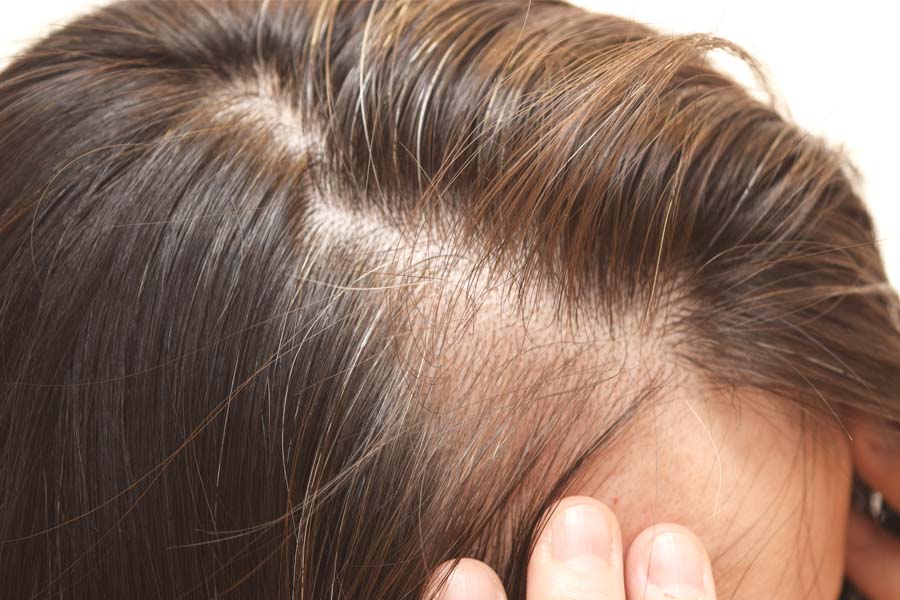
Bulging hair, hair thinning, bald patches. A sudden increase in daily hair loss well past 50 to 100 hairs per day is an obvious early indicator. Patients might observe increased hair on their pillows, in the shower drain, or on clothing. Thinning that falls in a symmetrical pattern, for example, distributed over the crown of the head, more likely indicates systemic causes instead of flaky loss from localized injury. Noticeable bald patches might appear.
For guys, temple recession in the shape of an “M” is an early hand signal. For women, a widening part line or diffuse thinning across the crown is typical.
Hair texture changes, scalp sensitivity, delayed regrowth. Hair that used to grow for years now may only grow for months or weeks before resting. This alteration of the growth cycle can cause hair to feel finer and break more easily. Scalp sensitivity, such as tenderness or itching around the treated area, may indicate inflammation impacting follicles.
Late regrowth after early shedding, if the hairs haven’t returned a few months later, gets evaluated.
Trends to monitor and where shifts emerge. Rogenetic alopecia usually begins in the temples, crown, and top of the scalp first, with the sides and back remaining relatively preserved. Any gradual recession of the hairline over months or years should be monitored.
Symmetrical thinning over the midline is quite distinct from patchy thinning, which indicates other etiologies such as localized trauma or alopecia areata.
Practical monitoring: hair loss journal, photos, and timelines. If you’re worried about hair loss, start a loss journal that records when shedding started, what else was going on (medication, weight change, fever), and how severe it seems. Weigh changes over time by monitoring daily hair loss for two weeks to establish a baseline.
Photograph your hairline and crown every month from the same angles and in the same lighting to make tiny changes more visible. Make note of any scalp symptoms and the dates of procedures or treatments.
When to do something. If shedding is abrupt, outside normal limits, causing obvious thinning or distress, do something. Early detection provides options such as treatments, lifestyle modifications, or referral for surgical evaluation that can slow or halt progression.
Available Treatment Paths
Hair loss after body sculpting can vary from mild shedding to more pronounced thinning. Treatment options range from self-care at home to clinic-based interventions. Prompt and consistent treatment increases the likelihood of significant regrowth. Treatment should be tailored to the etiology, hair type, and patient objectives.
Topical Applications
Topical care can reduce inflammation and feed follicles.
- Minoxidil 5% foam or solution for twice-daily scalp application to dilate follicles and extend growth phase. Anticipate 3 to 6 months to see a difference.
- Dermatologists-directed growth caps provide light or topical agents to the scalp to increase absorption and local circulation.
- Ketoconazole or azelaic acid medicated shampoos manage scalp inflammation and reduce shedding speed.
- Unscented, light oils or serums, such as jojoba, grapeseed, or even diluted coconut oil, calm dryness and itch. Use sparingly to prevent follicle clogging.
Apply topicals as recommended and calendar your progress. You have to use it for months and stopping frequently reverses progress. Most individuals experience slow progress, not quick turnarounds.
Oral Medications
Oral options address hormonal or nutritional factors of surgical hair loss.
Prescription drugs: Finasteride is commonly used in post-surgical male-pattern or androgen-driven loss. Hormone therapy might be required if laboratory results indicate hormonal imbalance. Watch for side effects and titrate dose with a clinician.
Supplements: Check for iron deficiency, low vitamin D, or biotin shortfall. Targeted supplements can address deficits and encourage regrowth. Take lab-guided doses instead of large, random doses.
Table of common oral choices:
| Medication / Supplement | Purpose | Notes |
|---|---|---|
| Finasteride | Blocks DHT-related hair loss | Prescription; monitor sexual side effects |
| Hormone therapy | Corrects endocrine causes | Requires specialist oversight |
| Iron (ferrous sulfate) | Treats iron-deficiency hair loss | Check ferritin before starting |
| Biotin (B7) | Supports keratin production | Useful when deficient |
| Multivitamin D | General assistance. Select sensible dosages. |
Cancer medications can cause hair loss fast, usually within 2 to 3 weeks, and reactions vary among patients. Since most hair regrows in 6 to 12 months after treatment cessation, oral therapy may be short-term or bridging.
Professional Therapies
Clinic treatments target follicles and scalp environment.
PRP (platelet-rich plasma) and exosome therapy deliver growth factors to activate dormant follicles. LLLT and hyperbaric oxygen have benefitted certain patients by increasing scalp oxygenation and cell activity. Combination treatments are often more successful and more rapid.
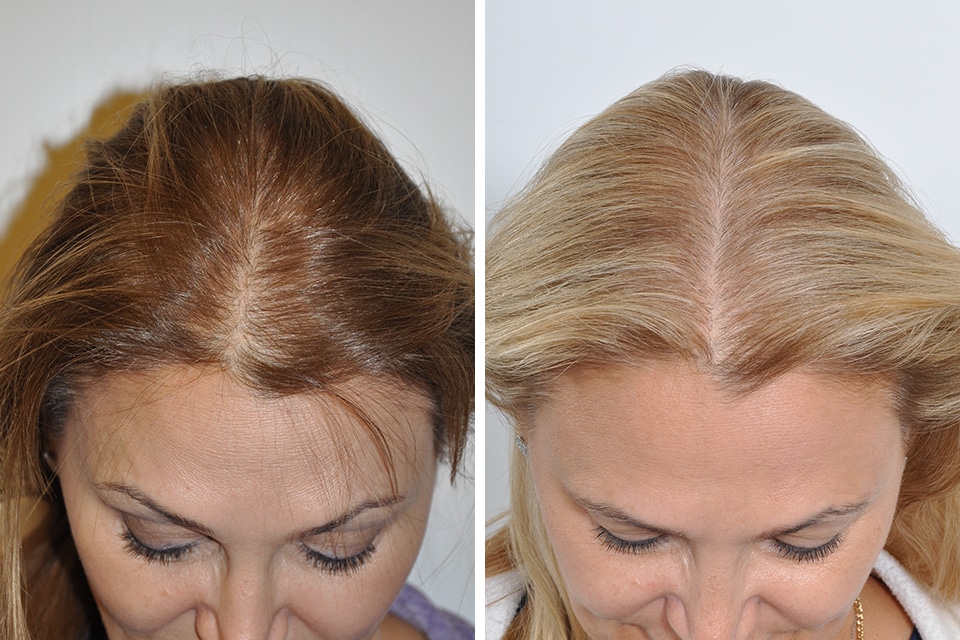
Micropigmentation and weaves offer immediate cosmetic cover while waiting for regrowth. Scalp reduction surgery can reduce the bald area by as much as 50% in certain cases, but it is invasive.
Typical clinic providers are focused hair centers and cosmetic dermatology clinics offering PRP, LLLT, exosomes and micropigmentation.
- Bullet summary of options:
- Topical minoxidil, medicated shampoos, growth caps.
- Oral finasteride, hormone therapy, iron, biotin.
- PRP, exosome therapy, LLLT, hyperbaric oxygen.
- Micropigmentation, wigs, scalp reduction surgery.
The Psychological Aspect
Post-body sculpture hair loss stings a little more than we anticipate. Nothing dents confidence like seeing thinning hair or additional shedding, and it causes you to doubt your looks as you’re working towards wellness goals. This isn’t just eye candy. Hair loss, even if temporary, can impact confidence and everyday social life. Folks can get freaked out, shun pictures, or alter their hair styling to conceal transformations. Those responses are normal and worth direct address.
High stress is an obvious culprit. Stress is a common cause of hair loss, as the data reveals those who are under severe stress are eleven times more likely to experience hair shedding. Surgery-related stress, recovery, and quick weight change can all compound. When stress surges, the body diverts resources from hair growth into healing, potentially triggering more hairs to enter the shedding stage. This biological connection means the psychological strain of healing can exacerbate the physical sign.
Sidebar: Enlist a weight loss or recovery group, it really helps. Communal environments allow individuals to openly exchange information regarding hair transformations in a secure environment and discover how others manage. Online forums, local meetups, or post-op groups at clinics provide real examples. One person might recommend a gentle shampoo. Another might share a timeline when their hair returned. Sharing lessens isolation and anxiety by demonstrating that the issue is both widespread and frequently temporary.
Take little positive coping steps to reduce stress. Journaling every day allows you to monitor your mood and identify wins, whether it’s increased mobility or better blood markers. Painting your friends or family in hair distress brings practical assistance and psychological satisfaction. Mindful breathing, short walks, and set sleep times reduce the stress hormones that interfere with hair. If anxiety increases, seek a brief consultation with a mental health professional who understands medical recovery challenges.
Shift the emphasis to general advancement and well-being and not just hair. Look at metrics that show real health gains: body measurements, lab results, energy levels, and how clothes fit. Rejoice in these physical indicators of forward movement. For the look peepers, some temporary styling or hats can assist during regrowth.
Tackling emotional fallout is key. Hair loss can decrease quality of life and lead to major distress. Getting support early guards psychological well-being and can even make recovery easier.
Conclusion
Body sculpting can transform your shape without destroying hair. Follow clear steps to cut risk: pick a trained surgeon, share full health details, plan gentle wound care, and keep nutrition steady. Monitor the treated area for early symptoms such as slow regrowth, patchy loss, or tingling. Act quickly with easy solutions. Change medications, apply topical minoxidil, use low-level light therapy, and consult a scalp specialist for graft possibilities. Anticipate slow but sure recovery, as with most hair loss after body contouring. Mental strain counts as well. Chat with friends or a therapist to keep cool and stay the course. If you’d like a customized checklist or quick prep guide for your surgeon consultation, I’ll make one.
Frequently Asked Questions
Can body sculpting cause hair loss?
There is some scalp hair loss following body sculpting because of the surgical stress, anesthesia, or tight compression garments. It is rarely permanent and clears within a few months. Talk about risks with your surgeon beforehand.
Which body sculpting procedures have higher hair-loss risk?
Major surgeries with general anesthesia, prolonged operating times or extensive tissue trauma for example, aggressive liposuction or tummy tuck have a greater risk. Less invasive treatments have less risk.
How soon would I notice hair loss after the procedure?
Stress-induced hair loss (telogen effluvium) typically occurs two to three months post-surgery. Immediate shedding is rare. Monitor shifts and disclose worries to your care crew.
What steps reduce the chance of post-procedure hair loss?
Reduce surgical time, eat well, manage stress, follow wound-care and garment instructions, and keep good scalp circulation. A preoperative medical review aids in catching risk factors such as nutritional deficiencies.
When should I see a specialist for post-procedure hair loss?
See a dermatologist or hair-loss specialist if shedding is severe, lasts longer than six months, or shows patchy patterns. Early evaluation speeds diagnosis and treatment.
Are there effective treatments for hair loss after body sculpting?
Yes. Treatments may involve topical minoxidil, oral supplements if found to be deficient, and medical treatments directed by a dermatologist. The majority resolve with conservative treatment within three to six months.
Can I prevent hair loss by changing my medications or supplements?
Don’t discontinue prescribed medications without consulting your healthcare provider. Go over meds and supplements with your surgeon or doctor pre-surgery. Addressing deficiencies, such as iron and vitamin D, when found can assist with risk reduction.