Key Takeaways
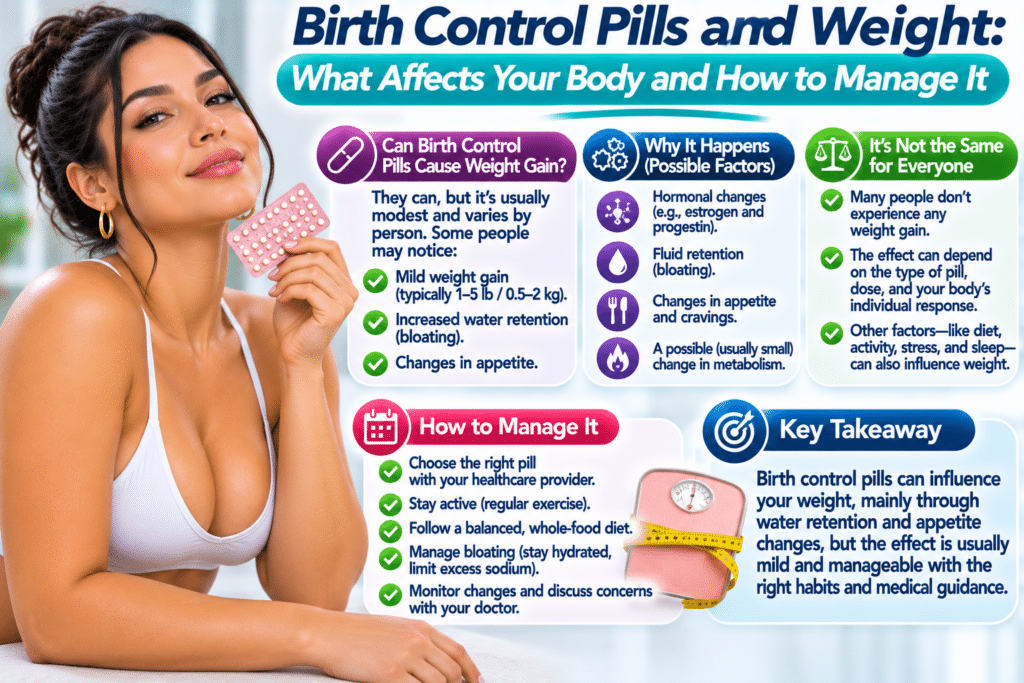
- Hormonal birth control can lead to temporary water retention and fat redistribution. Most pills have little to no effect in the long term. It is important to keep tabs on your weight and measurements in those initial months to separate bloating from actual weight gain. Liposuction and birth control pill.
- Since estrogen-containing methods increase clot risk during surgery, discuss discontinuing combined pills, the patch or ring approximately 4 weeks prior to liposuction and plan for other contraception such as progestin-only options or barrier methods.
- These progestin-only methods can make some people more hungry, so use meal planning, lists of healthy snacks, and consistent exercise to help regulate your calorie intake and lower your risk of gaining weight.
- Before liposuction, complete a vascular and hormonal assessment, review prescription details to evaluate estrogen exposure, and document baseline vascular health to guide perioperative decisions.
- Recovery means potential heightened swelling and hormones. Wear compression garments, hydrate, monitor symptoms, and modify diet or exercise to optimize recovery and identify issues early.
- Maintaining long-term weight while using birth control pills depends on maintaining a balanced diet, regular aerobic and strength training, frequent tracking of weight and body composition, and revisiting your contraceptive selection with your clinician.
Liposuction and birth control pill considerations means dangers and timing concerns when hormonal pills are taken pre or post fat extraction procedure. Estrogen pills can increase blood clot risk, so surgeons often recommend discontinuing them a few weeks before and after the surgery. Personal health, age, smoking, and clotting history alter recommendations. Talk over options with your surgeon and prescribing clinician to schedule safely and find alternative contraception if necessary.
Hormones and Weight
Hormonal contraceptives can alter fluid balance, hunger, metabolism, and fat distribution. These effects differ according to the hormone, dose, method of administration, and individual susceptibility. The subsections below explain the primary mechanisms and practical steps to track and control shifts once you begin or switch a method.
Fluid Retention
Estrogen in the pill, patch, or ring causes temporary water retention and bloating, which is not real weight gain. Additional estrogen increases levels of certain proteins and salts that retain water in tissues, so weight may increase by as much as 2 kg in the initial weeks. Higher-dose estrogen products are more prone to produce such fluid shifts, whereas low-dose pills and progestin-only ones typically cause less swelling.
Keep a close eye on weight and bloating during the initial two to three cycles after initiating a contraceptive. Weigh yourself daily at the same time and consider any bloating, breast tenderness, or tight clothes as indications of fluid not fat. If retention deteriorates or doesn’t subside after a couple of months, talk to a clinician about other approaches.
Appetite Changes
Progestin-only methods, particularly the contraceptive shot (Depo-Provera) and implants, may increase appetite in some users. An increase in appetite might cause you to eat more calories and slowly gain weight. Reported gains are modest, but in some cases, they approach 6 to 10 percent of body weight for those most impacted.
Practical steps: Prepare a list of healthy snacks, such as fruit, yogurt, and nuts in measured portions. Plan regular meals and keep portion sizes steady. Stay active to balance out eating more calories. If appetite-related weight gain is stubborn and impacts health or quality of life, discuss switching to an alternative method with your provider.
Fat Distribution
Hormonal birth control has the ability to redistribute fat even when weight is stable. Certain hormones will cause some people to carry more fat around their hips and thighs, while others carry it around their abdomen. These shifts aren’t universal and are dependent on the contraceptive type. Oral combined methods, implants, and injections display differing patterns in studies and in clinic reports.
Measure your waist, hips, and limbs each month to capture any subtle shifts in fat distribution. One caveat is that minor hormonal weight fluctuations are often reversible once the hormonal trigger is removed or modified. Metabolic effects can vary: hormones may slightly raise or lower resting metabolic rate for some individuals, contributing to small long-term changes in weight if diet and activity do not adapt.
Common misconceptions about birth control and weight gain:
- All birth control causes major weight gain.
- Any weight change is permanent.
- Pills always cause fat gain instead of water retention.
- Progestin-only methods never affect weight.
- Appetite changes only happen with the shot.
- Switching methods won’t change weight patterns.
Influencing Variables
How your genetics, lifestyle, and type of birth control interact to cause weight fluctuations and why this matters when it comes to liposuction and birth control surgery. Below, variables are separated to identify what varies, why it is important, where it acts, and how to record or control it.
Genetic Predisposition
A family history of weight gain or obesity increases the likelihood that hormonal birth control will produce noticeable weight changes. Genetic variants affect hormone receptor sensitivity, metabolism, and the body’s processing of estrogen and progestin from pills. All of these factors influence hunger, fat storage, and water retention. Documenting family health history—parents’ and siblings’ weights, tendency toward edema, any metabolic diagnoses—guides clinicians in anticipating responses and selecting contraceptives with lower metabolic profiles. Genetics affect where fat collects: some people store more subcutaneous fat, while others store visceral fat. This matters for liposuction planning because fat type alters graft viability and ease of removal. Keep in mind that genetic predisposition may alter an individual’s propensity for fluid retention after hormonal fluctuations, potentially skewing scale readings in the short term and impacting surgical timing.
Baseline Lifestyle
Balanced diet and regular exercise blunt a lot of the weight related impacts of hormonal contraception and aid surgical recovery. Inactive lifestyles and caloric excess exacerbate side effects such as increased appetite and weight gain, while smoking, inadequate sleep and chronic stress raise cortisol levels that can contribute to abdominal weight and impede healing after liposuction. Track food intake and activity daily to spot trends: simple logs or apps work. Establish concrete fences—lose 2-4% body fat prior to cosmetic liposuction, or achieve 150 minutes per week of moderate exercise—to safeguard results. Postoperative activity and use of compression garments affect fat survival and contour: early walking reduces clot risk but vigorous strain should wait per surgeon guidance. Patient health and smoking status also play roles in both fat graft viability and clot risk. Smoking heightens the thrombosis risk, particularly when combined with estrogen-containing pills and patients older than 35. The type and dose of contraceptive influence surgical planning: combination pills raise thromboembolism risk more than many progestin-only methods; risk generally falls within weeks after stopping pills. For example, perioperative stress and cortisol spikes can exacerbate inflammation and delay recovery, emphasizing the need to manage stress and optimize nutrition prior to surgery for optimal outcomes.
- Lifestyle factors that impact weight while using contraception: * Daily calorie balance and macronutrient quality.
- Exercise intensity and frequency.
- Sleep and stress.
- Tobacco and alcohol.
- Water and salt.
- Treatment and timing.
| Method | Typical average weight change |
|---|---|
| Combination oral pill | Small gain to none (0–2 kg) |
| Progestin-only pill | Minimal to none (0–1 kg) |
| Injectable progestin | Moderate in some users (1–3 kg) |
| IUD (hormonal) | Minimal, variable (0–2 kg) |
| Implant | Small to moderate (0–2 kg) |
Preoperative Clinical Guidance
Your preoperative planning needs to include a targeted birth control review to pinpoint hormone-related surgical risks and to craft safe contraceptive switch plans. This review assists in evaluating clotting risk, estimating estrogen exposure, and establishing a timeline for cessation or transition. Basic labs and targeted tests inform decision-making and identify patients requiring special precautions.
1. Clot Risks
Estrogen-containing contraceptives increase the risk of venous thromboembolism, a major risk in the perioperative period. Personal or family history of thrombosis, obesity, smoking, age over 35, or known thrombophilias such as Factor V Leiden or prothrombin gene mutations superimpose a higher baseline risk. COCs, the patch, and the ring pose more risk than progestin-only methods. Preoperative workup should include coagulation studies (PT/INR, aPTT) and CBC. Consider thrombophilia screening if history suggests inherited risk. Leg swelling, pain, or unexplained shortness of breath or sudden chest pain that could be related to deep vein thrombosis or pulmonary embolism must be monitored for postoperatively.
2. Discontinuation Timelines
Whenever possible, the majority of providers recommend discontinuing combined hormonal contraception 4 to 6 weeks prior to elective liposuction to let thrombotic risk decrease. In reality, numerous surgeons have patients discontinue combined pills, patch, or ring at least 2 to 4 weeks preoperatively if 4 to 6 weeks is not feasible, with documentation of informed discussion of residual risk. Create a checklist: confirm last dose, arrange alternative contraception, order preop labs, and note planned date of restart. Schedule timing to minimize menstrual cycle interruptions and consult with the patient about bridging strategies.
3. Alternative Contraception
Non-estrogen methods are progestin-only pills, levonorgestrel/copper IUDs, depo medroxyprogesterone, and barrier methods like condoms or diaphragms. Effectiveness varies: IUDs and sterilization are highly effective, while condoms and diaphragms are less so. Side effects vary; progestin methods may cause bleeding irregularities, and IUDs have local risks. Create a straightforward pros-cons list for each patient, weighing efficacy against tolerability. Solid birth control in the perioperative period prevents pregnancy and anesthesia risks.
4. Estrogen Levels
High exogenous estrogen increases clotting tendency and fluid retention, influencing operative risk and healing. Go over prescriptions to approximate estrogen exposure and test hormone levels when in doubt. If your exposure is high, transition to estrogen-free methods pre-op. Hormone optimization decreases perioperative risk and is consistent with prophylaxis for high-risk patients.
5. Vascular Assessment
Evaluate vascular status with directed history, physical exam, and directed studies. Consider varicose veins, previous DVT, peripheral vascular disease, and smoking. Record warning signs like unilateral leg swelling or skin changes that may require imaging. Document baseline vascular status and plan prophylaxis, including early mobilization, graduated compression stockings, intermittent pneumatic compression devices, and cessation of blood thinners and certain supplements at least 14 days prior. Postoperative, plan follow-up at 1 to 2 weeks and 4 to 6 weeks to catch delayed events.
Recovery Dynamics
This dynamic recovery process following liposuction is the result of tissue healing, body fluid shifts, and slow resolution of swelling. Hormonal contraception can alter some of these processes. Knowledge of birth control pill interactions and post-surgical physiology aids in establishing realistic expectations for swelling, bruising, activity restrictions, and follow-up care.
Postoperative Swelling
Estrogenic hormonal contraceptives increase capillary permeability and fluid retention, contributing to the typical post-liposuction swelling. Estrogen-fueled water retention can make swelling seem more dramatic and its reduction more gradual. Follow swelling with daily photos and easy measurements. Record when it peaks and if it correlates with pill cycles.
Differentiate normal surgical swelling from excessive fluid retention by timing and texture: typical swelling is diffuse and firm early then softens over days. Disproportionate, rapidly increasing puffiness, tightness or new asymmetry may indicate an issue. Wear properly fitted compression garments as directed to mold tissues and prevent edema. Stay well hydrated, approximately 1.9 liters (64 oz) of water, before and after surgery as good hydration assists the body in clearing excess fluid and limits edema.

Hints that swelling is hormonally based are cyclic fluctuations in concert with the contraceptive cycle, generalized bloating beyond the treated area, and mild weight gain without local symptoms of infection. If swelling does not subside over two weeks as expected or if bruising and swelling become worse after initial improvement, get in touch with the surgical team. Most liposuction risks decrease significantly within two to four weeks. Eighty percent of the decline in complication risk happens within two weeks, and risks normalize within two to four weeks after discontinuing combined birth control.
Hormonal Fluctuations
Surgery and anesthesia can temporarily throw off hormone balance, influencing mood, appetite, and fluids. Others notice mild irregularity or spotting for a short time after surgery. These changes typically resolve on their own but can be monitored with a symptom diary. Observe mood swings, sleep or appetite changes and report any that persist or are severe.
Adjust diet and activity to counteract hormonal effects. Prioritize protein and fiber to support healing and satiety. Limit high-sodium foods that worsen bloating. Introduce light walking early to aid lymphatic flow. Follow physician guidance on contraceptive management. Most doctors will have you discontinue or taper hormone-based contraceptives 2 to 4 weeks prior to surgery, if it is safe to do so, and hold resumption until you have sufficient initial healing and mobility, typically 2 to 6 weeks after the operation. Follow up at 1 to 2 weeks and again at 4 to 6 weeks to screen for late events, monitor bruising, which typically resolves in 4 to 6 weeks, and re-discuss contraception if necessary.
Expert Clinical Perspectives
Experts view the interaction between liposuction and birth control through two main lenses: blood-clot risk and weight-related effects of hormones on surgical outcomes. Clinical trials and guidance mention that combination estrogen-progestin pills increase VTE risk, particularly in the first six months of use, and that risk accumulates around surgical stress and post-operative immobility. This is why numerous surgeons and physicians advise discontinuing or tapering combined hormonal contraceptives 2 to 4 weeks prior to elective liposuction when clinically safe, and resuming only after mobility and wound healing are well established.
Consensus favors individual risk assessment. Key factors include age, smoking status, personal or family history of thrombosis, and known or suspected inherited thrombophilias. If history suggests clotting disorders, experts recommend screening because inherited thrombophilias raise perioperative VTE risk and may change contraceptive and surgical plans. Women older than 35 who smoke carry a markedly higher VTE risk on combined contraception and are often advised to switch to non-estrogen methods before elective surgery.
Real-world birth control considerations pre- and post-lipo are really all about reducing estrogen intake. Expert clinical perspectives. Progestin-only options—progestin IUDs, implants, and injections—are perceived as less likely to cause clotting than the pill. Copper IUDs are long-acting, effective contraception without hormonal influences on clotting, which is attractive for patients seeking liposuction, as they avoid systemic hormone fluctuations that may affect fluid shifts or fat distribution. The subdermal implant has great continuation rates and is attractive to those desiring long-lasting contraception, but given sparse data on implant use in folks with body weights above approximately 130% of ideal, counseling should acknowledge that uncertainty.
To reduce weight-related side effects of hormonal contraceptives, specialists advise opting for methods with neutral metabolic profiles, tracking weight and metabolic markers, supporting diet and activity schedules that fit surgical recovery, and managing expectations about modest weight changes. Examples include switching from a combined pill with a higher estrogen dose to a progestin-only IUD before surgery, using a copper IUD if long-term no-hormone contraception is desired, and delaying elective surgery for two to four weeks after stopping combined hormones to reduce clot risk.
There’s not a lot of hard evidence when it comes to timing for safe resumption of various contraceptives after liposuction or outcomes for high-BMI patients with implants. We need more prospective data on thrombosis rates associated with certain contraceptive switches in the setting of aesthetic procedures.
Long-Term Management
Long-term management after liposuction on birth control needs a defined strategy that harmonizes your weight objectives, contraceptive safety, and holistic health. Periodic reviews and flexible plans assist in maintaining risk to a minimum and keep performance levels steady.
Nutritional Support
Eat a healthy, whole foods based diet to assist in weight control and hormone balance while on the pill. Focus on vegetables, fruits, whole grains, lean proteins, legumes, nuts, and healthy fats. Organize your meals to skip the cravings that kick in when you get hungry, which some women report with hormonal methods. Portion control collaborates with meal timing. Experiment with smaller, more frequent meals if cravings surge.
Log your meals for a few weeks to identify trends associated with weight gain or energy slumps. Utilize a minimal app or journal to log meals, portion sizes, and hunger levels. This assists you and your clinician in determining if appetite fluctuations are connected to a birth control method or something else. Keep in mind it may take a few months for cycles and appetite-controlling hormones to recalibrate after combined pills.
Nutrient-dense foods that support hormones and steady energy:
- Leafy greens (spinach, kale) for iron and folate
- Fatty fish (salmon, mackerel) for omega-3s
- Eggs and lean poultry for protein and choline
- Beans and lentils for fiber and steady glucose
- Whole oats and quinoa for sustained carbohydrates
- Nuts and seeds for vitamin E and healthy fats
- Yogurt and kefir for probiotics and gut health
Advance planning, cooking in batches, and eating at the same time every day all ease stress and maintain your weight. If appetite or weight changes suddenly, consider diet first before changing contraceptive method.
Physical Activity
Set a regular workout schedule appropriate for your fitness level and surgical recovery. Begin with low impact aerobic work such as walking or cycling and then incorporate strength sessions to maintain lean mass post-liposuction. Mixing cardio with resistance training provides superior control of weight and body composition compared to either alone.
Set measurable targets: for example, 7,500 to 10,000 steps per day, or three 45-minute workouts weekly that mix cardio and strength. Monitor your progress with an easy tracker or calendar. If motivation wanes, mix things up, schedule workouts with a friend, or experiment with mini high intensity bursts to save time and increase results.
Conquer obstacles by scheduling mini-sessions on hectic days, utilizing in-home equipment, or opting for local classes. Early mobilization after your surgery is important for clot prevention. For higher risk patients for venous thromboembolism, clinical best practice may involve discontinuing combined oral contraception 2 to 4 weeks preoperatively when feasible, employing graduated compression stockings, intermittent pneumatic compression in hospital, and early post-procedure ambulation.
Consider contraceptive choice: progestin-only methods and the subdermal implant have lower clot risk than combined estrogen pills. Copper IUDs provide long-acting nonhormonal contraception with no hormonal impact on clotting. Re-evaluate the approach from time to time to align with evolving health requirements and risk characteristics.
Conclusion
Liposuction and birth control pills can coexist, but planning and caution make the connection safer. Discuss your pill type, medical history, and blood-clot risks with your surgeon and your prescriber. Schedule elective surgery outside of peak clot risk. Employ checks such as a clot-risk score, basic blood work, and straightforward wound-care protocols. Anticipate swelling and fluid shifts that will alter weight and shape for weeks. Monitor for symptoms including pain, shortness of breath, or leg swelling and get assistance immediately. Use compression and move early to reduce risk and accelerate healing. Small choices matter: pick a trusted clinic, confirm follow-up, and keep a clear list of meds and doses. Contact your providers to plan before you book.
Frequently Asked Questions
Can birth control pills affect liposuction results?
Yes. Hormonal birth control can impact the retention of fluid and fat. While most surgeons indicate effects are minimal, talk about your pills preoperatively so your surgeon can plan timing and set realistic expectations.
Should I stop my birth control before liposuction?
Generally, it is not medically required to stop hormonal pills. Few surgeons may temporarily halt combined estrogen-progestin pills to reduce clotting risk. Follow your surgeon’s and PCP’s directions.
Do birth control pills increase risk of complications after liposuction?
Mixed estrogen pills do increase a little bit. Surgeons evaluate individual risk factors such as age, smoking, and family history. Prophylactic measures of compression and mobility decrease risks.
Will starting birth control after liposuction change my results?
Initiating or switching hormones can change your weight distribution slightly. Changes tend to be slow. After initial recovery, wait and consult with your surgeon and prescribing clinician before initiating new pills.
Can hormonal changes affect recovery speed?
Yes. Hormones can influence swelling, water retention, and mood. This can impact perceived recovery but not necessarily healing. Anticipate fluctuations and comply with aftercare to reduce swelling and pain.
Are there safer contraception options around the time of liposuction?
Progestin-only methods (pill, implant, IUD) and non-hormonal methods (copper IUD, condoms) circumvent estrogen-associated clot risks. Talk to your clinician about safety and your personal needs.
How should I discuss birth control with my plastic surgeon before liposuction?
Inform your surgeon regarding contraceptives, medical history and blood-clot risks. Inquire if any short-term modifications are advised. Being clear about your concerns and needs facilitates care customization and mitigates complication risk.