
Key Takeaways
- Fat grafting to the face uses liposuction to extract fat from an area of excess and deposit it in the face to address volume loss and contour.
- It can aid in rejuvenating the face by plumping up sunken regions and minimizing creases or folds.
- Fat grafting is minimally invasive, and your results will depend upon your health and how much fat remains after the transfer.
- Recovery times are generally brief, although donor and recipient sites can experience some swelling and bruising.
- Surgically, you want to find a good doctor with expertise in fat grafting and face liposuction.
- Prior to undergoing the procedure, speak regarding your objectives and medical background with a professional to identify if you are a candidate.
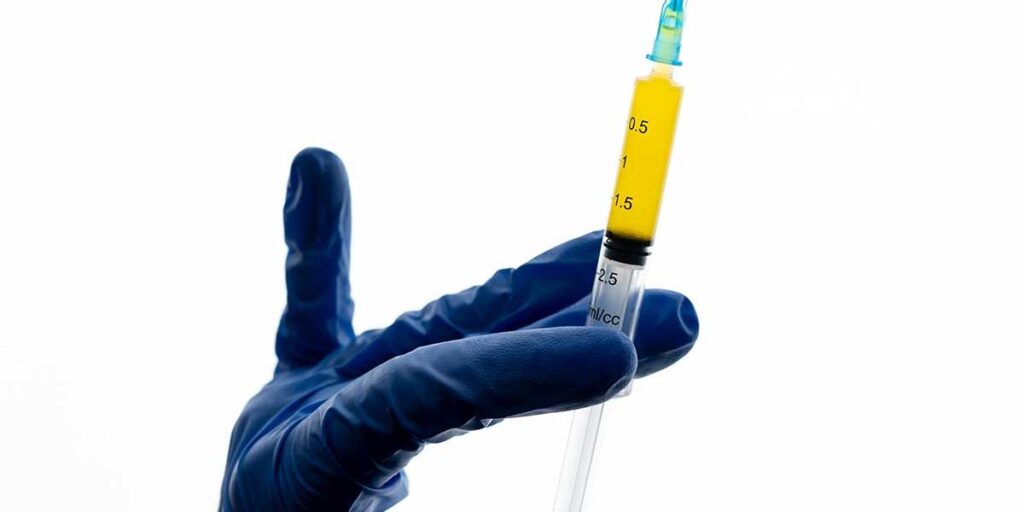
Fat grafting face liposuction involves taking fat from one area of the body and injecting it into the face to add contour or smooth out wrinkles. Physicians frequently employ it to repair lost volume in cheeks or under the eyes.
This method uses a miniature incision and an ultra-thin tube to transfer the fat. Many individuals choose this for a more gentle appearance.
The following sections demonstrate how the technique operates and what to anticipate.
Conclusion
Fat grafting face liposuction provides actual choices for people who desire a new appearance. Both procedures utilize your body’s own fat to sculpt, fill, or slim down areas of your face. They harvest fat from one location, process it, and inject it where you want more volume or less volume. They look smooth and natural, and the downtime isn’t as extensive as with many other surgeries. Risks remain minimal if you choose an experienced physician. If you are interested in finding out more, discuss these steps with an experienced professional. If you’re wondering what might fit best, contact a local clinic and request an informal talk to get some honest answers.
Frequently Asked Questions
What is fat grafting for the face?
Fat grafting for the face is a cosmetic procedure where fat is taken from another part of the body and injected into facial areas to add volume and improve contours.
How does facial fat grafting differ from liposuction?
Facial fat grafting transfers fat to the face for volume, while liposuction removes fat from areas like the abdomen or thighs to reshape those parts of the body.
Who is a good candidate for facial fat grafting?
Anyone who wants to restore some lost volume to their face and has an ample supply of surplus fat on their body is a candidate. You’ll need a consultation with a professional to find out if you’re a good candidate.
How long do results from facial fat grafting last?
The results can be long-term, several years in many cases. Yes, some fat does get absorbed, but the majority of patients achieve permanent enhancement.
Are there risks or side effects with facial fat grafting?
Potential complications may involve swelling, bruising, infection, or asymmetrical outcomes. Selecting a skilled specialist minimizes these risks.
How much recovery time is needed after facial fat grafting?
The vast majority of people return to normal activities within 1 to 2 weeks. Swelling and bruising can persist from a few days to a couple of weeks.
Can facial fat grafting be combined with other procedures?
Yes, facial fat grafting can be combined with procedures such as facelift or eyelid surgery to maximize results. Your practitioner can recommend the most appropriate treatment plan for you.