
Key Takeaways
- The pinch test is a hands-on way to evaluate skin elasticity, an important consideration for liposuction candidates and how they will look after surgery.
- While technique and proper measurement during the pinch test can assist in providing consistent results, nothing beats a professional evaluation when it comes to making decisions.
- Good elasticity aids skin shrinking for a smoother recovery and ideal body contour post-liposuction. Poor elasticity increases the risk of sag or irregularities.
- Things like age, genetics, medical history, and lifestyle choices can all have a major impact on skin elasticity and should be discussed frankly with the surgeon.
- When combined with advanced imaging and physical examinations, the pinch test gives a more complete picture of skin condition.
- Incorporate healthy habits, such as proper nutrition, hydration, and exercise, to get your skin as elastic as possible before liposuction.
Liposuction pinch test means checking how much fat can be felt and pinched between your fingers on the body, often before planning a liposuction procedure. Physicians utilize this test to determine if a patient has enough fat for safe extraction.
The pinch test can help define reasonable treatment goals and safe limits. For those wondering what happens during a liposuction consultation, the pinch test is prime.
The Pinch Test
The pinch test is a quick, hands-on way to check how well the skin bounces back after being pinched. It helps surgeons see if someone might get good results from liposuction or tummy tuck surgery. This test shows how elastic the skin is, which matters a lot for getting smooth, firm body shapes after surgery. Skin that snaps back fast means fewer risks of sagging or loose skin.
1. Technique
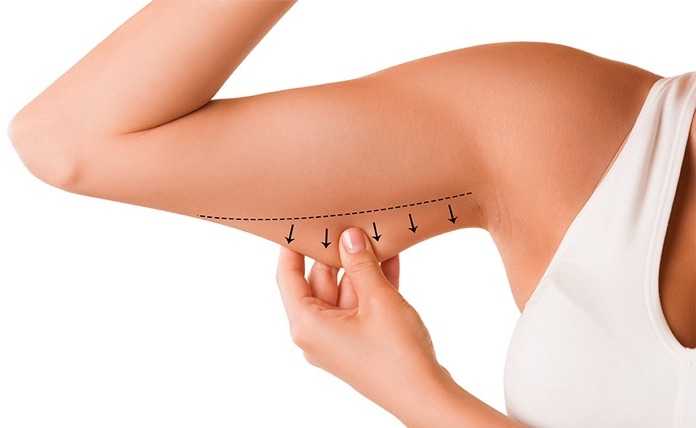
The pinch test goes something like this. The examiner begins by pinching a small fold of skin and fat between thumb and finger with clean hands. You can do it on your stomach, thighs, or sides. Pressure matters; a little too hard or too soft can throw off the result. The pinch should be strong enough to pull the skin up but not hurt.
For optimal results, the test is performed in adequate lighting so the skin’s reaction is clearly visible. On the abdomen, just above the belly button is typical; on the thigh, the outer side. Don’t overly hurry this test and check both sides of the body to identify any asymmetry.
2. Measurement
Once the skin has been pinched for a few seconds, the examiner releases it and observes how quickly it snaps back to its normal position. A stopwatch or phone timer is useful to keep track of the time in seconds. Skin that bounces back immediately or within a second is deemed very elastic. If it takes longer, elasticity can be diminished.
Marking the time and location tested aids in contrasting results across body locations or subsequent visits. Women might notice a variation on the stomach as opposed to the upper legs. These specifics should be jotted down for the surgeon to see when consulting. Monitoring these shifts over time is a useful aid in surgical planning.
3. Interpretation
Skin that springs back quickly has good elasticity. Slow-to-recover skin means bad elasticity and surgery results can be impacted. Folks with good elasticity have a better chance of getting smooth, even contours from liposuction or tummy tucks.
Bad elasticity could translate to increased risk for sagging skin or patchy outcomes. Age, skin type, and previous weight fluctuations factor in here. Older patients or those who lost a lot of weight tend to have less skin bounce. They have to consider these outcomes in the grand scheme, not in the pinch alone. A professional check will always be necessary for a complete evaluation.
4. Purpose
Skin elasticity keeps us looking young and firm. It’s molded by time, family DNA, sunshine, and life. Smoking and weight swings can cause skin to become less elastic.
Liposuction is most effective if the skin can contract and adjust to a different contour. If elasticity is poor, the skin can hang loose after fat is removed. The pinch test helps indicate whether you need a mini or full tummy tuck.
Full tummy tucks are best for individuals with a lot of loose skin following weight loss or pregnancy. Getting to a stable weight pre-surgery is essential because large weight fluctuations post-surgery can damage results.
Skin Elasticity
Skin elasticity refers to the skin’s capacity to stretch and then snap back into shape. This snap-back quality relies on collagen and elastin—two proteins that maintain the firmness and resilience of skin. Snap-back is more than a vanity characteristic. It’s an indicator of what the skin may look and feel like post-liposuction.
That snap that comes when the pinched skin springs immediately back into place is an indication of healthy elasticity. Liposuction patients commonly employ this pinch test to verify. It’s simple: pinch the skin, hold it for a few seconds, then let go and watch how fast it returns to its usual position. This evaluation provides both patient and surgeon a feeling for how well the skin will retract after fat is extracted.
The Snap-Back
Skin elasticity has a significant impact on the body’s recovery and appearance post-liposuction. If the skin snaps back quickly after pinching, it is more likely to tighten snugly over new contours when fat is removed. Better elasticity means less sagging and a more natural finish.
This effect can be observed among younger individuals or those who have nurtured their skin with such things as sunscreen, workouts, and hydration, drinking a minimum of two liters daily. Beginning in their mid-20s, skin elasticity declines approximately 1% every year. This is why the snap-back test is particularly vital for seniors.
Low skin elasticity increases the risk for complications. Skin does not always shrink well after surgery and can result in wrinkles or folds. Complications like skin necrosis, when skin cells die, or contour irregularities can occur. Scar and skin texture post-surgery have a tight correlation to skin elasticity. Thicker, less elastic skin can scar more, and texture can get rough or uneven.
Measuring and enhancing skin elasticity preoperatively is key. This could involve lifestyle modifications or less invasive treatments to contribute to preparing the skin for optimal healing and aesthetic results.
The Aftermath
If skin elasticity is lacking, liposuction is riskier. The skin may not re-conform to the body’s new form. Seromas, which are pockets of fluid, and contour irregularities occur more frequently in those with lax skin.
Patients should be aware that skin tightening post-liposuction can require up to a year. Knowing these risks prior to surgery is significant. Surgeons should talk about not only the positives, but the difficulties associated with skin elasticity.
Open and honest discussions with a surgeon aid in establishing reasonable expectations and prevent unexpected recovery processes.
The Risks
The pinch test is useful yet imperfect. It can’t capture all contributors to skin elasticity. Body type, weight fluctuations, and age can alter the skin properties during the test. For instance, a person who’s lost a lot of weight might have skin that appears elastic in one area and not in another.
A surgeon’s judgment matters just as much as the test itself. They use experience to read results and factor in a patient’s unique traits. A full evaluation should go beyond the pinch test. Other clinical exams, medical history, and sometimes imaging tests are key to judging if liposuction is a good fit.
A Deeper Look
The liposuction pinch test is a basic way to check how much fat sits under the skin and to guess how the skin might react after fat removal. Still, it does not show the whole picture. Skin elasticity depends on more than just a quick pinch. Hydration, recent shifts in body weight, and how long fat has been there can change the results.
The test often relies on what the surgeon feels or sees, which can lead to different answers from one person to the next. For a clearer view, most experts suggest blending the pinch test with other checks, including medical scans or a deeper look at skin health.
Test Limitations
Everyone’s skin elasticity varies significantly with age, genetics, and lifestyle. Older adults may have less skin elasticity even with an active lifestyle. Young folks generally have greater rebound. Genetics can play a big role. Some people have skin that bounces back rapidly, while others notice loosening with minor weight fluctuations.
Previous surgeries or massive weight loss can make your skin looser. This sagging skin might not always appear in a pinch test due to scars or thinning of the skin that alters its texture. These factors can affect the pinch test.
Your medical history comes into play. Conditions such as diabetes or chronic steroid use can diminish skin integrity, rendering it more difficult to estimate by palpation alone. That’s why it’s crucial to give the surgeon your medical history, previous treatments, and lifestyle information. It helps mold the safest surgical strategy.
Patient Factors
They’re not just a pinch beyond a skilled surgeon. Years of training help a surgeon detect subtle changes in skin texture and thickness that a test will overlook. This intimate knowledge comes from viewing thousands of physiques and results.
Physical exams, old patient photos and understanding of how skin heals can aid the surgeon in determining what will work best. Everyone’s body is different, so no single test provides a complete answer.
Good planning means you and your surgeon collaborate. Open discussion of expectations, concerns, and health history can result in superior decisions and outcomes.
Surgeon’s Intuition
Skin elasticity drives the entire surgical design. If the skin is taut, more fat can be extracted with less risk of lax folds. Loose skin might require a milder approach or perhaps additional procedures to achieve a smooth appearance.
Your choice of liposuction, be it tumescent, laser-assisted, or ultrasound, can vary depending on skin laxity. The surgeon employs the skin’s condition to estimate how much fat can safely be removed.
Volume is important. Excess taken out all at once can leave dimples or creases. The surgeon requires tactile intuition, honed through palpation in diagnosis and surgery.
As Clear explains, what to expect talks keep everyone on the same page. Knowing your boundaries from skin checks helps keep hope in check and can increase satisfaction after surgery.
Surgical Planning
At the heart of surgical planning for liposuction is aligning the patient’s requirements with the appropriate medical solution. Complete a consultation with your healthcare provider discussing the procedure, risks, and potential outcomes. The plan is formed around the patient’s history, current health, and lifestyle.
This all helps select the method, predict recovery, and arrange support after surgery. Patients are sometimes required to discontinue some medications, for example, blood thinners or aspirin, in advance of surgery. Your plan might involve scheduling a ride home, setting up a designated rest area with an abundance of pillows, and post-surgical activity restrictions.
Technique Selection
Skin elasticity is crucial in selecting a liposuction technique. Surgeons perform the pinch test to determine how much fat lies between skin and muscle. For those with taut, resilient skin, conventional suction-assisted liposuction can do the trick.
If skin is loose, assisted methods such as ultrasound or laser-assisted liposuction may be optimal. These can help the skin tighten a little after fat extraction. That’s to estimate how much fat to take away based on how easily the skin can contract.
Extracting excess fat in regions with limited elasticity may cause the skin to appear uneven or saggy. When skin doesn’t rebound, over-reduction threatens problems like wrinkling or folds. Patients should be aware that the connection between fat removal and skin tightening isn’t always direct.
Some may require additional surgeries for optimal outcomes. You need to match technique to the patient’s body type and expectations. A lean patient with tight skin can do well with smooth contours, whereas someone with lax skin might require a different method.
Surgeons consider factors such as age, previous weight fluctuations, and even genetics. Plan with patient and surgeon input to establish clear, realistic goals.
Volume Estimation
Skin elasticity plays a huge role in what your body looks like post liposuction. When skin snaps back well, results are smoother and the surface appears firm. This is commonly observed in younger patients or those without significant weight fluctuations.
Bad skin elasticity can cause skin to hang or sag after fat is extracted. They may anticipate a taut appearance, but if the skin can’t snap back, the result may fall short of their expectations. For instance, if you have stretch marks or thin skin, you may see looser areas after surgery.
Patients need to discuss with their surgeon what to expect. Candid conversations about results and the body’s tolerance assist in maintaining realistic expectations.
Outcome Prediction
There’s more to skin checking than the pinch test. Imaging tools such as ultrasound or MRI display the strata of fat and skin. These scans provide surgeons with a much clearer picture of what lurks beneath the skin.
Physicals are still key. Surgeons examine muscle separation, old scars and even the skin’s reaction to touch. Patient history, such as previous surgeries or weight loss, provides additional context.
The more techniques you use in combination, the better the view. There is no single test that can answer every question. This multi-step approach helps the surgeon plan a treatment that fits the patient’s needs.
Beyond The Test
A pinch test can reveal whether there’s sufficient fat underneath the skin for liposuction. It won’t identify skin elasticity or deeper tissue health. New approaches, such as imaging and more thorough exams, provide a more complete view. These stages assist doctors in strategizing effectively and help patients anticipate.
Imaging Technologies
Sophisticated imaging, such as ultrasound and MRI, can indicate thickness of skin, amount of fat, and the apparent strength of connective tissue. These scans assist in identifying any soft spots that may not appear with a simple pinch test.
For instance, an ultrasound can show if skin has thinned from weight loss or pregnancy, or if there are small pockets of fat stuck under the skin. MRI can provide a keener gaze on muscles, which is critical for individuals who experienced significant weight fluctuations or are considering a tummy tuck.
If the six-pack rectus-abdominis muscles are out of line or separated, MRI images can detect this and inform the surgical plan. This matters as a tummy tuck is typically for individuals with loose skin or muscle separation post-pregnancy or significant weight loss.
Imaging assists doctors in identifying covert complications, such as adhesions or minor hernias, that can affect the surgery strategy. Patients should inquire whether their clinic employs imaging pre-operatively. This ensures they receive the appropriate guidance and the physician has all the information for optimal safety.
Physical Examination
Physicians must still examine skin manually. They will examine for scars, striae, or previous surgery. They squeeze and palpate to see how tense the skin is, how it rebounds, and if it adheres to underlying tissues.
A well-done exam will uncover issues a scan may miss, like thin skin or slower-healing spots. Eczema or a previous infection can increase risks and alter the optimal strategy. For example, a patient with post-weight loss loose skin can develop paper-thin, dry spots that require extra attention postoperatively.
It’s useful for patients to mention skin issues or concerns during their check-up. In this manner, the physician can customize recommendations and reduce hazards.
Patient History
It’s your story that counts. Doctors inquire about past weight swings, pregnancies and surgeries as these influence how the skin heals. If they lost a lot of weight, it may not spring back as well. This applies to those who had babies or other tummy surgeries.
Even old scars help. Lifestyle matters as well. Aside from cleaning up your act in the kitchen and gym, which will keep your skin in better shape, a smoker or badly nourished patient may have slower healing or weaker skin.
Sharing these facts assists doctors in putting the correct plan for each person.
Tips To Improve Skin Elasticity
Pre-op, maintain skin. Eat foods high in vitamin C, zinc, and protein to assist the body in making more collagen. Maintain a stable weight. Big swings will stretch skin out even more.
Exercise, be it walking or weight lifting, maintains the muscle tone that keeps skin taut. Initiate a daily skincare routine. Use mild cleansers, moisturizers, and sunblock. Wet skin is more flexible and heals better.
Get out of the habit of smoking and too much sun exposure, both of which can cause your skin to become weaker over time.
Improve Elasticity
Skin elasticity is critical for liposuction candidates. It depends on how much collagen and elastin your skin still has, which helps your body “snap back” after fat removal. These proteins keep your skin plump, smooth, and flexible.
There’s the old standard skin pinch test, which involves pinching and holding a fold of skin in your fingers, then seeing how quickly it bounces back. Good skin elasticity ensures the skin reshapes well after liposuction or CoolSculpting. If skin is loose or saggy, results can be suboptimal and additional procedures like a tummy tuck may be required.
Because age, weight fluctuations, and general health impact elasticity, even small changes prior to surgery can assist in enhancing results.
Nutrition
Nutrition plays a big role in maintaining the skin’s firmness. Consume antioxidant-rich foods, such as berries, leafy greens, and nuts, to combat oxidative stress and encourage collagen. Vitamins C and E are particularly vital, as they both assist the body in producing and protecting collagen.
Rich fats from fish, avocados, and seeds keep skin supple. There’s a reason collagen supplements are all the rage! Taking them preoperatively provides the body with additional building blocks to help skin remain taut after fat is excised.
Patients seeking optimal outcomes should consult a nutritionist. A custom nutrition plan can cater to unique requirements, allergens, and objectives and prepare the ground for healthier skin.
Hydration
It’s uncomplicated, yet incredibly potent. Water makes skin cells perform at their best and maintains a smooth appearance. Dry, dehydrated skin is less elastic and can appear dull.
It’s not all about water ways. Foods such as cucumbers, watermelon, and oranges contribute to daily hydration. Shoot for a minimum of 2 liters a day, and pay attention to what your body is telling you it requires.
Look for dehydration indicators, such as chapped lips or fatigued skin. Being well-hydrated prior to liposuction can promote healing and makes the pinch test more accurate.
Lifestyle
Some habits are good for skin elasticity, some not so much. It breaks down collagen, so it needs to be avoided. Excessive sun exposure accelerates collagen and elastin loss too. Sunscreen and coverage are your friends.
Working out regularly sculpts your muscles and keeps your skin extended over a solid foundation. Even a walk, swimming, or yoga can help. Stress is terrible for your skin.
Deep breathing, meditation, or short walks can help control stress and improve skin resilience.
Pinch Test Outcomes
The pinch test is a handy, fast check to see if skin will bounce back after liposuction. With elastic skin, your results are more likely to be smooth and organic.
Enhancing elasticity prior to surgery is a collaborative effort between patients and their care teams. These small tweaks in diet, hydration, and lifestyle can help prepare for those better results.
Conclusion
The pinch test provides a quick method to see if liposuction suits your requirements. Skin that springs back yields superior results. Doctors employ the test along with other exams to strategize appropriately. Some may require better skin bounce pre or post. Not all fat has the same feel, so the test helps but doesn’t tell the entire story. Good advice comes from candid discussions with an experienced physician. Ask specific questions and face your objectives. Every body is unique, and tiny bites take you in the right direction. If you want to know more or if you’re skeptical, talk to a health pro who knows the industry. A little information can assist you in plotting your next move with precision.
Frequently Asked Questions
What is the liposuction pinch test?
The liposuction pinch test is a crude means for doctors to quantify how much fat is beneath the skin. It assists in determining if liposuction is suitable for the patient.
How does the pinch test work for liposuction?
A physician performs the liposuction pinch test. If it is pinchable, you might be a candidate for liposuction.
Why is skin elasticity important for liposuction?
Good skin elasticity allows the skin to retract after fat removal. If your skin is not elastic, you can get loose or hanging skin after liposuction.
Can the pinch test predict liposuction results?
The pinch test is informative, it’s no guarantee. Besides the lipo pinch test, there are other things that impact the results such as skin and health.
Is the pinch test painful?
No, the pinch test doesn’t hurt. It consists of lightly pinching the skin and fat, which can be a bit uncomfortable but not painful.
Can I improve my skin elasticity before liposuction?
Good habits, such as staying hydrated, eating a nutritious diet, and not smoking, can assist skin elasticity. Certain topicals can assist, but inconsistently.
Do I need other tests besides the pinch test before liposuction?
Yes, physicians might suggest additional tests like blood work or a physical exam to ensure that you’re healthy and a good candidate for surgery.