Key Takeaways
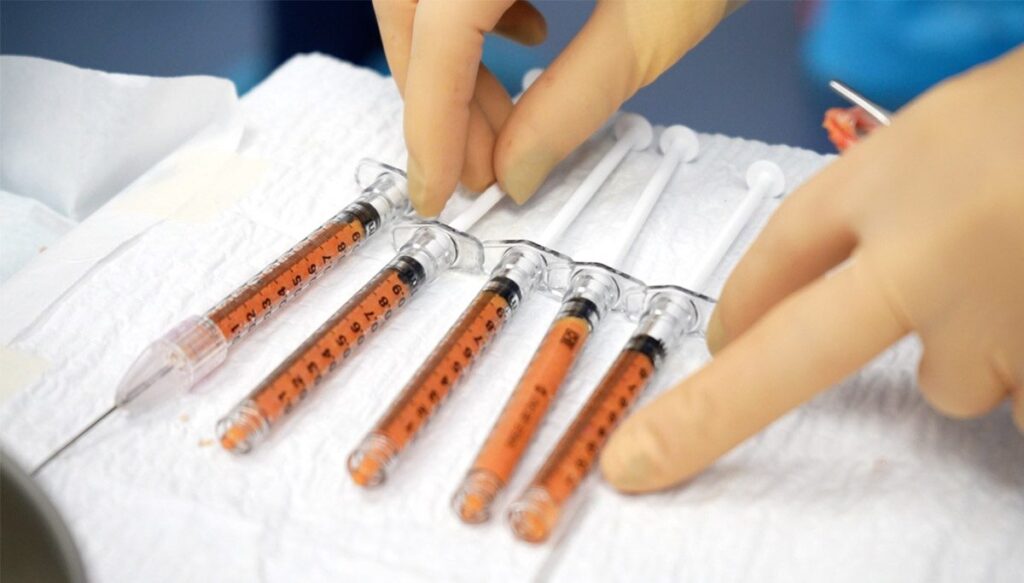
- Fat transfer, also referred to as fat grafting, relocates fat from one area of the body to another. This technique can boost wound healing and is a natural patch to fix damaged tissue.
- This method speeds healing by delivering to the wound a dose of regenerative cells, helping the wound recover faster and ensuring better skin quality.
- Recent studies show some very encouraging developments. Fat transfer in wound care protocols speeds healing and reduces scarring.
- Fat transfer has plenty of benefits, but it’s not without its limitations. Complications such as fat resorption can happen, and you may require several procedures.
- There are active efforts from researchers to find new ways to enhance fat transfer for wound healing. This work bodes well for this promising therapeutic approach.
- If you’re considering this treatment, be sure to speak with a medical professional. They can help you understand how suitable it is for you and what you might expect based on your health needs.
Fat transfer for wound healing sounds wild, right? Imagine a technique that speeds up healing using your own body. I know, it sounds like science fiction, but it’s real. This process removes fat from one area and injects it into wounds. It’s like nature’s own band-aid. Research doesn’t even hint that this doesn’t work. People heal faster and better with it. It’s not all sunshine and rainbows. There are challenges. It’s not for everyone. Doctors may need to think about each case. Still, the future is bright for this intriguing approach. Healing could become a whole lot easier.
What Is Fat Transfer
Definition of Fat Transfer
Fat transfer, known as fat grafting, is an exciting procedure. It involves transferring fat or adipose tissue from one area of the body to another. Typically, we do this by harvesting fat through liposuction, a standard procedure that gently removes fat cells. Then we carefully inject this fat into the areas where it’s needed. We use autologous fat, which means the fat comes from the same person. This knocks out any risk of rejection because your body recognizes the fat as its own. While we tend to use fat transfer for cosmetic enhancements (plumping up cheeks, smoothing wrinkles), it has important therapeutic applications. It would be great if it could improve the process of wound healing or fill in areas after surgery or injury. It’s almost like your body gets a little hand up with healing itself!
Common Uses in Medicine
In medicine, fat transfer is the Swiss army knife — so useful in so many ways! For example, when we talk about breast augmentation, fat transfer is a natural alternative to implants. It’s also a go-to for facial rejuvenation, restoring youthful volume and glow. It’s not just about looks either. We utilize fat transfer for soft tissue reconstruction, which is essential after injury or surgeries. Its versatility comes through when treating burn scars and chronic wounds. Fat grafting works wonders, particularly when it comes to making each wound smaller. It can lower them by up to 47% when we add special cells called ADSCs. These cells are basically little builders in the body, helping to form new blood vessels and vital skin cells. In orthopedics, especially for osteoarthritis, fat transfer seems promising because it may reduce joint pain and potentially enhance function. It’s like opening new doors in regenerative medicine, and you’re focused on healing from within.
How Fat Transfer Enhances Healing
1. Mechanisms of Action
I was always curious about how fat transfer works in wound healing. Imagine this: within the fat, there are growth factors like PDGF and VEGF. These act a bit like superhero doctors, rushing in to turn on cellular functions that are critical for tissue repair. They’re a big part of getting cells moving and working together to repair the wound.
That’s not where it ends. There’s this thing called the fibrin matrix. Think of it like a little snuggly net that traps the fat cells at the graft site. It’s important because it keeps these fat cells alive and well, which is important for proper healing. Fat grafts must be injected thinly. Fat cells greater than 300 μm from the edge were at great risk. Without enough blood, they might not make it.
2. Role of Stem Cells
Now, don’t get me started on stem cells. The fat we use is packed with ADSCs, the MVPs of regeneration. These stem cells have the incredible ability to change into different cell types, such as fibroblasts and keratinocytes. Those are the cells healing the skin, and you rely on them. It’s like having a team that can play any position in the game of healing.
These stem cells don’t simply assist in the production of new skin; they create an environment where healing can flourish. They tweak the environment, thereby creating an ideal place for tissues to repair themselves. Studies indicate they stimulate angiogenesis, or the growth of new blood vessels. This process is vital for getting nutrients to the wound. Over time, the increase in angiogenesis is impressive, really turbo-charging the healing.
3. Impact on Inflammation
Fat transfer steps in to cool down inflammation at the wound site. Imagine you have a friend who is very calming. They always know what to do to keep it under control. When you mix PRP with fat, it’s even better because PRP’s anti-inflammatory traits help wounds heal faster and cleaner.
Managing inflammation is really important. If inflammation sticks around too long, it can cause complications. That’s why decreasing it is a great victory in the process of healing.
4. Promoting Tissue Regeneration
One of the coolest things about fat transfer is its knack for helping new blood vessels form. This is enormous because those vessels are highways delivering nutrients to the healing tissues. When combined with PRP, the regenerative effects are even greater, so the healing of stubborn wounds has a better chance of occurring.
In cases of wounds that are chronic, or where healing is slow or stalled, these combined efforts can help make a difference. A lot of studies show that ADSCs reduce wound size significantly. The decrease ranges from 14% to 47% compared to controls. Additionally, fat grafts can last for years, yielding results that appear and feel natural.
Current Research on Fat Transfer
Studies on Wound Healing Improvement
When I look at recent studies, it’s exciting to see the promising outcomes fat transfer shows in wound healing. Small clinical studies have demonstrated big improvements. They found that fat grafting fills deflated areas and may improve healing through its soft-tissue pathology treatment capabilities. However, these studies are small, so we need to be cautious. The small numbers don’t always tell the story, and it’s not easy to apply these findings broadly. It’s a bit like having a tasty appetizer but needing the full meal to really know it’s right for everyone.
The technical details of fat grafting are crucial for success. For example, maintaining a graft-to-recipient interface below 1.6 mm was critical. Grafting in thin layers (approximately no larger than 3 mm) promotes neovascularization. In other words, it helps create new blood vessels. These are promising little successes. Now we have to do more research to verify these findings on a larger population.
Clinical Trials and Findings
As I explore the current state of clinical trials, I feel equal parts hope and obstacles. Trials are underway to see how well fat transfer works for wound healing. Obstacles including scheduling enough participants and preventing methodological bias can hinder the field. Just think of throwing a giant party. You want them to show up at the same time, wearing the same clothes.
Some trials have produced promising — but not conclusive — results. They suggest fat transfer may offer benefits but also require further study. For instance, PRP, with its anti-inflammatory properties, can decrease inflammation and swelling, allowing for better integration of the fat graft. 10% PRP may be too high a concentration for PRP, and the 20% PRP is steep. This example illustrates how tricky these trials are.
Comparative Analysis with Other Methods
When comparing fat transfer to traditional methods, there are pros and cons. Fat transfer could prove superior for certain chronic wounds, where old methods fail. Imagine a tool that only worked in select situations. It’s a Swiss Army knife that excels at one thing and falters at many others. This method strongly promotes the differentiation of ADSCs into essential cells like endothelial cells, fibroblasts, and keratinocytes. As such, it could potentially be much more broadly useful.
Keep in mind we have to individualize plans of treatment. Some tissues work better with fat transfer, and some would do better with traditional methods. As promising as fat grafting might seem, we have to weigh every patient’s specific circumstances to determine the most effective treatment.
Limitations and Considerations
Potential Risks and Complications
When it comes to fat transfer for wound healing, it’s not all gravy train. The procedure is fraught with some risks. One biggie is infection. If things aren’t kept clean, bacteria sneak in and do more harm than good. Then there’s graft failure—sometimes the fat just doesn’t stick around like it should. I read that retention numbers can be all over the place. Some studies report a rather alarming loss of even up to 80% of the graft. Can you imagine that? Using both harvesting and injections, there is a risk of complications. Don’t forget about informed consent. Patients need to know precisely what they are signing up for. That’s why an exhaustive preoperative assessment is so critical. It’s really a matter of weighing risks and making sure everyone’s aligned.
Patient Selection Criteria
Finding the right people to do fat transfer here is like finding a puzzle piece. Not everyone is a fit. Health plays a huge role—age, lifestyle, and existing conditions can sway the results. For example, older people or those with health problems may not experience these same benefits. It is about understanding expectations. That’s why a deep dive into a patient’s health, lifestyle, and what they hope to achieve is key. By doing that thorough of an assessment, I can guarantee the best results. The magic happens when there’s a good match between patient and procedure.
Technical Challenges and Solutions
Ah, the techie stuff. Fat grafting isn’t simply about moving fat from one place to another. The preparation and injection techniques can be tricky. Did you know survival varies greatly depending on the layer of tissue? Survival in the supra-muscular layer is 81%, whereas in the submuscular layer it’s 37%. To increase the odds of it working, there are things like platelet-rich plasma (PRP), but even that has its craziness. I learned that the concentration of PRP was a huge deal. Some, like 20% in vitro, might not even come close to helping cells grow. Crazy, right? That’s why ongoing training is a must for practitioners. Staying sharp means better results for everyone involved.
Future Directions in Fat Transfer
Innovations in Technique
Let me paint a picture for you: imagine a future where fat transfer techniques are not just about moving fat from one place to another. Instead, they’re a dance of precision and technology. Emerging methods promise to improve graft retention and healing. In 2023, studies hinted that deciphering gene expression in this fat may hold the answer. This knowledge may assist with maintaining those fat grafts right where we want them, resulting in improved outcomes. Here’s the exciting part—clinics are preparing to utilize advanced imaging techniques by 2024. Imagine that—3D imaging accurately drives the procedure. Now, surgeons can map and place fat with unmatched accuracy. Just like having a GPS for the human body!
Personalized approaches are around the corner. Maybe by 2025, such innovations will become standard practice. Picture this: a treatment plan tailored just for you, considering your unique body composition and health needs. It’s sort of the equivalent of a tailored suit, but for your health. Patients who’ve had fat grafting often benefit for years. Now, thanks to advances in recent years, their results could be even more satisfying than before.
Potential for Broader Applications
Fat transfer isn’t limited to healing wounds or making cosmetic improvements. There’s a world of possibilities waiting to go out into the world. Take reconstructive surgery, for example. Fat transfer can be a more natural alternative to standard implants. About 80 percent of plastic surgeons have already embraced fat grafting, but there’s so much more we can do. Imagine using fat to treat degenerative diseases. The potential is impressive. ADSCs, the special cells in fat, hold particular promise for restoring blood flow and promoting angiogenesis in diabetes.
The science is fascinating, though. As a wound heals, the granulation tissue replaces the fibrin matrix of the clot. This tissue is backed by fibroblasts and type 3 collagen. The matrix serves as a scaffold for new blood vessels. Fat grafts, when well vascularized, have better retention rates in experimental settings. This could lead to more dependable treatments down the line. We need more research. Larger, well-designed studies will tell us how much fat transfer can really do for us in the medical space. Let’s not give up on what we know, but let’s investigate what might be.
Conclusion
Here we are, at the end of our little journey into the world of fat transfer and wound healing.
It’s mind-blowing to consider that fat, the thing we often work to remove, helps our bodies heal.
Who knew that what we most often see as a negative could have such positive effects?
It’s like searching for buried treasure—and then digging up gold ingots in your own backyard.
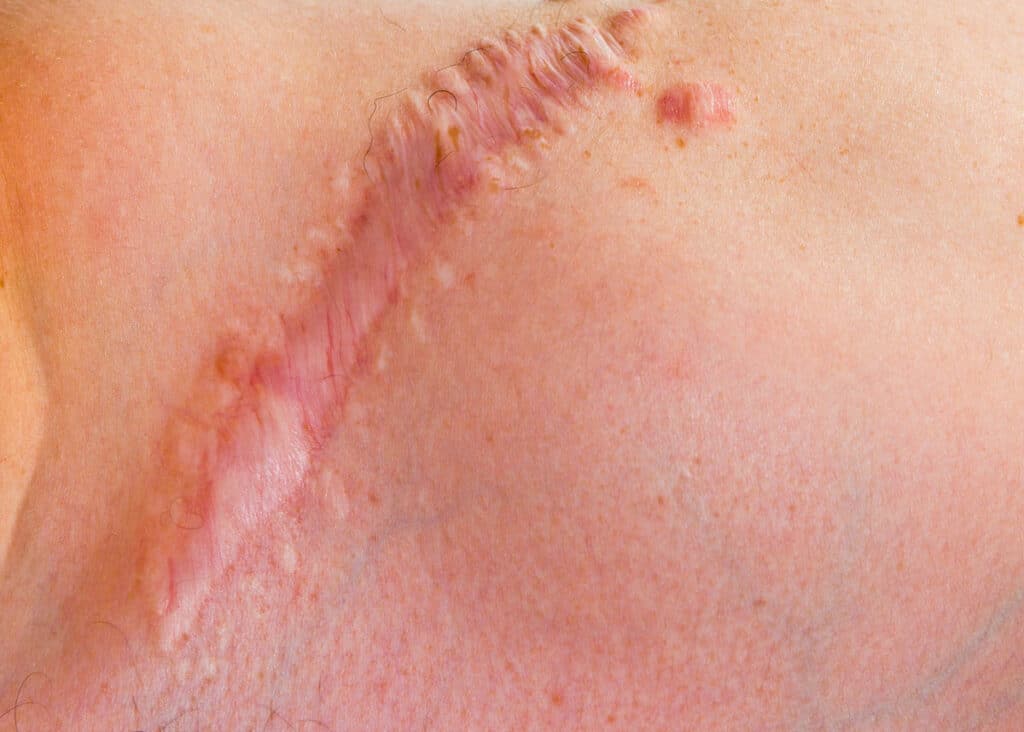
Fat transfer does hold some promise in speeding up healing and improving the appearance of scars.
Scientists are digging deeper into this, and who knows what they will find next.
There’s glimmers of hope and a whole lot of potential here, even if we’ve got some hurdles to leap.
If this is something you’re interested in, or perhaps thinking about, talk to a pro.
You never know; it might just be the thing you’re looking for.
Watch for new developments and report what you learn.
We’re all in this together; every little helps.
Frequently Asked Questions
What is fat transfer?
Fat transfer is a procedure that transfers fat from one area of the body to another. It tightens contours and helps with the healing of tissue. This method is used more in cosmetic and reconstructive surgery.
How does fat transfer aid in wound healing?
Fat transfer from the body helps wound healing by bringing in its own supply of stem cells and growth factors. These elements promote tissue regeneration and reduce inflammation, accelerating recovery.
What current research supports fat transfer for healing?
Recent studies found that fat transfer boosts healing in chronic wounds and scars. Research highlights its potential in regenerative medicine, with promising results.
What are the limitations of fat transfer?
Fat transfer isn’t for everyone. It requires a significant amount of donor fat and may take multiple sessions. Unfortunately, the results can vary, and some fat reabsorption may happen.
Are there risks associated with fat transfer?
Yes, risks include infection, bruising, and fat necrosis. Complications are rare with an experienced surgeon. It’s all about proper consultation and picking an expert.
What considerations should I have before opting for fat transfer?
You have to take into account your health, your goals, and your expectations. Talk to a qualified surgeon to see if you’re a good candidate. Set realistic expectations and understand the limitations of the procedure.
What does the future hold for fat transfer techniques?
Future directions include better harvesting methods and better integration with regenerative therapies. Ongoing research seeks to maximize outcomes and broaden uses in medicine.