
HIFU facial tightening is revolutionizing the skincare game. This non-invasive aesthetic treatment uses ultrasound technology to lift and tighten muscle and dermal cells. It’s been gaining traction since its introduction in the beauty industry over a decade ago, particularly in skin treatment at the skin clinic for advanced skin sagging on the face.
With its ability to stimulate collagen production, HIFU offers long-lasting results for face skin treatment without surgery. People are ditching traditional facelifts for this effective alternative. The procedure targets deep layers of skin on the face, promoting a natural lift. It’s suitable for all skin types on the face and requires minimal downtime.
As more individuals seek youthful, radiant skin, HIFU facial tightening stands out as a go-to option. Discover how this innovative technique can transform your skincare routine and boost your confidence.
Key Takeaways
- HIFU, or High-Intensity Focused Ultrasound, is a non-invasive treatment that tightens skin by stimulating collagen production.
- This procedure is effective for reducing wrinkles and sagging skin, making it suitable for individuals seeking a youthful appearance without surgery.
- It’s important to consult with a qualified professional to determine if HIFU is right for you, especially if you have certain skin conditions or sensitivities.
- While HIFU has minimal side effects, some patients may experience temporary redness or swelling; understanding these risks can help manage expectations.
- Results from HIFU can take a few months to fully develop, so patience is key after the treatment.
- HIFU offers a less invasive alternative to facelifts, providing lasting effects with less downtime and recovery.
What is HIFU Facial Treatment?
Definition
High-Intensity Focused Ultrasound (HIFU) is a non-surgical skin treatment. It uses ultrasound energy to heat specific layers of the skin. This process stimulates collagen production. More collagen leads to tighter and firmer skin.
Target Areas
HIFU treatments target various skin depths. The procedure can reach the superficial dermis, deep dermis, and even the foundational layer called the SMAS (Superficial Muscular Aponeurotic System). Each layer responds differently to the ultrasound energy. This versatility allows for customized treatments based on individual needs.
Non-Invasive Nature
HIFU is an invasive treatment alternative. Unlike surgical facelifts, it does not require incisions or anesthesia. Patients experience minimal discomfort during the procedure. Most report only a slight warming sensation. Recovery time is also short, allowing individuals to return to their daily activities quickly.
Procedure Details
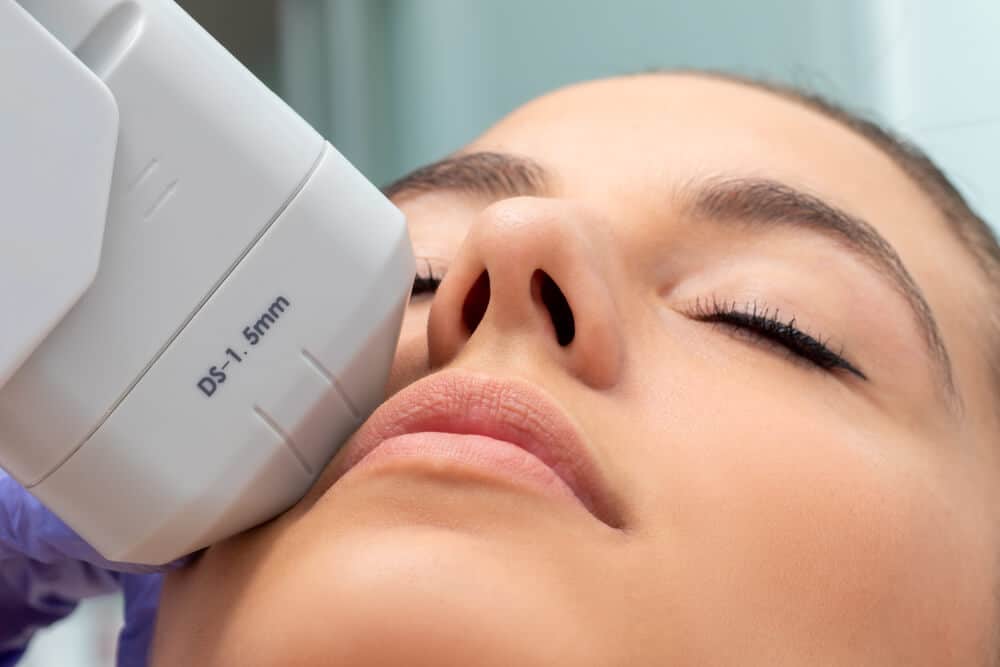
The HIFU treatment begins with a consultation. A trained professional assesses the skin and discusses goals. After that, they apply a gel to help conduct ultrasound waves. The device then delivers focused ultrasound energy into the targeted areas.
Sessions typically last between 30 to 90 minutes. Patients may notice immediate tightening after one session. However, full results develop over two to three months as collagen builds up.
Benefits of HIFU
HIFU offers several benefits:
- Non-invasive: No surgery is involved.
- Minimal downtime: Resume normal activities right after.
- Long-lasting results: Effects can last up to 12 months or more.
- Customizable: Treatments can be tailored for different skin types and concerns.
Many patients choose HIFU for its effectiveness in achieving a youthful appearance without surgery.
Risks and Considerations
While HIFU is generally safe, some risks exist. Potential side effects include redness, swelling, or tenderness at the treatment site. These usually resolve within a few hours to days. Consulting with a qualified professional helps minimize these risks.
Patients should also consider their skin type and condition before undergoing HIFU treatments. Not everyone may be suitable for this procedure.
How HIFU Tightens Skin
Focused Energy
HIFU skin tightening uses focused ultrasound energy. This energy penetrates the skin at specific depths. It targets areas where collagen production occurs. The ultrasound waves create thermal energy, which heats the tissue. This process stimulates collagen production in the skin.
Collagen is a protein that provides structure and elasticity to skin. As we age, collagen levels decrease. This leads to sagging and wrinkles. HIFU treatments help reverse this effect by promoting new collagen growth.
Cellular Damage
HIFU skin tightening treatment heats tissue at precise depths. The temperature can reach about 65 degrees Celsius. This level of heat causes controlled cellular damage. The body reacts to this damage by initiating its natural healing process.
During healing, the body increases collagen and elastin production. These proteins help rebuild and tighten the skin. Over time, patients notice firmer and more youthful-looking skin.
Natural Healing
The natural healing process takes time. Results from HIFU skin tightening treatments typically appear gradually. Most patients see noticeable improvements within two to three months after treatment.
These improvements can last for up to a year or more with proper skincare. Regular follow-up treatments may enhance results further. Patients often report feeling more confident as their skin tightens.
Treatment Areas
HIFU skin tightening treatments can be used on various areas of the body. Popular areas include the face, neck, and décolletage. Each area benefits from targeted ultrasound energy.
Facial treatments focus on lifting brows and tightening jawlines. Neck treatments help reduce sagging skin under the chin. The décolletage area can also see significant improvement.
Safety and Comfort
HIFU is generally safe for most skin types. It requires no downtime, allowing patients to resume daily activities immediately after treatment. Some may experience mild redness or swelling, but these effects usually subside quickly.
The procedure is non-invasive, unlike surgical options. Patients appreciate that it offers a natural approach to skin tightening without incisions or anesthesia.
Summary
HIFU skin tightening works by using focused ultrasound energy to stimulate collagen production effectively. It heats tissue at specific depths, causing controlled cellular damage that triggers the body’s healing process. This results in tighter, firmer skin over time, making it an attractive option for many seeking non-surgical solutions for aging skin.
Effectiveness of HIFU
Clinical Proof
HIFU has been clinically proven to be effective for skin tightening. Numerous studies support the efficacy of this novel HIFU treatment. One study published in the Journal of Cosmetic Dermatology in 2019 showed significant skin lifting and tightening after just one session. Researchers noted improvements in skin elasticity and overall appearance.
Another clinical trial conducted in 2020 found that patients experienced noticeable results within three months. These results lasted up to a year or more, showcasing the long-lasting effects of focused ultrasound energy. The study concluded that HIFU is an effective nonsurgical option for those seeking facial rejuvenation.
How It Works
Focused ultrasound technology plays a crucial role in HIFU treatments. The procedure uses concentrated ultrasound beams to target deep layers of the skin. This process stimulates collagen production without damaging the surface layer. Patients often describe feeling slight warmth during the treatment pulses, which indicates that the ultrasound energy is working beneath the skin.
Ultrasound gel is applied to ensure proper transmission of the ultrasound waves. This gel helps in visualizing the treatment area and enhances comfort during the procedure. By using ultrasound visualization, practitioners can effectively monitor their progress and adjust as needed.
Patient Results
Many patients report positive outcomes after undergoing HIFU treatments. They experience tighter skin, reduced wrinkles, and improved facial contours. Patients appreciate that HIFU is a nonsurgical option with minimal downtime. Most return to their daily activities immediately after treatment.
Long-term follow-up studies have shown sustained results for many individuals. For example, a study from 2021 indicated that over 80% of participants were satisfied with their results six months post-treatment. This satisfaction rate highlights HIFU’s effectiveness as a viable alternative to surgical facelifts.
Safety Profile
Safety is another important aspect of HIFU treatments. Clinical studies indicate that adverse effects are minimal and often temporary. Common side effects include mild redness or swelling at the treatment site, which usually resolves quickly. Overall, HIFU presents a safe option for skin tightening when performed by trained professionals.
Summary
The combination of focused ultrasound energy and advanced technology makes HIFU an appealing choice for many seeking skin tightening solutions. Research confirms its effectiveness and long-lasting results, making it a top consideration for non-invasive cosmetic treatments.
Who Should Get HIFU?
Ideal Candidates
Individuals with mild to moderate skin laxity are the best candidates for HIFU. This treatment works effectively on skin that has started to lose its firmness but is not severely sagging. Those who notice their skin beginning to droop or feel less elastic can benefit from this procedure.
People in their 30s to 60s often find HIFU helpful. The treatment stimulates collagen production, which is essential for maintaining skin elasticity. As collagen levels decline with age, many seek solutions like HIFU to restore a youthful appearance.
Natural Improvements
HIFU is perfect for those wanting natural but noticeable improvements in their skin’s appearance. Unlike surgical options, HIFU does not involve incisions or significant downtime. Patients can return to their daily activities immediately after treatment.
Many prefer this non-invasive method because it enhances the skin without altering facial features dramatically. Results appear gradually over time as collagen rebuilds and tightens the skin. This process can take several months, but the outcomes are long-lasting.
Specific Skin Concerns
HIFU effectively addresses various skin concerns. It treats fine lines and wrinkles, particularly around the forehead, eyes, and mouth. Many individuals notice smoother skin texture after treatment.
Loose skin on the neck and décolletage also responds well to HIFU. People often report tighter and firmer skin in these areas following sessions. Those with less defined jawlines may find HIFU useful for contouring and enhancing their facial structure.
Treatment Areas
HIFU can be applied to multiple areas of the face and body. Common treatment sites include:
- Forehead
- Jawline
- Neck
- Chest
These areas typically show signs of aging first. Therefore, targeting them can produce significant results.
Patients should consult with a qualified practitioner before starting treatment. A professional evaluation helps determine if HIFU is suitable based on individual skin conditions and goals.
Potential Side Effects
Common Effects
Clients may experience common side effects after a HIFU facial tightening treatment. These include pinkness, redness, light swelling, tingling, temporary numbing, and bruising. Such effects are not unusual and often occur as the body reacts to the procedure.
Most of these side effects are mild. For instance, pinkness or redness usually fades within a few hours. Light swelling can also diminish quickly, often disappearing within a day or two. Tingling sensations may last for a short time but typically resolve soon after treatment.
Safety Profile
HIFU is generally considered a safe treatment option. The risks associated with this procedure are low compared to other cosmetic treatments. Serious complications are rare, making it a popular choice among clients seeking non-invasive facial improvements.
Discomfort during the procedure can vary based on individual pain tolerance and sensitivity. Some clients report only minor discomfort, while others may feel more significant sensations. Most find that any pain subsides shortly after the session ends.
Downtime Considerations
One significant advantage of HIFU is the minimal downtime required after treatment. Clients can resume normal activities immediately following the procedure. There is no need for extended recovery periods or time off work.
This aspect makes HIFU appealing for those with busy lifestyles. Many appreciate that they can return to their daily routines without interruption. It allows individuals to maintain their schedules while still benefiting from effective skin tightening.
Signs to Watch
While most side effects are mild, clients should be aware of signs that require attention. If symptoms such as severe swelling or prolonged pain occur, it’s essential to consult a medical professional. Understanding potential side effects helps clients know what to expect post-treatment.
Questions about safety and effectiveness often arise before undergoing HIFU. Clients should discuss these concerns with their providers beforehand. Open communication ensures that everyone is informed about the procedure’s nature and what happens afterward.
Expected Results Timeline
Initial Improvements
e immediate improvements may be noticeable within a few days after the HIFU facial tightening session. Patients often report tighter skin and a refreshed appearance shortly after treatment. This early response can encourage individuals, as it provides instant gratification.
These initial changes do not represent the full extent of the results. They serve as a preview of what is to come. The body begins to stimulate collagen production right away. This process contributes to the skin’s firmness and elasticity over time.
Full Results
Full results from HIFU treatments are typically seen around three months post-treatment. During this period, collagen continues to develop and strengthen the skin. Patients often notice significant lifting and tightening effects during this time.
The timeline can vary based on individual factors. Age, skin condition, and lifestyle choices all play a role in how quickly results appear. However, patience is essential for achieving the best outcome.
Continued Improvement
Results continue to improve up to six months after the final procedure. The skin undergoes gradual changes as collagen builds up in layers. Many patients experience enhanced smoothness and reduced sagging over time.
This extended improvement period allows individuals to enjoy long-lasting benefits. Regular follow-up sessions can further enhance these results. Some may choose to schedule maintenance treatments every six months or so.
Exercise and Maintenance
Incorporating exercise into daily routines can also support optimal outcomes. Physical activity promotes blood circulation and overall health, which may enhance skin appearance. Staying hydrated is equally important for maintaining skin elasticity.
Following a good skincare regimen will complement HIFU results. Using products that boost hydration and support collagen production can prolong the effects of treatment.
Neck Treatment
HIFU is not limited to just facial areas; it can also be effective for neck tightening. Many patients seek treatment for sagging skin in this area as well. The same expected timeline applies here, with improvements visible shortly after treatment.
Individuals should discuss their specific goals with their practitioner before starting sessions. Tailoring the treatment plan ensures that all areas of concern are addressed effectively.
Impact on Wrinkles and Sagging Skin
Wrinkle Reduction
HIFU effectively reduces wrinkles. It targets deep layers of the skin. This non-invasive procedure stimulates new collagen production. Studies show significant improvements in wrinkle depth after treatment. Patients often report smoother skin and fewer fine lines.
Skin laxity contributes to the appearance of wrinkles. As people age, skin loses its elasticity and firmness. HIFU addresses this issue by tightening the skin. The ultrasound energy penetrates deeply without harming the surface. This process rejuvenates the skin naturally.
Skin Tightening
HIFU is particularly effective for skin sagging on the face and neck. It tightens moderate skin laxity, making features look more defined. Patients notice a lift in their jawline and cheeks. This treatment can create a more youthful appearance.
The procedure works by heating targeted tissues. This promotes collagen remodeling, which tightens the skin over time. Many clinics report high satisfaction rates among patients seeking facial rejuvenation.
Facial Redefinition
HIFU can redefine facial features significantly. It improves overall skin texture while lifting and firming areas that sag. The result is a more contoured look, enhancing natural beauty.
Patients appreciate how HIFU is less invasive compared to surgical skin treatments. There are no cuts or stitches involved. Recovery time is minimal, with most people returning to normal activities quickly.
Bruising and Side Effects
e may experience bruising after HIFU treatment. This is usually mild and fades within days. Most side effects are temporary and manageable. Patients should follow post-treatment care instructions for best results.
Overall, HIFU offers a safe alternative to invasive skin treatments. It provides visible improvements without the need for surgery.
Duration of HIFU Effects
Lasting Results
Results from HIFU skin tightening can last between 12 to 18 months. Many people notice improvements in skin tightness and texture right after the treatment. However, the full effect may take a few months to develop. This delay occurs as collagen production increases over time.
Maintenance Treatments
To maintain these results, maintenance treatments may be necessary. These follow-up sessions help prolong the effects of the initial treatment. Most practitioners recommend a touch-up every 6 to 12 months. This ensures that skin continues to look youthful and firm. Regular maintenance can adapt to individual needs.
Individual Variations
Individual results can vary based on skin type and the aging process. Factors like genetics, lifestyle, and overall health play a role in how long the effects last. For instance, someone with oily skin may experience different outcomes than someone with dry skin. Age also impacts results; younger individuals might see longer-lasting effects compared to older clients.
Skin’s elasticity decreases with age. Therefore, older adults may require more frequent treatments to achieve optimal results. Understanding these variations helps set realistic expectations for each individual.
Comparing HIFU and Facelift
Non-Invasive Option
HIFU stands for High-Intensity Focused Ultrasound. It is a non-invasive treatment for skin tightening. Unlike a facelift, HIFU does not require any incisions or anesthesia. This makes it an attractive option for many people.
The procedure uses ultrasound energy to stimulate collagen production. This process helps lift and tighten the skin naturally. Patients typically experience minimal discomfort during the treatment. There is also no downtime required after HIFU. Most individuals can return to their daily activities immediately.
Results Comparison
Facelifts offer more dramatic results than HIFU. They involve surgical techniques to remove excess skin and tighten underlying tissues. These procedures can significantly change one’s appearance in a short time. However, they come with risks like infection, scarring, and longer recovery periods.
HIFU provides natural-looking improvements over time. Results develop gradually as collagen builds up in the skin. Many patients notice changes within a few months. Some may even enjoy effects lasting up to a year or more.
Risks Involved
Every medical procedure carries some risks. Facelifts have higher risks due to their invasive nature. Possible complications include blood clots and anesthesia reactions. Recovery from surgery can take weeks or even months.
HIFU has fewer risks associated with it. Side effects are generally mild and temporary. Patients might experience slight redness or swelling after treatment, but these usually resolve quickly.
Cost Considerations
Costs vary between HIFU treatments and facelifts. A facelift often requires a larger financial investment due to surgery fees, anesthesia, and facility costs. On average, facelift surgeries can range from $7,000 to $15,000 or more.
In contrast, HIFU treatments typically cost between $1,500 and $4,500 per session. Many patients find this price point appealing when considering their options.
Ideal Candidates
Not everyone is suited for a facelift. Older individuals with significant sagging skin may benefit most from surgery. However, younger patients seeking subtle improvements often prefer HIFU.
People who want to avoid surgical procedures often choose HIFU for its benefits. It suits those looking for a gentler approach to facial rejuvenation.
Closing Thoughts
HIFU facial tightening is a game-changer for anyone looking to rejuvenate their skin without invasive procedures. This treatment effectively tightens and lifts, targeting wrinkles and sagging skin. You can enjoy noticeable results with minimal downtime, making it a popular choice among those seeking a youthful appearance.
If you’re considering HIFU, weigh the benefits against potential side effects. Consult with a qualified professional to determine if it’s right for you. Embrace this modern solution and take the first step towards firmer skin today. Your journey to a more confident you starts now!
Frequently Asked Questions
What is HIFU?
HIFU stands for High-Intensity Focused Ultrasound. It’s a non-invasive treatment that uses ultrasound energy to stimulate collagen production, tightening and lifting the skin.
How long does a HIFU session take?
A typical HIFU session lasts between 30 to 90 minutes, depending on the area being treated. This makes it a convenient option for busy individuals.
Is HIFU safe?
Yes, HIFU is considered safe for most people. It’s non-invasive with minimal risks when performed by a qualified practitioner.
How many sessions are needed for optimal results?
Most patients see improvements after just one session. However, some may benefit from additional treatments, typically spaced several months apart.
When will I see results from HIFU?
Initial results can be seen within a few weeks, but full effects develop over two to three months as collagen builds up in the skin.
Can anyone get HIFU treatment?
While many can benefit from HIFU, those with certain skin conditions or health issues should consult a professional before proceeding.
How does HIFU compare to traditional facelifts?
HIFU offers a non-surgical alternative to facelifts. It has less downtime and lower risk, but results may not be as dramatic or long-lasting as surgical options.