
PRP enhanced fat grafting is revolutionizing cosmetic procedures. This innovative technique combines fat transfer with platelet-rich plasma (PRP) to benefit and boost results as part of the consultation. It enhances skin texture, promotes healing, and improves overall volume, as fat grafting ensue in the transplanted fat regeneration zone with autologous fat graft mixed. Patients can achieve more natural-looking outcomes with fewer complications, including dramatic results in the fat graft area and improved fat graft volume changes with prp injections.
This method is perfect for those wanting a youthful appearance without extensive surgery, considering fat graft outcome, PRP injections, and fat graft volume changes. It’s gaining popularity due to its effectiveness, minimal downtime, fat graft, and PRP injections. Professionals are seeing remarkable results with prp injections and high patient satisfaction rates, particularly regarding fat graft volume. Understanding how PRP enhanced fat grafting works can help you make informed decisions about your beauty journey. Dive in to discover the benefits of fat graft and what you can expect from this cutting-edge treatment.
Key Takeaways
- PRP (Platelet-Rich Plasma) enhances fat grafting by promoting healing and improving the survival of transplanted fat cells.
- Utilizing PRP can significantly boost angiogenesis, which is the formation of new blood vessels, essential for nourishing the grafted tissue.
- Incorporating PRP in fat grafting procedures can lead to better tissue viability, reducing the risk of fat necrosis and improving overall outcomes.
- Research shows that patients who receive PRP-enhanced fat grafts often experience higher survival rates of adipocytes, resulting in longer-lasting results.
- Histologic evaluation techniques allow for a better understanding of how PRP affects fat graft integration at the cellular level.
- Statistical analysis methods in studies confirm the effectiveness of PRP in enhancing fat grafting results, making it a valuable option for both patients and practitioners.
Benefits of PRP in Fat Grafting
Natural Results
PRP enhances the natural appearance of fat grafting. This combination leads to smoother and more even results. The growth factors in PRP promote cell regeneration. They help the body integrate the transplanted fat better. Patients often notice a more youthful look after the procedure due to fat graft volume. This effect can be attributed to improved skin texture, tone, and fat graft volume.
Faster Healing
PRP promotes faster healing after fat grafting. The regenerative properties of PRP speed up recovery time. Growth factors stimulate tissue repair and reduce inflammation. Many patients experience less swelling and bruising. This means they can return to their daily activities sooner. Studies show that using PRP can cut recovery time significantly while considering fat graft volume.
Longevity of Fat Cells
PRP improves the longevity of transplanted fat cells. It increases the survival rate of these cells after the fat graft volume procedure. The presence of PRP helps create a supportive environment for fat cells. This support is crucial for long-term success. Research indicates that patients who use PRP with fat grafting see better results over time. They enjoy lasting volume and contour in treated areas.
Enhanced Blood Supply
PRP enhances blood supply to the grafted area. A rich blood supply is vital for healing and fat cell survival. Growth factors in PRP encourage new blood vessel formation. This process, known as angiogenesis, is essential for nourishing transplanted fat cells. Better blood flow means healthier cells and improved outcomes.
Reduced Complications
Using PRP reduces complications associated with fat grafting. Patients often face issues like infection or irregularities in fat distribution. PRP’s properties help lower these risks. The healing process becomes smoother with fat graft, leading to fewer side effects. Patients feel more confident knowing they have a lower chance of complications with fat graft volume.
Personalized Treatment
PRP allows for a more personalized treatment approach. Each patient’s needs are different, and PRP can be tailored accordingly. This customization leads to better satisfaction with results. Doctors can assess individual conditions before recommending PRP alongside fat grafting.
Cost-Effectiveness
PRP treatments can be cost-effective in the long run. While initial costs may seem higher, they often lead to fewer touch-ups or additional procedures later on. Patients appreciate the value of longer-lasting results without frequent follow-ups.
Mechanisms of PRP in Fat Grafting
Tissue Repair
PRP, or platelet-rich plasma, plays a key role in stimulating tissue repair. It contains growth factors that help heal injuries. These growth factors include Platelet-Derived Growth Factor (PDGF) and Transforming Growth Factor-beta (TGF-β). They promote cell migration and proliferation. This process speeds up the healing of the grafted area.
Research shows that using PRP can enhance the survival rate of fat grafts. In a study published in 2018, researchers found that combining PRP with fat grafting led to better outcomes. The grafts showed improved integration into surrounding tissues. This means patients experienced more effective results from their procedures.
Collagen Production
Collagen is essential for skin health. PRP enhances collagen production in the treated areas. Increased collagen leads to improved skin texture and elasticity. This is especially important for patients seeking aesthetic improvements.
A study in 2020 revealed that PRP treatments significantly increased collagen levels in patients after fat grafting. The enhanced collagen not only improves the appearance of the skin but also supports the structural integrity of the grafted fat. Patients reported smoother and firmer skin after their procedures.
Cellular Communication
Effective cellular communication is vital for successful fat grafting. PRP enhances this communication within the grafted area. It helps cells interact better, leading to improved function and survival rates of the transplanted fat cells.
The presence of growth factors in PRP encourages cellular signaling pathways. These pathways are crucial for tissue regeneration and repair. Studies indicate that enhanced cellular communication leads to better integration of fat grafts into the surrounding tissues.
Clinical Applications
Many clinics now utilize PRP in their fat grafting procedures. The combination allows for more predictable results and higher patient satisfaction. Surgeons report fewer complications when using PRP alongside traditional methods.
Patients undergoing these procedures often notice quicker recovery times as well. The regenerative properties of PRP contribute to less swelling and bruising post-operation. Many feel they achieve their desired results faster than without PRP.
Enhancing Angiogenesis in Fat Grafting
Blood Vessel Formation
Fat grafting relies on the survival of transplanted fat cells. Fat graft angiogenesis is crucial for this process. New blood vessels need to form quickly after the fat grafting procedure. This new vascular network supports the transplanted fat cells. It provides them with the necessary oxygen and nutrients.
Studies show that enhanced angiogenesis leads to improved fat graft survival. For example, research indicates that fat grafts with better blood supply retain more volume over time. In contrast, those without sufficient vascularization face a higher risk of necrosis. This means that many fat cells die off, leading to poor outcomes.
Nutrient Supply
Oxygen and nutrients are vital for the health of grafted tissue. A well-vascularized area can significantly improve these supplies. PRP (Platelet-Rich Plasma) plays a key role here. It contains growth factors that promote blood vessel formation. These growth factors stimulate endothelial cells, which are essential for creating new blood vessels.
The fat grafting process benefits from this support system. By combining PRP with traditional fat grafting methods, practitioners can enhance the overall results. The combination leads to better fat graft retention and improved outcomes for patients.
Reducing Necrosis Risk
Necrosis occurs when fat cells do not receive enough blood supply. This can happen if the surrounding tissue does not support angiogenesis effectively. Enhancing vascularization through techniques like PRP reduces this risk.
Patients who undergo autologous fat grafting often see better results when PRP is used. The added vascular support allows the transplanted fat to thrive in its new environment. Improved survival rates mean patients enjoy longer-lasting effects from their procedures.
Clinical Applications
Numerous studies have explored the impact of angiogenesis on fat grafting outcomes. Research from 2015 highlighted that using PRP alongside fat transplantation led to significant improvements in volume retention over six months. Another study in 2019 confirmed these findings, showing reduced necrosis rates in patients who received combined treatments.
Breast fat grafting also benefits from enhanced angiogenesis. Surgeons report higher satisfaction rates among patients who receive PRP-enhanced procedures compared to those who do not.
Improving Tissue Viability with PRP
Fat Cell Health
PRP injections play a crucial role in maintaining the health of transplanted fat cells. The rich plasma contains platelets that release growth factors. These factors help in cellular repair and regeneration. As a result, the viability of fat cells increases. This leads to better outcomes for patients undergoing fat grafting procedures.
Healthy fat cells are essential for successful grafts. If the fat cells die, the procedure may fail. PRP enhances the survival rate of these cells. It creates a more favorable environment for them to thrive. This improvement directly affects the overall success of the grafting process.
Reducing Inflammation
Inflammation can hinder the success of fat grafting. PRP helps reduce this inflammation effectively. The growth factors in PRP promote healing and tissue recovery. They work by signaling the body to repair itself, leading to less swelling and discomfort.
By minimizing inflammation, PRP creates a stable graft environment. This stability is crucial for the integration of transplanted fat into surrounding tissues. Patients often experience less pain and faster recovery times due to this effect.
Success Rates
The overall success rate of fat grafting procedures improves significantly with PRP use. Studies show that patients receiving PRP injections alongside their fat grafts achieve dramatic results. The combination leads to longer-lasting results and better aesthetic outcomes.
Incorporating PRP into the procedure increases patient satisfaction. Fewer complications arise when PRP is utilized. It not only enhances the visual appeal but also boosts confidence in patients post-surgery.
Procedure Overview
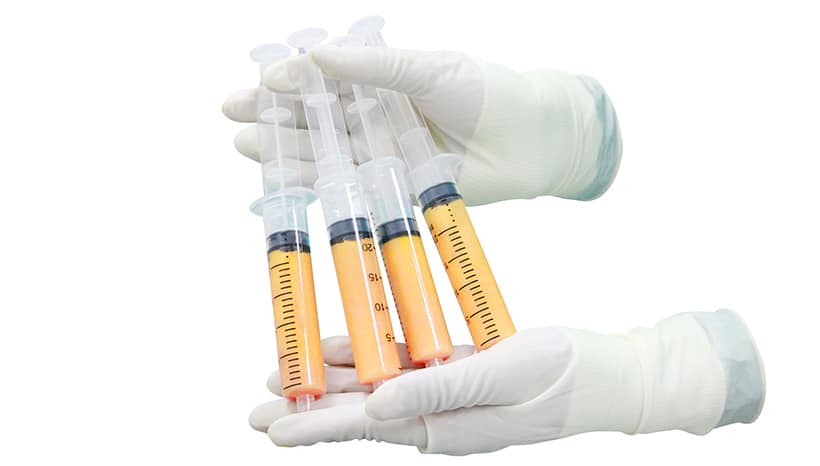
The procedure involves extracting blood from the patient. This blood is then processed to separate the PRP from other components. Once isolated, the rich plasma is injected into areas where fat has been grafted. This method ensures that growth factors are delivered directly where they are needed most.
Patients typically tolerate this procedure well. Minimal side effects occur since it uses their own blood products. This aspect adds an extra layer of safety for those considering fat grafting.
Research Findings on PRP Efficacy
Improved Outcomes
Studies show that PRP-enhanced fat grafting leads to better results. A 2016 study published in the Journal of Plastic Surgery found that patients experienced improved skin texture and volume. Researchers noted that the addition of platelet-rich plasma (PRP) enhances the overall quality of the grafted tissue.
Another study from 2018 indicated that PRP can stimulate cellular activity in the body. This stimulation helps in tissue regeneration, which is crucial for successful fat grafting. Patients reported increased satisfaction with their results, highlighting the benefits of this technique.
Higher Retention Rates
Clinical trials demonstrate that PRP significantly increases fat retention rates. A 2020 trial showed that patients who received PRP along with fat grafts had a retention rate of up to 90%. In comparison, traditional methods reported retention rates as low as 50-60%.
The mechanism behind this improvement involves the growth factors present in PRP. These factors promote angiogenesis, or the formation of new blood vessels. Increased blood supply helps the transplanted fat survive and thrive in its new location.
Reduced Complications
Evidence also points to reduced complications when using PRP in fat grafting procedures. A study conducted in 2019 revealed lower rates of infection and necrosis among patients receiving PRP-enhanced grafts. The incidence of side effects was significantly lower than those undergoing standard fat grafting.
Patients reported fewer adverse reactions after their procedures. This reduction is attributed to the natural healing properties of PRP. The body’s own growth factors help minimize inflammation and promote faster recovery.
Summary of Findings
- Improved skin texture and volume.
- Higher fat retention rates, up to 90%.
- Lower infection and necrosis rates.
These findings support the use of PRP in enhancing fat grafting techniques. The positive outcomes indicate a shift towards incorporating PRP into standard practices.
Histologic Evaluation Techniques
Biopsy Samples
Tissue integration is crucial for successful fat grafting. Researchers use biopsy samples to evaluate how well the graft integrates with surrounding tissues. These samples help determine the health of the tissue after the procedure.
Biopsies are taken at various intervals post-surgery. This allows for a timeline analysis of healing. The samples reveal important details about cellular response and potential complications. Evaluating these samples can show whether the graft is being accepted or rejected by the body.
Staining Methods
Staining methods play a vital role in visualizing changes in the graft area. Specific stains highlight new blood vessel formation, also known as angiogenesis. This process is essential for graft survival.
Common staining techniques include Hematoxylin and Eosin (H&E) and immunohistochemistry. H&E staining provides an overview of tissue structure. It shows cell distribution and organization. Immunohistochemistry uses antibodies to identify specific proteins related to blood vessels. These methods allow researchers to assess how well the graft receives nutrients and oxygen.
Cellular Morphology
Cellular morphology refers to the study of cell shape and structure. Analyzing cellular morphology helps determine the success of fat grafts. Changes in cell appearance can indicate whether the graft is thriving or failing.
Researchers look for signs of healthy fat cells, such as round shapes and clear cytoplasm. They also assess inflammatory responses within the grafted area. High levels of inflammation can signal problems with integration.
Measuring cell density provides insights into graft viability. A higher density of healthy adipocytes indicates a successful outcome. Conversely, low density may suggest necrosis or poor integration.
Statistical Analysis Methods in Studies
Control Groups
Control groups are essential in studies of PRP-enhanced fat grafting. They allow researchers to compare the procedures used in PRP with traditional fat grafting methods. In many studies, one group receives PRP treatment while another group does not. This setup helps identify the specific impact of PRP on fat retention and overall results.
For instance, a study may involve two groups of patients undergoing lipofilling. One group receives standard fat grafting, while the other gets PRP-enhanced fat grafting. Researchers then assess how much fat survives after a set period. The differences between these groups provide valuable insights into the effectiveness of PRP.
Statistical Tests
Applying statistical tests is crucial for evaluating the significance of results in these studies. Common tests include t-tests and ANOVA. These tests help determine if observed differences between control and experimental groups are statistically significant or due to chance.
For example, if researchers find that 80% of the PRP group retains fat compared to 50% in the control group, statistical analysis can confirm if this difference is meaningful. A p-value less than 0.05 often indicates that results are statistically significant. This means there is strong evidence that PRP enhances fat retention.
Data Interpretation
Interpreting data accurately is vital for drawing conclusions about the efficacy of PRP-enhanced fat grafting. Researchers must consider various factors, including patient age, health status, and the area being treated. These factors can influence outcomes and should be controlled for during analysis.
In some studies, researchers may find that younger patients experience better results with PRP than older patients. Understanding these nuances helps clinicians tailor treatments to individual needs.
Moreover, follow-up periods play a role in data interpretation. Long-term studies provide insights into whether initial improvements are sustained over time. For instance, a study might show that while PRP improves short-term fat retention, long-term results may vary across different demographics.
Experience Matters
The experience of the medical team also influences outcomes in PRP-enhanced fat grafting studies. Skilled practitioners will likely achieve better results due to their familiarity with techniques and patient management. This factor must be acknowledged when analyzing data.
For instance, a well-trained surgeon may achieve higher fat survival rates compared to a less experienced one. Thus, comparing results across different clinics requires careful consideration of practitioner expertise.
Fat Tissue Survival Rates
Viability Percentage
Research shows that fat graft survival varies significantly. Typically, around 30% to 70% of fat cells remain viable after transplantation. This percentage can depend on multiple factors, including the technique used and the patient’s overall health.
Studies reveal that PRP-enhanced fat grafting leads to better fat grafting survival rates. In these procedures, the addition of Platelet-Rich Plasma (PRP) can increase cell viability by up to 50%. This improvement occurs because PRP contains growth factors that promote healing and enhance blood flow.
Comparison of Grafts
Comparisons between PRP-enhanced grafts and traditional methods highlight notable differences. Research indicates that PRP-enhanced fat grafting has a survival rate of about 80% in some studies. In contrast, non-enhanced grafts often show survival rates closer to 50%.
The use of PRP not only improves survival but also reduces complications related to fat necrosis. Fat necrosis occurs when fat cells die due to inadequate blood supply. Enhanced methods ensure more robust integration with surrounding tissues, leading to healthier outcomes.
Influencing Factors
Several factors influence fat tissue survival post-transplant. The method of harvesting fat plays a crucial role. Gentle techniques yield better results than aggressive suction methods.
The site of injection impacts survival rates. Areas with good blood supply tend to support higher viability. Patient characteristics also matter; younger individuals generally have better outcomes due to improved circulation and healing capacity.
Environmental conditions during surgery can affect results too. Maintaining optimal temperatures and minimizing exposure to air are essential for preserving cell integrity.
Summary
In summary, PRP-enhanced fat grafting demonstrates superior outcomes compared to traditional methods. Increased viability percentages make it a promising option for patients seeking cosmetic enhancements or reconstructive surgery.
The focus on factors influencing fat tissue survival helps medical professionals refine their techniques. Continued research will further clarify the best practices for maximizing fat tissue transplantation success.
Adipocyte Viability in Transplanted Fat
Health of Adipocytes
Adipocyte health plays a crucial role in the success of autologous fat transplantation. After the fat transfer procedure, these cells must remain viable to ensure effective integration into the recipient area. Studies show that only about 30-50% of adipocytes survive in traditional fat grafting methods. This low survival rate can lead to uneven results and volume loss over time.
Transplanted fat creates a regeneration zone. This area is vital for the healing process. The surrounding tissues supply nutrients and oxygen to the new fat cells. If this support is inadequate, the transplanted fat may not thrive. Therefore, maintaining adipocyte health is essential for successful outcomes.
Impact of PRP
Platelet-rich plasma (PRP) has emerged as a game-changer in enhancing fat transfer studies. Research indicates that PRP promotes adipocyte survival by providing growth factors and cytokines. These substances stimulate cell proliferation and improve overall functionality.
In large volume fat transplantation, PRP can significantly increase the survival rate of transplanted fat. It helps create a favorable environment for the adipocytes. Several studies have shown that using PRP alongside fat grafting leads to better integration and fewer complications.
PRP also aids in reducing inflammation at the transplant site. Lower inflammation levels enhance healing and contribute to improved adipocyte viability. This combination ensures that more fat cells remain functional long-term.
Long-term Viability
Long-term viability of transplanted fat is critical for achieving desired results. Research indicates that fat transplantation with PRP shows promising outcomes over time. Patients experience less reabsorption of fat when PRP is used during the transfer process.
Monitoring the performance of transplanted fat cells is essential. Studies reveal that adipocytes can adapt and integrate into their new environment if they receive adequate support. The use of PRP enhances this integration, leading to more stable results after surgery.
e patients report significant improvements in contour and volume retention years post-surgery. This suggests that the combination of PRP and advanced techniques can lead to better patient satisfaction in volume fat transplantation applications.
Closing Thoughts
PRP enhanced fat grafting is a game changer in cosmetic procedures. You’ve learned how it boosts fat survival rates and improves tissue viability. The research backs this up, showing clear benefits in enhancing angiogenesis and adipocyte health. These insights highlight the importance of incorporating PRP into your practice for better patient outcomes.
Now is the time to consider how PRP can elevate your fat grafting techniques. Stay ahead of the curve and explore these innovative methods. Your patients deserve the best, and PRP offers that edge. Dive deeper into this topic and see how you can implement these strategies effectively.
Frequently Asked Questions
What is PRP enhanced fat grafting?
PRP enhanced fat grafting combines platelet-rich plasma (PRP) with fat transfer procedures to improve outcomes. PRP promotes healing and enhances the survival of transplanted fat, leading to better results in cosmetic and reconstructive surgeries.
How does PRP benefit fat grafting?
PRP benefits fat grafting by improving tissue viability and promoting angiogenesis. This leads to higher survival rates of the transplanted fat cells, ensuring a more successful and longer-lasting result.
What role does angiogenesis play in fat grafting?
Angiogenesis is the formation of new blood vessels. In fat grafting, enhanced angiogenesis through PRP ensures that transplanted fat receives adequate blood supply, which is crucial for cell survival and integration into surrounding tissues.
Are there any risks associated with PRP enhanced fat grafting?
PRP enhanced fat grafting is generally safe. However, potential risks include infection, allergic reactions, or uneven results. Always consult a qualified professional to discuss your specific concerns before undergoing the procedure.
How effective is PRP in improving fat tissue survival rates?
Research shows that PRP can significantly improve fat tissue survival rates. Studies indicate that using PRP alongside traditional fat grafting techniques enhances the longevity and viability of the transferred adipocytes.
What techniques are used for histologic evaluation in studies?
Histologic evaluation techniques include microscopy and staining methods to assess tissue samples. These methods help researchers analyze the structural integrity and cellular health of transplanted fat after PRP application.
How is statistical analysis conducted in PRP studies?
Statistical analysis in PRP studies involves comparing treatment groups using methods like t-tests or ANOVA. This helps determine the significance of findings related to fat survival rates and overall efficacy of PRP-enhanced procedures.