
Did you know that over 300,000 liposuction procedures are performed each year in the U.S. alone? Many people, including men, seek ideal candidates for liposuction with fat transfer to reshape their bodies and enhance their confidence, often looking for a plastic surgeon to answer their question. This procedure is perfect for those who want to remove stubborn fat while adding volume to other areas, like the face or breasts.
Ideal candidates typically have realistic expectations and are at or near their goal weight. They should be healthy and not smoke. Understanding who qualifies for this transformative fat transfer surgeries procedure, compared to traditional liposuction, can help you make informed decisions. Discover how liposuction with fat transfer could be the right choice for you.
Key Takeaways
- Liposuction with fat transfer is ideal for individuals looking to remove excess fat while enhancing areas like the buttocks or breasts. Consider this procedure if you desire both body contouring through traditional liposuction and volume enhancement with fat transfer surgeries.
- Good candidates typically have a stable weight and realistic expectations about their results. Before proceeding, assess your motivations and desired outcomes.
- Maintain a BMI within the recommended range, as this can influence your eligibility for the procedure. Consult with a professional to understand the specific BMI requirements for liposuction.
- Be aware of the target weight considerations; achieving your goal weight before surgery can lead to better results. Focus on a healthy diet and exercise regimen leading up to the procedure.
- Understand the limits on fat removal volume to ensure safety and effectiveness. Discuss with your surgeon how much fat can be safely extracted based on your body type.
- Medical clearance is essential for candidacy. Prepare for necessary health evaluations to confirm that you are fit for surgery, which helps minimize risks during the procedure.
Understanding Liposuction with Fat Transfer
Liposuction Process
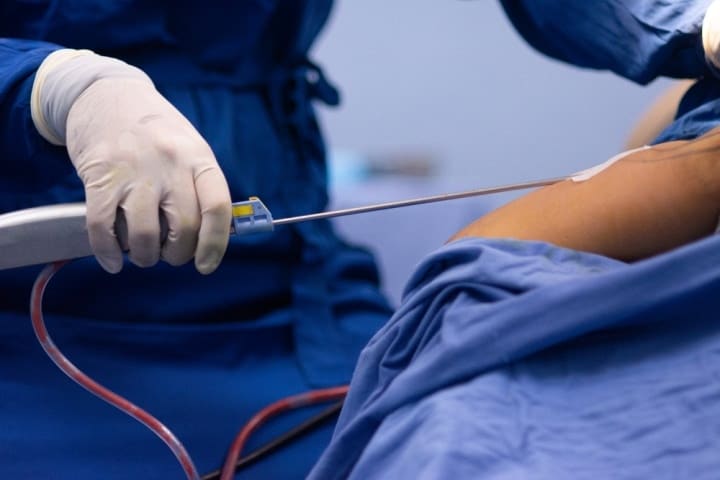
Liposuction is a popular cosmetic procedure. It removes fat from specific areas of the body. Surgeons use various liposuction techniques to achieve this. The most common areas include the abdomen, thighs, and arms. During the liposuction procedure, a thin tube called a cannula is inserted into the skin. This tube helps suction out unwanted fat.
The process typically takes one to three hours, depending on the amount of fat removed. Patients usually undergo this surgery under local or general anesthesia. After the procedure, recovery time varies. Most people can return to normal activities within a week.
Fat Purification
Once the fat is removed, it isn’t discarded. The next step involves purifying the fat for transfer. Surgeons process the fat through a centrifuge or filtration system. This process separates healthy fat cells from blood and other fluids. Purified fat is crucial for successful fat transfer surgeries.
Surgeons then prepare the purified fat for injection into other body parts. Common areas for transfer include the breasts and buttocks. This technique enhances volume and contour in these regions.
Dual Benefit
One of the main advantages of liposuction with fat transfer is its dual benefit. Patients can reduce unwanted fat in one area while enhancing another. For example, someone may choose fat transfer breast augmentation after removing excess fat from their abdomen.
This method provides good liposuction results and natural-looking enhancements. Many patients appreciate having a more contoured body without implants or fillers.
Good Candidates
Not everyone is an ideal candidate for this procedure. Good candidates should be at or near their goal weight. They should also have realistic expectations about what liposuction can achieve.
During a liposuction consultation, surgeons evaluate patients’ health and body type. They discuss potential outcomes and risks involved in the surgery. Ideal candidates often lead healthy lifestyles and are non-smokers.
Full Results Timeline
Patients should understand that full liposuction results take time to appear. Initial swelling may obscure results for several weeks post-surgery. However, most patients notice significant changes within three months.
Stunning liposuction results become more apparent after six months as swelling subsides completely. Maintaining a stable weight helps preserve these results long-term.
Who Is a Good Candidate
Ideal Weight
People considering liposuction with fat transfer should be within 30% of their ideal weight. This guideline helps ensure that the procedure is effective. Candidates who are closer to their target weight often see better results. Maintaining a stable weight before the procedure is important for lasting outcomes.
Stubborn Fat Areas
Candidates typically struggle with stubborn fat pockets that do not respond to diet and exercise. These areas can include the abdomen, thighs, or arms. Many individuals find these pockets frustrating. They may eat healthy and exercise regularly but still notice unwanted fat. Liposuction can help remove this fat effectively.
Health Considerations
Good health is crucial for anyone considering this procedure. Candidates should have no serious medical conditions that could complicate surgery. Conditions like heart disease or diabetes may increase risks during and after the procedure. A thorough medical evaluation is necessary before proceeding.
Non-Smokers Preferred
Non-smokers are often better candidates for liposuction with fat transfer. Smoking increases the risk of complications during recovery. It can affect blood flow and delay healing. Surgeons prefer patients who do not smoke to minimize these risks.
Age Restrictions
Age plays a role in determining candidacy as well. Generally, candidates should be adults, typically 18 years or older. Children and teenagers are not suitable candidates for this type of surgery. Their bodies are still developing, which can affect the results.
Gender Differences
Both men and women can be good candidates for liposuction. However, men may have different fat distribution patterns than women. Understanding these differences helps tailor the procedure to meet each individual’s needs.
Emotional Readiness
Emotional readiness is another key factor when considering liposuction with fat transfer. Candidates should have realistic expectations about the results. Surgery will improve body contours but will not solve underlying self-esteem issues. A supportive mindset is essential for a successful outcome.
Consultation Importance
A detailed consultation with a qualified surgeon is vital for potential candidates. During this meeting, individuals can discuss their goals and concerns. Surgeons will evaluate health history and physical condition at this time. This process ensures that only suitable candidates move forward with surgery.
BMI Requirements
Recommended Range
Candidates for liposuction should have a BMI under 30. This guideline comes from the American Society of Plastic Surgeons. A lower BMI indicates that a person is closer to their ideal body weight. This factor is crucial for successful outcomes.
Individuals with a BMI below 20 or above 40 face higher surgical risks. Those with a low BMI may not have enough fat for effective transfer. Conversely, those with a high BMI may experience complications during surgery. These complications can include longer recovery times and increased chances of infection.
Weight Loss Goals
Liposuction is not suitable for individuals seeking major weight loss solutions. It works best for body contouring and removing stubborn fat deposits. Candidates should be close to their desired weight before considering the procedure.
Many people mistakenly believe that liposuction can help them lose significant pounds. However, it is not a weight-loss method. Instead, it targets specific areas of the body like the abdomen, thighs, and arms.
Ideal Candidates
Ideal candidates have realistic expectations about the procedure’s results. They understand that liposuction will enhance their body shape but not drastically change their weight. Patients should also maintain a healthy lifestyle after surgery to keep results.
Maintaining a stable weight before the procedure is essential. Rapid fluctuations in weight can affect the outcome. Individuals who are planning to lose weight should wait until they reach their goal before considering liposuction.
Health Considerations
Health history plays a vital role in determining candidacy for liposuction. Candidates must be in good overall health without serious medical conditions. Conditions like heart disease or diabetes can increase surgical risks.
Consultation with a qualified plastic surgeon helps assess individual suitability. The surgeon will evaluate health status and discuss any concerns. They will also explain what to expect during and after the procedure.
Target Weight Considerations
Ideal Candidates
Candidates for liposuction should be close to their target weight. This means they should not be significantly overweight. Those who are within 10-20 pounds of their ideal weight often see the best results.
Liposuction is not a solution for obesity. It is designed for those with specific areas of stubborn fat. These individuals usually have pockets of fat that do not respond to diet or exercise. The procedure aims to sculpt the body, not to replace healthy habits.
Stable Weight
Maintaining a stable weight is crucial before and after the procedure. Fluctuating weight can affect the outcome of liposuction. Candidates should aim to keep their weight consistent for several months prior to surgery. This helps ensure that the results will last over time.
After the procedure, it’s equally important to maintain a healthy lifestyle. A balanced diet and regular exercise can help preserve the results achieved through liposuction. Without these efforts, patients may regain fat in other areas of the body.
Realistic Expectations
Candidates must have realistic expectations about what liposuction can achieve. It is important to understand that this procedure does not eliminate the need for a healthy lifestyle. Patients should view liposuction as a tool for body contouring, rather than a way to lose significant weight.
Those considering this option should consult with a qualified professional. They can provide guidelines on target weight and what to expect during recovery. Understanding these factors can lead to better satisfaction with the results.
Height and Weight Factors
Height also plays a role in determining target weight. Different heights suggest different ideal weights. People who are taller may have a higher target weight compared to shorter individuals.
Doctors often use Body Mass Index (BMI) as a guideline for assessing candidates. A BMI between 18.5 and 24.9 is typically considered normal. Those outside this range may need to adjust their weight before considering liposuction.
Fat Removal Volume Limits
Maximum Volume
The maximum safe volume of fat removal during liposuction is 5,000 cc, or 5 liters. This limit is crucial for patient safety. Exceeding this amount can lead to serious complications. The American Society of Plastic Surgeons (ASPS) sets these guidelines to ensure that procedures are performed safely.
Risks of High-Volume Liposuction
Higher volumes of fat removal increase the risk of complications. Patients may experience issues such as infection or fluid imbalance. These risks become significant when removing more than the recommended limits. Complications can also lead to longer recovery times and increased medical costs.
Adhering to Guidelines
Following the ASPS guidelines is essential for patient safety. Surgeons must evaluate each patient’s unique situation. They consider factors like overall health and fat removal goals. A thorough assessment helps determine the appropriate volume for fat removal.
Surgeons also discuss the potential outcomes with patients. Understanding what to expect can reduce anxiety and improve satisfaction with the results. Patients should feel comfortable asking questions about their procedure.
Medical Clearance Necessities
Medical clearance is essential before considering liposuction with fat transfer. This step ensures that the patient is in good health and can handle the procedure’s demands. It assesses overall medical condition and ability to recover post-surgery.
Health Assessment
A thorough health assessment helps identify any potential risks. Certain conditions may disqualify a candidate from surgery. For instance, individuals with asthma could face complications during anesthesia. Diabetes can also hinder healing, making recovery more challenging. High blood pressure increases the risk of surgical complications.
Patients must disclose all medical history to their surgeon. This includes current medications, especially blood thinners. These medications can lead to excessive bleeding during and after surgery. Understanding these factors is crucial for a safe operation.
Lifestyle Factors
Lifestyle choices significantly impact surgical outcomes. Smokers face higher risks compared to non-smokers. They are more likely to experience infections post-surgery. Delayed healing is another concern linked to smoking. Surgeons often recommend quitting smoking weeks before the procedure.
Exercise habits also play a role in recovery. Regular exercise strengthens the body and improves circulation. This can enhance the body’s ability to heal after surgery. Patients should discuss their fitness levels with their doctor.
Time Considerations
The timing of the procedure matters too. Patients need adequate time for recovery before returning to normal activities. Those with demanding schedules might find it hard to take necessary time off work for healing. Planning ahead is vital to ensure that recovery goes smoothly.
Surgeons often provide guidelines on how long recovery may take based on individual health profiles. Following these recommendations can prevent complications and promote better results.
Importance of Skin Elasticity
Role of Skin Elasticity
Good skin elasticity plays a vital role in achieving optimal results from liposuction with fat transfer. Elastic skin can better adapt to changes in body shape after the procedure. When fat is removed and transferred, skin that bounces back helps create smoother contours.
Patients with higher skin elasticity often experience fewer complications. They tend to heal faster and have less noticeable scarring. The skin’s ability to tighten after surgery directly affects the overall appearance. Therefore, assessing skin elasticity is crucial before proceeding with liposuction.
Additional Procedures
For those with sagging skin, additional skin tightening procedures may be necessary. These can enhance the results of liposuction. Options include laser treatments, radiofrequency therapy, or ultrasound therapy. Each method aims to stimulate collagen production in the skin.
Laser treatments use focused light to improve skin texture and firmness. Radiofrequency therapy heats the deeper layers of skin, promoting tightening without surgery. Ultrasound therapy works similarly by delivering energy to stimulate collagen. Patients should consult their surgeons to find the best option for their needs.
Factors Affecting Skin Elasticity
Several factors affect skin elasticity. Age is one of the most significant contributors. As people age, their bodies produce less collagen and elastin. This reduction leads to looser skin over time.
Pregnancy history also impacts skin elasticity. Women may notice changes after childbirth due to stretched skin. Weight fluctuations can further contribute to loss of elasticity as well. Frequent weight gain and loss can stretch the skin beyond its ability to return to its original state.
Lifestyle choices influence skin health too. Smoking and excessive sun exposure can damage collagen fibers, leading to premature aging. A balanced diet rich in vitamins C and E supports skin health.
In summary, understanding the importance of skin elasticity is essential for those considering liposuction with fat transfer. Good elasticity enhances results and reduces risks during recovery. For individuals with sagging skin, exploring additional tightening options can help achieve desired outcomes. Recognizing how age, pregnancy, and lifestyle choices affect elasticity will guide patients in making informed decisions regarding their cosmetic procedures.
Subcutaneous vs. Visceral Fat
Subcutaneous Fat
Subcutaneous fat is the layer of fat located just beneath the skin. This type of fat is often suitable for liposuction procedures. It can be found in various body areas, such as the belly, thighs, and arms. Many people seek liposuction to reduce unwanted fat in these regions.
This fat can also serve a purpose. It provides insulation and cushioning for the body. However, excess subcutaneous fat can lead to dissatisfaction with body image. Liposuction helps remove this excess fat, leading to improved body contours.
Visceral Fat
Visceral fat is different from subcutaneous fat. This type of fat surrounds vital organs like the liver and intestines. It poses more health risks than subcutaneous fat. High levels of visceral fat are linked to serious conditions such as heart disease and diabetes.
Liposuction does not target visceral fat. The procedure cannot safely remove this type of fat due to its location deep within the abdomen. Reducing visceral fat requires lifestyle changes such as diet and exercise. These changes help improve overall health and reduce abdominal fat.
Importance of Targeting Correct Fat Types
Targeting the right type of fat is crucial for safety and effectiveness during liposuction. Removing subcutaneous fat can enhance body shape and boost confidence. However, removing visceral fat is not possible through liposuction alone.
Patients must consult with a qualified surgeon before undergoing liposuction. Surgeons assess body composition to determine if someone is an ideal candidate for the procedure. They evaluate both subcutaneous and visceral fat levels.
Understanding body fat types helps patients make informed decisions about their treatment options. Those with sufficient subcutaneous fat are often better candidates for liposuction with fat transfer techniques. In contrast, individuals with high levels of visceral fat should focus on weight management strategies first.
In summary, knowing the difference between subcutaneous and visceral fat is essential when considering liposuction. The focus should always be on safe practices that yield effective results. Patients should prioritize their health by addressing unwanted body fat through appropriate methods.
Timing for the Procedure
Stable Weight
Surgeons recommend undergoing liposuction with fat transfer when patients are at a stable and healthy weight. This ensures that the results of the cosmetic procedure last longer. If a patient is significantly overweight or underweight, it can affect the outcome. The ideal candidates typically have a body mass index (BMI) within a normal range.
Weight stability is crucial because fluctuations can lead to complications. Gaining or losing a significant amount of weight after the procedure may alter the results. Patients should aim to maintain their weight for at least six months before considering surgery.
Avoid Fluctuations
Scheduling the procedure during periods of significant weight fluctuation is not advisable. Rapid changes in body weight can impact how fat is distributed in the body. This distribution affects both the areas targeted for liposuction and the areas receiving fat transfer.
Surgeons often ask patients about their recent weight history during consultations. They want to ensure that patients understand the importance of maintaining their current weight. For example, someone who has lost a lot of weight recently may experience different results than someone whose weight has been stable.
Recovery Considerations
Patients should also consider their personal and professional commitments when planning for recovery time. Liposuction with fat transfer requires time off for proper healing. Most surgeons suggest taking at least one to two weeks off work, depending on the extent of the surgery.
The recovery period can vary from person to person. Some may experience swelling and bruising, which can take weeks to resolve fully. Planning ahead helps ensure a smoother recovery process. Patients should avoid scheduling important events or travel shortly after the procedure.
Pregnancy Impact
Pregnancies can significantly affect results from liposuction and fat transfer. Surgeons advise against undergoing these procedures if a patient plans to become pregnant soon after. Pregnancy can lead to weight gain and changes in body shape, impacting the areas treated during surgery.
Patients should discuss future pregnancy plans during their consultation with surgeons. Understanding how pregnancy might affect results helps patients make informed decisions about timing.
Consultation Importance
Consultation plays a vital role in determining the right timing for surgery. Surgeons evaluate each patient’s unique situation during this meeting. They assess health status, weight stability, and personal goals.
A thorough discussion about expectations and potential risks is essential. This conversation allows patients to ask questions and express concerns about their specific situations.
Final Remarks
Liposuction with fat transfer can be a game-changer for your body goals. Understanding who qualifies is crucial. Ideal candidates typically have a stable weight, good skin elasticity, and meet specific health criteria. Knowing these factors helps you make informed decisions.
If you’re considering this procedure, take the next step. Consult with a qualified professional to assess your unique situation. They can guide you through the process and answer any questions. Your journey to a more sculpted figure starts now. Don’t wait—explore your options today!
Frequently Asked Questions
Who is an ideal candidate for liposuction with fat transfer?
An ideal candidate is someone close to their target weight, in good health, and has realistic expectations. They should have localized fat deposits and sufficient skin elasticity.
What are the BMI requirements for this procedure?
Candidates typically should have a BMI under 30. However, individual assessments may vary, so consult with a qualified surgeon for personalized advice.
Are there any volume limits for fat removal?
Yes, most surgeons recommend removing no more than 5 liters of fat during a single session to ensure safety and optimal results.
Do candidates need medical clearance before the procedure?
Yes, medical clearance is necessary to assess overall health and identify potential risks. This step ensures a safe surgical experience.
How does skin elasticity affect candidacy?
Good skin elasticity helps achieve smoother, more natural results post-surgery. Candidates with loose skin may require additional procedures for optimal outcomes.
What’s the difference between subcutaneous and visceral fat?
Subcutaneous fat lies just beneath the skin and is ideal for liposuction. Visceral fat surrounds internal organs and is not suitable for this procedure.
When is the best time to schedule the procedure?
The best time depends on individual circumstances. Consult your surgeon to determine an appropriate timeframe based on your health and recovery goals.