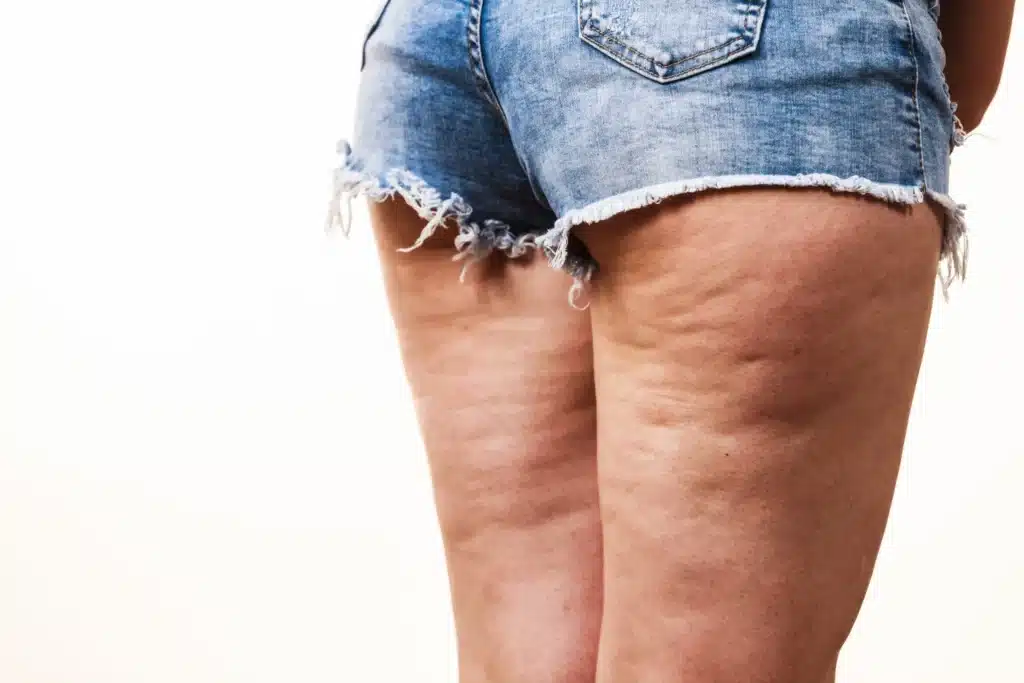
Cellulite reduction for busy professionals is more than just a trend; it’s a necessity. Juggling work, family, and personal time often leaves little room for self-care. Many professionals, including men, struggle with stubborn cellulite due to stress and lack of exercise, which can surge in various types. Finding effective solutions can feel overwhelming.
This guide offers practical tips tailored for those with tight schedules. You’ll discover quick workouts for men, dietary tweaks, and easy skincare routines that fit seamlessly into your day, covering different types. Say goodbye to feeling self-conscious and hello to smoother skin. Embrace these strategies to boost your confidence and reclaim your time.
Key Takeaways
- Understand that cellulite affects many, and knowing its causes can help you manage expectations and choose the right treatment options.
- Recognize that lifestyle factors, such as diet and exercise, play a significant role in the appearance of cellulite; small changes can lead to noticeable improvements.
- Explore non-surgical treatments like Acoustic Wave Therapy, which can be effective with minimal downtime, making them suitable for busy professionals.
- Consider scheduling treatments during low-stress periods to ensure you can follow through with recovery tips for optimal results.
- Stay informed about the latest advancements in cellulite reduction to find the best solutions tailored to your busy lifestyle.
- Remember that consistency is key; regular treatments combined with healthy habits will yield the best long-term results.
Understanding Cellulite and Causes
Fibrous Connective Cords
Fibrous connective cords play a significant role in cellulite formation, types that affect men. These cords connect the skin to the underlying muscle. They create pockets where fat cells can push through. This results in the dimples seen on the skin’s surface. As fat cells increase in size, they push against the skin. The tension from these cords pulls down, leading to a bumpy appearance.
Hormonal Factors
Hormones contribute greatly to cellulite development. Estrogen, a key hormone in women, affects blood flow and fat storage. It can also influence how fat is distributed under the skin. Changes in estrogen levels, especially during puberty or pregnancy, can increase cellulite visibility. Other hormones like insulin and cortisol also play roles. Insulin helps store fat in men while cortisol increases fat production during stress in types of situations.
Genetic Influences
Genetics impact how likely someone, including men, is to develop noticeable cellulite types. Family history can determine skin structure, fat distribution, and metabolic rate. If family members have pronounced cellulite, it’s more likely that others will too. Certain genes may affect collagen production and skin elasticity as well.
Gender Differences
Cellulite is more common in women than men. About 80-90% of women experience some form of visible cellulite after puberty. This difference arises from hormonal influences and body composition variations. Women typically have a higher percentage of body fat than men. The way fat is stored also varies by gender. In women, fat tends to be stored in areas like thighs and hips. This contributes to the appearance of cellulite dimples.
Age Factor
As people age, skin loses elasticity and collagen decreases. This makes cellulite more noticeable over time. Older skin cannot hide the bumps created by enlarged fat cells as effectively as younger skin can. Loss of muscle tone also plays a role in this process.
Lifestyle Impact
Lifestyle choices can affect cellulite severity too. Poor diet, lack of exercise, and smoking can worsen its appearance. Maintaining a healthy weight may help reduce visible cellulite but won’t eliminate it completely. Regular exercise strengthens muscles under the skin and improves overall circulation.
Treatment Options
Various cellulite treatments exist for those looking for solutions. Mechanical treatments like massage or laser therapy can help smooth out the skin’s surface. Creams claiming to reduce cellulite often contain caffeine or retinol but show limited results.
Symptoms and Affected Areas
Appearance
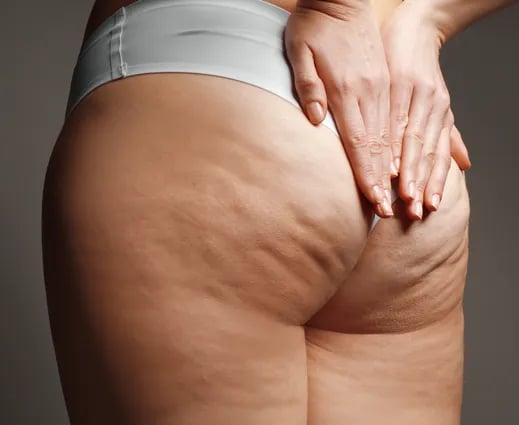
Cellulite is a harmless skin condition characterized by a dimpled or bumpy appearance. It resembles cottage cheese or orange peel. This texture occurs due to fat deposits pushing through the connective tissue beneath the skin. The result is a lumpy surface that can be noticeable, especially when the skin is pinched or flexed.
Common Areas
The most common areas affected by cellulite include the thighs, buttocks, and hips. These regions often show the characteristic dimpling. Upper arms can also develop this issue, particularly in women. Fat distribution plays a role in these areas. Genetics, hormones, and lifestyle choices contribute to where cellulite appears on the body.
Grading System
A grading system helps assess the severity of cellulite. This system ranges from Grade 0 to Grade 3.
- Grade 0: No visible signs of cellulite are present.
- Grade 1: Cellulite becomes noticeable only when pinching the skin.
- Grade 2: Dimpling appears when standing but not while lying down.
- Grade 3: Severe dimpling occurs both standing and lying down.
Understanding these stages aids in recognizing how cellulite progresses over time.
Lifestyle and Hormonal Influences
Inactive Lifestyle
An inactive lifestyle can worsen the appearance of cellulite. People who sit for long periods often experience reduced blood flow. This limits nutrient delivery to skin cells. As a result, skin elasticity decreases over time.
Weight fluctuations also play a significant role. Gaining and losing weight can stretch skin and affect fat distribution. Fat shifting under the skin can create uneven textures. This is especially true for busy professionals with limited time for exercise.
Aging Factors
Aging affects muscle tone and skin condition. As people get older, their collagen production declines. Collagen is vital for maintaining skin firmness. Loss of muscle tone can make cellulite more visible.
With age, skin loses its natural elasticity. This makes the dimpling effect of cellulite stand out more. For many, genetics also influence how noticeable cellulite becomes with age.
Hormonal Changes
Hormonal factors significantly impact cellulite formation. Pregnancy brings about many hormonal changes that can increase fat storage. These changes often lead to a rise in body fat percentage, especially in women.
Hormones like estrogen can affect fat distribution in the body. Increased estrogen levels during pregnancy may promote fat accumulation in certain areas. This can lead to more pronounced cellulite.
Stress can also alter hormone levels, leading to tension in the body. Increased cortisol, a stress hormone, may contribute to fat retention. This adds to the cosmetic concern of cellulite.
Group Dynamics
Certain groups are more prone to cellulite due to lifestyle choices and genetic factors. Busy professionals often prioritize work over health, leading to unhealthy habits. Poor diet and lack of exercise are common among these individuals.
People with higher body fat percentages typically see more visible cellulite. Genetics also plays a role; some individuals are simply predisposed to have more noticeable dimples on their skin.
The Rise of Non-Surgical Treatments
Increased Demand
Busy professionals in Beverly Hills seek non-invasive beauty solutions. They want quick results without the downtime that comes with surgery. This demand has led to a surge in popularity for treatments like laser therapy and subcision. Many individuals want to improve their appearance while maintaining their hectic schedules.
Technological Advancements
Technological advancements have transformed the landscape of cellulite reduction. Laser treatment now uses laser energy to target fat cells directly. This technique is more precise than older methods. It minimizes damage to surrounding tissues, leading to faster recovery times.
New devices utilize advanced cooling systems. These systems protect the skin during treatment. Patients experience less discomfort and fewer side effects. Improved skin elasticity is another benefit of these modern techniques. Many clients notice smoother skin after just a few sessions.
Reduced Risks
Non-surgical options carry fewer risks compared to traditional surgical methods. Surgical procedures often involve significant complications, such as infections or scarring. In contrast, non-invasive treatments typically have minimal side effects.
Laser treatments and subcision both offer safer alternatives. These methods do not require general anesthesia, reducing potential health risks. Patients can return to their daily activities almost immediately after treatment.
Breakthrough Techniques
Breakthrough techniques in cellulite reduction have made these options even more appealing. For instance, subcision involves using a needle to break up fibrous bands under the skin. This process allows fat cells to redistribute more evenly, improving overall appearance.
Many clinics now offer combination therapies. These include laser treatment alongside subcision for enhanced results. This approach addresses multiple layers of cellulite effectively.
Help from Professionals
Professionals play a crucial role in ensuring successful outcomes. Trained specialists assess each patient’s needs before recommending treatments. They consider factors like skin type and severity of cellulite.
With their expertise, patients receive personalized care plans. These plans maximize effectiveness while minimizing risks.
Popular Non-Surgical Options
Celluraze™
Beverly Hills Celluraze™ stands out as a leading non-surgical treatment for cellulite reduction. This method uses a laser to break down the fibrous bands that cause cellulite. It targets the underlying structure of the skin, making it effective for various stages of cellulite development.
Celluraze™ offers several benefits. Improved skin texture is one of the most notable advantages. Patients often notice smoother skin after treatment. Elasticity also improves, giving the skin a firmer appearance. This treatment option not only addresses the visible signs of cellulite but also enhances overall skin quality.
Versatile Treatment
The versatility of Celluraze™ makes it suitable for many women. Whether dealing with mild or severe cellulite, this solution can adapt to different levels of severity. It works on various body parts, including thighs and buttocks. The ability to customize treatments ensures that patients receive care tailored to their specific needs.
This method is less invasive than traditional surgery. With minimal downtime, busy professionals can fit it into their schedules easily. Many patients return to normal activities shortly after treatment. This convenience appeals to those who cannot afford long recovery periods.
Energy-Based Methods
Other energy-based methods are available for cellulite reduction. Techniques like radiofrequency and ultrasound also target fat cells and tighten skin. These options use energy to heat the tissues, promoting collagen production. Increased collagen helps improve skin elasticity and reduces the appearance of cellulite.
These methods vary in effectiveness and recovery time. Some require multiple sessions for optimal results. Patients should consult with professionals to determine which option suits them best.
Fat Injection
Fat injection is another innovative treatment option. In this method, fat is harvested from one area of the body and injected into areas with cellulite. This approach not only reduces the appearance of cellulite but also adds volume where needed.
Fat injection provides a natural look since it uses the patient’s own fat. However, results may vary based on individual factors such as metabolism and lifestyle choices.
Consult Professionals
Consulting with a qualified professional is crucial before choosing any treatment option. They can help evaluate individual conditions and recommend appropriate solutions. Understanding all available options empowers busy professionals to make informed decisions about their body.
Acoustic Wave Therapy Benefits
Skin Elasticity
Acoustic wave therapy uses sound waves to improve skin elasticity. This technology stimulates collagen production in the skin. Increased collagen leads to firmer and more resilient skin. As a result, it can help reduce the appearance of cellulite over time.
Studies show that patients often see noticeable improvements after several sessions. The treatment promotes better blood circulation as well. Improved circulation helps nourish the skin and enhances its overall appearance.
Breaking Down Fibrous Bands
The process of acoustic wave therapy involves breaking down fibrous bands beneath the skin. These bands pull down on the skin, creating the dimpled look commonly associated with cellulite. Sound waves penetrate deep into the tissue, targeting these bands effectively.
By disrupting these fibrous structures, the therapy reduces their visibility. Patients may notice smoother skin texture after treatment. This method works well for busy professionals who seek quick results without surgery.
Non-Invasive Treatment
Acoustic wave therapy is a non-invasive treatment option. There are no needles or incisions involved. This makes it appealing for those with tight schedules. Minimal downtime is another advantage of this procedure.
Most people can return to their daily activities immediately after treatment. Sessions typically last about 30 minutes, fitting easily into a lunch break or busy day. This convenience aligns perfectly with the needs of professionals.
Long-Lasting Results
Results from acoustic wave therapy can last for months. Regular maintenance sessions can extend these benefits further. Many patients combine this therapy with other treatments for enhanced effects.
Patients often report feeling more confident in their skin after undergoing this treatment. This boost in self-esteem can positively impact both personal and professional life.
Safety and Comfort
Safety is a priority in acoustic wave therapy. The procedure is generally considered safe for most individuals. Side effects are minimal and usually temporary.
Patients may feel slight discomfort during treatments, but it is often tolerable. Most describe the sensation as similar to a gentle massage. The comfort level makes it an attractive option for those hesitant about more invasive procedures.
How Non-Surgical Treatments Work
Mechanisms of Fat Reduction
Non-surgical treatments effectively reduce fat and tighten skin. These procedures often use radiofrequency or ultrasound technology. They target specific areas where cellulite forms. The energy penetrates the skin layers, heating the fat cells. This process leads to fat cell destruction without harming surrounding tissues.
Fat breakdown occurs through a process called lipolysis. During lipolysis, stored fat is released into the bloodstream. The body then metabolizes this fat naturally. Many professionals prefer these methods due to their convenience and effectiveness.
Stimulating Collagen Production
Collagen plays a crucial role in maintaining skin elasticity. Non-surgical treatments stimulate collagen production through controlled heating. Increased temperature encourages the body to produce more collagen fibers.
As collagen builds up, skin appears smoother and firmer. This effect can last for several months after treatment. Regular sessions may enhance results even further. Many busy professionals appreciate that these treatments require minimal downtime.
Targeted Energy Waves
Targeted energy waves are vital in breaking down cellulite structures. These waves disrupt the fibrous bands that pull down on the skin’s surface. By doing so, they help release trapped fat and fluids.
Ultrasound and radiofrequency devices deliver focused energy to problem areas. This action helps improve blood circulation as well. Enhanced circulation aids in lymphatic drainage, which reduces swelling and puffiness.
The combination of these effects leads to a noticeable reduction in the appearance of cellulite. Patients often report feeling more confident after treatment.
Benefits for Busy Professionals
Busy professionals benefit greatly from non-surgical treatments. These procedures fit easily into tight schedules. Most sessions last about 30 to 60 minutes, making them convenient for lunch breaks or after work.
The lack of recovery time is another advantage. Individuals can return to their daily activities immediately after treatment. Non-surgical options also offer flexibility in scheduling follow-up appointments.
Many professionals find these treatments effective in achieving their body goals without invasive surgery.
What to Expect During Treatment
Treatment Sessions
Non-surgical cellulite treatments typically last between 30 to 90 minutes. The exact duration depends on the area being treated and the specific technique used. Most patients undergo multiple treatment sessions for optimal results. A common recommendation is about six to eight sessions spaced one week apart.
Each session involves several steps. First, a consultation takes place to discuss goals and expectations. Next, the area is prepared, often with a cleansing solution. Then, the technician applies the treatment device directly to the skin. This device may use methods like radiofrequency or ultrasound to target fat cells.
Sensations During Procedure
Patients should prepare for mild discomfort during the procedure. Some report feelings similar to a hot stone massage or light tingling sensations. These feelings are generally temporary and subside shortly after the session ends. Awareness of these sensations can help set realistic expectations for those new to these treatments.
Most importantly, technicians ensure patient comfort throughout the process. They often adjust settings based on feedback. This personalized approach helps minimize any discomfort experienced during treatment.
Recovery Time
Recovery time for non-surgical cellulite treatments is minimal. Patients can usually resume their daily activities immediately after each session. There is no significant downtime involved. Many professionals appreciate this aspect since their busy schedules remain unaffected.
e may experience slight redness or swelling in treated areas, but this typically resolves within hours. Light exercise is encouraged soon after treatment, as it can enhance results. Regular physical activity combined with these treatments can lead to noticeable results over time.
Real Results Over Time
Expect to see gradual improvements in the appearance of cellulite following the treatment series. Many individuals notice changes within a few weeks, with full results appearing around three to six months post-treatment. Consistency in attending sessions plays a crucial role in achieving desired outcomes.
Patients often share their satisfaction with the real results they achieve through these treatments. Visible changes contribute to increased confidence and body positivity, especially among busy professionals who juggle various responsibilities.
Quick Recovery Tips for Professionals
Hydration Importance
Maintaining hydration is crucial for recovery. Drinking enough water helps flush toxins from the body. It also keeps the skin healthy and may improve the appearance of cellulite. Aim for at least eight glasses of water daily. This simple habit can boost your skin’s elasticity and overall health.
A balanced diet plays a significant role too. Eating fruits and vegetables provides essential vitamins and minerals. Foods rich in antioxidants, like berries, can help combat inflammation. Lean proteins support muscle repair. Whole grains provide sustained energy throughout your busy day.
Light Exercise Benefits
Light exercise enhances circulation, which is vital after treatment. Activities like walking or stretching can improve blood flow to affected areas. This increased circulation helps deliver nutrients needed for recovery. Aim for at least 30 minutes of light activity most days.
Yoga or Pilates are excellent options for busy professionals. These exercises promote flexibility and relaxation. They can also reduce stress, which aids in recovery. Consider taking short breaks during work hours to move around. Even a few minutes of stretching can make a difference.
Scheduling Treatments Wisely
Scheduling treatments during less busy periods is essential. Choosing a time when work stress is lower allows for better focus on recovery. Avoiding back-to-back meetings or deadlines can help you relax post-treatment.
Plan appointments on Fridays or before holidays if possible. This timing gives you the weekend to recuperate without rushing back to work. Use this time to rest and hydrate properly.
Consistency is Key
Consistency in following these tips will yield better results over time. Regular hydration, exercise, and mindful scheduling create a solid foundation for recovery. As a busy professional, small changes can lead to significant improvements in your skin’s appearance.
Consider tracking your hydration and exercise habits with an app or journal. Keeping a record helps maintain accountability and encourages progress.
Real-Life Example
Many professionals have seen success by following these tips. For instance, a marketing manager scheduled her cellulite treatments every six weeks during quieter times at work. She drank more water and started taking short walks during lunch breaks. Over time, she noticed smoother skin and felt more energized throughout her day.
Final Remarks
Cellulite can be a frustrating issue, especially for busy professionals. Understanding its causes and symptoms is crucial for effective treatment. Non-surgical options, like acoustic wave therapy, offer quick solutions that fit into your hectic schedule. These treatments are designed to minimize downtime, allowing you to get back to your routine without skipping a beat.
If you’re ready to tackle cellulite head-on, consider exploring these innovative treatments. They blend seamlessly into your lifestyle while delivering noticeable results. Take the first step towards smoother skin and boosted confidence today. Your journey to feeling great in your own skin starts now!
Frequently Asked Questions
What is cellulite?
Cellulite is a common skin condition characterized by dimpled or lumpy skin, often seen on thighs, hips, and buttocks. It occurs when fat deposits push through the connective tissue beneath the skin.
Who is most affected by cellulite?
While anyone can develop cellulite, it predominantly affects women due to hormonal factors and differences in fat distribution. Genetics and age also play significant roles.
How do lifestyle choices impact cellulite?
Diet, exercise, and hydration significantly influence the appearance of cellulite. A balanced diet and regular physical activity can help reduce its visibility.
Are non-surgical treatments effective for cellulite reduction?
Yes, many non-surgical treatments have shown effectiveness in reducing the appearance of cellulite. Options like acoustic wave therapy can improve skin texture and firmness.
How long does a non-surgical treatment session take?
Most non-surgical treatments last between 30 to 90 minutes, making them convenient for busy professionals. Sessions can often fit into a lunch break or after work.
Is there any downtime after treatment?
Typically, there is minimal to no downtime with non-surgical treatments. Most individuals can return to their daily activities immediately after the procedure.
How soon will I see results from treatment?
Results may vary, but many people notice improvements within a few weeks of their first session. Optimal results usually appear after multiple sessions.