
Nearly 1 in 3 cancer survivors consider cosmetic surgery after treatment. This decision can be life-changing, helping individuals reclaim their confidence and sense of self through reconstructive care and cosmetic plastic surgeries, especially during their cancer recovery journey for a better cosmetic outcome. Cosmetic surgery after cancer treatment offers a path to restore not just appearance but also emotional well-being.
Survivors often face physical changes that impact their daily lives. Procedures like breast reconstruction or skin grafts can make a significant difference. Understanding the options available is crucial for making informed choices. This post explores the benefits, types of surgeries, and what to expect during recovery. Join us as we dive into how plastic cosmetic surgery can empower cancer survivors on their journey to healing and renewal.
Key Takeaways
- Cosmetic surgery can significantly improve the quality of life for cancer survivors by restoring physical appearance and enhancing self-esteem.
- Reconstructive surgery offers various options, including breast, facial, and skin procedures, tailored to individual needs after cancer treatment.
- It is crucial to discuss all available reconstructive options with your healthcare provider to find the best fit for your situation.
- Emotional and psychological support is essential during recovery; consider joining support groups or seeking counseling to cope with changes.
- Stay informed about advanced methods and innovations in cosmetic surgery that can provide better outcomes and shorter recovery times.
- Always prioritize your health by consulting with experienced professionals who specialize in post-cancer reconstructive surgeries.
Understanding Cosmetic Surgery After Cancer
Definition
Cosmetic surgery serves as a vital tool for physical restoration after cancer treatment. It helps patients regain their appearance and confidence. Many individuals face changes in their bodies due to cancer surgeries performed by a plastic surgery team at a plastic surgery center. These can include skin cancer removal or breast surgeries. Cosmetic procedures can help address these changes.
Aesthetic and Functional Benefits
Cosmetic surgeries address both aesthetic and functional impairments. Patients may experience physical limitations after cancer treatments. For instance, the plastic surgery team may struggle with mobility or discomfort from surgical scars at the plastic surgery center. Procedures like reconstructive surgery can improve function and appearance. This dual benefit enhances the overall quality of life.
Personalized Approaches
Personalized approaches are crucial in cosmetic surgery after cancer treatment. Each patient’s journey is unique, influenced by their specific cancer experiences and the support of a plastic surgery team at the plastic surgery center. Factors such as type of cancer, treatment methods, and individual recovery impact decisions. A plastic surgeon will assess these factors before suggesting procedures.
The plastic surgery team often collaborates closely with cancer surgeons. This teamwork at the plastic surgery center ensures a comprehensive understanding of the patient’s needs. They discuss options like breast reconstruction, facial reconstruction, or skin grafts based on individual cases.
Emotional Considerations
Emotional well-being plays a significant role in recovery. The psychological effects of cancer can linger long after treatment ends. Many patients feel self-conscious about their appearance post-surgery. Cosmetic surgery can provide a sense of normalcy and boost self-esteem. By restoring physical appearance, it helps patients move forward in their lives.
Common Procedures
Several common procedures follow cancer treatment:
- Breast reconstruction
- Facial reconstruction
- Skin grafts
- Scar revision
These options allow patients to choose what suits them best.
Timing of Surgery
Timing is essential when considering cosmetic surgery after cancer treatment. Surgeons typically recommend waiting until the body heals fully from initial treatments. This period allows for a better assessment of the final results. Patients should discuss timelines with their healthcare providers.
Support Systems
Support systems also play an important role in this process. Friends and family can provide emotional backing during recovery. Joining support groups can help patients share experiences and gain insights into others’ journeys.
Benefits of Reconstructive Surgery
Physical Enhancement
Reconstructive surgery focuses on restoring physical appearance after cancer treatment. Many patients face changes in their bodies due to surgeries or treatments like mastectomies. These changes can lead to feelings of discomfort and dissatisfaction with one’s appearance.
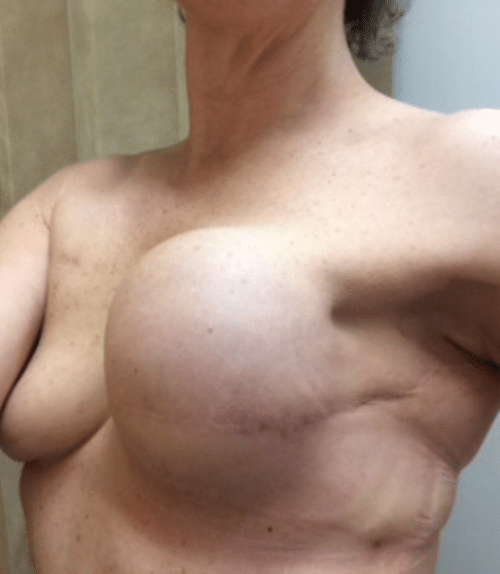
Reconstructive surgeries help restore symmetry and natural form. For instance, breast reconstruction can create a more balanced silhouette for women post-mastectomy. This procedure can significantly enhance the physical appearance of patients, leading to greater satisfaction with their bodies.
Psychological Benefits
The impact of reconstructive surgery extends beyond the physical. Many individuals experience a boost in self-esteem after undergoing these procedures. A study published in the Journal of Clinical Oncology shows that patients report higher levels of confidence and improved body image following reconstructive care.
Feeling good about one’s appearance is crucial for emotional health. After facing cancer, many individuals feel a loss of control over their bodies. Reconstructive surgeons help regain this sense of control through personalized surgical plans. Patients often find themselves feeling more like their former selves after these surgeries.
Overall Recovery Process
Reconstructive surgery plays a vital role in the overall recovery process after cancer treatment. It not only addresses physical changes but also aids emotional healing. Patients often find that the restoration of their appearance helps them move forward in life.
Engaging in a reconstructive oncology program offers comprehensive support. Such programs provide access to specialized reconstructive plastic surgeons who understand the unique needs of cancer survivors. This tailored approach ensures that patients receive optimal care throughout their journey.
Research indicates that patients who undergo reconstructive procedures often report lower levels of anxiety and depression. This improvement can be attributed to both physical enhancement and psychological support provided by healthcare teams.
Long-term Impact
The benefits of reconstructive surgery can last well beyond the initial recovery phase. Many patients continue to enjoy improved quality of life years after their procedures. The ability to engage in activities without feeling self-conscious is invaluable.
In summary, reconstructive surgery offers significant benefits for those recovering from cancer treatment. It enhances physical appearance, boosts psychological well-being, and supports overall recovery. Through specialized care, patients find renewed confidence and hope for the future.
Types of Reconstructive Procedures
Scar Revision
Scar revision is a common reconstructive procedure. It helps improve the appearance of scars left after cancer treatment. Surgeons often perform this surgery to flatten or reduce the size of scars. Techniques vary based on the scar’s location and type. Patients may see significant improvements in how their scars look and feel.
This procedure can be done using local anesthesia. Surgeons may use different methods like excision, laser therapy, or dermabrasion. Each method aims to enhance the skin’s texture and tone. The goal is to restore confidence in those who have undergone cancer treatments.
Tissue Transfer Techniques
Tissue transfer techniques are vital for extensive reconstruction. These procedures involve moving tissue from one part of the body to another. This method is helpful when large areas need reconstruction after surgery.
Surgeons might use skin grafts to cover wounds. Skin grafts involve taking healthy skin from another area and placing it over the damaged site. This helps promote healing and improve appearance.
Microvascular free tissue transfer is another advanced technique. This method involves transferring tissue along with its blood supply. Surgeons connect blood vessels to ensure the transplanted tissue survives. This approach is particularly useful for reconstructing complex areas, such as the face or breast.
Bone Graft
Bone grafting is essential for restoring function after bone cancer surgeries. This procedure involves transplanting bone tissue to repair or rebuild bones affected by cancer. Surgeons can use bone from the patient’s body or donor sources.
Bone grafts help maintain structural integrity in areas where bones were removed. They support healing and encourage new bone growth over time. This process can significantly impact a patient’s recovery and mobility.
Tendon Transfer
Tendon transfer is another important procedure for restoring function. After cancer treatment, some patients may lose muscle or tendon function. Surgeons can relocate tendons from other parts of the body to restore movement.
This procedure requires careful planning and skill. Surgeons assess which tendons can be moved without affecting overall function. Successful tendon transfers can lead to improved strength and mobility for patients.
Breast Reconstruction Options
Implant Reconstruction
Breast reconstruction after a mastectomy often involves implant reconstruction. This method uses silicone or saline implants to restore breast shape. The procedure can take place immediately after surgery or later on.
Surgeons insert the implant under the chest muscle. They may use a tissue expander first. This device gradually stretches the skin and muscle over time. Patients usually wait several months before finalizing the reconstruction with the actual implant.
Many women prefer this option for its shorter recovery time. However, some may experience complications such as infection or implant leakage. Regular follow-ups are essential to monitor the implants.
Autologous Tissue Reconstruction
Another option is autologous tissue reconstruction. This technique uses tissue from another part of the body, like the abdomen or back. Surgeons move this tissue to create a new breast mound.
This method can provide a more natural feel since it uses the patient’s own tissue. It also avoids potential issues with implants. Recovery may take longer because of two surgical sites.
e patients choose this option for its long-lasting results. However, it requires more extensive surgery and may leave scars in donor areas.
Nipple and Areola Reconstruction
After breast reconstruction, many women consider nipple and areola reconstruction. This step can enhance the overall appearance of the reconstructed breast.
Surgeons can create a new nipple using local tissue or tattooing techniques for color matching. This process often occurs six months to a year after the initial reconstruction.
The goal is to achieve a natural look that aligns with the patient’s preferences. Many women find that having a reconstructed nipple improves their self-esteem and body image.
Considerations for Symmetry
Symmetry plays an important role in breast reconstruction options. Patients often desire balanced breasts after surgery. Surgeons assess each case individually to determine the best approach.
e women may need additional procedures on the opposite breast for symmetry. This might include lifting or reducing the other breast to match size and shape.
Patient preferences also guide decisions about breast reconstruction methods. Each woman has unique needs and desires based on her body type and lifestyle. Discussions with surgeons help clarify these choices.
Facial and Skull Reconstruction
Reconstruction Procedures
Reconstructing facial features after cancer treatment is crucial for many patients. Surgery often removes tumors, which can leave significant scarring or changes in appearance. Plastic surgeons specialize in these reconstruction procedures. They work to restore the natural look of the face. Techniques may involve skin grafts or flaps, where tissue is moved from one area to another.
Flap surgery is common. Surgeons can take tissue from nearby areas and attach it to the affected site. This method helps maintain blood flow and ensures better healing. The recovery process varies but can take several weeks. Patients may need multiple surgeries over the years for optimal results.
Bone Grafts and Implants
Skull reconstruction often requires bone grafts or implants. When cancer affects the skull, removing tumor-affected bone is sometimes necessary. Surgeons then use grafts from other parts of the body or synthetic materials to rebuild the structure.
Bone grafts are essential for restoring strength and stability. They help support the surrounding tissue as it heals. Metal plates and screws may also be used to secure these grafts in place. Over time, these materials integrate with the existing bone.
Advancements in Technology
Recent advancements have changed how surgeons approach facial and skull reconstruction. 3D modeling technology allows for precise planning before surgery. Doctors can create customized implants tailored to each patient’s needs.
Using 3D scans, surgeons design models that reflect the patient’s unique anatomy. This process improves accuracy during procedures and enhances overall outcomes. Custom implants fit better and reduce complications, leading to shorter recovery times.
Patients benefit greatly from these innovations. Improved techniques lead to more natural appearances post-surgery. Many report increased confidence after their procedures.
Skin Reconstruction Techniques
Skin Grafts
Skin grafts are common in reconstructive surgery after cancer treatment. They involve taking healthy skin from one area and placing it over a wound site. This technique helps cover areas where skin has been surgically removed. Surgeons can use either split-thickness grafts or full-thickness grafts based on the needs of the patient.
Split-thickness grafts include the epidermis and part of the dermis. These are often used for larger wounds. Full-thickness grafts contain all layers of skin. They provide better cosmetic results but require more careful donor site management.
Skin Flaps
Local flap techniques also play a vital role in skin reconstruction. These involve moving healthy skin along with its blood supply to cover a wound. Flaps can be rotated, advanced, or transposed to fit the wound’s shape.
Surgeons prefer flaps when they need to ensure adequate blood flow to the area. Maintaining blood supply is crucial for healing and preventing tissue death. The success rate for flap surgeries is generally high, making them popular among reconstructive surgeons.
Dermal Regeneration Templates
Innovative methods like dermal regeneration templates have changed complex reconstructions. These templates consist of synthetic materials that mimic natural skin structures. They promote healing by guiding new tissue growth.
Using these templates can significantly improve outcomes for patients with extensive wounds or scars. They allow the body to regenerate healthy skin over time, reducing the appearance of concave scars. Patients often report feeling more confident after using these techniques.
Free Tissue Transfer
Free tissue transfer is another advanced method in skin reconstruction. This technique involves removing tissue from one part of the body and reattaching it to another area, complete with blood vessels.
Surgeons connect these vessels to restore blood flow. This method is particularly useful for larger defects left after cancer surgeries. It allows for greater flexibility in reconstructing areas that need coverage.
Scar Revision
Scar revision is essential for improving the appearance of surgical scars after cancer treatment. Techniques vary from simple excisions to advanced laser treatments. Each approach aims to minimize visible scars while promoting healing.
Patients often seek scar revision surgeries for emotional reasons as well as physical ones. Improving the appearance of scars can enhance self-esteem and quality of life.
Emotional and Psychological Support
Counseling Importance
Patients often face emotional challenges after cancer treatment. These challenges can be intensified during the reconstructive process. Counseling provides a safe space for patients to express their feelings. It helps them navigate the complex emotions linked to body image changes. Support groups also play a vital role. They connect patients with others who share similar experiences. This connection fosters understanding and reduces feelings of isolation.
Mental Health Professionals
Mental health professionals are crucial in this journey. They help address body image issues that may arise after surgery. Many patients feel a sense of loss related to their appearance. Therapists can guide them through these emotions. They offer coping strategies and tools to improve self-esteem. Regular sessions can help patients regain confidence in their bodies.
Open Communication
Open communication between patients and healthcare providers is essential. Patients should feel comfortable discussing their emotional needs. This dialogue can lead to better care and support tailored to individual situations. Healthcare providers must recognize the psychological impact of cosmetic surgery after cancer treatment. By addressing these concerns, they can create a more supportive environment.
Resources Available
Various resources are available for emotional support. Many hospitals offer counseling services specifically for cancer survivors. Online forums and local support groups provide additional options for connection. Patients should explore these resources to find what works best for them.
- Support Groups: Local and online meetings.
- Therapy Options: Individual or group therapy sessions.
- Educational Workshops: Learning about body image and self-acceptance.
Building Resilience
Resilience is critical during this time. Patients can develop strength by sharing their stories and experiences with others. Engaging in activities that promote well-being, such as yoga or meditation, can also help.
Importance in Recovery Process
Reconstructive Surgery
Reconstructive surgery plays a vital role in the recovery process after cancer treatment. It is not just about physical appearance; it significantly impacts emotional healing. Many survivors feel more confident and whole after undergoing reconstruction. This surgery can restore lost body parts or reshape areas affected by cancer and its treatment.
Patients often report feeling more like themselves again. They can regain their sense of identity, which may have been lost during their illness. For many, this transformation leads to a renewed desire to engage in daily activities.
Return to Normalcy
Returning to normalcy is crucial for cancer survivors. Reconstructive surgery helps individuals transition back into their regular lives. It allows them to participate in social events without fear or embarrassment about their appearance.
Daily activities become easier and more enjoyable after surgery. Simple tasks, such as dressing or exercising, may feel daunting post-treatment. However, with the help of reconstructive procedures, many find they can reclaim these routines. The ability to wear clothing comfortably or engage in physical activities fosters a sense of freedom.
Quality of Life
Improving long-term quality of life is another significant benefit of reconstructive surgery. Survivors often experience enhanced self-esteem and mental well-being after their procedures. Studies show that those who undergo reconstruction report higher satisfaction with life overall.
The psychological benefits are profound. Feeling good about one’s body can lead to better relationships and increased social interactions. Survivors may also find they are more willing to pursue new opportunities, whether in work or personal interests.
Reconstruction helps address physical changes caused by cancer treatments, such as mastectomies or surgeries affecting other body parts. These changes can be distressing and impact one’s self-image. By restoring physical appearance, patients often feel empowered and motivated to move forward.
Advanced Methods and Innovations
Robotic Surgery
Robotic-assisted surgery has transformed the field of cosmetic surgery after cancer treatment. Surgeons use advanced robotic systems for intricate surgeries. These techniques allow for greater precision and reduced recovery time. For example, surgeons can access hard-to-reach areas without making large incisions. This minimizes damage to surrounding tissues, blood vessels, and tendons. Patients often experience less pain and faster healing.
Regenerative Medicine
Regenerative medicine plays a crucial role in post-cancer reconstruction. This technique focuses on repairing damaged tissues using the body’s own cells. Scientists extract stem cells from the patient’s body. They then manipulate these cells to promote healing and regeneration. The goal is to restore both function and appearance. This method can lead to visible changes that improve quality of life.
3D Printing
3D printing technology is revolutionizing the creation of custom prosthetics and implants. This innovation allows for personalized solutions tailored to each patient’s needs. Surgeons can design implants that fit perfectly with the patient’s anatomy. This reduces complications and enhances comfort. Using 3D printing, doctors can create models before surgery. This helps in planning complex procedures more effectively.
Ongoing Research
Research in cosmetic surgery continues to advance rapidly. Many clinical trials aim to improve reconstructive outcomes for cancer survivors. These studies explore new techniques that enhance healing processes. Researchers are also investigating the long-term effects of various surgical methods. They analyze how different approaches impact patients’ physical function and emotional well-being.
Decision-Making Process
Patients face important decisions regarding cosmetic surgery after cancer treatment. Understanding advanced techniques helps them make informed choices. Discussions with healthcare providers can clarify options available to them. Each technique has its pros and cons, which should be thoroughly considered.
- Robotic-assisted surgery
- Regenerative medicine
- 3D printed implants
These innovations not only improve aesthetics but also restore function after significant changes caused by cancer treatments.
Closing Thoughts
Cosmetic surgery can be a game-changer after cancer treatment. It helps restore your confidence and quality of life. You’ve explored various reconstructive options, from breast to facial procedures, all aimed at healing both body and mind. Emotional support plays a crucial role in this journey, ensuring you feel empowered every step of the way. Advanced techniques make these transformations even more accessible and effective.
Take charge of your recovery today. Consult with experts who specialize in post-cancer cosmetic surgery. They can guide you through the process and help you choose the best options for your unique situation. Your journey to reclaiming your body and spirit starts now. Don’t hesitate—embrace the possibilities ahead!
Frequently Asked Questions
What is cosmetic surgery after cancer treatment?
Cosmetic surgery after cancer treatment refers to procedures aimed at restoring appearance and function lost due to cancer and its treatments. It includes reconstructive surgeries that enhance quality of life for survivors.
Who qualifies for cosmetic surgery after cancer?
Cancer survivors who have undergone mastectomy, facial surgery, or other treatments may qualify. A consultation with a qualified surgeon will determine individual eligibility based on specific needs and health status.
What are the benefits of reconstructive surgery?
Reconstructive surgery can improve physical appearance, restore functionality, and boost self-esteem. It plays a vital role in the emotional healing process after cancer treatment.
How long does recovery take after reconstructive surgery?
Recovery time varies by procedure but generally ranges from a few weeks to several months. Your surgeon will provide personalized guidelines based on your specific surgery.
Are there risks associated with cosmetic surgery after cancer?
As with any surgery, there are risks involved, including infection and complications. Discuss potential risks thoroughly with your healthcare provider before proceeding.
Is emotional support available during recovery?
Yes, many healthcare facilities offer counseling and support groups for cancer survivors. Emotional and psychological support is crucial for overall recovery and well-being.
What innovations exist in reconstructive surgery today?
Advanced techniques such as 3D printing, tissue engineering, and minimally invasive procedures are transforming reconstructive surgery. These innovations enhance outcomes and reduce recovery times for patients.