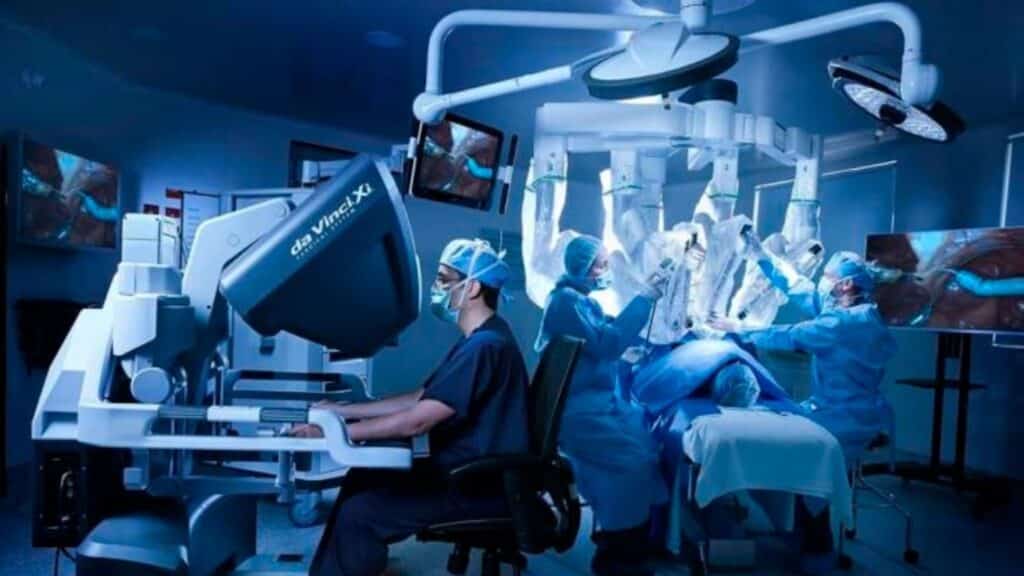
Robotic assistance in cosmetic surgery is changing the game. This technology has roots in the late 20th century, where early robotic systems focused on precision tasks, including surgical robotics and robotics surgeries, as well as advancements in surgical research and microsurgical techniques. Today, robots enhance surgical accuracy and reduce recovery times. They help surgeons perform complex procedures with minimal invasiveness.
Patients benefit from less pain and quicker healing. The rise of robotic systems means fewer human errors and improved outcomes. Surgeons can rely on advanced imaging and real-time data to make better decisions during operations. As this field continues to grow, the future of cosmetic surgery looks brighter than ever. Embracing robotic assistance offers a new level of care that combines innovation with artistry in the system.
Key Takeaways
- Robotic assistance in cosmetic surgery enhances precision, reducing the risk of complications during procedures.
- Embrace the benefits of robotic systems, such as faster recovery times and improved surgical outcomes, to better inform your choices.
- Stay informed about the challenges and considerations of robotic surgery, including potential costs and the need for specialized training.
- Explore innovations in robotic microsurgery that can offer advanced techniques for more complex aesthetic procedures.
- Consider how augmented reality can improve surgical planning and patient education in cosmetic surgeries.
- Keep an eye on future trends in cosmetic robotics to stay ahead in the evolving landscape of aesthetic medicine.
Understanding Robotic Surgery in Cosmetics
Integration of Technology
Robotic technology has made significant strides in plastic surgery. Surgeons now use robotic systems to enhance precision and control during operations. This system integration began gaining traction in the early 2000s with the use of robot technology. As technology advanced, more plastic surgeons adopted these systems. They allow for minimally invasive procedures with smaller incisions.
Surgeons can perform complex tasks with greater accuracy. The robotic arms provide a stable platform that reduces hand tremors. This leads to better outcomes for patients. Robotic surgery offers improved visualization through high-definition cameras. Surgeons can see detailed images of the surgical site.
Areas of Application
Robotics currently finds application in several areas of cosmetic surgery. Breast reconstruction surgery is one notable example. Surgeons use robots to assist in placing implants with precision. This method reduces recovery time and minimizes scarring.
Another area is facial reconstructive surgeries. Robots help in procedures like rhinoplasty and facelift surgeries. They ensure symmetry and balance, critical factors in aesthetic results, robot. Robotic systems assist in liposuction, allowing for targeted fat removal.
Transformation of Techniques
Robotic systems have the potential to transform traditional surgical techniques. They introduce new methods, such as robot-assisted techniques, that improve patient safety and outcomes. For instance, the use of robotic arms allows for enhanced dexterity during delicate procedures.
Surgeons can manipulate robot instruments from a console away from the operating table. This setup helps reduce fatigue during long surgeries. Surgeons can focus on intricate details without physical strain.
The benefits extend beyond the operating room as well. Patients experience less pain and quicker recovery times compared to traditional methods using robot technology. Reduced hospital stays lead to lower overall healthcare costs.
Future Developments
The future of robotic plastic surgery looks promising. Ongoing research aims to refine these technologies further. Innovations, such as robot-assisted techniques, may lead to even more applications within cosmetic and reconstructive surgery.
As robotic systems evolve, they will likely become standard tools for plastic surgeons. Training programs are already adapting to include robotic techniques in their curriculum. New generations of surgeons will be equipped with skills needed for this advanced robot technology.
Surgeons are excited about the potential benefits of the robot for patients and themselves. As robotics continue to develop, they will play a crucial role in shaping the future of cosmetic surgeries.
Benefits of Robotic Systems
Increased Precision
Robotic systems offer increased precision during cosmetic surgery. These robot systems allow surgeons to perform intricate procedures with greater accuracy. The robotic arms can make tiny movements that a human hand may struggle to achieve. This precision reduces the risk of damaging surrounding tissues. It also leads to better aesthetic outcomes for patients.
Surgeons use advanced robotic technology to enhance their skills. For example, robotic-assisted surgeries can limit the size of incisions. Smaller incisions made by the robot lead to less trauma and quicker healing for patients.
Reduced Recovery Times
Robotic assistance often results in reduced recovery times. Patients who undergo robotic surgeries typically experience shorter hospital stays. Studies show that these patients return to their normal activities faster than those who have traditional surgeries with a robot.
Fewer complications arise with robotic systems as well. The precision of the robots helps minimize bleeding and infection risks. This leads to a smoother recovery process overall. Patients appreciate getting back to their daily lives sooner.
Enhanced Visualization
Enhanced visualization is another key advantage of robotics in cosmetic surgery. Surgeons benefit from high-definition 3D imaging provided by robotic systems. This technology allows them to see the surgical site in detail. They can assess structures more effectively than with traditional methods using a robot.
The improved visualization aids in making informed decisions during robot-assisted surgery. Surgeons can navigate complex anatomical areas with confidence. This capability increases the overall success rates of procedures.
Improved Dexterity
Robots provide enhanced dexterity that complements a surgeon’s skills. The robotic arms have multiple joints, allowing for a range of motion beyond human capabilities. This flexibility enables robot surgeons to access hard-to-reach areas easily.
For instance, in facial surgeries, accessing delicate regions with a robot is crucial. Robotic systems facilitate this access without compromising safety or effectiveness.
Challenges and Considerations
High Costs
Robotic systems in cosmetic surgery come with high costs. The initial investment can reach millions of dollars. This includes the purchase of robotic equipment, maintenance, and training expenses. Many hospitals face budget constraints. They may hesitate to invest in this robot technology despite potential benefits. The financial burden can limit access for some patients. It also raises questions about the feasibility of widespread adoption.
Training Needs
Surgeons require extensive training to effectively use robotic technology. The learning curve can be steep. Surgeons must master new techniques and understand complex systems. This training takes time and resources. Many institutions do not have the infrastructure to support ongoing education. As a result, there may be a gap in skills among practitioners. This gap can affect patient outcomes.
Limitations of Technology
Current robotic systems have their limitations. They may not perform well in all surgical procedures. For instance, some operations require a level of visualization that current robots cannot provide. Surgeons still need to rely on traditional methods for certain tasks. These limitations can impact the overall results of surgeries.
Robotic systems also face challenges in navigation during procedures. They need precise control to avoid complications. If navigation is off, it could lead to serious issues for patients. These factors highlight areas needing improvement.
Patient Perception
Patient perception plays a crucial role in the acceptance of robotic surgery. Many individuals are unfamiliar with robotic assistance in cosmetic procedures. They may feel anxious about the idea of machines performing surgery on them. Building trust is essential for successful implementation. Education about the benefits and safety of robotic systems can help alleviate concerns.
Clinical Research
Ongoing clinical research is vital for improving robotic systems in cosmetic surgery. Studies should focus on long-term outcomes and complication rates associated with these technologies. Research findings will guide future applications and enhance understanding among medical teams.
Surgeons, engineers, and researchers must collaborate on advancements in this field. This teamwork can lead to better designs and functionalities for robotic systems. Ultimately, it will improve patient care.
Precision in Aesthetic Procedures
Enhanced Accuracy
Robotic systems improve accuracy in delicate aesthetic surgeries. These systems use advanced instruments that allow for precise movements. For instance, robotic arms can position tools at exact angles. This precision is crucial in plastic surgery procedures like facelifts and breast augmentations. Surgeons benefit from enhanced control over their actions. As a result, they can perform intricate tasks with greater ease.
In 2014, the da Vinci Surgical System was approved for various surgical disciplines, including cosmetic surgery. It allows surgeons to visualize the surgical area in high definition. This technology helps them make better decisions during procedures. The accuracy of robotic assistance leads to more consistent outcomes. Patients often experience fewer complications and faster recovery times.
Symmetrical Results
Robotics play a significant role in achieving symmetrical and natural-looking results. Many patients seek cosmetic enhancements for improved aesthetics. They desire features that look balanced and harmonious. Robotic systems help surgeons achieve these goals effectively.
For example, during breast augmentation, robots ensure that both sides are identical in size and shape. They can measure dimensions with high precision. This reduces the risk of asymmetry, which is a common concern among patients. With robotic assistance, surgeons can adjust their techniques based on real-time data. This adaptability enhances the overall quality of the procedure.
Reduced Human Error
Human error can impact the success of cosmetic procedures. Robotic precision significantly reduces this risk. Robotics provide consistent performance, minimizing variations between different surgeries. This consistency leads to better reproducibility of results.
Surgeons can focus on complex aspects of surgery while robots handle routine tasks. For instance, when addressing lymphedema, robotic systems can accurately remove tissue without damaging surrounding arteries. This capability is vital for patient safety and optimal outcomes.
In a study published in 2020, researchers found that robotic-assisted surgeries had lower complication rates compared to traditional methods. Patients reported higher satisfaction levels as well. The combination of dexterity and accuracy offered by robotics transforms how aesthetic surgeries are performed.
Innovations in Robotic Microsurgery
Recent Advancements
Robotic microsurgery has seen significant advancements in recent years. New robotic systems enhance precision in microsurgical procedures. These systems provide surgeons with improved dexterity and visualization. This technology allows for more complex surgeries to be performed with greater accuracy.
The introduction of surgical robots has transformed traditional approaches. Surgeons now rely on these devices for tasks that require extreme precision. For instance, robotic microsurgical skills have been refined through better tools and training programs. As a result, surgeons can perform intricate operations with reduced risk of complications.
Impact on Outcomes
The impact of robotics on surgical outcomes is profound. Studies show that robotic-assisted microsurgery leads to fewer complications and quicker recovery times. In microvascular surgeries, robotic systems improve the ability to connect small blood vessels. This is crucial for successful tissue transplantation.
Microneurosurgery also benefits from robotic assistance. The precision of robotic surgery focuses on delicate nerve structures. Surgeons can navigate complex anatomical regions without damaging surrounding tissues. This results in better functional recovery for patients undergoing robotic nerve surgery.
Specialized Platforms
Specialized platforms like MUSA are game-changers in the field of microsurgery. MUSA stands for Multi-Use Surgical Assistant. This system is designed specifically for supermicrosurgery, which involves working with vessels smaller than 1mm.
MUSA enhances the surgeon’s capabilities by providing advanced imaging and control options. It allows for real-time feedback during surgical procedures. Surgeons can perform intricate microsurgical reconstructions more efficiently. The integration of this technology into operating rooms marks a significant evolution in surgical practices.
Microsurgical Applications
Robotic systems expand the range of microsurgical applications available today. They allow for a variety of procedures, including skin grafts and reconstructive surgeries. The technology also supports manual microsurgery techniques by providing additional tools and support.
Surgeons can utilize these systems for various microsurgery procedures beyond aesthetics. For example, they are increasingly used in cancer surgeries where precision is critical. The ability to minimize damage to healthy tissue is vital in these cases.
Future Directions
The future of robotic microsurgery looks promising. Ongoing research aims to enhance the capabilities of existing robotic systems. Innovations will likely focus on improving haptic feedback and automation in surgery.
As technology evolves, it could lead to even more advanced surgical robots. These developments may further improve patient outcomes and broaden the scope of procedures possible through robotics.

Role of Augmented Reality
AR in Surgery
Augmented reality (AR) plays a significant role in enhancing robotic assistance during cosmetic surgery. This technology overlays digital information onto the real world. Surgeons can visualize critical structures, such as blood vessels and nerves, in real time. This visualization helps improve surgical planning and execution.
Surgeons use AR to create detailed 3D models of the patient’s anatomy. These models guide them through complex procedures. The integration of AR with robotic systems provides surgeons with a clearer understanding of the surgical field. This leads to better decision-making during operations.
Real-Time Data
AR offers real-time data that enhances surgical precision. Surgeons can access vital information without looking away from the surgical site. For instance, they can see patient vitals or imaging data while performing delicate tasks. This feature minimizes distractions and keeps focus on the procedure.
Studies show that using AR increases accuracy in cosmetic surgeries. A report from the Journal of Robotic Surgery indicated improved outcomes when AR was used alongside robotic systems. Surgeons reported fewer complications and shorter recovery times for patients.
Preoperative Planning
In preoperative planning, AR assists surgeons in visualizing potential outcomes. They can simulate procedures before actual surgery takes place. This simulation allows for adjustments based on the patient’s unique anatomy. Surgeons gain confidence by rehearsing complex techniques.
One example is the use of AR in rhinoplasty. Surgeons can create a virtual nose model based on specific measurements. They visualize how changes will affect facial symmetry and aesthetics. This process leads to more satisfying results for patients.
Intraoperative Guidance
During surgery, AR provides crucial intraoperative guidance. It displays essential anatomical landmarks directly on the surgical field. Surgeons benefit from clearer navigation through complex areas, reducing the risk of errors.
A notable case involved a breast reconstruction surgery where AR guided the surgeon in placing implants accurately. The system projected the optimal placement points onto the patient’s skin. This technology helped achieve better alignment and symmetry.
AR’s role in robotic-assisted cosmetic surgery continues to grow. As technology advances, its integration into surgical systems becomes more seamless. This evolution enhances both safety and effectiveness in procedures.
Recovery Benefits with Technology
Faster Recovery
Robotic-assisted surgeries offer faster recovery times for patients. The precision of robotic systems allows for smaller incisions. This leads to less tissue damage during procedures. As a result, patients often experience quicker healing. Many studies show that recovery can be significantly shortened compared to traditional surgery.
Patients typically leave the hospital sooner after robotic surgeries. For instance, a study published in 2021 found that patients undergoing robotic cosmetic procedures had a 30% shorter hospital stay. This improvement can greatly enhance the patient’s overall experience.
Reduced Pain
Minimally invasive techniques also reduce postoperative pain. Robotic systems use advanced technology to minimize trauma to surrounding tissues. Patients report feeling less discomfort after surgery. This reduction in pain can decrease the need for strong pain medications.
Fewer complications arise from these techniques as well. A 2022 review indicated that robotic surgeries have lower rates of infection and other postoperative issues. With less pain and fewer complications, patients can focus on their recovery rather than managing discomfort.
Improved Satisfaction
Technology plays a vital role in improving patient satisfaction and outcomes. Patients appreciate the benefits of robotic assistance during their treatment. Higher satisfaction levels often lead to better overall experiences with cosmetic surgery.
Surveys show that patients who undergo robotic-assisted procedures are more likely to recommend them to others. Many individuals report feeling more confident about their results due to the precision of robotic systems. These advancements help ensure better aesthetic outcomes, especially in reconstruction cases.
An example of this is seen in breast reconstruction surgeries. Patients who receive robotic assistance often enjoy better symmetry and fewer visible scars than those undergoing traditional methods. The enhanced results contribute to improved emotional well-being for many individuals.
Long-Term Outcomes
Robotic assistance not only affects immediate recovery but also long-term patient outcomes. Studies indicate that patients may experience better functional results over time. This is especially true for reconstructive surgeries aimed at correcting defects.
A systematic review from 2023 highlighted improved quality of life for patients post-surgery. Those who received robotic-assisted treatment reported higher satisfaction with their physical appearance and functionality.
Future Trends in Cosmetic Robotics
Evolving Systems
Robotic systems are evolving quickly in the field of cosmetic surgery. In the present, these systems assist surgeons by providing precision and control. Surgeons use robotic arms for delicate procedures like facelifts and breast augmentations. As technology advances, robots will likely take on more complex tasks. This shift will enhance surgical outcomes and minimize risks.
Technological Advancements
Technological advancements play a crucial role in enhancing robotic capabilities. Innovations in imaging technology will allow robots to create 3D models of patients’ anatomy. These models provide surgeons with detailed views during procedures. Improvements in haptic feedback technology will enable robots to simulate the sense of touch. This feature allows for more natural movements while performing surgeries.
AI Integration
AI integration is another significant trend shaping the future of cosmetic robotics. Machine learning algorithms can analyze vast amounts of patient data. This analysis helps tailor surgical plans to individual needs. AI can also predict potential complications, allowing surgeons to prepare better. The combination of AI and robotics will lead to more personalized treatment options for patients.
Personalized Solutions
Personalized robotic surgery solutions are gaining traction in the industry. Surgeons can customize robotic systems based on specific patient requirements. For example, some patients may need different techniques for skin tightening or fat removal. Customization ensures that each procedure aligns with the patient’s goals.
Enhanced Recovery
The integration of robotic systems can further improve recovery times for patients. With increased precision, there is less tissue damage during surgery. Patients experience less pain and quicker healing periods as a result. Studies show that robotic-assisted surgeries often lead to fewer complications compared to traditional methods.
Future Implications
Looking ahead, the implications of these trends are significant for both patients and surgeons. As robotic assistance becomes more common, it may reshape how cosmetic procedures are performed. Surgeons will need to adapt their skills to work alongside advanced robotic systems. Training programs will evolve to include education on these new technologies.
Ethical and Financial Aspects
Ethical Considerations
Robotic assistance in cosmetic surgery raises important ethical questions. One major concern is patient safety. Robots can perform precise movements, but they lack human judgment. Surgeons must still oversee procedures to ensure the best outcomes. Errors can occur if a robot malfunctions or if the surgeon misjudges the situation.
Another ethical issue involves informed consent. Patients should fully understand how robotic systems work. They need to know the risks involved with robotic surgery. Transparency is crucial for building trust between doctors and patients. Clear communication helps patients make informed choices about their procedures.
Financial Implications
The financial aspects of robotic-assisted cosmetic surgery are significant. Initially, healthcare providers face high costs for robotic systems. These systems require substantial investment for purchase and maintenance. This cost may lead to higher prices for patients seeking these advanced services.
Patients also experience financial implications. Robotic surgeries can be more expensive than traditional methods. Insurance coverage varies widely, often leaving patients to pay out-of-pocket expenses. This disparity creates challenges for those seeking cosmetic enhancements.
Accessibility Issues
Accessibility remains a pressing concern in robotic-assisted cosmetic surgery. Not all hospitals have the resources to invest in robotic technology. This limitation affects where patients can receive care. Wealthier areas may offer more options compared to rural or underserved regions.
Healthcare equity is at stake as well. Patients from lower-income backgrounds may not afford robotic procedures. This situation creates a divide in access to advanced surgical options. As technology evolves, ensuring equitable access becomes vital for all patients.
Summary of Key Points
- Patient safety is paramount when using robotics.
- Informed consent requires clear communication about risks.
- High costs affect both healthcare providers and patients.
- Accessibility issues create disparities in care.
- Equity in healthcare must be prioritized as technology advances.
Final Remarks
Robotic assistance in cosmetic surgery is changing the game. You’ve seen how it enhances precision, speeds up recovery, and introduces cutting-edge innovations. The benefits are clear, but so are the challenges and ethical considerations. Staying informed is crucial as technology evolves.
As you explore your options in cosmetic procedures, consider robotic-assisted surgeries for their potential advantages. Embrace the future of aesthetics and make informed choices that align with your goals. Dive deeper into this exciting field and stay ahead of the curve. Your journey to enhanced beauty can be both safe and revolutionary.
Frequently Asked Questions
What is robotic assistance in cosmetic surgery?
Robotic assistance in cosmetic surgery involves using advanced robotic systems to enhance precision and control during procedures. This technology allows surgeons to perform intricate tasks with improved accuracy, resulting in better outcomes for patients.
What are the benefits of using robots in cosmetic procedures?
Robots provide enhanced precision, reduced recovery times, and minimal scarring. They also allow for more consistent results and can improve surgical ergonomics, making the process safer for both patients and surgeons.
Are there any challenges with robotic cosmetic surgery?
Yes, challenges include high costs, the need for specialized training, and potential technical malfunctions. Patient acceptance of robotic systems may vary, affecting overall satisfaction.
How does robotic surgery improve precision in aesthetic procedures?
Robotic systems offer superior dexterity and visualization compared to traditional methods. Surgeons can make more precise movements, leading to better alignment and symmetry in cosmetic enhancements.
What innovations are being made in robotic microsurgery?
Innovations include improved imaging technologies, enhanced haptic feedback, and AI integration. These advancements aim to refine techniques further and expand the capabilities of robotic-assisted surgeries.
How does augmented reality play a role in robotic surgery?
Augmented reality provides real-time visual data overlays during surgery. This technology helps surgeons visualize anatomy better and plan their approach, enhancing safety and effectiveness during procedures.
What should patients consider regarding the costs of robotic cosmetic surgery?
Patients should weigh the benefits against the higher costs associated with robotic procedures. While expenses may be elevated, the potential for improved outcomes and faster recovery might justify the investment.