Liposuction

How Tight Should Your Liposuction Compression Garment Be?

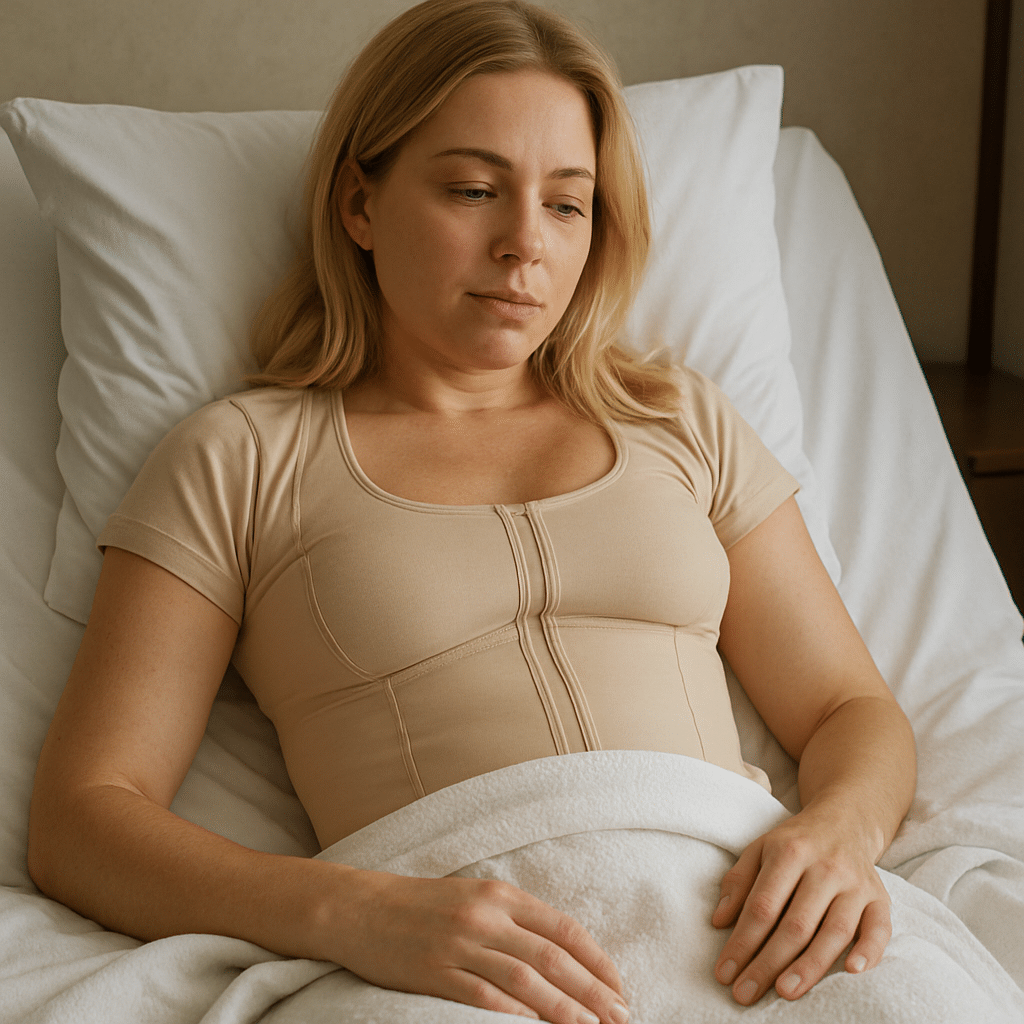
Key Takeaways Liposuction compression garment how tight means the suggested tightness of post-op garments that manage swelling and aid recovery. Surgeons recommend solid but comfortable pressure over treated regions, which is typically quantified by levels of compression measured in mmHg and garment size charts. Correct fit minimizes fluid accumulation, maintains tissue alignment, and when combined …

How Tight Should Your Liposuction Compression Garment Be? Read More »
Can You Have Liposuction After a Hysterectomy to Remove the Pooch?

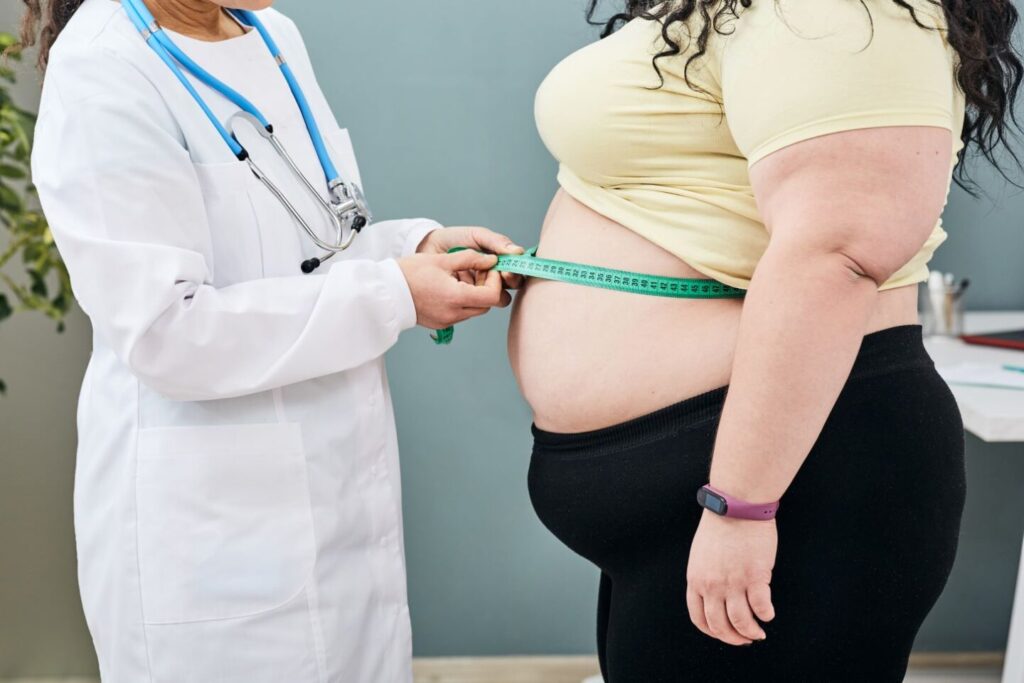
Key Takeaways Liposuction after hysterectomy pooch refers to surgical removal of excess fat from the lower abdomen following a hysterectomy. It’s a postop pooch that all too often comes from muscle laxity, scar tissue and fat redistribution after surgery and menopause. Candidates must have good skin elasticity and be in good health with realistic goals. …

Can You Have Liposuction After a Hysterectomy to Remove the Pooch? Read More »

The Estrobolome: How Gut Bacteria Influence Estrogen Balance in Lipedema

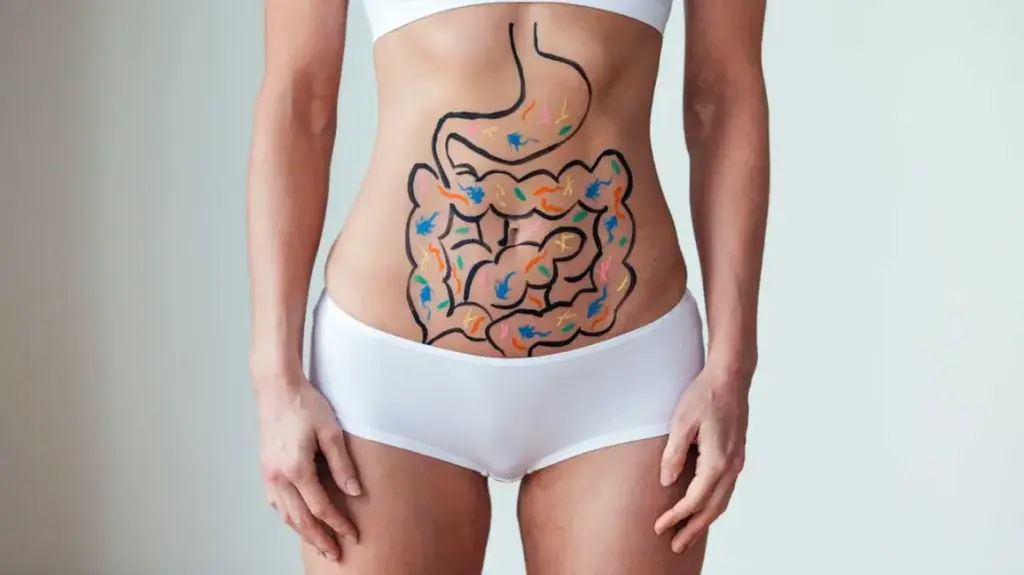
Key Takeaways Lipedema and estrobolome gut bacteria estrogen connection refers to links between fat distribution disorder and gut microbes that process estrogen. Research reveals some gut bacteria change estrogen by degrading estrogen compounds, which can impact fat storage patterns and inflammation in vulnerable individuals. Though research is still sparse, studies indicate that bacterial populations and …

The Estrobolome: How Gut Bacteria Influence Estrogen Balance in Lipedema Read More »

Why Liposuction Is Not Weight-Loss Surgery, and Why That Distinction Matters

Key Takeaways Because it removes localized fat deposits rather than producing sustained body weight reduction, liposuction is not weight loss surgery. The procedure targets tiny zones to redefine contours, a few kilos at best. Medical guidelines consider liposuction a cosmetic procedure, not a treatment for obesity or metabolic disease. Candidates must have stable weight and …

Why Liposuction Is Not Weight-Loss Surgery, and Why That Distinction Matters Read More »

Why Do Some People Bruise More After Liposuction and How to Reduce It

Key Takeaways Why some people bruise more after liposuction is linked to factors that affect blood vessel fragility and clotting. Age, medication, genetics, skin thickness, surgical technique, and post-op care all alter bleeding and bruising risk. Some blood thinners and supplements increase bruising. Older skin and thinner tissue bruise quicker. Surgeons’ techniques and compression change …

Why Do Some People Bruise More After Liposuction and How to Reduce It Read More »

Why Swelling Moves Downward After Liposuction and How to Manage It | Blog

Key Takeaways Swelling descends post-liposuction due to gravity’s effect on fluid and inflammatory components. Swelling shifts over days to weeks as fluid accumulates in dependent areas and tissues redistribute. Lymphatic drainage and patient activity influence where swelling manifests, with prolonged standing or sitting causing more lower accumulation. Appropriate compression, movement, and follow-up care assist this …

Why Swelling Moves Downward After Liposuction and How to Manage It | Blog Read More »

Posture After Liposuction: Timeline, Tips, and Recovery Guidelines

Key Takeaways Posture after liposuction refers to how a person holds their body during recovery and daily activity. Correct posture facilitates healing, prevents stress on treated areas, and preserves your contour results. Surgeons typically advise a slow return to normal movement, core- and back-friendly positions, and short walks to reduce swelling and blood clots. Hands-on …

Posture After Liposuction: Timeline, Tips, and Recovery Guidelines Read More »