
Key Takeaways
- For example, genetic factors, age, and pre-existing health conditions play a role in how much you may bruise post-liposuction. Be sure to share your entire medical history with your surgeon and anticipate an individualized risk analysis.
- Medications, supplements, and lifestyle habits like alcohol use and smoking influence clotting and healing. Adhere to pre-op instructions on medication changes to minimize bruising potential.
- Surgical technique, technology, and surgeon experience play a direct role in tissue trauma and subsequent bruising, so discuss technique options and examine before and afters.
- Get your body primed with targeted nutrition, hydration, and medication adjustments. Set up with recommended supplies and support to maximize at-home recovery.
- Post-lipo compression, movement, and aftercare instructions can help limit swelling and speed bruise resolution. Follow them closely and use a gradual activity plan to avoid setbacks.
- Keep an eye out for alarming symptoms such as intensifying pain, expanding discoloration, fever, or pus and get in touch with your surgical team immediately if you experience any of these.
Why some people bruise more after liposuction is linked to factors that affect blood vessel fragility and clotting. Age, medication, genetics, skin thickness, surgical technique, and post-op care all alter bleeding and bruising risk.
Some blood thinners and supplements increase bruising. Older skin and thinner tissue bruise quicker. Surgeons’ techniques and compression change things.
The section below details each factor and actionable steps to minimize bruising after liposuction.
Individual Factors
Personal factors influence to what extent and why bruising happens post-liposuction. These will impact whether a certain surgical approach is appropriate, how tissues respond, and ultimately how long visible bruising and pain persist. They detail the key personal factors that modify risk and recovery.
1. Your Body
Individual factors regarding skin thickness and elasticity play a significant role. Thinner, less elastic skin reveals blood under the surface more easily, so bruises appear bigger and darker. Those with thicker dermis or more subcutaneous tissue may camouflage minor vessel leaks more, but larger bleeds remain apparent.
Body fat shifts to where the trauma occurs. Less fatty areas, like near joints or on very thin people, have more superficial vessels, which bruise easily. Individuals with more fat could have more profound damage that requires more time to purge.
Vascularity matters as well. Delicate capillaries or veins immediately beneath the skin bleed with slight trauma. For some people, there are more superficial veins. Others have an intense capillary network that bleeds out after cannula passage.
How your body responds to trauma provides insight into bruising tendencies. Some individuals develop hard, permanent clots and stain only minimally. Others have extended oozing and broader color bleed. These trends connect to genetics, previous injury responses, and baseline inflammation.
Your personal goals and anatomy can alter technique selection, which impacts bruising. Surgeons adjust suction, cannula size, and tumescent volume to minimize vessel damage based on body type and desired outcome.
2. Your Health
Chronic illness alters recovery significantly. Both diabetes and liver disease hinder tissue repair and can cause bruises to be bigger and longer lasting. Anemia reduces oxygen delivery, which slows blood clearance from tissues.
Individual factors like immune strength will dictate resolution speed. A strong immune system disposes of the bruised blood more quickly. Conversely, a broken system will keep the bruising and inflammation going.
A prior history of easy bruising or known bleeding problems indicates elevated post-op risk. Patients with previous deep bruising tend to bruise more post-liposuction and may require tailored treatment.
Allergies and sensitivities impact recovery as well. Sensitivities or allergies to tapes, ointments, or drugs can exacerbate local inflammation and intensify bruising.
3. Your Medications
Medications play a crucial role in bruising risk. Blood thinners, aspirin, and many NSAIDs increase bleeding risk and can enlarge bruises. Prescribed drugs that impact platelet function or clotting need to be timed carefully around surgery.
Supplements, such as fish oil or vitamin E, and herbal remedies have mild anticoagulant effects and are often stopped pre-op to reduce bruising risk.
Common medications and their impacts include: anticoagulants that increase bleeding, SSRIs that may mildly affect platelets, and corticosteroids that thin skin and delay healing. It’s important to go over any changes with your surgeon before you stop any drug.
4. Your Lifestyle
Lifestyle choices can affect bruising. Alcohol thins blood and can impair sleep and hydration, all of which exacerbate bruising. Smoking decreases circulation and interferes with bruise healing, so it’s best to quit before surgery.
Exercise at high intensity before surgery can lead to increased bleeding risk. Resting both pre- and post-op is better for recovery. A diet deficient in vitamin C, K, zinc, or protein compromises vessel and repair, while a balanced diet supports healing.
Hydration is quite personal and depends on both your body size and climate, among other factors. Drinking fluids flushes inflammatory byproducts and accelerates repair.
While most bruises go away within two to three weeks, some individuals see changes in two weeks while others take longer.
Surgical Influence
Liposuction by nature induces tissue trauma that results in bruising and swelling. Knowing how surgical decisions mold that trauma sheds light on why some patients bruise more than others. The subsections below detail how technique, technology, and the surgeon’s skill alter the extent and persistence of bruising and how all of this connects to recovery techniques like cold therapy, compression, nutrition, and hydration.
Technique
Traditional suction-assisted liposuction employs larger cannulas and manual back-and-forth motions, which inevitably lead to a more blunt disruption of fat and adjacent capillaries and thus increased bruising. Tumescent liposuction pumps dilute local anesthetic and epinephrine into the tissues initially. That fluid both separates fat planes and constricts small vessels, so blood vessel damage is reduced and bruises are frequently less severe.
Power-assisted and microcannula methods minimize the need for aggressive manual pressure. Smaller cannulas and controlled strokes reduce shearing of tissues and decrease visible bruising. Surgeon hand movements matter: rapid or wide arcs create more tearing than short, controlled passes. Instrument choice matters: blunt-tipped, small-diameter cannulas reduce vessel nicking compared with larger or sharp instruments.
Methods associated with increased bruising are aggressive deep liposuction, large-volume sculpting in one session, and excessive overlapping passes. Lower-bruising techniques incorporate staged procedures, tumescent infiltration, microcannulas, and meticulous layering. Cold therapy for the first 48 to 72 hours, using ice packs wrapped in cloth for 10 to 20 minutes every few hours, helps limit capillary leak and inflammation after any technique.
Worn day and night for 2 to 3 days, then nightly for 7 to 10 days, compression garments are proven to reduce post-op swelling and can even blunt the spread of bruising. A high-protein diet, approximately 80 grams of protein per day, and consumption of about eight 240 mL glasses of water per day assist the body in repairing tissue and flushing out inflammatory exudates.
Technology
Newer devices can reduce bruising by focusing fat more selectively and minimizing manual tissue trauma. Laser-assisted liposuction (LAL) and ultrasound-assisted liposuction (UAL) provide energy that liquefies fat, enabling more delicate suction. They usually cause less blood loss than vigorous manual suction. Device settings and surgeon technique severely impact results.
Different devices vary in efficiency. Some ultrasound tools emulsify fat well but can cause local thermal effects if misused, potentially prolonging discoloration. Some lasers include skin tightening with modest increased inflammation but less mechanical tearing. Surgical technology choice influences both the size and duration of bruises.
A surgical device that reduces trauma also reduces shear and tends to reduce peak bruising, which often happens 48 to 72 hours post-op and peaks days three to five. Technological innovations, such as real-time imaging and improved cannula designs, enable surgeons to operate with greater precision and less trauma, minimizing recovery time. Large procedures can still require six to eight weeks to fully clear.
Surgeon
Practice and precision minimize collateral tissue trauma. A veteran surgeon designs careful planes, employs exact surgical passes, and manages intraoperative bleeding with epinephrine, pressure, and cautery as necessary to minimize postoperative bruising. Painless pre-op explanation of risk, maximum expected bruising, and post-op care helps create realistic expectations.
Consider the before and after photos; they are not just for show. You can use them to estimate the typical bruising and recovery time from a given surgeon.
Pre-Surgery Preparation
Careful preparation minimizes the risk and extent of postoperative liposuction bruising and allows your surgeon to map out a safer operation. Organize your health information, prepare your recovery space, and receive advice about medications, supplements, nutrition, and lifestyle modifications so your body is in optimal shape before surgery.
Consultations
Make a list of questions about bruising risk, expected timelines and how to limit bleeding. Inquire in what ways the surgeon’s technique, cannula size and tumescent solution impact tissue trauma and bruising. Discuss your complete history, including previous bleeding disorders, liver disease, recent infections and a family history of easy bruising.
Talk about previous cosmetic procedures and how you recovered. Request explicit instructions on medication changes: which prescription drugs to stop and when, and whether temporary alternatives are available. Talk about realistic expectations for bruising, how long it might be at its peak, what colors are normal, and when it should start fading.
Ask about photos: take “before” pictures to document baseline and later healing.
Adjustments
Make the advised medication adjustments without delay. Typical examples are cessation of NSAIDs and some antiplatelets as per surgeon advice. Modify supplement intake: stop blood-thinning supplements such as fish oil, vitamin E, garlic, and ginkgo two to three weeks before surgery to reduce bleeding risk.
Checklist of pre-surgery adjustments:
- Cease such blood thinners and supplements 14 to 21 days preoperatively.
- Make sure with your physician that it’s safe to pause any prescriptions.
- Stop smoking altogether at least 2 to 3 weeks before. As advised, avoid vaping and patches.
- Cut down on alcohol and quit two to three weeks prior.
Prepare recovery supplies and support: ice packs, loose clothing, pillows or wedges for comfortable positioning, and a caregiver for the first 48 to 72 hours when bruising often peaks. Have transportation home and assistance with errands and simple care.
Nutrition
Focus on vitamin C and K foods to help strengthen the blood vessels and repair collagen, such as citrus, kiwi, bell peppers, leafy greens and broccoli. Think anti-inflammatory and antioxidant-rich foods, including berries, nuts, oily fish unless otherwise advised, and whole grains to help reduce swelling and support healing.
Avoid blood thinners including high-dose omega-3 supplements, excessive garlic, and lots of vitamin E. Hydrate well: aim for at least 2 liters of water daily to help flush inflammatory byproducts and aid tissue repair.
Simple meals for the week before surgery mix lean protein, colorful veggies, and easy-to-digest carbs. Light activity such as brief walks post-surgery prevents blood pooling and accelerates recovery.
Aftercare and Healing
Aftercare and healing from liposuction, proper aftercare accelerates healing and reduces bruising. Adhere to your surgeon’s aftercare instructions, employ recommended techniques, and monitor for changes that require medical attention.
Compression
Wear compression garments per your surgeon’s instructions, which is usually 2 to 6 weeks depending on the procedure. A well fitted garment firmly supports your tissues, constrains swelling and minimizes the potential dead space in which blood can collect and cause further bruising.
If the garment is too tight, you may get pain or numbness. If it is too loose, it won’t give even pressure. When trying on, test fit both standing and sitting. If the provided garment feels off, inquire with the clinic about different brands and sizes.
Compression aids in avoiding seroma (fluid buildup) and holds tissues immobile while small vessels seal. Wash the shirt as directed and allow it to dry completely before wearing again. Set a daily schedule: wear the garment during daytime and sleep with it if advised, remove briefly to shower, then put it back on. Change it sooner than later if the elastic frays.
Movement
Facilitate bruise clearance and promote circulation by beginning gentle movement soon after surgery. Short, frequent walks lasting five to ten minutes a few times a day promote blood circulation without taxing your treated regions. Light stretching reduces stiffness and keeps lymph moving.
No high-intensity sports or heavy lifting for at least six weeks. Exertion can increase blood pressure, strain healing tissue, and exacerbate bruising. Create a gradual activity plan: Days 1 to 7 focus on walking and light mobility. Weeks 2 to 4 add gentle range-of-motion work. After six weeks, follow your surgeon’s clearance before resuming full exercise.
Support
Have practical assistance lined up at home for the initial week or two. Things like cooking, caring for children, and running errands add to the strain and slow your healing. Emotional support counts as well. Stress can delay your healing and amplify the pain, so bring along friends or family members who can check in and support you when necessary.
Prop treated areas up with pillows and off pressure points. This minimizes swelling and pain. Establish a recovery area with convenient access to water, medications, snacks, and phone. Practical ways to make recovery easier include preparing soft meals in advance, placing commonly used items within reach, using non-slip socks, and keeping a small cooler for cold packs.
Essential aftercare supplies:
- Compression garments (proper size)
- Cold packs for 15–20 minutes several times daily
- Reusable water bottle to reach eight glasses/day
- Mild pain relievers as advised
- Soft pillows and cushions
- Easy-to-prepare meals or meal delivery
- Loose clothing and non-slip footwear
- Contact information for your surgeon
Drink plenty of water, eat a nutritious diet with vitamin K foods (if permitted) and anticipate bruising to be at its worst the first week, subsiding by four to six weeks. If the bruising lasts longer than four weeks or intensifies, contact your surgeon.
The Recovery Mindset
Recovery from liposuction includes not only visible bruising but invisible emotional labor. A transparent mindset controls expectations and maintains emphasis on incremental development. This section examines the emotional, temporal, and holistic strategies that facilitate healing and alleviate bruises-related anxiety.
Emotional Impact
Bruising can spark anxiety, annoyance, or shyness. Accept these sensations as natural, not as an indication of defeat. Discuss with a dear friend, partner, or support group how you feel. Sharing tends to diminish intensity and makes you feel less alone.
Use self-care to lift mood: brief walks, light stretching within medical limits, warm showers, reading, and short creative tasks can break up long days of rest. Little habits provide form and keep you remembering that you’re doing something of consequence.
Choose healthy ways to relieve stress. Journaling three quick things you’re grateful for each day can turn your attention away from your looks. If your anxiety is elevated, book a brief call with a clinician for reassurance and to prevent you from ruminating.
It counts to be open with family or caregivers. Tell them what assists—practical assistance like meal prep or emotional support like just hanging out—to give them actionable ways to respond.
Patience
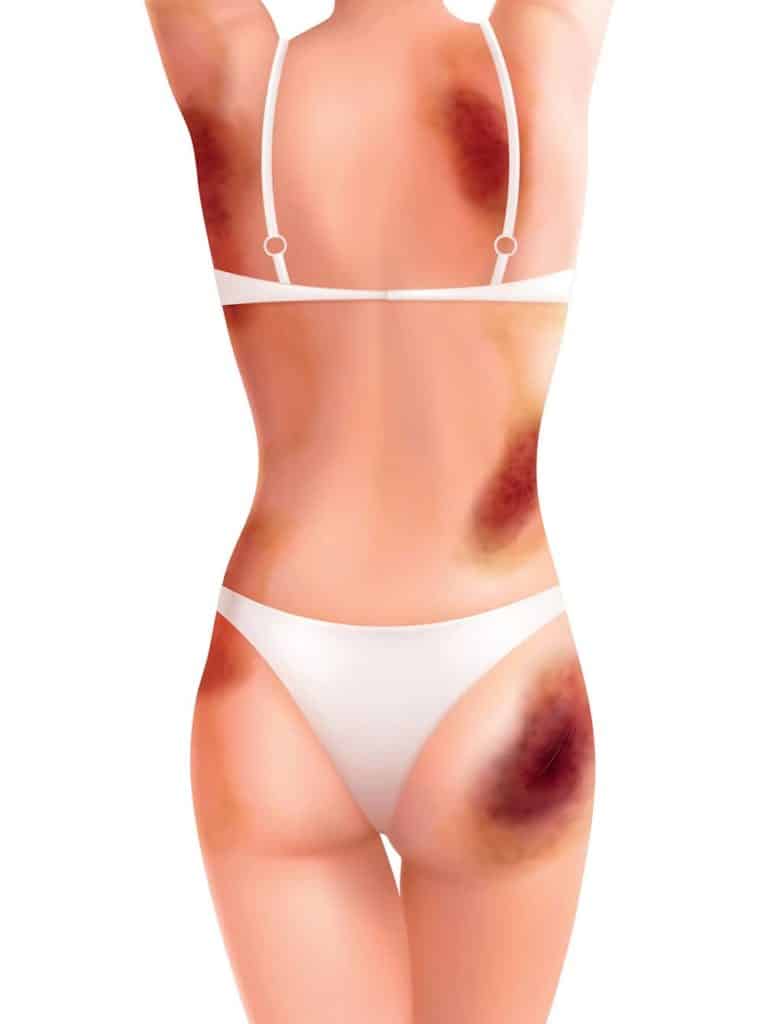
Bruising is a natural part of the healing process after liposuction. It represents your body draining blood from multiple tissue planes. Color shifts from red to purple, green, and yellow over days to weeks. Take photos at the same time to track progress. There’s nothing like visual proof of vanishing to keep motivation up.
Most bruising will significantly subside within 2 to 4 weeks. Full resolution may take longer depending on the surgery extent and the individual. Don’t compare your timeline to anyone else’s. There is a great amount of variation based on age, skin tone, medications, and general health.
Fight the temptation to push the boundaries of recovery. Being too aggressive and having activity too early can actually increase bruising or delay healing. Adhere to post-op guidance and remind yourself that momentary discipline saves permanent gains.
Holistic Healing
Mix body care, mindset work, and nutrition for a holistic approach to recovery. Relaxation and breathing exercises promote low stress hormones that can facilitate tissue repair and reduce inflammation.
Practical holistic practices that help include gentle mobility exercises as advised by your surgeon, balanced protein-rich meals and sufficient fluids, and a cold then warm compress routine per medical guidance.
Additionally, ensure adequate sleep and short naps when needed. Mindfulness, guided breathing, or short meditations can also be beneficial. Light lymphatic massage when approved and emotional check-ins with a therapist or peer group are important as well.
These habits reinforce each other. A good attitude makes it hurt less, which keeps you involved with care steps. Celebrate small victories, such as dimmer color and reduced tenderness, that help keep you resilient and staying the course toward your long-term goals.
When to Worry
Bruising after liposuction is normal. Certain patterns indicate an issue that requires immediate care. Know what to watch for, how to distinguish normal healing from complications, and when to seek care.
Identify signs of abnormal bruising, such as extreme pain, rapid spreading, or unusual colors.
Standard bruises go through color phases, red and purple to green and yellow, as blood degrades and the body excretes it. This color change is generally comforting. Abnormal bruising could be abnormally large, very dark or rapidly spreading beyond the treated area.
Severe, sharp, or worsening pain at the bruising site is another red flag. Normal post-op discomfort should subside day by day. If a bruise begins spreading rapidly, if you notice new bruises away from the incision sites, or if there is an area that feels hard and warm under the skin, these could indicate a deeper bleed or hematoma.
If a bruise is abnormally large or painful, err on the side of caution and get it checked by your physician.
Monitor for symptoms like fever, pus, or severe swelling that may indicate complications.
Look for signs of infection at incision sites: increasing redness that does not fade, warmth to touch, pus or cloudy discharge, or fever over 38°C. Redness along with heat and discharge indicates infection, not normal inflammation.
Severe swelling that gets worse after it initially improves can squeeze vessels and tissues and cause pain or skin changes. Swelling that persists past the typical recovery timeline of weeks, not days, is worth investigation.
Watch for systemic symptoms like chills, a fast heart rate, or just feeling overall unwell. This could mean the infection is spreading.
Differentiate between expected bruising and warning signs of infection or hematoma.
Expected bruising typically appears within 24 to 48 hours, peaks within a few days, and starts to fade by two to three weeks, with most bruises gone by weeks three to four. Anticipated swelling usually persists longer than bruising.
Warning signs include bruises that do not change color toward healing, increase in size after the first week, or are accompanied by severe pain, redness, warmth, pus, or fever. Patients on blood thinners such as aspirin, warfarin, dabigatran, rivaroxaban, apixaban, or clopidogrel are more prone to long-lived or deep bruising and should be observed more carefully.
Create a checklist of symptoms that require prompt attention.
- Large, expanding, or very painful bruises.
- New bruises distant from treatment area.
- Redness, warmth, pus, or foul drainage at incision sites.
- Fever above 38°C or chills.
- Severe or worsening swelling after initial improvement.
- Hard, tender lumps under the skin suggestive of hematoma.
- Use of blood-thinning medication plus increasing bruising.
Conclusion
Bruising after liposuction differs. Blood vessels rupture in varying ways from person to person. Age, skin thinness, medications and medical issues all alter the amount a person bruises. Surgeons’ technique, the amount of suction and the use of fluids influence bruising patterns. Solid prep and consistent aftercare reduce risk and hasten fade. Rest, cold packs early, gentle movement later and follow-up checks all help. Be alert for increasing pain, red streaks, fever or swelling that gets worse. They generally subside in weeks and cause no lasting damage. For more specific guidelines and personalized care, consult with your surgeon or a qualified provider. Book a follow-up if anything seems amiss.
Frequently Asked Questions
Why do some people bruise more after liposuction?
Bruising differs by skin thickness, blood vessel fragility, age, medications, and technique. These factors cause some people to bruise more easily after liposuction.
Do blood thinners make bruising worse after liposuction?
Yes. Anticoagulants, aspirin, and certain supplements can all increase the risk of bleeding and bruising. Surgeons generally recommend ceasing them prior to surgery under physician guidance.
Can surgical technique affect bruising severity?
Yes. Aggressive tissue disruption or larger cannulas or multiple passes cause more bruising. Experienced surgeons using gentle, precise techniques minimize trauma and bruising.
How does pre-surgery preparation reduce bruising?
Whatever your body type, stopping blood thinning meds, steering clear of certain supplements, and keeping medical conditions under control all reduce the risk of bleeding. Adhering to your surgeon’s pre-op instructions is key to keeping bruising to a minimum.
What aftercare steps speed bruise resolution?
Compression garments and cold packs in the initial 48 hours, light movement, and not pushing too hard with exercise assist in decreasing the swelling and help fade the bruises faster. Continue following your surgeon’s schedule.
When should I be concerned about bruising after liposuction?
Get care if bruising is associated with intense pain, fever, rapid swelling, or redness spreading. These can be signs of infection or bleeding complications.
How long do bruises typically last after liposuction?
The majority of bruises get better within 2 to 3 weeks. These color variations diminish over time with few remaining marks by 4 to 6 weeks depending on your body’s healing capabilities.